
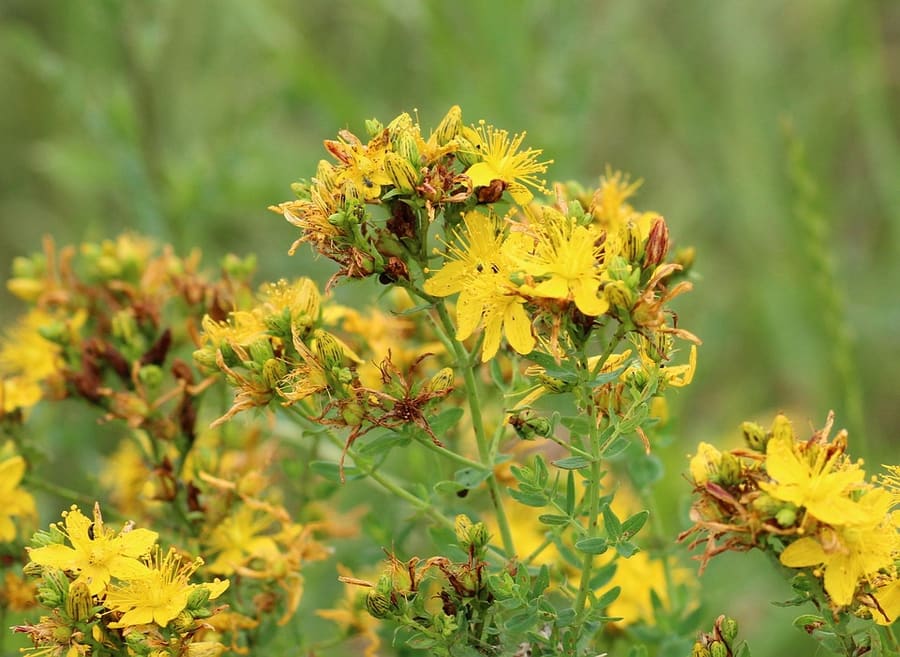
St. John’s Wort (Hypericum perforatum)
Photo: Pixabay
- Mental
- 5 conditions
- Licensed photo
Overview
St. John’s wort (Hypericum perforatum) is an erect perennial reaching about 32 in (80 cm), with bright yellow flowers in clusters. It exudes a red pigment (“hypericin”) when the flowers or leaves are crushed. It has been used historically for low mood, colds, and wound healing. NCCIH says it may help mild or moderate depression but can interact in dangerous, sometimes life-threatening ways with many medicines.
Traditional uses & properties
Depression: NCCIH says studies suggest it may help mild or moderate depression over periods of up to 12 weeks; depression can be a serious illness and needs a health care provider. Viral Infections (traditional use): Historically used for colds; NCCIH says the evidence for conditions other than depression is insufficient to draw definite conclusions. Wound Healing (traditional use): Historically used to aid wound healing; NCCIH says only a small amount of research has been done on topical use for wound healing, and the evidence has not clearly shown it to be helpful.
Safety & precautions
Photosensitivity: High doses or fresh plant can cause increased sensitivity to sunlight. Medication Interactions: May reduce effectiveness of certain prescribed drugs (e.g., blood thinners, antidepressants, birth control); professional guidance is crucial. Pregnancy: Avoid without medical supervision.
Educational reference only - not medical advice. Herbs can interact with medications. Consult a qualified healthcare provider before use. Full disclaimer.
Drug interactions
NCCIH warns that St. John's wort can reduce how well many medicines work, some of them crucial, and LiverTox describes its drug interactions as major. It speeds up liver enzymes (CYP3A4, CYP2C9) and the P-glycoprotein transporter, which lowers blood levels of many drugs. [1, 2, 3]
- Birth control pills
- Can be weakened (NCCIH). MSK notes breakthrough bleeding or pregnancy as possible results. [1, 3]
- Transplant drugs (cyclosporine, tacrolimus)
- Levels can fall enough to put a transplanted organ at risk of rejection. [1, 3]
- HIV medicines
- NCCIH names indinavir and nevirapine. MSK notes that lower levels can lead to treatment failure and drug resistance. [1, 3]
- Antidepressants and other serotonin acting drugs
- NCCIH warns that serotonin-related side effects, which may be serious, can increase when St. John's wort is taken alongside some antidepressants or other medicines acting on serotonin. MSK names SSRIs, tricyclic antidepressants and triptans. NCCIH also notes it can weaken some antidepressants, such as amitriptyline and bupropion. [1, 3]
- Warfarin
- Listed by NCCIH among medicines it can weaken. MSK says the effect may go either way and advises routine INR monitoring. [1, 3]
- Heart medicines
- NCCIH names digoxin and ivabradine. MSK adds that levels of diltiazem and nifedipine can drop. [1, 3]
- Cancer medicines
- NCCIH names irinotecan, imatinib and docetaxel. MSK notes the effect on irinotecan can last for weeks after St. John's wort is stopped. [1, 3]
- Seizure medicines
- NCCIH names phenytoin and carbamazepine among drugs whose effects can be weakened. [1]
- Other drugs with lowered levels
- MSK lists oxycodone, alprazolam, zolpidem, clozapine, gliclazide, fexofenadine and others. [3]
- Clopidogrel
- MSK notes St. John's wort may strengthen clopidogrel's effect on platelets. [3]
How to read this section: each entry is HerbMate's summary of what the cited sources report. Words such as "may", "theoretical" or "in laboratory or animal studies" mean the effect has not been confirmed in people, and "case report" means it was seen in one or a few patients. A medicine that is not listed here has not been shown to be safe with this herb. The numbers in brackets link to the sources at the foot of the page.
Habitat
Native to Europe and Asia, naturalized worldwide in sunny fields and roadsides. The flowering tops are collected in midsummer when the flowers have fully opened.
Sources
The interaction notes and the statements on this page that name a source were written by HerbMate from these references, which were last checked in October 2026. They are summaries, not medical advice; ask a pharmacist about your own medicines.
Traditionally used for
- Ear Infection4 herbs · 2 free
- Depression5 herbs · 2 free
- Sciatica3 herbs · 2 free
- Shingles3 herbs · 2 free
- Wound healing7 herbs · 2 free
Each condition shows its first 2 remedies free. Premium opens the full remedy list for every condition - or come back for the free Condition of the Day.
Frequently asked questions
What is St. John’s Wort (Hypericum perforatum) traditionally used for?
Traditional sources describe St. John’s Wort (Hypericum perforatum) as follows: Depression: NCCIH says studies suggest it may help mild or moderate depression over periods of up to 12 weeks; depression can be a serious illness and needs a health care provider. Viral Infections (traditional use): Historically used for colds; NCCIH says the evidence for conditions other than depression is insufficient to draw definite conclusions. Wound Healing (traditional use): Historically used to aid wound healing; NCCIH says only a small amount of research has been done on topical use for wound healing, and the evidence has not clearly shown it to be helpful.
What safety cautions apply to St. John’s Wort (Hypericum perforatum)?
Photosensitivity: High doses or fresh plant can cause increased sensitivity to sunlight. Medication Interactions: May reduce effectiveness of certain prescribed drugs (e.g., blood thinners, antidepressants, birth control); professional guidance is crucial. Pregnancy: Avoid without medical supervision.
Related herbs
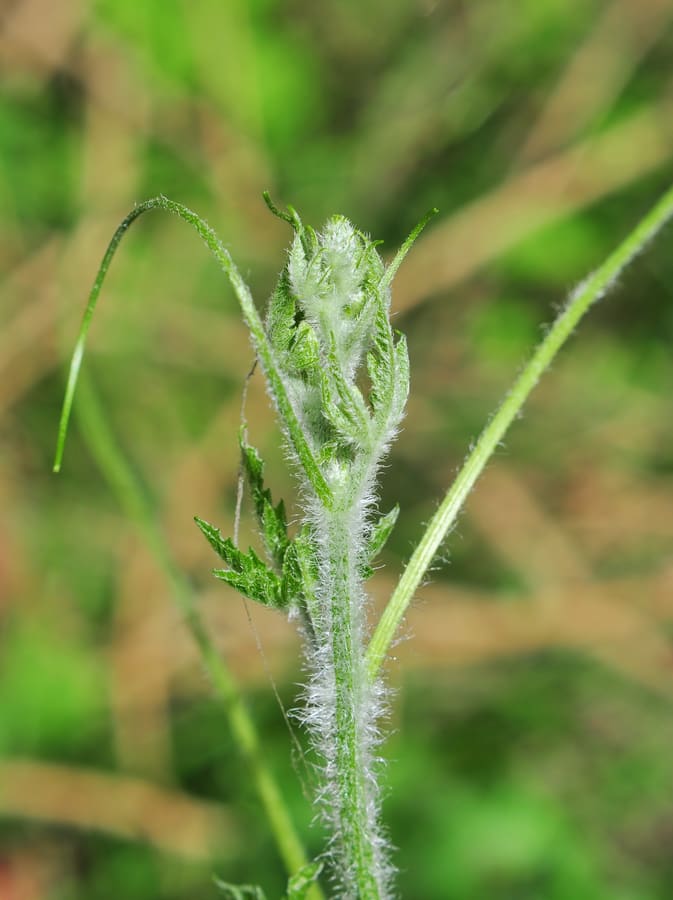 Bitter Melon (Momordica charantia)
Bitter melon is an annual climbing vine reaching about 6.5 feet, characterized by deeply lobed leaves, yellow flowers, and distinctive orange-yellow fruit. Native to southern Asia and now common throughout tropical regions worldwide, it is harvested year-round. Its edible fruit is used both as food and in medicine to treat diabetes in regions including Asia, East Africa and the Caribbean; MSK says data on whether it lowers blood sugar are limited.
- Cardamom (Eletteria cardamomum)
Cardamom is an aromatic spice long prized for its fragrant, pungent taste. Thanks to its agreeable flavor, cardamom is often added to herbal formulas to improve taste.
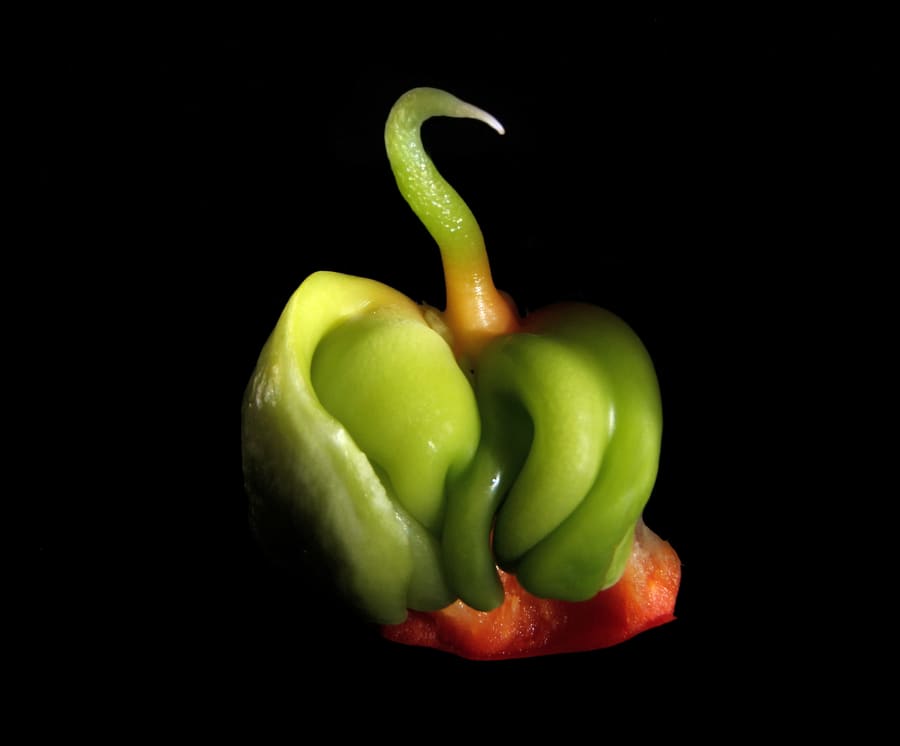 Cayenne (Capsicum annuum)
Cayenne (Capsicum frutescens) is a tropical pepper known for its hot, pungent taste.
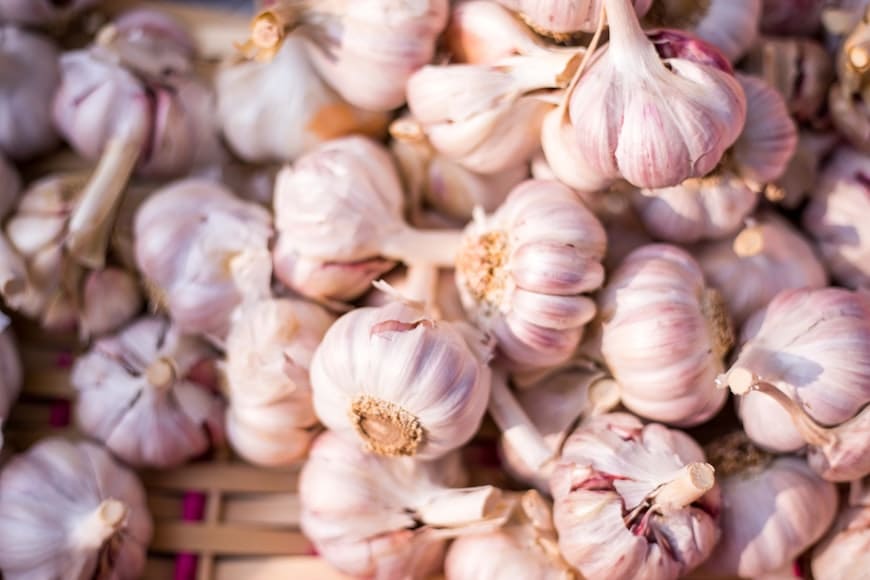 Garlic (Allium sativum)
 is a bulbous perennial in the onion family, recognized for its sharp flavor and characteristic odor. It is widely used in cooking, and crushed fresh garlic contains allicin. NCCIH says garlic supplements may lower cholesterol, blood pressure and blood sugar to a small extent, but very little research has tested claims that they boost immunity.
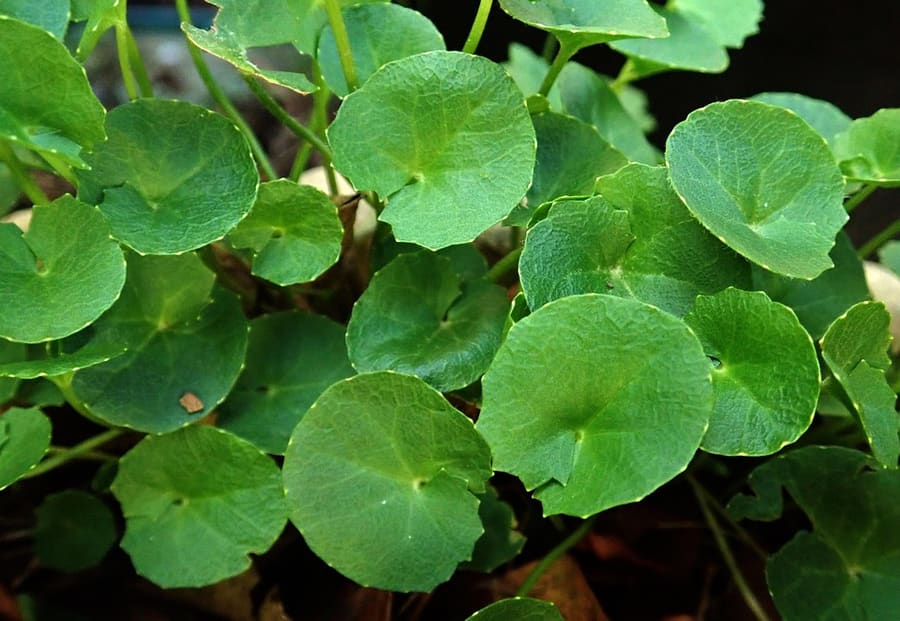 Gotu Kola (Centella asiatica)
Gotu kola (Centella asiatica), also known as Hydrocotyle asiatica, is a creeping perennial reaching up to about 20 in (50 cm). It sports fan-shaped leaves, often used in salads across parts of India. It is used for wound healing, scars, varicose veins and venous insufficiency; MSK says only a few studies suggest it may help wound healing, and the evidence is not strong enough to support its use for cognitive function.
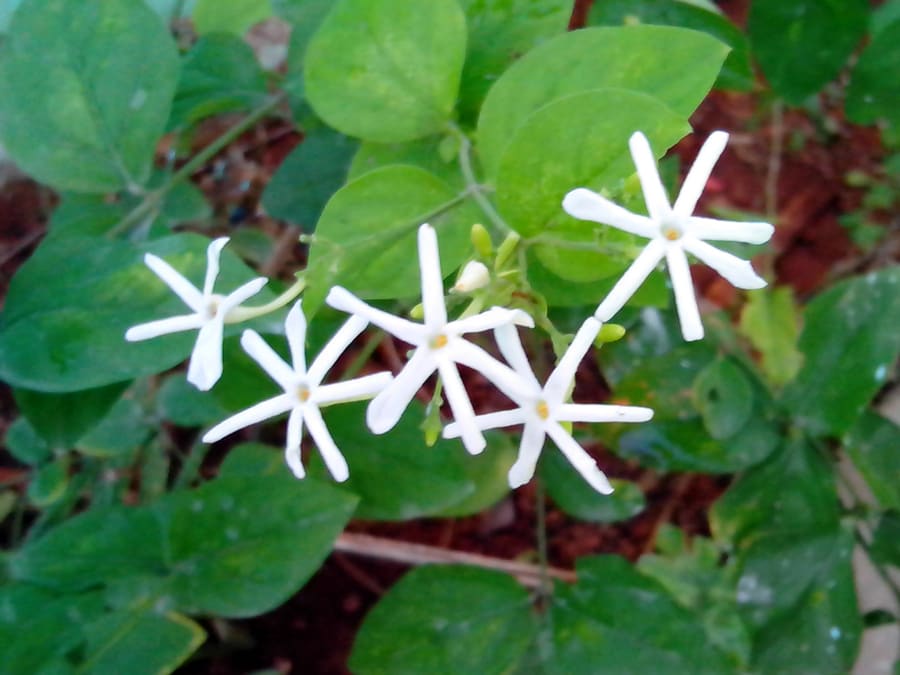 Jasmine (Jasminum grandiflorum)
Jasmine (Jasminum officinale) is a slender evergreen climber, growing up to around 20 ft (6 m), noted for its dark green compound leaves and sweetly scented, tubular white flowers. The blossoms yield a prized essential oil.
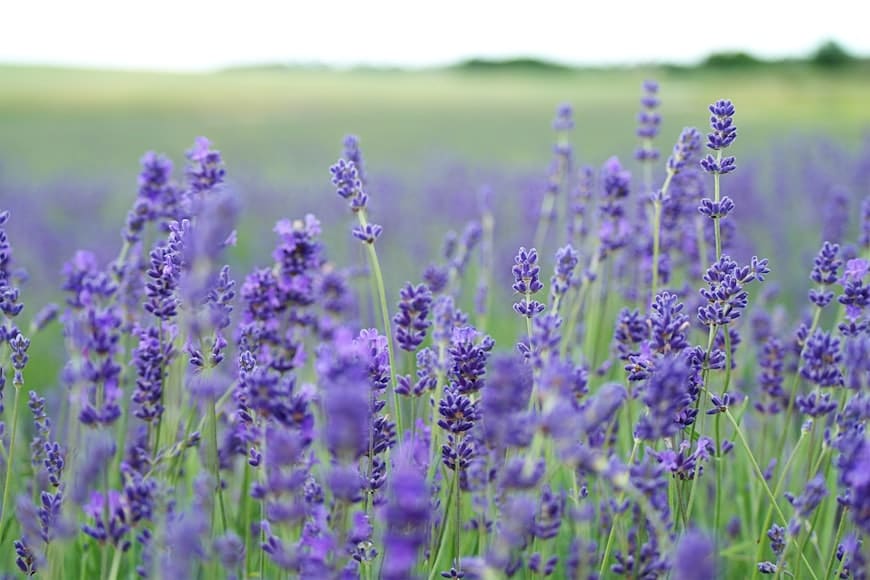 Lavender (Lavandula angustifolia)
Lavender (Lavandula officinalis, also known as L. angustifolia) is a small, perennial shrub that can grow about 3 ft (1 m) high, characterized by its narrow, silver-green leaves and spiked violet-blue flowers. Renowned for its sweet aroma, lavender has a long history in traditional medicine for improving mood and sleep, and NCCIH says it is promoted today for calming anxiety and stress. NCCIH says studies suggest an oral lavender oil product might help anxiety, but more high-quality research is needed to reach reliable conclusions.
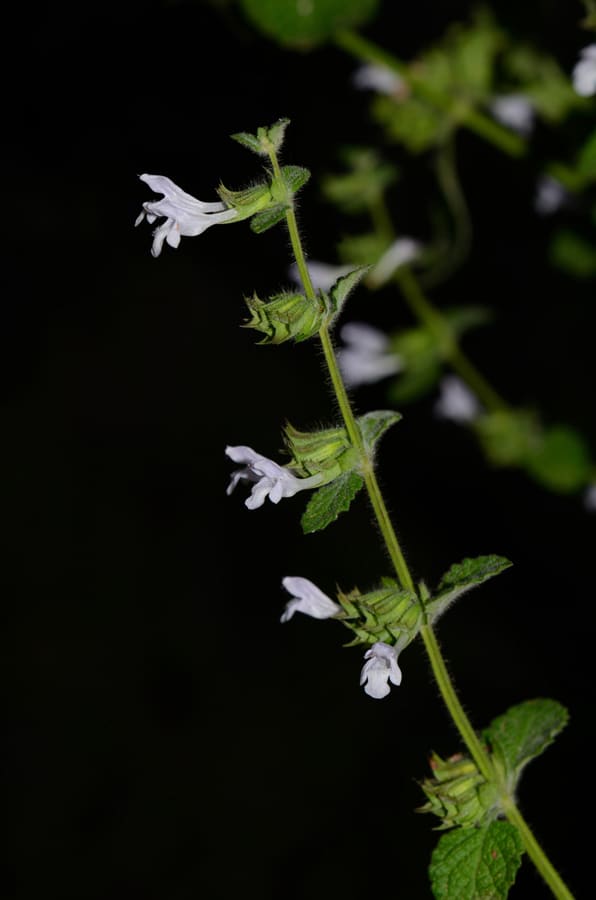 Lemon Balm (Melissa officinalis)
Lemon balm (Melissa officinalis) is a sweetly scented, perennial herb growing up to about 5 ft (1.5 m), with small white flowers and toothed leaves that release a distinct lemon aroma.