
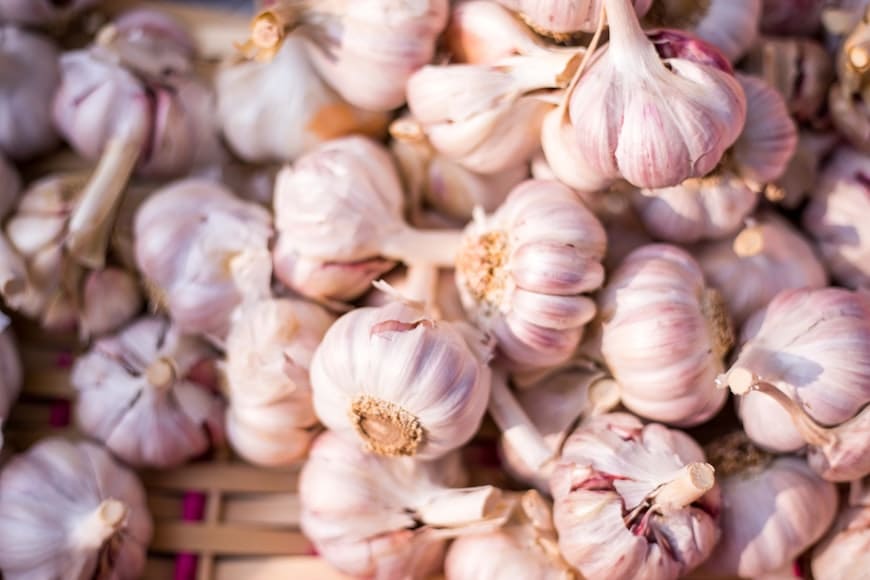
Garlic (Allium sativum)
Photo: Unsplash
- Circulatory
- 8 conditions
- Licensed photo
Overview
Garlic (Allium sativum) is a bulbous perennial in the onion family, recognized for its sharp flavor and characteristic odor. It is widely used in cooking, and crushed fresh garlic contains allicin. NCCIH says garlic supplements may lower cholesterol, blood pressure and blood sugar to a small extent, but very little research has tested claims that they boost immunity.
Traditional uses & properties
Respiratory Remedy: Ancient writings describe its use for pneumonia and throat conditions; NCCIH says very little research has tested whether garlic supplements boost the immune system during cold and flu season. Heart & Circulation: Promoted today for high cholesterol and high blood pressure; NCCIH says supplements may lower them only to a small extent. Blood Sugar: Promoted today for diabetes; NCCIH says garlic supplements may reduce blood sugar to a small extent in people with diabetes.
Safety & precautions
Digestive Irritation: Can provoke gastric upset; take with meals if sensitive. Blood-Thinning: Consult a healthcare professional if you use blood-thinning medication or have a bleeding disorder. Emaciation/Weakness: Not advised for those who are severely debilitated. Children: Seek professional advice before giving medicinal amounts to children. Skin: NCCIH warns that fresh raw garlic used on the skin can cause severe irritation and chemical burns. Pregnancy: NCCIH says garlic taken by mouth in more than food amounts may not be safe during pregnancy or breastfeeding.
Educational reference only - not medical advice. Herbs can interact with medications. Consult a qualified healthcare provider before use. Full disclaimer.
Drug interactions
Garlic supplements may raise bleeding risk, which drives most of the interaction concern. [1, 2]
- Blood thinners, aspirin and surgery
- NCCIH says garlic supplements may increase bleeding and asks you to tell your providers, especially before surgery or if you take anticoagulants or aspirin. ODS describes the case-report evidence for a warfarin interaction as inconclusive, and a 2017 review of trials found no significant effect of garlic on warfarin measures. [1, 3, 4]
- HIV protease inhibitors
- MSK describes lower saquinavir levels in healthy volunteers and two HIV patients whose darunavir levels fell too low, recovering after garlic was stopped. [2]
- Blood pressure medicines
- ODS notes that garlic might lower blood pressure and so might interact with these drugs. [3]
- Insulin
- MSK says insulin doses may need adjusting because of blood-sugar-lowering effects seen in animals. [2]
- Cyclosporine
- MSK warns that garlic can make cyclosporine less effective. [2]
- Medicines broken down by liver enzymes or moved by P glycoprotein
- MSK reports laboratory evidence of CYP2C9 and CYP2C19 inhibition, mixed CYP3A4 data, and P-glycoprotein induction in healthy volunteers. [2]
How to read this section: each entry is HerbMate's summary of what the cited sources report. Words such as "may", "theoretical" or "in laboratory or animal studies" mean the effect has not been confirmed in people, and "case report" means it was seen in one or a few patients. A medicine that is not listed here has not been shown to be safe with this herb. The numbers in brackets link to the sources at the foot of the page.
Habitat
Probably originating in central Asia, garlic is cultivated worldwide. It is typically propagated by dividing the bulb and planting the individual cloves. Harvest occurs the following summer. Other Allium relatives include onions and wild garlic (ramsons), also used medicinally.
Sources
The interaction notes and the statements on this page that name a source were written by HerbMate from these references, which were last checked in October 2026. They are summaries, not medical advice; ask a pharmacist about your own medicines.
- NCCIH (NIH): Garlic
- Memorial Sloan Kettering, About Herbs: Garlic
- NIH Office of Dietary Supplements: Dietary Supplements for Immune Function and Infectious Diseases
- Choi S, et al. A systematic review of the pharmacokinetic and pharmacodynamic interactions of herbal medicine with warfarin. PLoS One, 2017 (PubMed 28797065)
Traditionally used for
- Cholesterol regulation6 herbs · 2 free
- High Blood Pressure11 herbs · 2 free
- Stroke2 herbs
- Ear Infection4 herbs · 2 free
- Bronchitis17 herbs · 2 free
- Sinus infection8 herbs · 2 free
- Tonsillitis3 herbs · 2 free
- Stenosis3 herbs · 2 free
Each condition shows its first 2 remedies free. Premium opens the full remedy list for every condition - or come back for the free Condition of the Day.
Frequently asked questions
What is Garlic (Allium sativum) traditionally used for?
Traditional sources describe Garlic (Allium sativum) as follows: Respiratory Remedy: Ancient writings describe its use for pneumonia and throat conditions; NCCIH says very little research has tested whether garlic supplements boost the immune system during cold and flu season. Heart & Circulation: Promoted today for high cholesterol and high blood pressure; NCCIH says supplements may lower them only to a small extent. Blood Sugar: Promoted today for diabetes; NCCIH says garlic supplements may reduce blood sugar to a small extent in people with diabetes.
What safety cautions apply to Garlic (Allium sativum)?
Digestive Irritation: Can provoke gastric upset; take with meals if sensitive. Blood-Thinning: Consult a healthcare professional if you use blood-thinning medication or have a bleeding disorder. Emaciation/Weakness: Not advised for those who are severely debilitated. Children: Seek professional advice before giving medicinal amounts to children. Skin: NCCIH warns that fresh raw garlic used on the skin can cause severe irritation and chemical burns. Pregnancy: NCCIH says garlic taken by mouth in more than food amounts may not be safe during pregnancy or breastfeeding.
Related herbs
- Triphala (Terminalia chebula blend)
Triphala is not a single herb but a traditional Ayurvedic blend of three fruits: haritaki (Terminalia chebula), bibhitaki (Terminalia bellirica), and amalaki or Indian gooseberry (Emblica officinalis). Haritaki is described in Ayurveda as having five flavors (bitter, sour, astringent, salty, and sweet). Bibhitaki is described as pungent and warming. Amalaki is also described as having five flavors (sour, astringent, sweet, pungent, and bitter) and contains small amounts of anthraquinones.
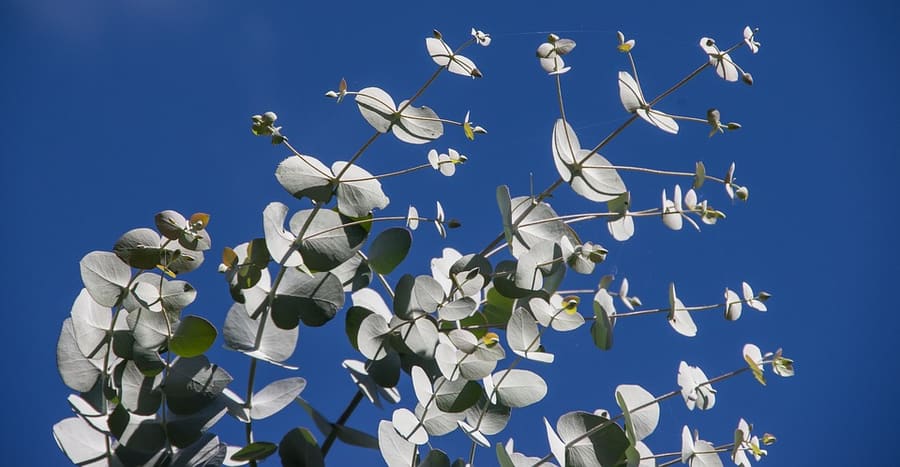 Eucalyptus (Eucalyptus globulus)
For many people the scent of eucalyptus conjures up days spent in bed during childhood with eucalyptus and other oils smothered on the chest. Eucalyptus is a common ingredient in many over-the-counter cold remedies.
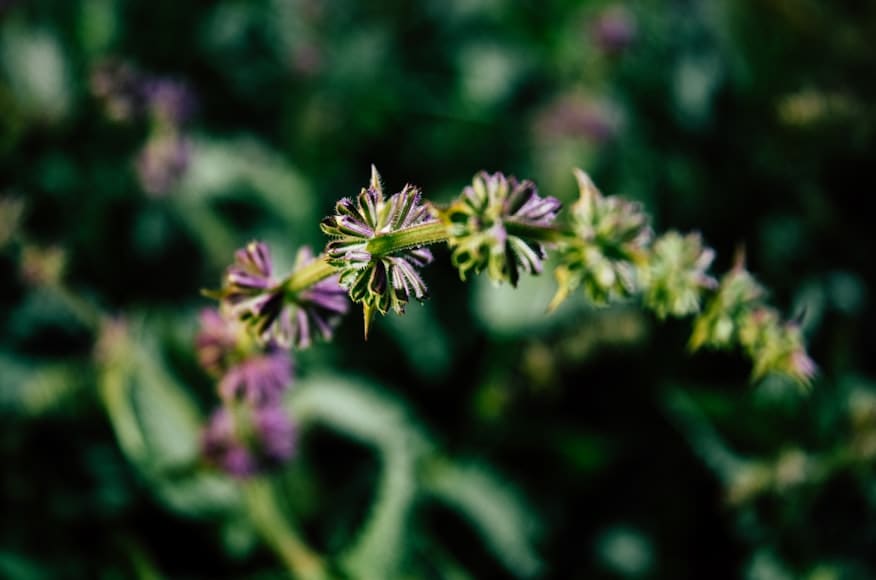 Gentian (Gentiana lutea)
Gentian (Gentiana lutea) is a robust, upright perennial growing to about 4 ft (1.2 m), with bright yellow, star-shaped flowers and oval leaves. Known for its exceptionally bitter constituents (particularly gentiopicroside and amarogentin), gentian has long been a key ingredient in aperitifs and digestifs.
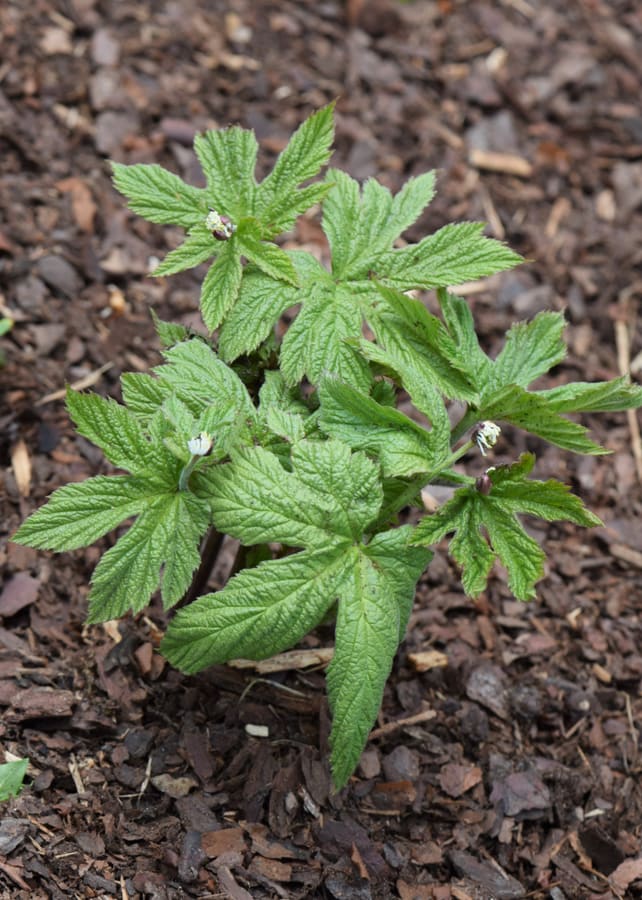 Goldenseal (Hydrastis canadensis)
Goldenseal (Hydrastis canadensis) is a low-growing North American perennial, recognized by its thick yellow root and a short erect stem up to about 1 ft (30 cm). Native Americans historically used goldenseal for digestive disorders, wounds, skin and eye conditions, and cancer, and NCCIH says it is promoted today for colds and other upper respiratory infections, hay fever, diarrhea and constipation. NCCIH says there is not enough evidence to know whether goldenseal helps any health condition.
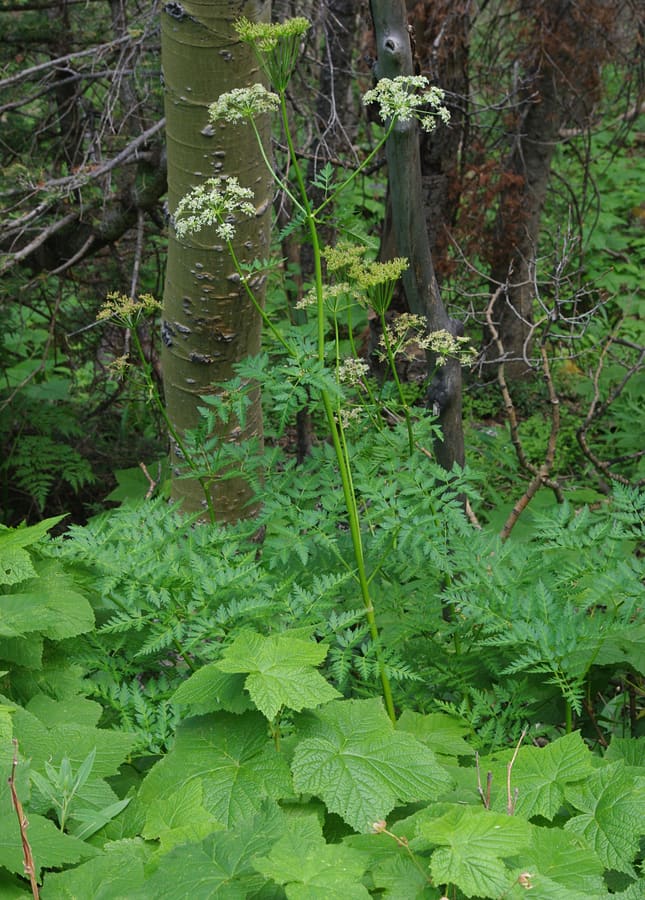 Osha (Ligusticum porteri)
Osha has been overharvested in the wild and is extremely difficult to cultivate. It is listed on the United Plant Savers at-risk list. Until wild populations stabilize, its use should be limited.
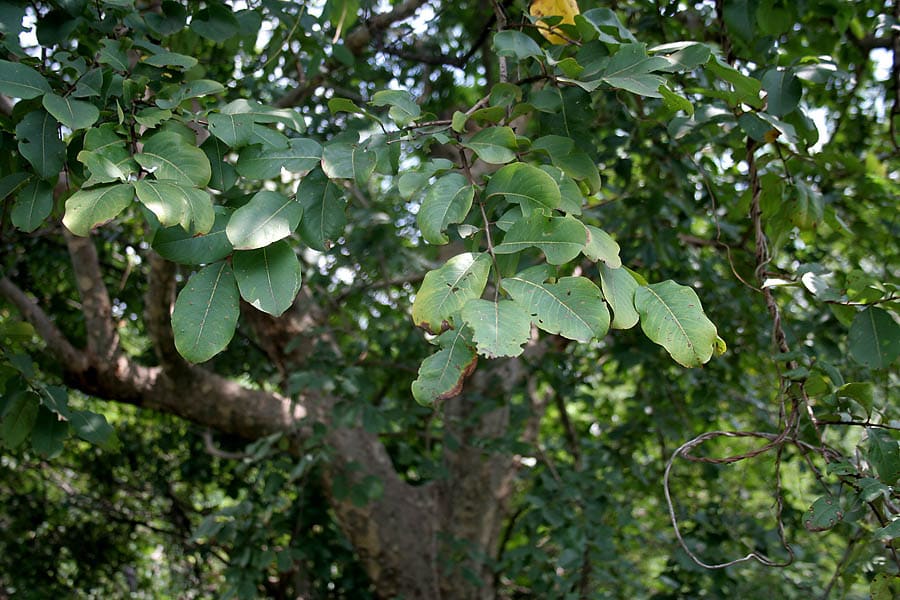 Arjun (Terminalia arjuna)
Arjun is an evergreen tree that can grow up to about 100 ft (30 m) high, bearing pale yellow flowers and cone-shaped leaves.
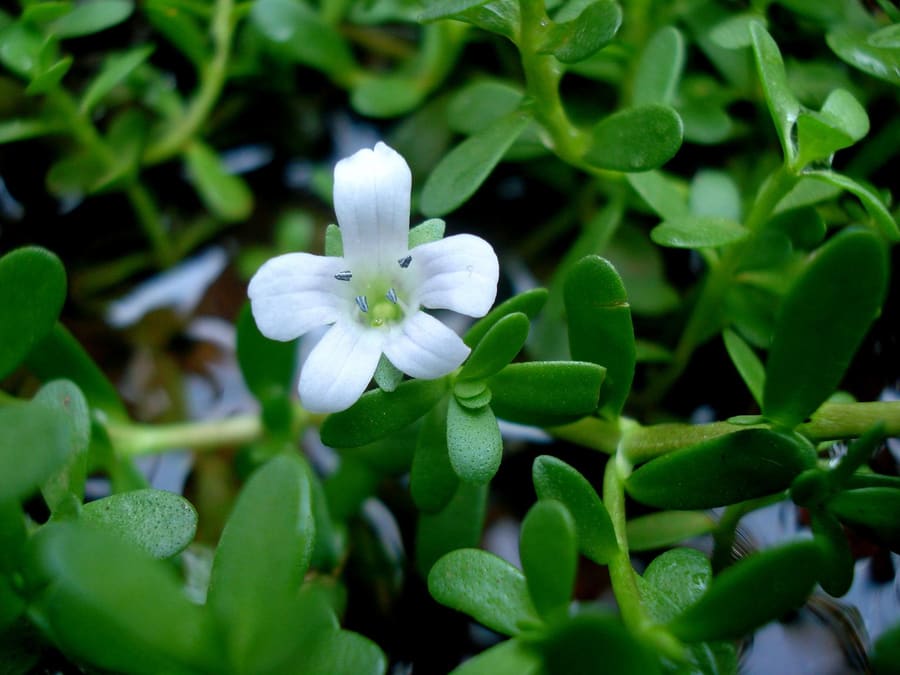 Bacopa (Bacopa monnieri)
Bacopa, also known as Water Hyssop or Brahmi, is a creeping succulent perennial that can grow to about 20 inches. It features spatula-shaped fleshy leaves and pale blue or white flowers on slender stalks. It thrives in marshlands and along the edges of mangrove swamps in warmer temperate and tropical climates, especially southern Asia, where it forms dense mats on mudflats.
 Caraway (Carum carvi)
Caraway is an aromatic annual herb growing to 2 feet with a ridged stem, feathery leaves, and umbels of white flowers in midsummer. Exploding capsules release two small narrow seeds. It grows wild in Europe, North Africa, and Asia, preferring sunny sites up to 6,600 feet above sea level. Cultivated in Europe, Russia, North Africa, and the United States, the seeds are harvested ripe in late summer. The seeds are commonly used in cooking.