
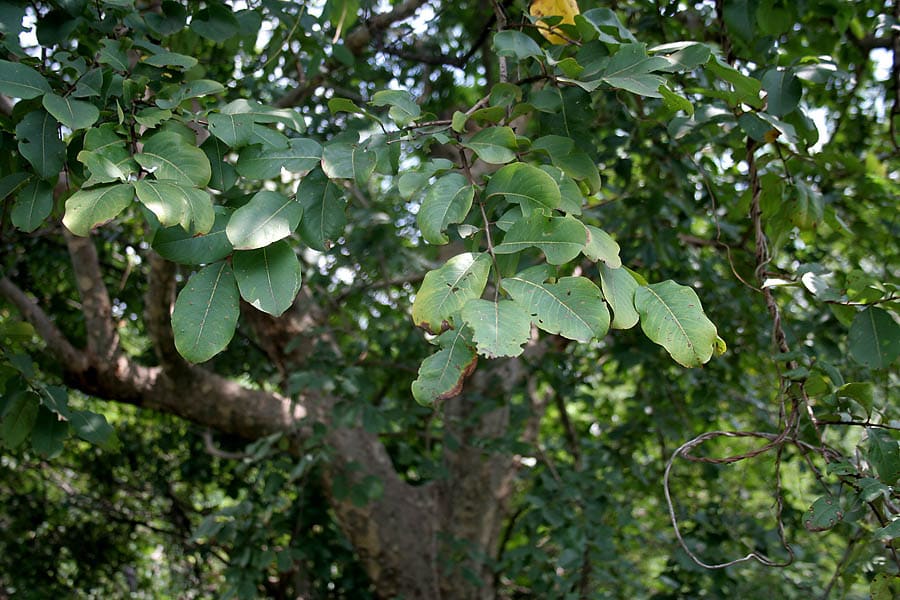
Arjun (Terminalia arjuna)
Photo: J.M.Garg · CC BY 3.0
- Circulatory
- 2 conditions
- Licensed photo
Overview
Arjun is an evergreen tree that can grow up to about 100 ft (30 m) high, bearing pale yellow flowers and cone-shaped leaves.
Safety & precautions
Not recommended during pregnancy unless supervised by a qualified healthcare professional. Owing to conflicting research on how it affects blood pressure and heart rate, it should be taken only with professional guidance.
Educational reference only - not medical advice. Herbs can interact with medications. Consult a qualified healthcare provider before use. Full disclaimer.
Drug interactions
Interaction data is not available for this herb - talk to a pharmacist before combining it with any medication. A blank entry here means we have not documented interactions, not that none exist.
Habitat
Found across much of the Indian subcontinent, from Sri Lanka to the foothills of the Himalayas, arjun thrives in damp, marshy areas, often near riverbanks. It is grown from seed, and the bark is harvested in late winter. The bark is then processed into powdered form, decoctions, or tinctures.
Traditionally used for
Each condition shows its first 2 remedies free. Premium opens the full remedy list for every condition - or come back for the free Condition of the Day.
Frequently asked questions
What safety cautions apply to Arjun (Terminalia arjuna)?
Not recommended during pregnancy unless supervised by a qualified healthcare professional. Owing to conflicting research on how it affects blood pressure and heart rate, it should be taken only with professional guidance.
Related herbs
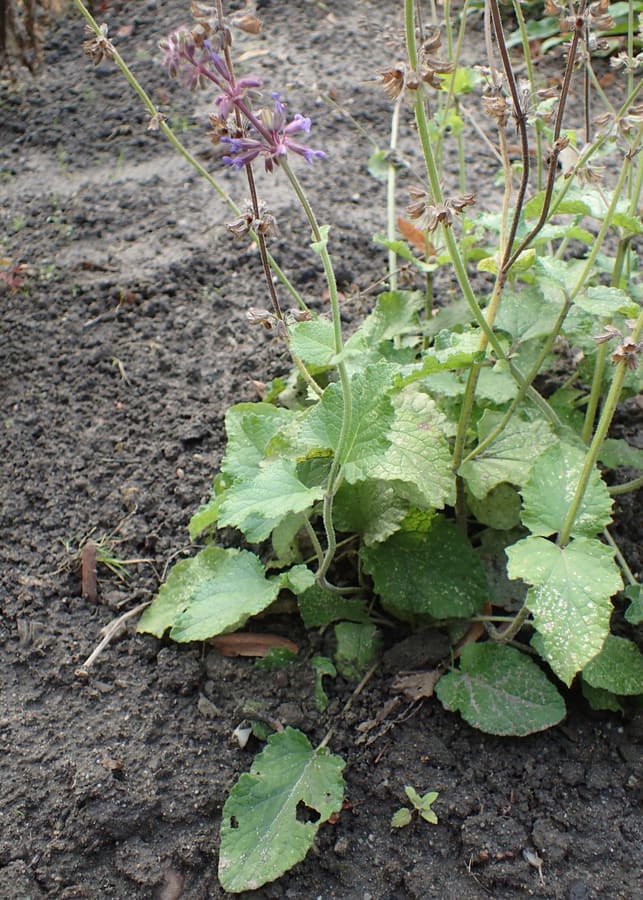 Dan Shen (Salvia miltiorrhiza)
Dan shen (Salvia miltiorrhiza) is a hardy perennial sage with purple flower clusters, growing up to 32 in (80 cm).
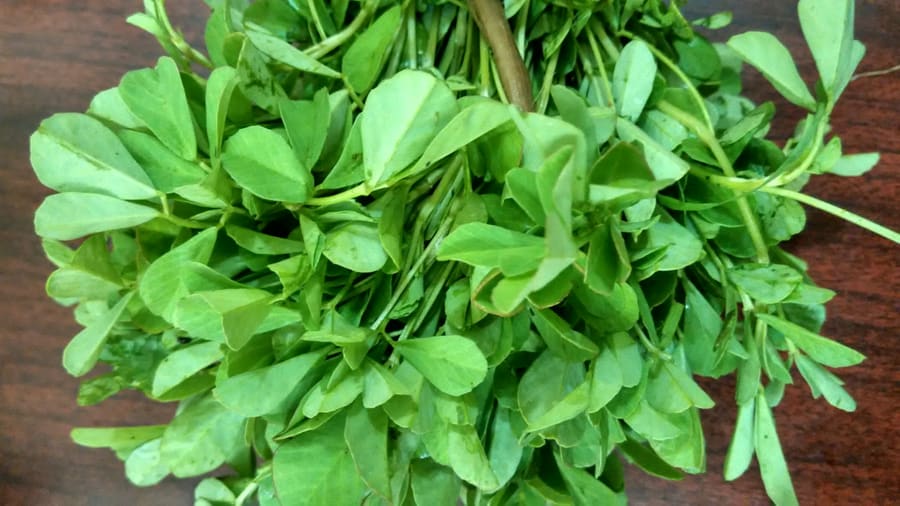 Fenugreek (Trigonella foenum-graecum)
Fenugreek is much used in herbal medicine in North Africa, the Middle East, and India. Its seeds have been used to increase breast-milk production; NCCIH says studies of this use have had mixed results. Fenugreek is also thought to be antidiabetic, although NCCIH says there is not enough high-quality evidence to know whether it helps diabetes.
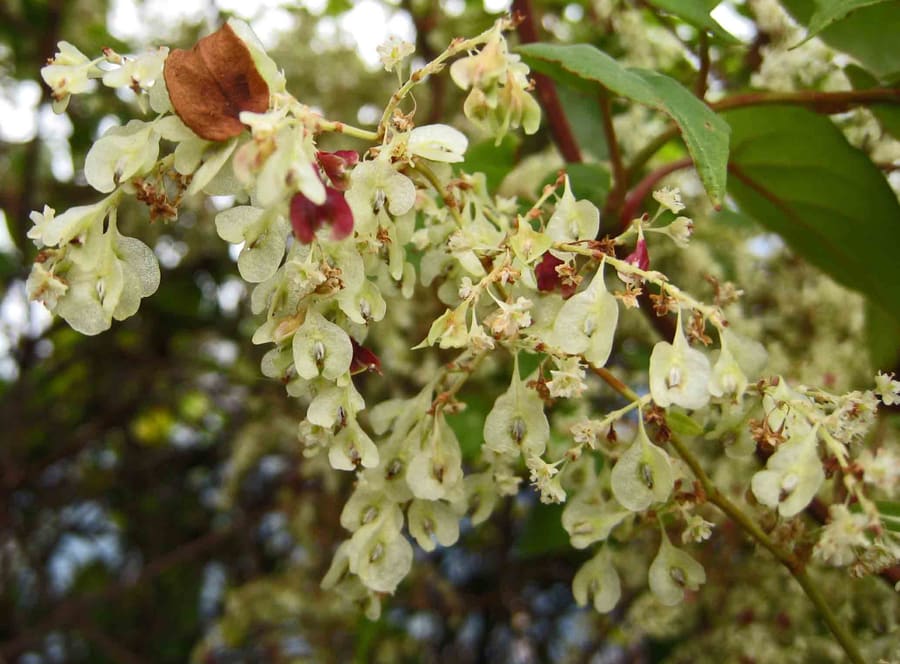 Fo Ti (Polygonum multiflorum)Not for self-dosing
Fo ti (Polygonum multiflorum), also known as he shou wu, is a perennial vine used in Traditional Chinese Medicine (TCM).
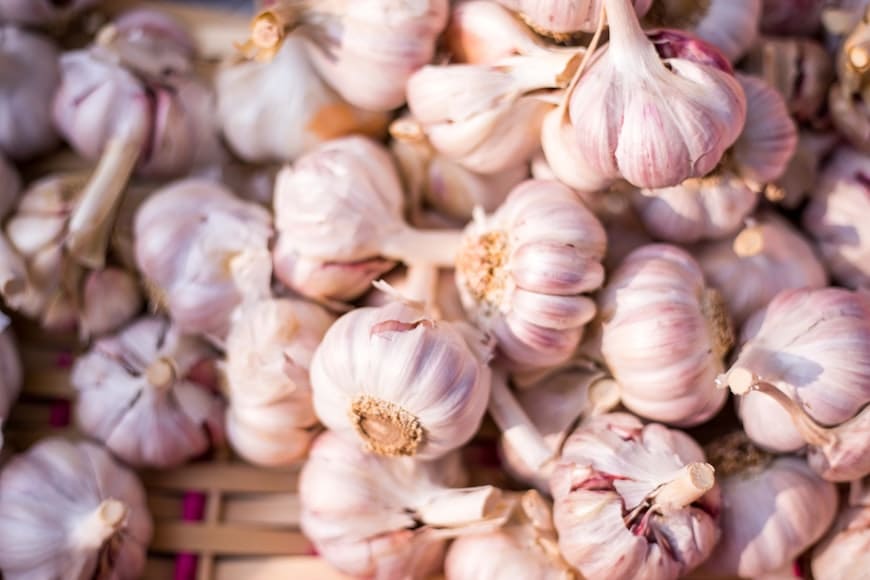 Garlic (Allium sativum)
Garlic (Allium sativum) is a bulbous perennial in the onion family, recognized for its sharp flavor and characteristic odor. It is widely used in cooking, and crushed fresh garlic contains allicin. NCCIH says garlic supplements may lower cholesterol, blood pressure and blood sugar to a small extent, but very little research has tested claims that they boost immunity.
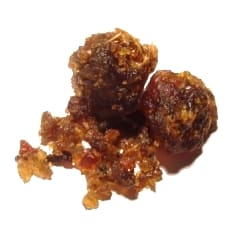 Guggul (Commiphora mukul)
Guggul is a spiny shrub or tree growing to 6.5 feet with oval, serrated leaves, brownish-red flowers, and red fruits. The gum resin obtained from the bark forms pale yellow to brown 'tears' on the stems. Thriving in dry, semi-arid, and desert environments across much of the Indian subcontinent and the Middle East, it has been valued in Ayurvedic medicine for millennia. Guggul has been used in Ayurvedic medicine for centuries, and it has been studied for raised blood cholesterol; MSK says evidence is lacking for weight loss, studies on cholesterol are mixed, and one study suggests it may raise cholesterol.
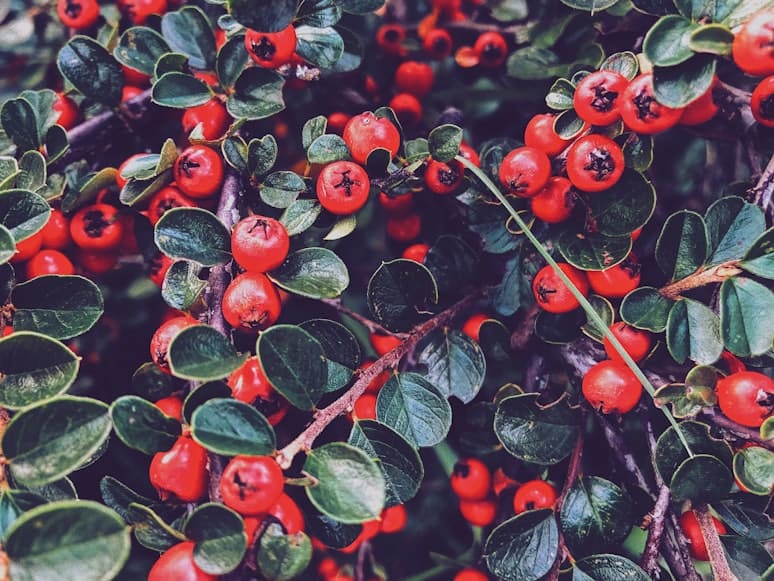 Hawthorn (Crataegus oxyacantha)
Hawthorn (Crataegus spp.) is a deciduous, thorny tree reaching up to about 26 ft (8 m), adorned with small lobed leaves, clusters of white blossoms, and bright red berries. Hawthorn has a long history in European medicine as a heart tonic and was traditionally used for heart disease, digestion and blood circulation. NCCIH says there is little or no quality evidence on hawthorn for most conditions, and conflicting evidence in heart failure.
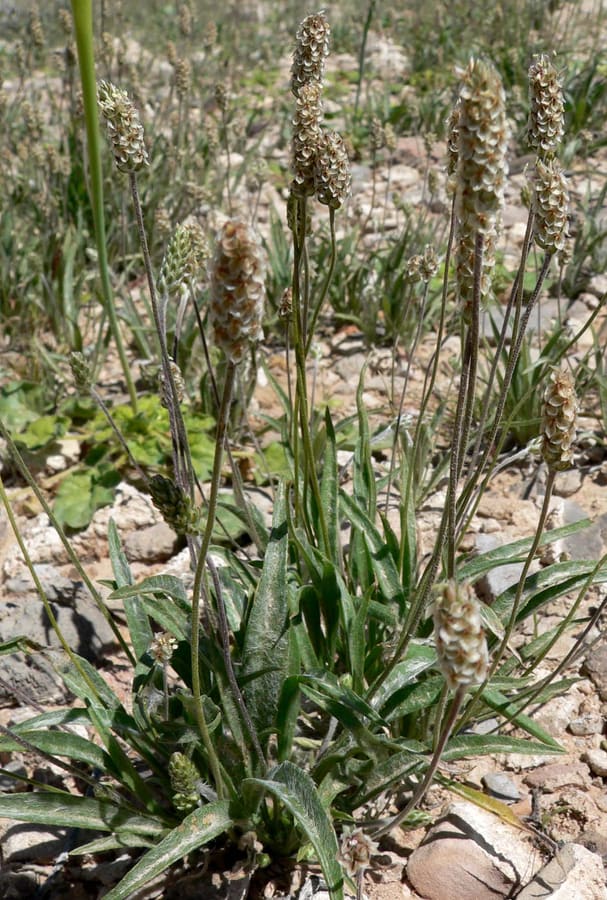 Psyllium (Plantago ovata)
Psyllium, also known as flea seed due to its small brown appearance, is produced by several Plantago species. It has long been used as a laxative, and MedlinePlus lists it as a bulk-forming laxative used to treat constipation. The seeds and husks have a bland taste and develop a jellylike consistency when moistened due to their high mucilage content. The plants are extensively cultivated, especially in India, and propagated from seed in spring. Seeds are harvested when ripe in late summer and early autumn.
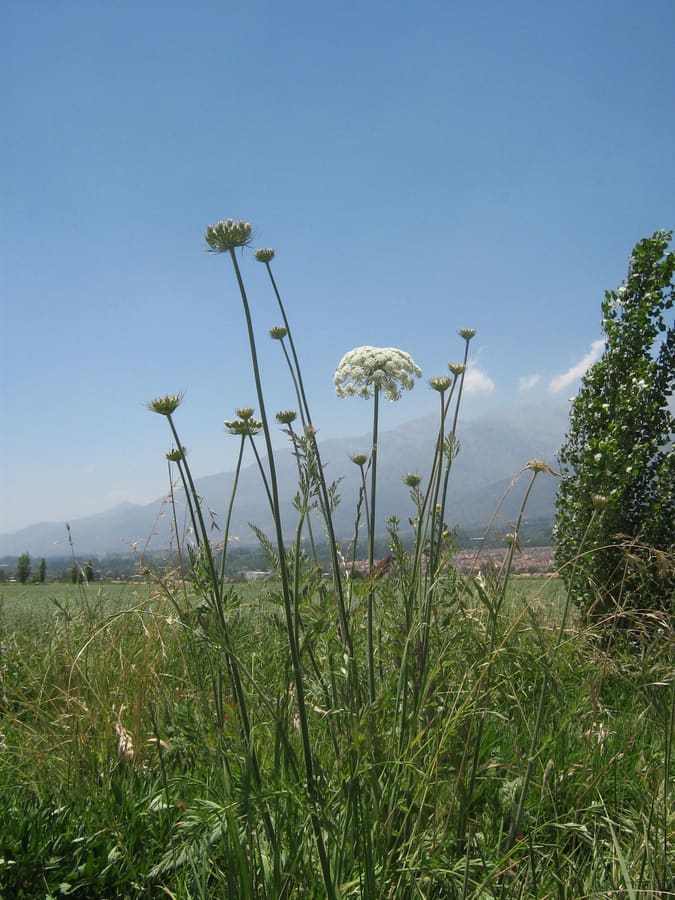 Visnaga (Ammi visnaga)
Visnaga (Ammi visnaga) is an erect annual growing up to about 3 ft (1 m) in height, with finely divided, feathery leaves and umbels of tiny white flowers. Its seeds contain the compounds khellin and visnagin.