
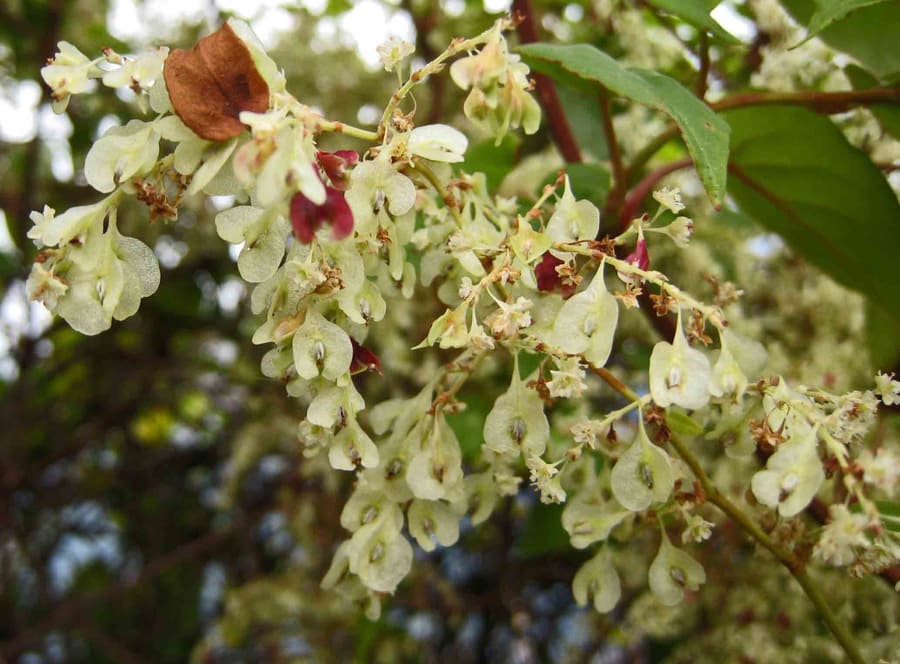
Fo Ti (Polygonum multiflorum)
Photo: 阿橋 HQ · CC BY-SA 2.0
- Circulatory
- 4 conditions
- Licensed photo
Overview
Fo ti (Polygonum multiflorum), also known as he shou wu, is a perennial vine used in Traditional Chinese Medicine (TCM).
Amounts reported by sources
Preparation amounts are not shown for this herb. It is toxic, restricted, or otherwise unsafe to self-dose - the margin between a traditional dose and a harmful one is too small to publish as reference material. If you are considering it, that conversation belongs with a doctor or a qualified practitioner, not a website.
Safety & precautions
Liver injury: LiverTox calls fo ti (Polygonum multiflorum, he shou wu) a well-established cause of acute liver injury and notes that in China it is reported as the leading cause of herb-related liver injury. Symptoms have started anywhere from a few days to about six months after starting, and up to one in ten clinically apparent cases has been fatal or needed an urgent liver transplant. Injury often returns quickly if the herb is restarted. Do not use fo ti if you have liver disease, and stop it and seek care if you develop fatigue, nausea, dark urine or yellowing skin or eyes. Digestive Weakness & Diarrhea: Fo ti is not recommended for those with poor digestion, diarrhea, or heavy mucus congestion.
Educational reference only - not medical advice. Herbs can interact with medications. Consult a qualified healthcare provider before use. Full disclaimer.
Drug interactions
Interaction data is not available for this herb - talk to a pharmacist before combining it with any medication. A blank entry here means we have not documented interactions, not that none exist.
Habitat
Native to central and southern China, fo ti is widely cultivated in that region. It is propagated from seeds, cuttings, or root divisions in spring. The root is harvested in autumn from plants that are typically 3-4 years old, although larger, older roots are considered the most potent.
Sources
The interaction notes and the statements on this page that name a source were written by HerbMate from these references, which were last checked in October 2026. They are summaries, not medical advice; ask a pharmacist about your own medicines.
Traditionally used for
- Cholesterol regulation6 herbs · 2 free
- Aging3 herbs · 2 free
- Malaria3 herbs · 2 free
- Blurred Vision3 herbs · 2 free
Each condition shows its first 2 remedies free. Premium opens the full remedy list for every condition - or come back for the free Condition of the Day.
Frequently asked questions
How is Fo Ti (Polygonum multiflorum) prepared?
Preparation amounts are not shown for this herb. It is toxic, restricted, or otherwise unsafe to self-dose - the margin between a traditional dose and a harmful one is too small to publish as reference material. If you are considering it, that conversation belongs with a doctor or a qualified practitioner, not a website.
What safety cautions apply to Fo Ti (Polygonum multiflorum)?
Liver injury: LiverTox calls fo ti (Polygonum multiflorum, he shou wu) a well-established cause of acute liver injury and notes that in China it is reported as the leading cause of herb-related liver injury. Symptoms have started anywhere from a few days to about six months after starting, and up to one in ten clinically apparent cases has been fatal or needed an urgent liver transplant. Injury often returns quickly if the herb is restarted. Do not use fo ti if you have liver disease, and stop it and seek care if you develop fatigue, nausea, dark urine or yellowing skin or eyes. Digestive Weakness & Diarrhea: Fo ti is not recommended for those with poor digestion, diarrhea, or heavy mucus congestion.
Related herbs
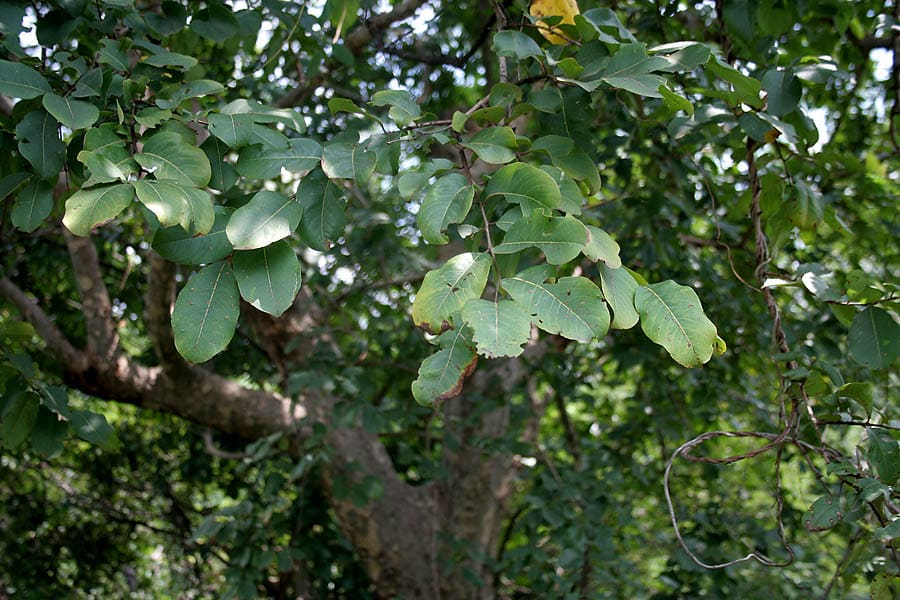 Arjun (Terminalia arjuna)
Arjun is an evergreen tree that can grow up to about 100 ft (30 m) high, bearing pale yellow flowers and cone-shaped leaves.
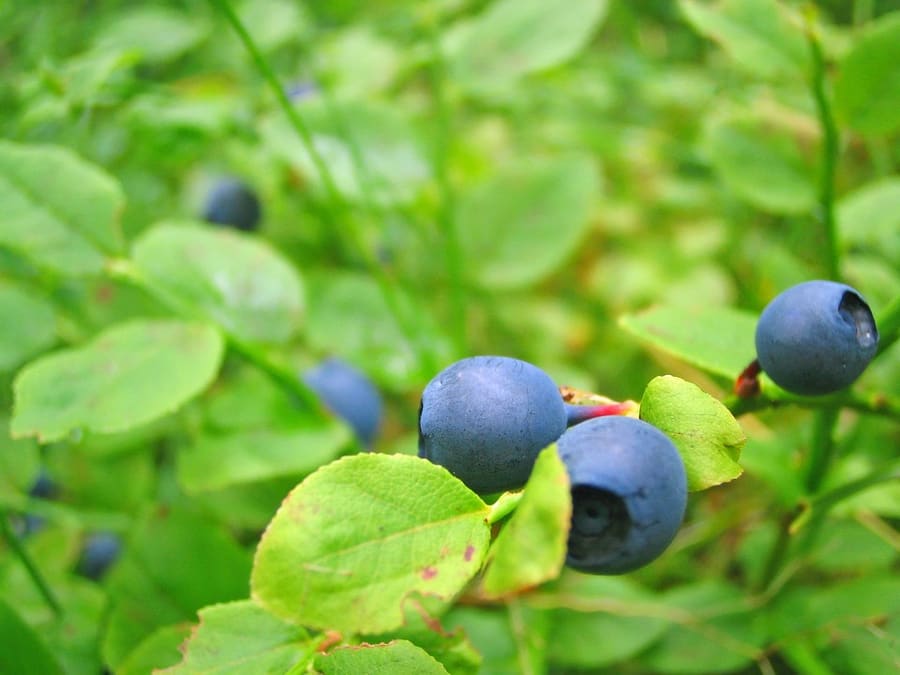 Bilberry (Vaccinium myrtillus)
 has traditionally been used for conditions related to vision, and NCCIH says its anthocyanins and other substances may be of interest for further research. NCCIH says bilberry has not been clearly shown to help any health condition, and the most rigorous studies did not find that it improved night vision in healthy people. It is closely related to the blueberry.
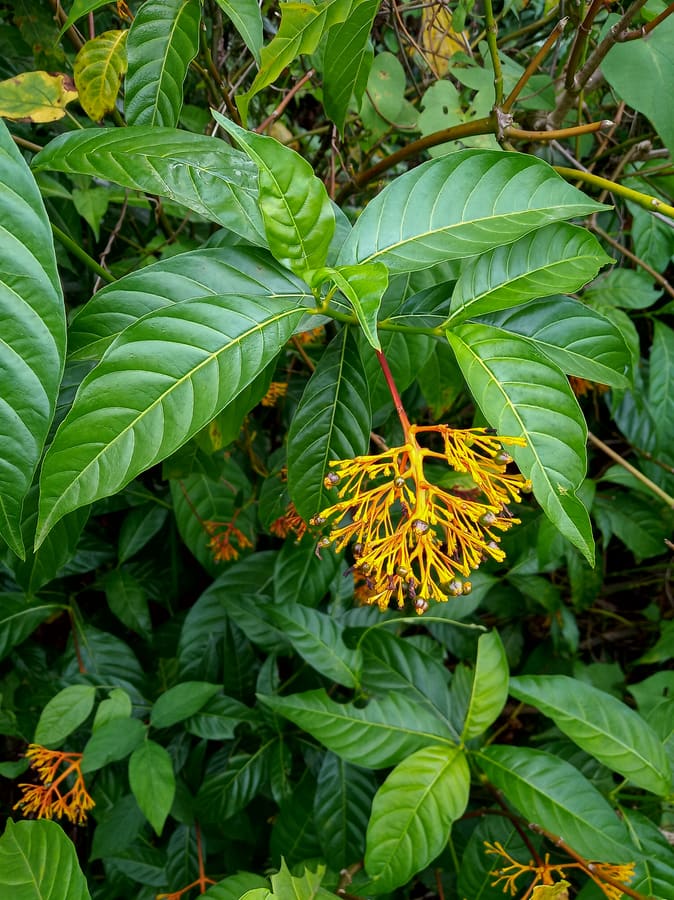 Cinchona (Rubiaceae)Not for self-dosing
Cinchona is an evergreen tree, growing to about 80 ft (25 m). It has reddish bark and large leaves that can reach 20 in (50 cm). It is historically famous as the source of quinine, and it also contains other alkaloids, including quinidine. The bark is bitter and astringent.
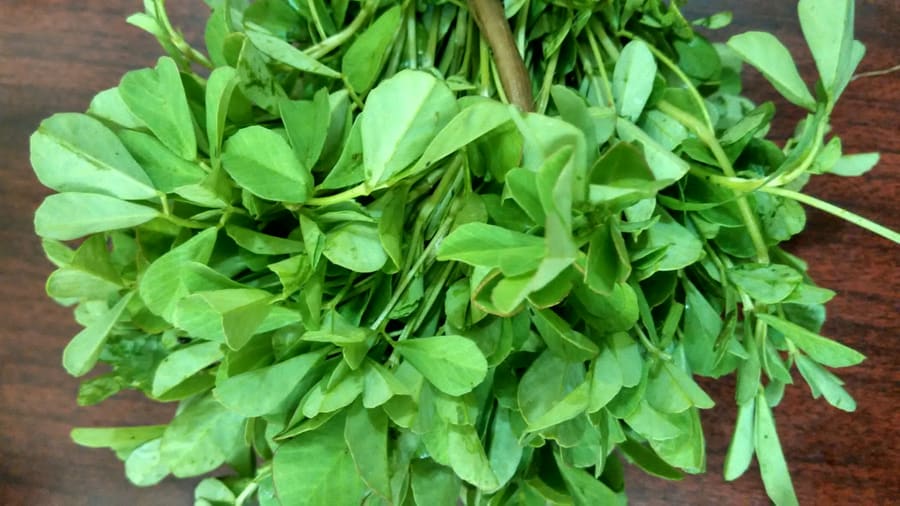 Fenugreek (Trigonella foenum-graecum)
Fenugreek is much used in herbal medicine in North Africa, the Middle East, and India. Its seeds have been used to increase breast-milk production; NCCIH says studies of this use have had mixed results. Fenugreek is also thought to be antidiabetic, although NCCIH says there is not enough high-quality evidence to know whether it helps diabetes.
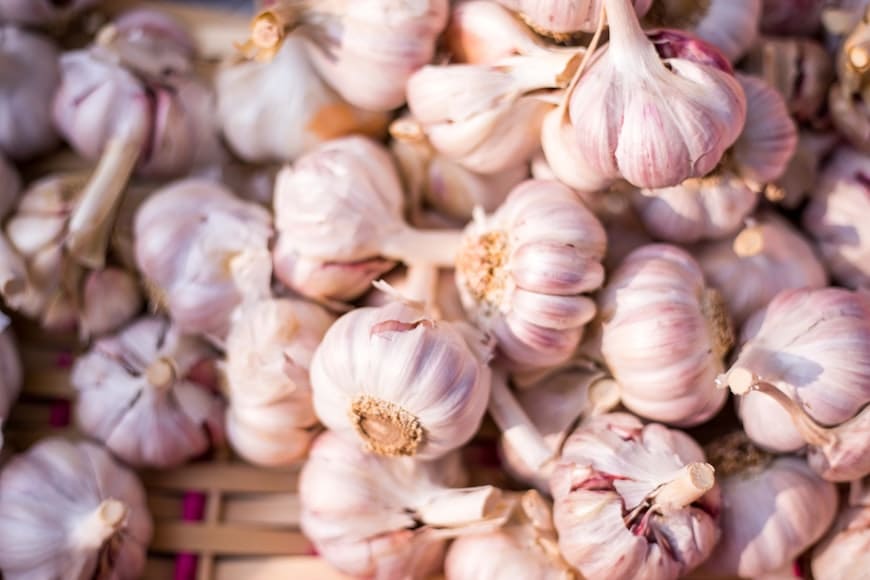 Garlic (Allium sativum)
 is a bulbous perennial in the onion family, recognized for its sharp flavor and characteristic odor. It is widely used in cooking, and crushed fresh garlic contains allicin. NCCIH says garlic supplements may lower cholesterol, blood pressure and blood sugar to a small extent, but very little research has tested claims that they boost immunity.
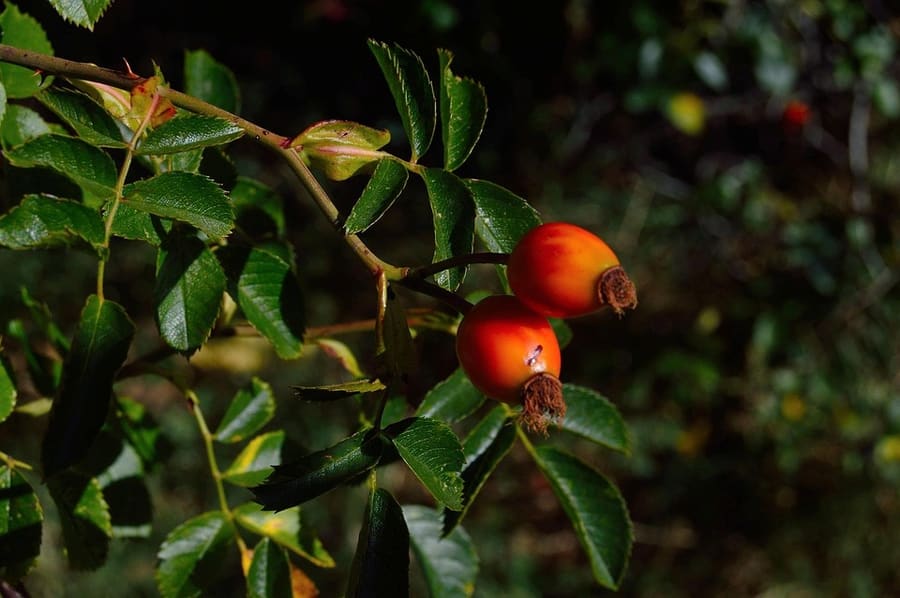 Goji Berry (Lycium chinense)
Goji berry (Lycium barbarum) is a deciduous shrub that can grow up to about 13 ft (4 m), bearing bright green leaves and vivid scarlet berries. Goji berries have been used in Traditional Chinese Medicine, with references stretching back to the 1st century CE. The berries are rich in vitamins, polysaccharides, and carotenoids.
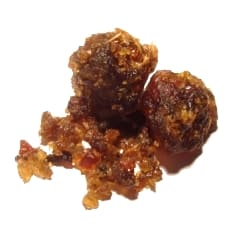 Guggul (Commiphora mukul)
Guggul is a spiny shrub or tree growing to 6.5 feet with oval, serrated leaves, brownish-red flowers, and red fruits. The gum resin obtained from the bark forms pale yellow to brown 'tears' on the stems. Thriving in dry, semi-arid, and desert environments across much of the Indian subcontinent and the Middle East, it has been valued in Ayurvedic medicine for millennia. Guggul has been used in Ayurvedic medicine for centuries, and it has been studied for raised blood cholesterol; MSK says evidence is lacking for weight loss, studies on cholesterol are mixed, and one study suggests it may raise cholesterol.
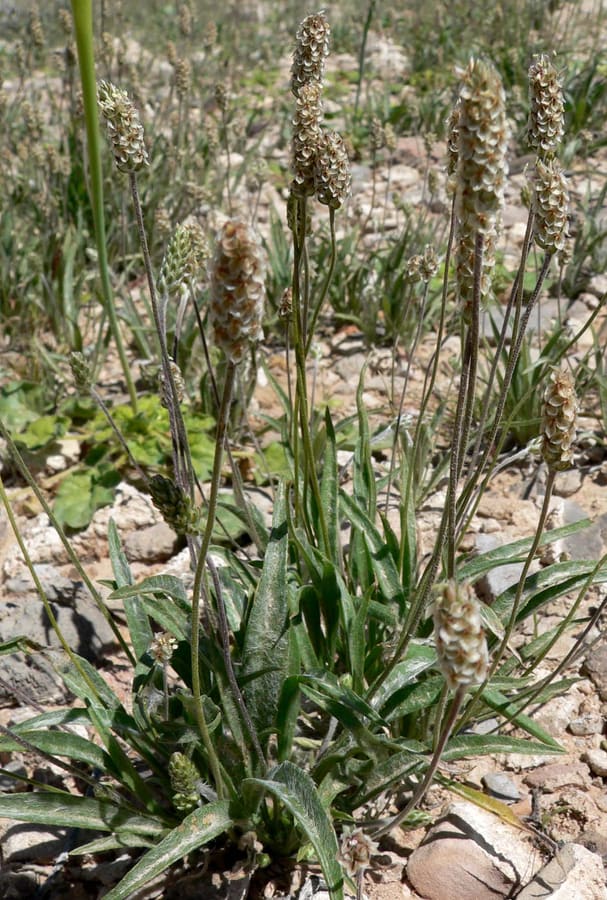 Psyllium (Plantago ovata)
Psyllium, also known as flea seed due to its small brown appearance, is produced by several Plantago species. It has long been used as a laxative, and MedlinePlus lists it as a bulk-forming laxative used to treat constipation. The seeds and husks have a bland taste and develop a jellylike consistency when moistened due to their high mucilage content. The plants are extensively cultivated, especially in India, and propagated from seed in spring. Seeds are harvested when ripe in late summer and early autumn.