
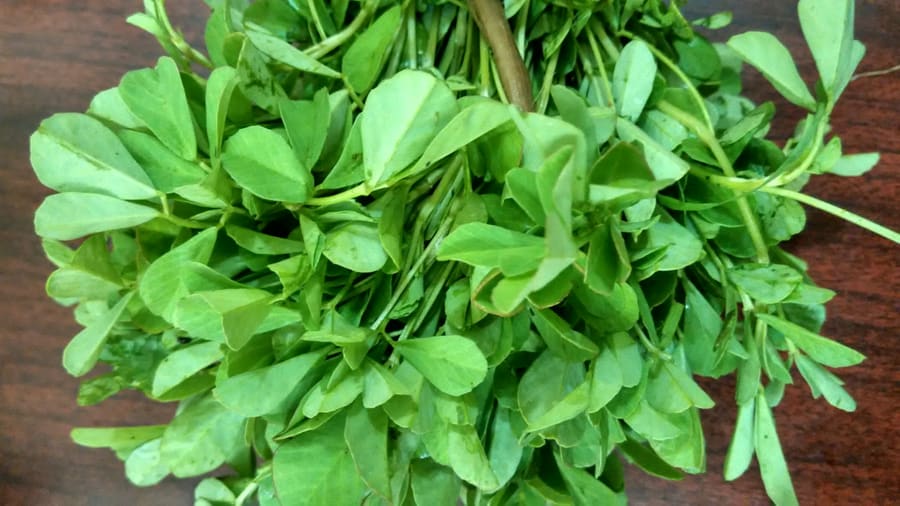
Fenugreek (Trigonella foenum-graecum)
Photo: Thamizhpparithi Maari · CC BY-SA 4.0
- Circulatory
- 4 conditions
- Licensed photo
Overview
Fenugreek is much used in herbal medicine in North Africa, the Middle East, and India. Its seeds have been used to increase breast-milk production; NCCIH says studies of this use have had mixed results. Fenugreek is also thought to be antidiabetic, although NCCIH says there is not enough high-quality evidence to know whether it helps diabetes.
Traditional uses & properties
Traditionally used to stimulate milk production during breastfeeding and promoted today for diabetes; NCCIH says there is not enough high-quality evidence to know whether it helps diabetes, and studies on milk supply have had mixed results.
Safety & precautions
Not recommended for use during pregnancy: NCCIH says amounts greater than those in food have been linked to birth defects.
Educational reference only - not medical advice. Herbs can interact with medications. Consult a qualified healthcare provider before use. Full disclaimer.
Drug interactions
LiverTox notes that fenugreek's fiber content and its estrogen-like and coumarin-like effects give it potential for interactions, especially at high doses. [1]
- Warfarin and antiplatelet drugs
- MSK cites case reports in which fenugreek may have strengthened warfarin's effect, raising INR. LiverTox flags these drugs as the main concern. [1, 2]
- Diabetes medicines
- NCCIH warns that large doses of fenugreek may drop blood sugar to a harmful level. Ask your clinician before combining it with glucose-lowering treatment. [3]
- SSRI antidepressants
- MSK cites a case report suggesting supplemental fenugreek may have contributed to serotonin syndrome. [2]
- Cyclophosphamide and theophylline
- Animal studies suggest possible interference. Relevance to people is undetermined. [2]
How to read this section: each entry is HerbMate's summary of what the cited sources report. Words such as "may", "theoretical" or "in laboratory or animal studies" mean the effect has not been confirmed in people, and "case report" means it was seen in one or a few patients. A medicine that is not listed here has not been shown to be safe with this herb. The numbers in brackets link to the sources at the foot of the page.
Habitat
Native to North Africa and countries bordering the eastern Mediterranean, fenugreek grows in open areas and is widely cultivated, notably in India. The seeds are collected during the autumn months.
Sources
The interaction notes and the statements on this page that name a source were written by HerbMate from these references, which were last checked in October 2026. They are summaries, not medical advice; ask a pharmacist about your own medicines.
Traditionally used for
- Cholesterol regulation6 herbs · 2 free
- Ulcers15 herbs · 2 free
- Diabetes11 herbs · 2 free
- Fever11 herbs · 2 free
Each condition shows its first 2 remedies free. Premium opens the full remedy list for every condition - or come back for the free Condition of the Day.
Frequently asked questions
What is Fenugreek (Trigonella foenum-graecum) traditionally used for?
Traditional sources describe Fenugreek (Trigonella foenum-graecum) as follows: Traditionally used to stimulate milk production during breastfeeding and promoted today for diabetes; NCCIH says there is not enough high-quality evidence to know whether it helps diabetes, and studies on milk supply have had mixed results.
What safety cautions apply to Fenugreek (Trigonella foenum-graecum)?
Not recommended for use during pregnancy: NCCIH says amounts greater than those in food have been linked to birth defects.
Related herbs
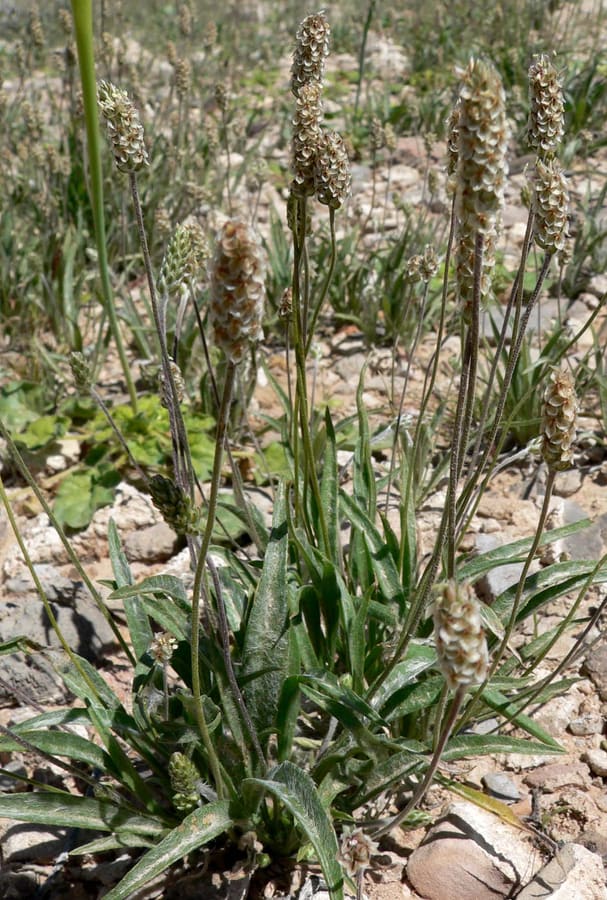 Psyllium (Plantago ovata)
Psyllium, also known as flea seed due to its small brown appearance, is produced by several Plantago species. It has long been used as a laxative, and MedlinePlus lists it as a bulk-forming laxative used to treat constipation. The seeds and husks have a bland taste and develop a jellylike consistency when moistened due to their high mucilage content. The plants are extensively cultivated, especially in India, and propagated from seed in spring. Seeds are harvested when ripe in late summer and early autumn.
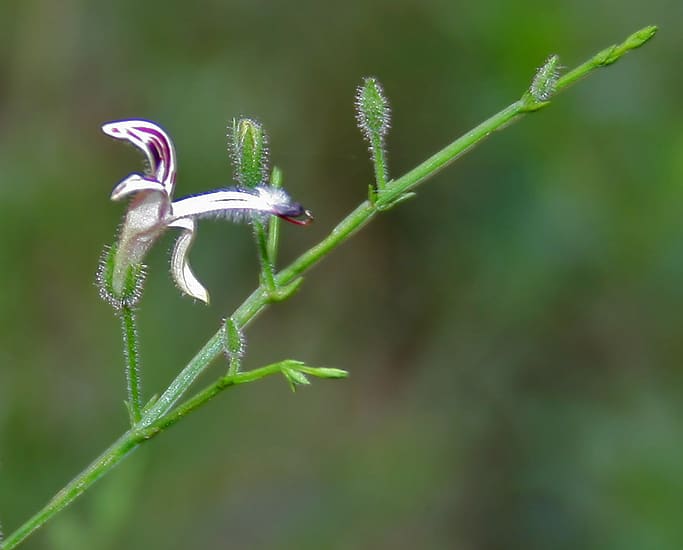 Andrographis (Andrographis paniculata)
Andrographis, commonly known as Green Chiretta or King of Bitters, is an upright annual herb reaching approximately 3 feet in height. Native to India and cultivated throughout northern regions of India and China, this bitter medicinal plant has been valued in Ayurvedic and traditional Chinese medicine for centuries. MSK notes that it has been studied mostly for colds, flu and upper respiratory infections. The plant thrives on plains and in forest undergrowth, where its spotted pale brown or purple flowers and long seed capsules distinguish it from other medicinal herbs.
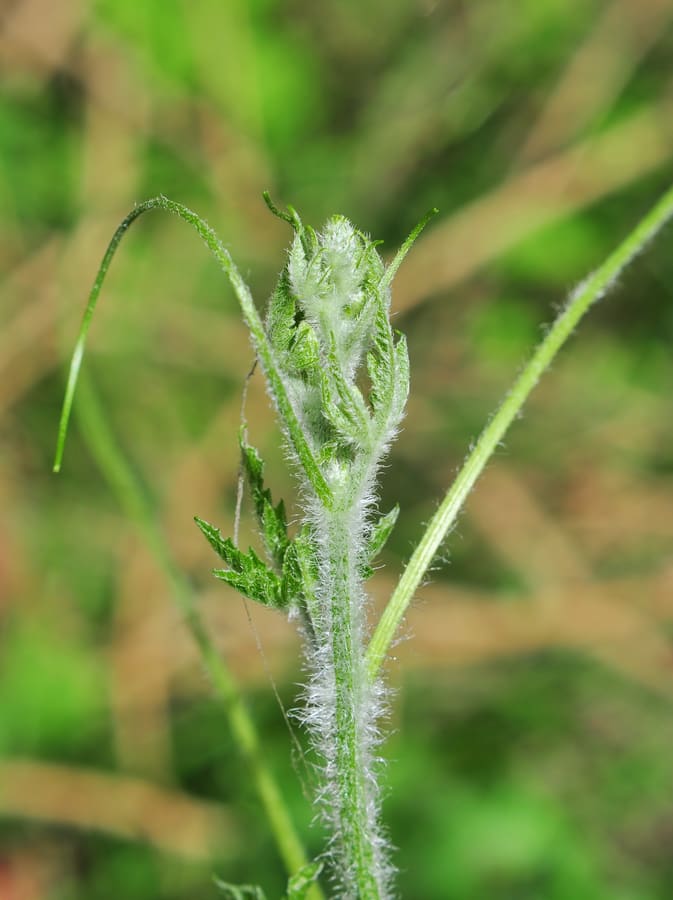 Bitter Melon (Momordica charantia)
Bitter melon is an annual climbing vine reaching about 6.5 feet, characterized by deeply lobed leaves, yellow flowers, and distinctive orange-yellow fruit. Native to southern Asia and now common throughout tropical regions worldwide, it is harvested year-round. Its edible fruit is used both as food and in medicine to treat diabetes in regions including Asia, East Africa and the Caribbean; MSK says data on whether it lowers blood sugar are limited.
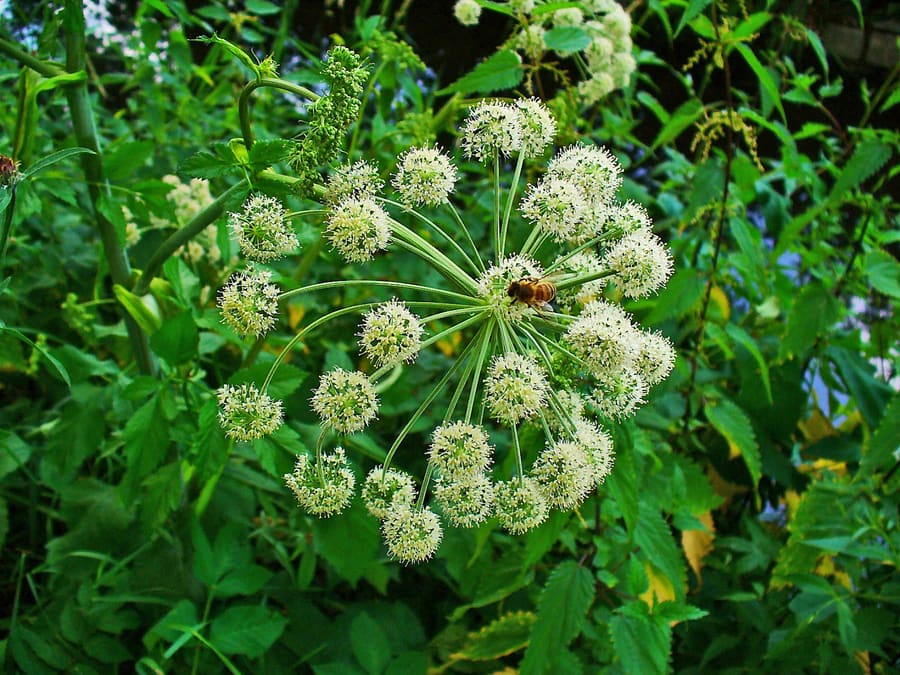 Angelica (angelica archangelica)
Angelica (Angelica archangelica) is a large, aromatic biennial herb growing up to about 6½ ft (2 m), with ridged hollow stems, bright green divided leaves, and greenish-white flowers arranged in umbrella-like clusters (umbels).
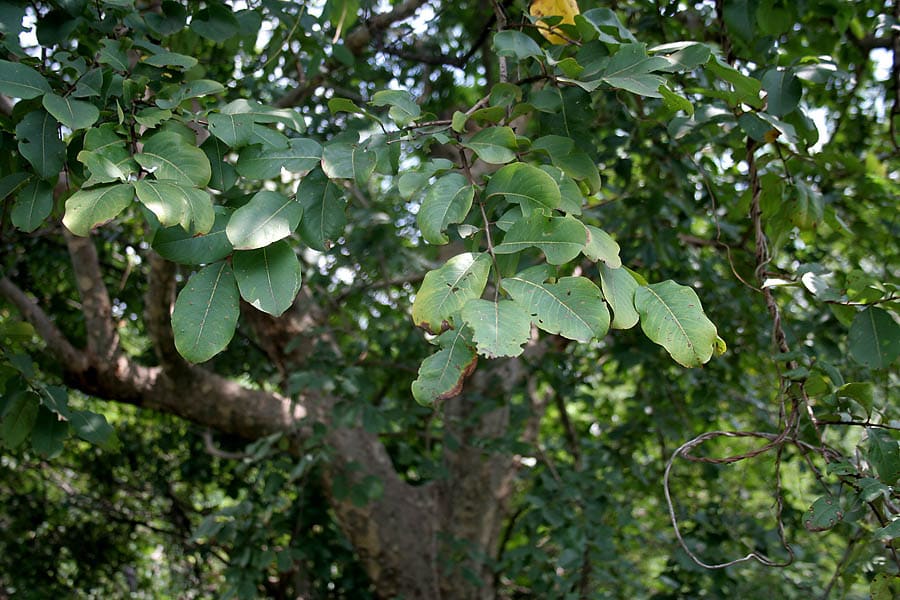 Arjun (Terminalia arjuna)
Arjun is an evergreen tree that can grow up to about 100 ft (30 m) high, bearing pale yellow flowers and cone-shaped leaves.
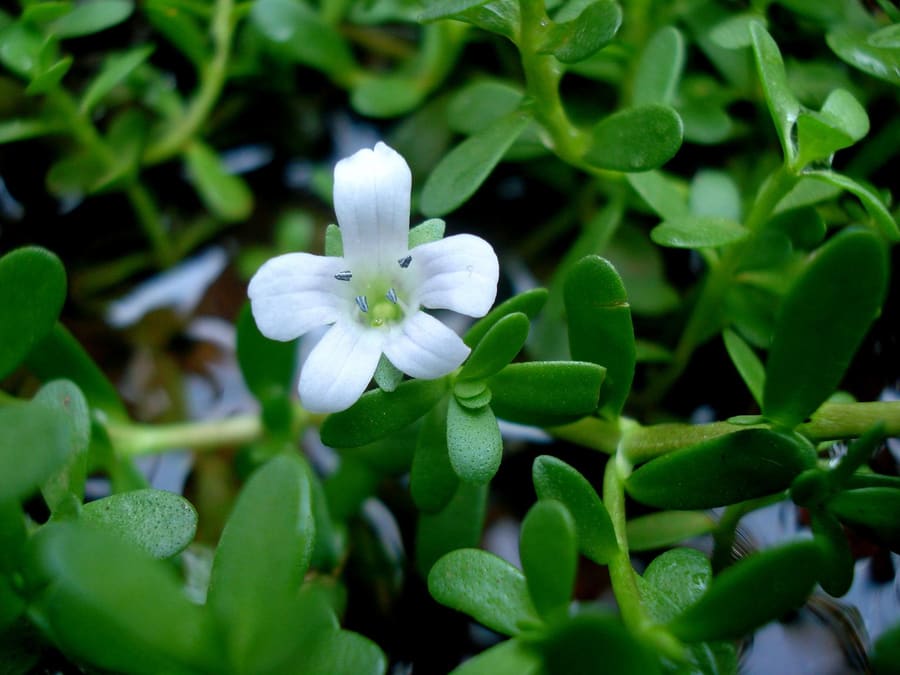 Bacopa (Bacopa monnieri)
Bacopa, also known as Water Hyssop or Brahmi, is a creeping succulent perennial that can grow to about 20 inches. It features spatula-shaped fleshy leaves and pale blue or white flowers on slender stalks. It thrives in marshlands and along the edges of mangrove swamps in warmer temperate and tropical climates, especially southern Asia, where it forms dense mats on mudflats.
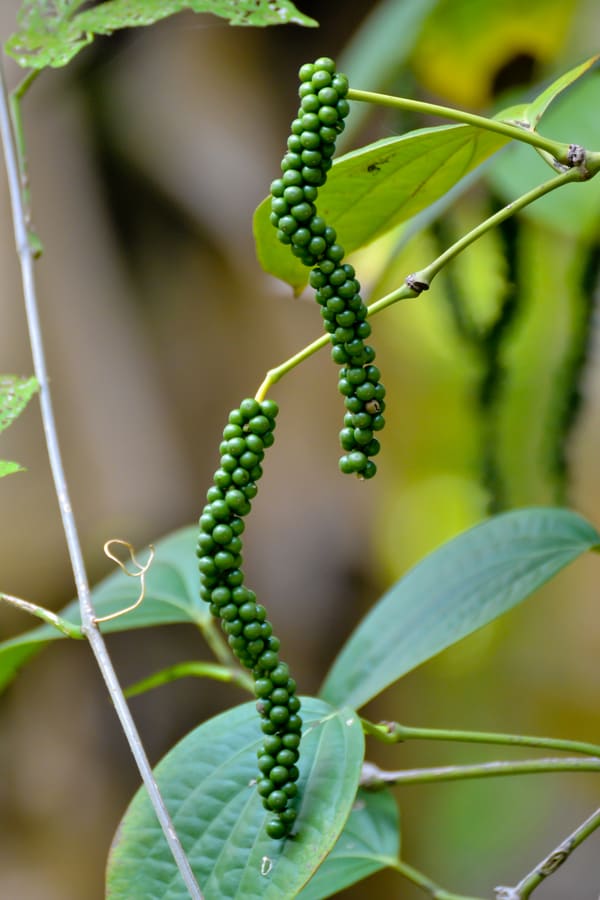 Black Pepper (Piper nigrum)
Black pepper is a perennial woody climbing vine growing to about 16 feet, with large oval leaves, spikes of small white flowers, and clusters of small round fruits that ripen from green to red. Native to southwestern India and now cultivated in tropical areas worldwide, the fruit is harvested from plants that are at least three years old. Different processing methods yield green, black, red, and white peppercorns, each with distinct flavors and uses. Cultivated as both a spice and medicine since ancient times, pepper was such a prized commodity in world trade that Attila the Hun reportedly demanded 3,000 pounds of it as ransom during his siege of Rome in 408 CE.
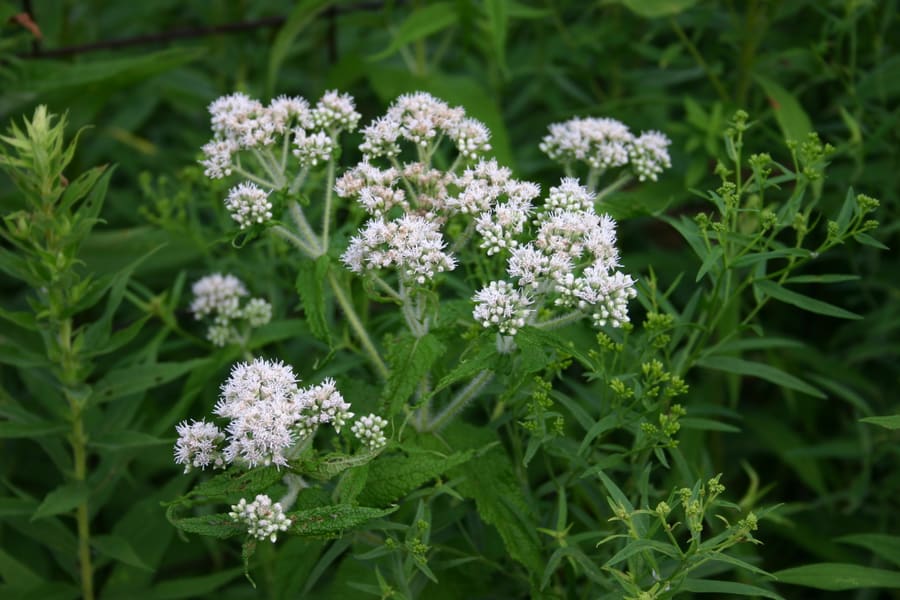 Boneset (Eupatorium perfoliatum)Not for self-dosing
Boneset (Eupatorium perfoliatum) is a bitter-tasting, upright perennial that can reach about 5 ft (1.5 m). It has lance-shaped leaves and clusters of small white or sometimes purple florets.