
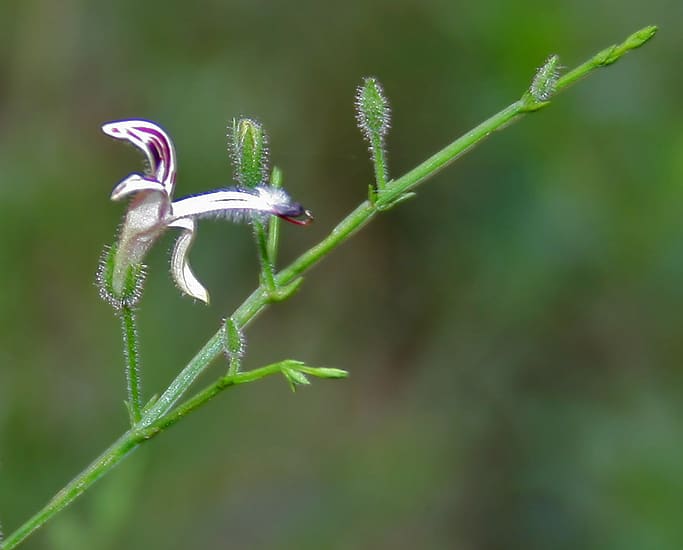
Andrographis (Andrographis paniculata)
Photo: J.M.Garg · CC BY-SA 4.0
- Digestive
- 6 conditions
- Licensed photo
Overview
Andrographis, commonly known as Green Chiretta or King of Bitters, is an upright annual herb reaching approximately 3 feet in height. Native to India and cultivated throughout northern regions of India and China, this bitter medicinal plant has been valued in Ayurvedic and traditional Chinese medicine for centuries. MSK notes that it has been studied mostly for colds, flu and upper respiratory infections. The plant thrives on plains and in forest undergrowth, where its spotted pale brown or purple flowers and long seed capsules distinguish it from other medicinal herbs.
Traditional uses & properties
In laboratory studies it shows antibacterial, anti-inflammatory and immunostimulating activity (MSK), and it has traditionally been given for acute and chronic infections. Its bitter diterpene lactones, particularly andrographolide, are considered its main active ingredients. MSK says preliminary studies suggest it may shorten and ease cold and flu symptoms, alone or with other herbs.
Safety & precautions
Pregnancy & Breastfeeding: Avoid, because andrographis may affect fertility and uterine contractions. High doses can cause nausea, vomiting, and gastrointestinal upset. Medicines: MSK notes laboratory signs of reduced platelet clumping (although a rat study found no interaction with warfarin), possible added blood-pressure lowering, possible interference with some chemotherapy drugs, and a possible rise in side effects from aminophylline. Whether andrographis meaningfully blocks drug-processing enzymes is uncertain: MSK cites laboratory inhibition of CYP1A2, CYP2C9 and CYP3A4, while a 2015 review judged the data too limited to call it an inhibitor. Professional supervision is recommended for long-term use.
Educational reference only - not medical advice. Herbs can interact with medications. Consult a qualified healthcare provider before use. Full disclaimer.
Drug interactions
Interaction data is not available for this herb - talk to a pharmacist before combining it with any medication. A blank entry here means we have not documented interactions, not that none exist.
Habitat
Native to India, andrographis grows wild on plains and as undergrowth in forested areas. It is extensively cultivated for medicinal purposes in northern India and China, and is also grown as a garden plant. The aerial parts are harvested for therapeutic use.
Sources
The interaction notes and the statements on this page that name a source were written by HerbMate from these references, which were last checked in October 2026. They are summaries, not medical advice; ask a pharmacist about your own medicines.
Traditionally used for
- Colitis8 herbs · 2 free
- Liver Support10 herbs · 2 free
- Diabetes11 herbs · 2 free
- Fever11 herbs · 2 free
- Strep Throat10 herbs · 2 free
- Cold and Flu16 herbs · 2 free
Each condition shows its first 2 remedies free. Premium opens the full remedy list for every condition - or come back for the free Condition of the Day.
Frequently asked questions
What is Andrographis (Andrographis paniculata) traditionally used for?
Traditional sources describe Andrographis (Andrographis paniculata) as follows: In laboratory studies it shows antibacterial, anti-inflammatory and immunostimulating activity (MSK), and it has traditionally been given for acute and chronic infections. Its bitter diterpene lactones, particularly andrographolide, are considered its main active ingredients. MSK says preliminary studies suggest it may shorten and ease cold and flu symptoms, alone or with other herbs.
What safety cautions apply to Andrographis (Andrographis paniculata)?
Pregnancy & Breastfeeding: Avoid, because andrographis may affect fertility and uterine contractions. High doses can cause nausea, vomiting, and gastrointestinal upset. Medicines: MSK notes laboratory signs of reduced platelet clumping (although a rat study found no interaction with warfarin), possible added blood-pressure lowering, possible interference with some chemotherapy drugs, and a possible rise in side effects from aminophylline. Whether andrographis meaningfully blocks drug-processing enzymes is uncertain: MSK cites laboratory inhibition of CYP1A2, CYP2C9 and CYP3A4, while a 2015 review judged the data too limited to call it an inhibitor. Professional supervision is recommended for long-term use.
Related herbs
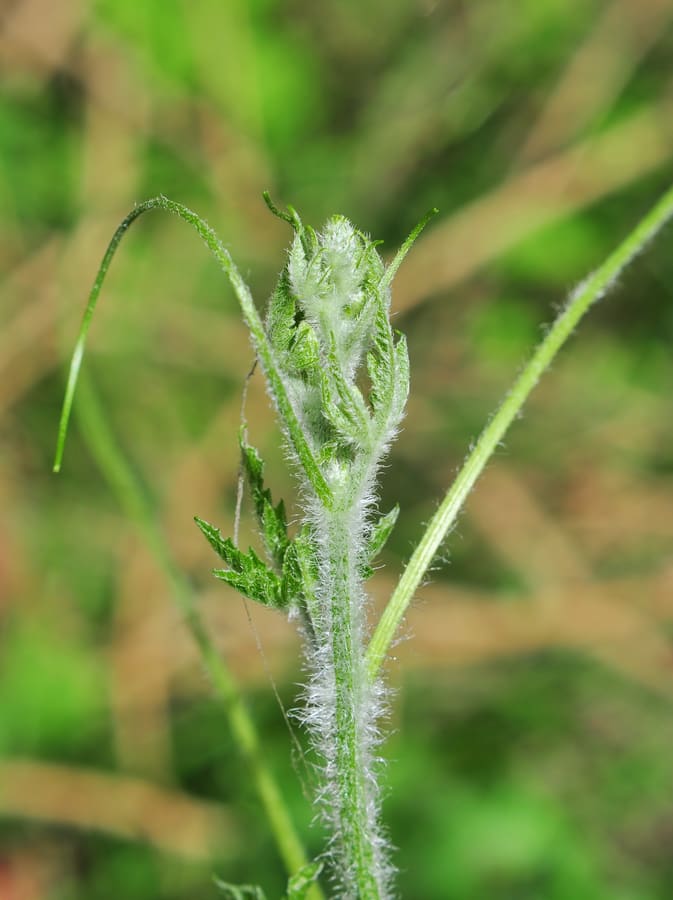 Bitter Melon (Momordica charantia)
Bitter melon is an annual climbing vine reaching about 6.5 feet, characterized by deeply lobed leaves, yellow flowers, and distinctive orange-yellow fruit. Native to southern Asia and now common throughout tropical regions worldwide, it is harvested year-round. Its edible fruit is used both as food and in medicine to treat diabetes in regions including Asia, East Africa and the Caribbean; MSK says data on whether it lowers blood sugar are limited.
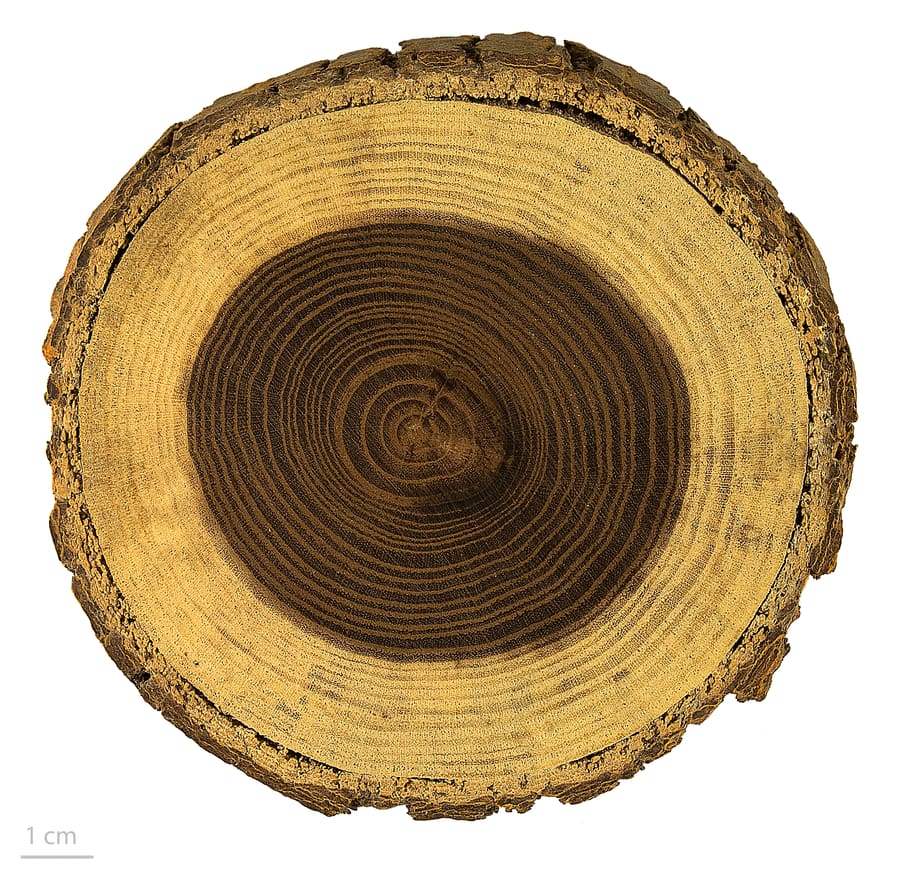 Mulberry Leaf (Morus alba)
White mulberry is a deciduous tree cultivated for over 5,000 years, primarily known as the preferred food source for silkworms. The leaves contain flavonoids along with vitamins A, B1, B2 and C.
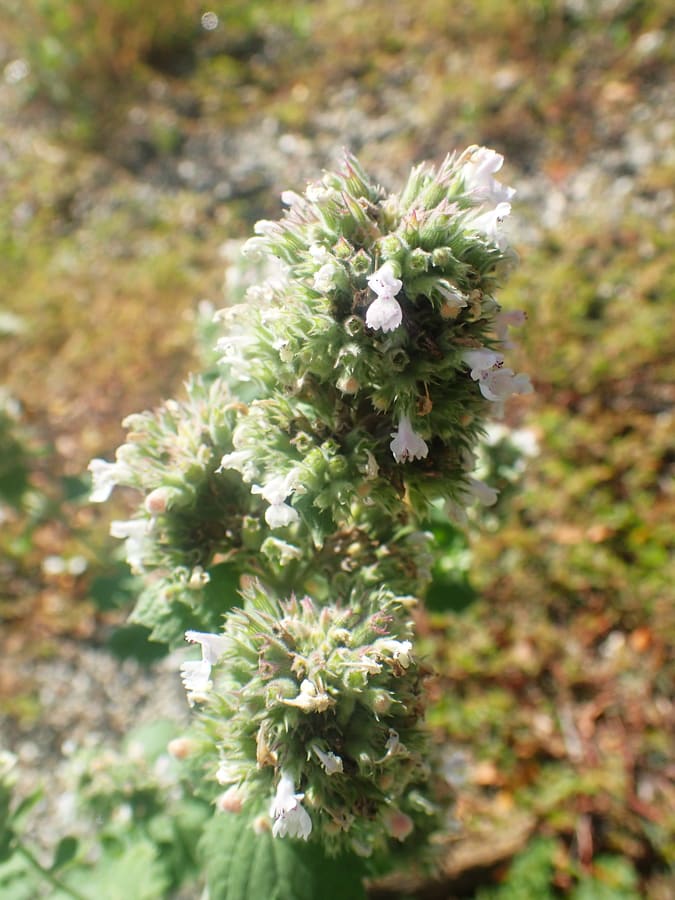 Catnip (Nepeta cataria)
Catnip is a downy, aromatic perennial growing to 3 feet with heart-shaped, gray-green leaves and whorls of white flowers marked with purple spots. Native to Europe and naturalized in North America, it grows in dry wayside places and mountainous regions up to altitudes of 5,000 feet. The plant is gathered when in flower during summer and autumn. Catnip has an excitatory effect on cats.
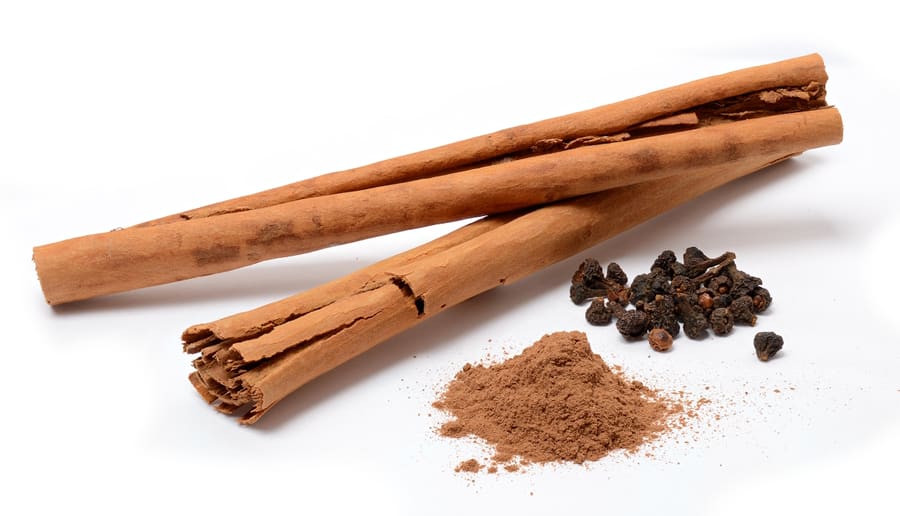 Cinnamon (Cinnamomum verum)
Cinnamon (Cinnamomum verum or C. zeylanicum) is a small evergreen tree, prized for its fragrant, sweet-spicy bark. Cinnamon has a long history of use in traditional medicine in China, India and Persia, where it was thought to help inflammation, nerve pain, heart disease and cough (NCCIH). NCCIH says research doesn't clearly support cinnamon for any health condition, and it is unclear whether it helps diabetes.
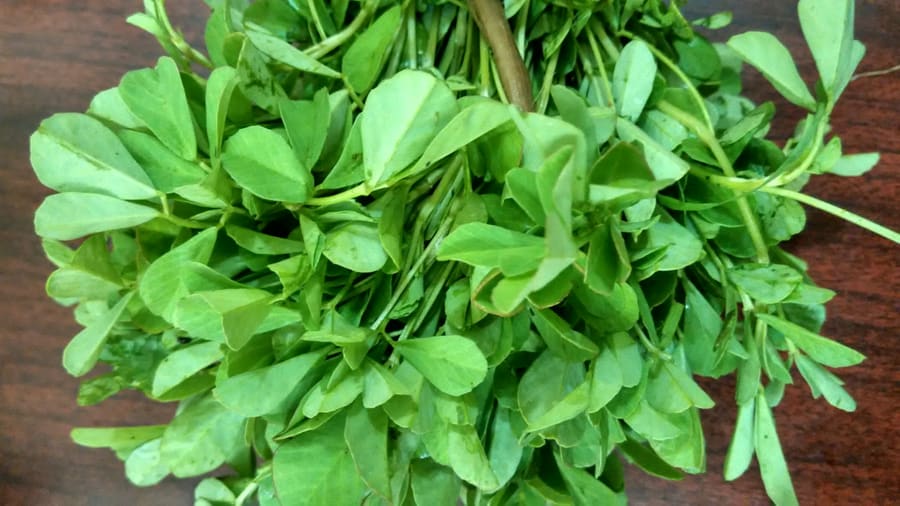 Fenugreek (Trigonella foenum-graecum)
Fenugreek is much used in herbal medicine in North Africa, the Middle East, and India. Its seeds have been used to increase breast-milk production; NCCIH says studies of this use have had mixed results. Fenugreek is also thought to be antidiabetic, although NCCIH says there is not enough high-quality evidence to know whether it helps diabetes.
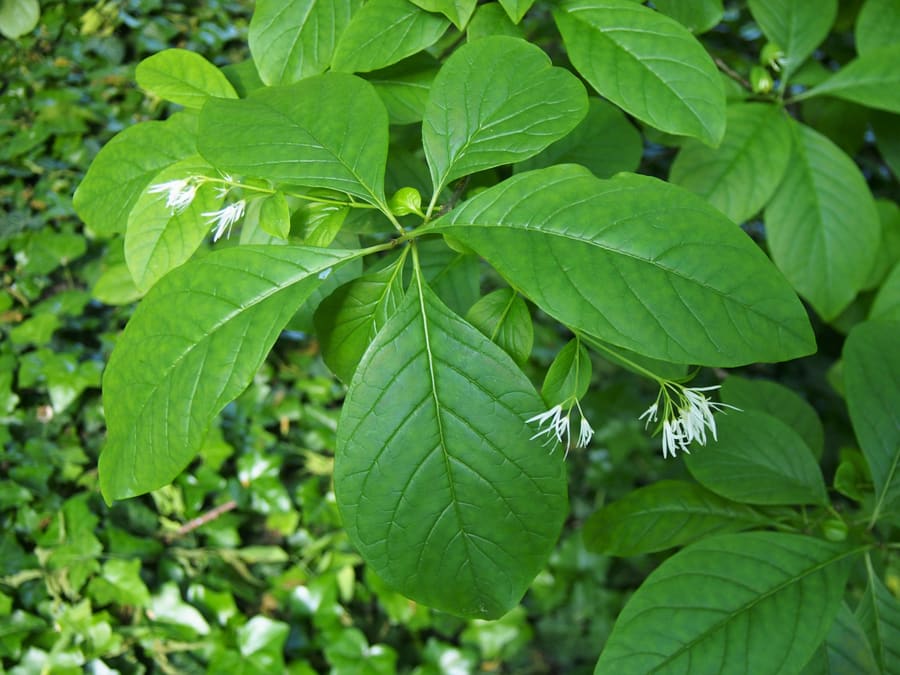 Fringe Tree (Chionanthus virginicus)
Fringe tree is a deciduous shrub or tree growing to 33 feet with elliptical dark green leaves, long flowering stems bearing spikes of white flowers, and dark blue oval fruits. Native to the United States and now also found in eastern Asia, it grows from Pennsylvania south to Florida and Texas and thrives on riverbanks and in damp shrubby areas. The root is unearthed in spring or autumn, mostly in Virginia and North Carolina.
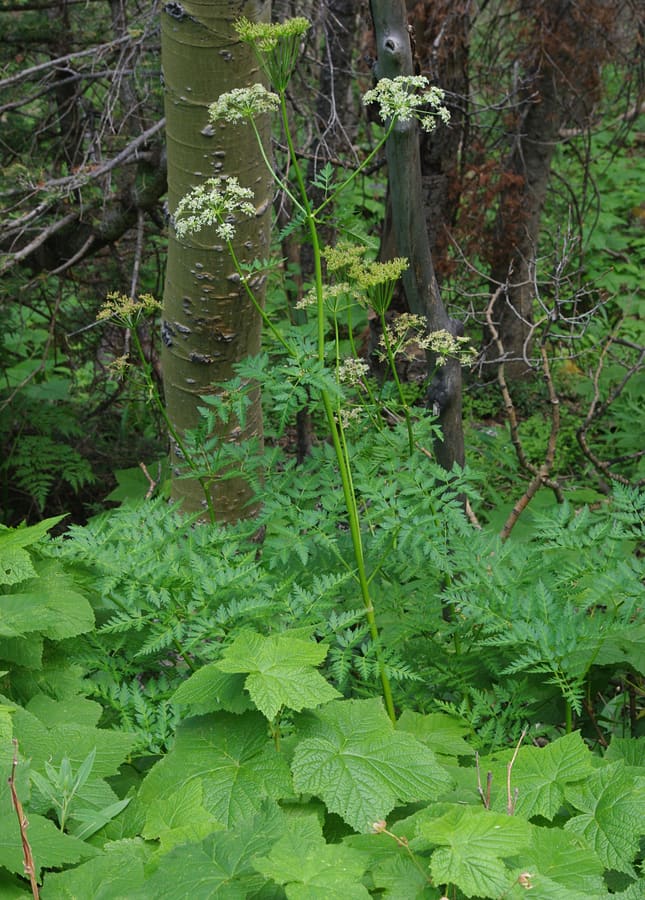 Osha (Ligusticum porteri)
Osha has been overharvested in the wild and is extremely difficult to cultivate. It is listed on the United Plant Savers at-risk list. Until wild populations stabilize, its use should be limited.
 Pau d'Arco (Tabebuia impetiginosa)
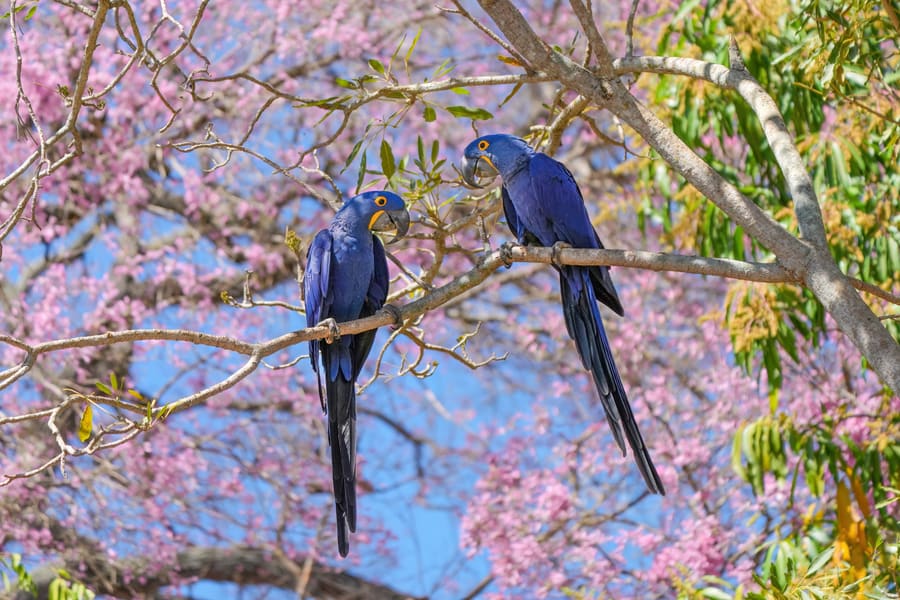
Pau d'arco is an evergreen tree that can reach 100 feet in height, producing pink flowers. The bark of this South American tree is used as a tea in traditional medicine for a wide range of ailments; MSK says its antibacterial and anticancer effects in laboratory studies have not been shown in humans. The tree grows in both mountainous terrains high in the Andes and in low-lying areas of Paraguay and Brazil. The prized inner bark is collected from wild-growing trees throughout the year.