
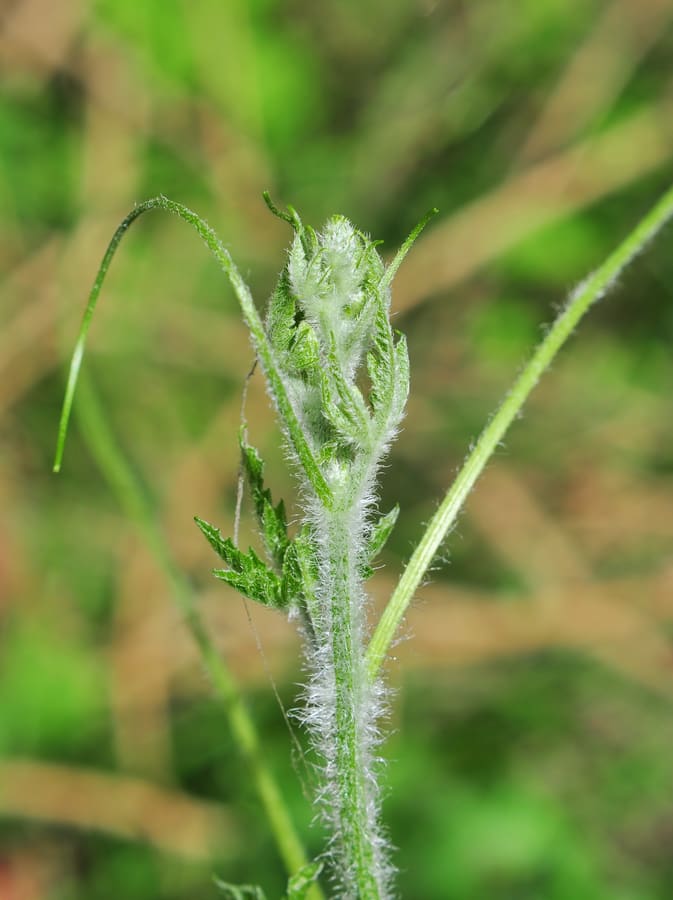
Bitter Melon (Momordica charantia)
Photo: Joydeep · CC BY-SA 3.0
- Digestive
- 5 conditions
- Licensed photo
Overview
Bitter melon is an annual climbing vine reaching about 6.5 feet, characterized by deeply lobed leaves, yellow flowers, and distinctive orange-yellow fruit. Native to southern Asia and now common throughout tropical regions worldwide, it is harvested year-round. Its edible fruit is used both as food and in medicine to treat diabetes in regions including Asia, East Africa and the Caribbean; MSK says data on whether it lowers blood sugar are limited.
Traditional uses & properties
Bitter melon is best known for its traditional use for raised blood sugar in type 2 diabetes. The unripe fruit contains an insulin-like peptide, cucurbitacins, glycosides (mormordin and charantin), and an alkaloid (mormordicine). MSK says the evidence on lowering blood sugar is limited and of low quality, and that it cannot replace insulin or diabetes drugs. It has been used to reduce fever; MSK says there is no evidence to support this.
Safety & precautions
Do not use it continuously over long periods without professional advice. Avoid if prone to low blood-sugar levels (hypoglycemia) or if taking antidiabetic medications, as it may cause excessive blood sugar reduction. The seeds were tested as a contraceptive in China during the 1980s due to their effects on sperm production, so men trying to conceive should avoid them. Not recommended during pregnancy.
Educational reference only - not medical advice. Herbs can interact with medications. Consult a qualified healthcare provider before use. Full disclaimer.
Drug interactions
Interaction data is not available for this herb - talk to a pharmacist before combining it with any medication. A blank entry here means we have not documented interactions, not that none exist.
Habitat
Native to southern Asia, bitter melon is widespread in tropical regions around the world. It is harvested throughout the year.
Sources
The interaction notes and the statements on this page that name a source were written by HerbMate from these references, which were last checked in October 2026. They are summaries, not medical advice; ask a pharmacist about your own medicines.
Traditionally used for
- Colitis8 herbs · 2 free
- Liver Support10 herbs · 2 free
- Ulcers15 herbs · 2 free
- Diabetes11 herbs · 2 free
- Wound healing7 herbs · 2 free
Each condition shows its first 2 remedies free. Premium opens the full remedy list for every condition - or come back for the free Condition of the Day.
Frequently asked questions
What is Bitter Melon (Momordica charantia) traditionally used for?
Traditional sources describe Bitter Melon (Momordica charantia) as follows: Bitter melon is best known for its traditional use for raised blood sugar in type 2 diabetes. The unripe fruit contains an insulin-like peptide, cucurbitacins, glycosides (mormordin and charantin), and an alkaloid (mormordicine). MSK says the evidence on lowering blood sugar is limited and of low quality, and that it cannot replace insulin or diabetes drugs. It has been used to reduce fever; MSK says there is no evidence to support this.
What safety cautions apply to Bitter Melon (Momordica charantia)?
Do not use it continuously over long periods without professional advice. Avoid if prone to low blood-sugar levels (hypoglycemia) or if taking antidiabetic medications, as it may cause excessive blood sugar reduction. The seeds were tested as a contraceptive in China during the 1980s due to their effects on sperm production, so men trying to conceive should avoid them. Not recommended during pregnancy.
Related herbs
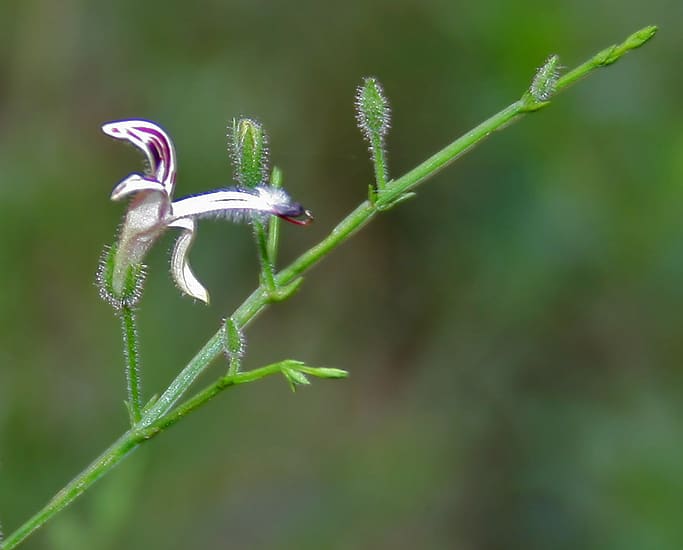 Andrographis (Andrographis paniculata)
Andrographis, commonly known as Green Chiretta or King of Bitters, is an upright annual herb reaching approximately 3 feet in height. Native to India and cultivated throughout northern regions of India and China, this bitter medicinal plant has been valued in Ayurvedic and traditional Chinese medicine for centuries. MSK notes that it has been studied mostly for colds, flu and upper respiratory infections. The plant thrives on plains and in forest undergrowth, where its spotted pale brown or purple flowers and long seed capsules distinguish it from other medicinal herbs.
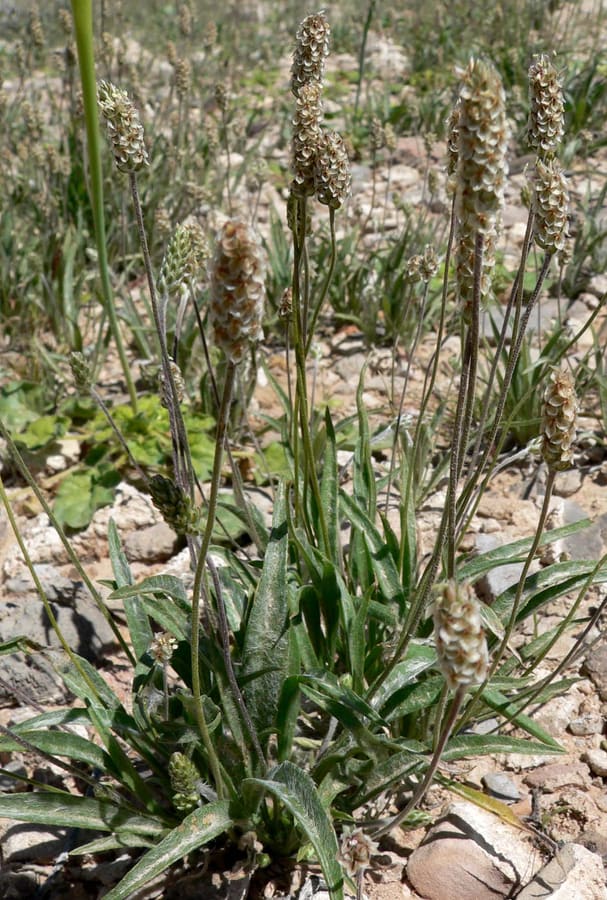 Psyllium (Plantago ovata)
Psyllium, also known as flea seed due to its small brown appearance, is produced by several Plantago species. It has long been used as a laxative, and MedlinePlus lists it as a bulk-forming laxative used to treat constipation. The seeds and husks have a bland taste and develop a jellylike consistency when moistened due to their high mucilage content. The plants are extensively cultivated, especially in India, and propagated from seed in spring. Seeds are harvested when ripe in late summer and early autumn.
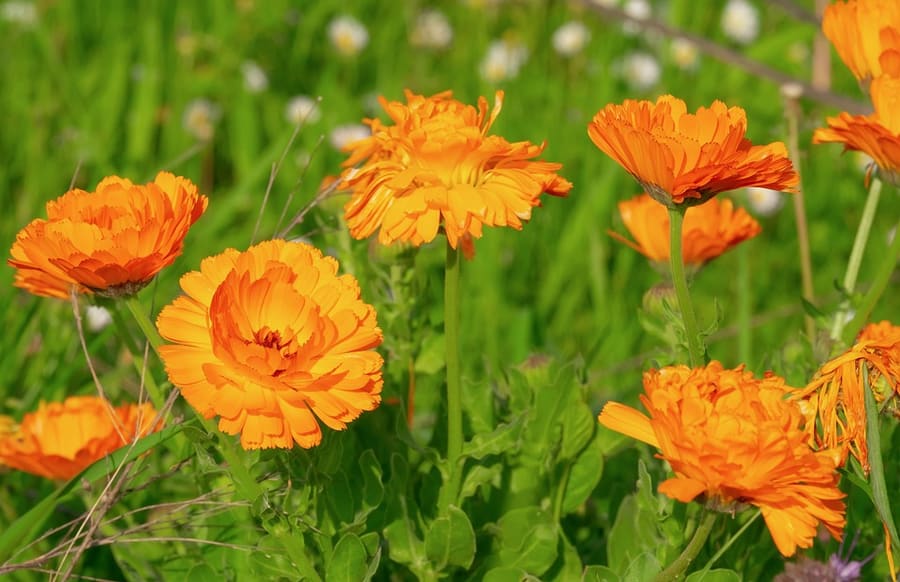 Calendula (Calendula officinalis)
Calendula (Calendula officinalis) has bright orange daisy-like flowers.
 Cat's Claw (Uncaria tomentosa)
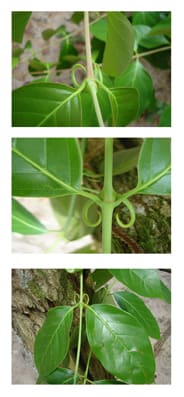
Cat's claw is a climbing vine that can grow to 100 feet or more, with stems up to 8 inches in diameter, large glossy leaves, and sharp hooks resembling a cat's claws. Native to tropical rainforests in the central and eastern Andes, especially Peru, Ecuador, and Colombia, it has also been found in Guatemala, Costa Rica, and Panama. Indigenous people of the Amazon rainforest have used cat's claw for centuries to ward off disease, and NCCIH says it is promoted today for osteoarthritis, rheumatoid arthritis, cancer and viral infections. NCCIH says there is no conclusive evidence from studies in people to support cat's claw for any health purpose. By the early 1990s, over-collection from the wild threatened the species' survival; only sustainably sourced stem bark should be used, rather than root bark.
 Fenugreek (Trigonella foenum-graecum)
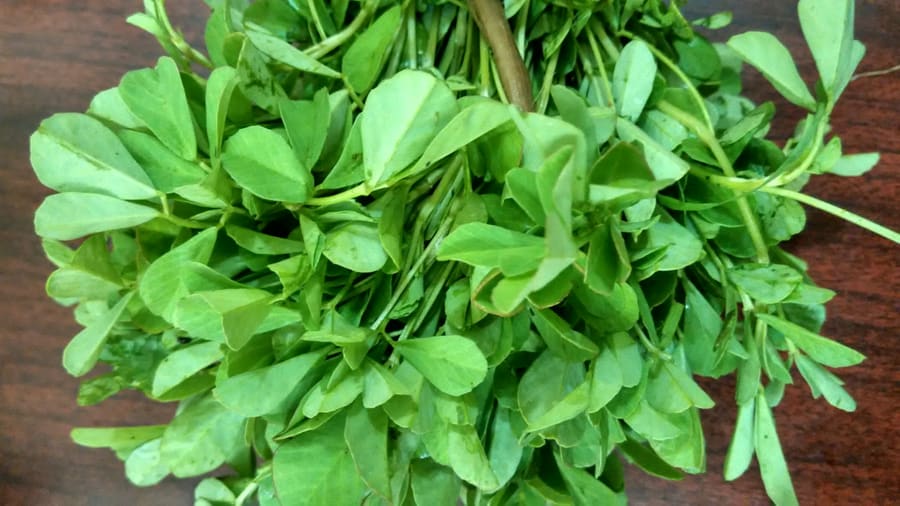
Fenugreek is much used in herbal medicine in North Africa, the Middle East, and India. Its seeds have been used to increase breast-milk production; NCCIH says studies of this use have had mixed results. Fenugreek is also thought to be antidiabetic, although NCCIH says there is not enough high-quality evidence to know whether it helps diabetes.
 Fringe Tree (Chionanthus virginicus)
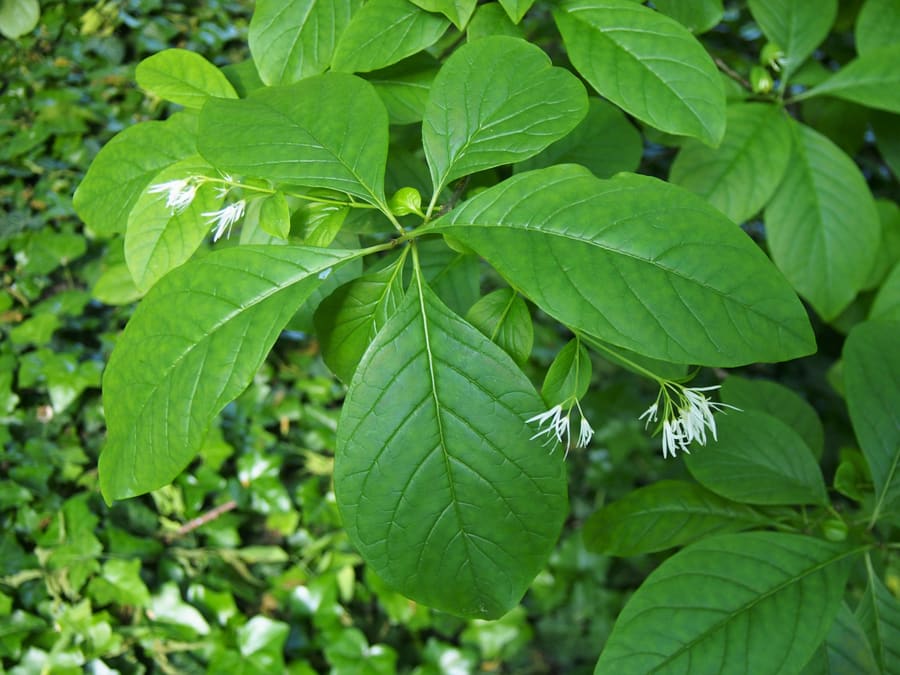
Fringe tree is a deciduous shrub or tree growing to 33 feet with elliptical dark green leaves, long flowering stems bearing spikes of white flowers, and dark blue oval fruits. Native to the United States and now also found in eastern Asia, it grows from Pennsylvania south to Florida and Texas and thrives on riverbanks and in damp shrubby areas. The root is unearthed in spring or autumn, mostly in Virginia and North Carolina.
 Marshmallow (Althaea officinalis)
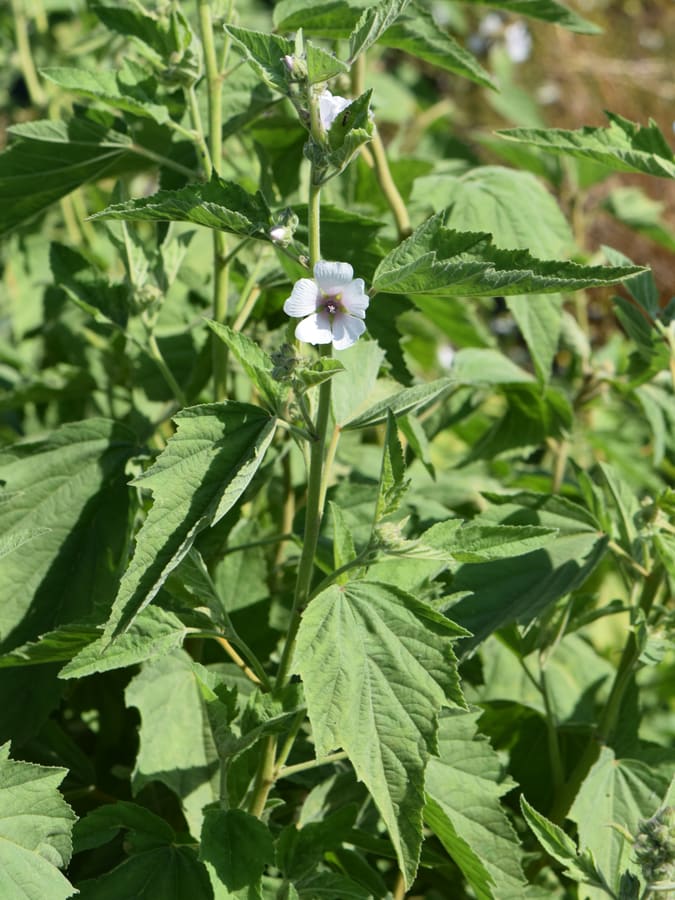
Marshmallow (Althaea officinalis) is a downy perennial up to about 7 ft (2.2 m), with thick white roots, heart-shaped leaves, and pink flowers. It is known for its high mucilage content.
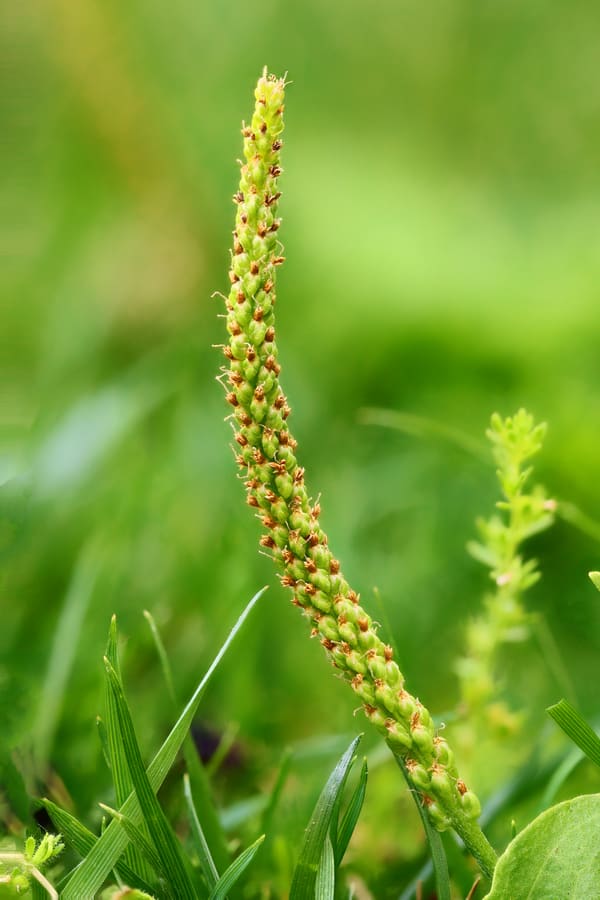 Plantain (Plantago major)
Common plantain (Plantago major) is a low-growing perennial reaching up to about 10 in (25 cm), forming a rosette of broad, ribbed leaves and spikes of tiny green flowers. Often regarded as a garden weed, plantain has leaves rich in iridoids, flavonoids, mucilage and tannins.