
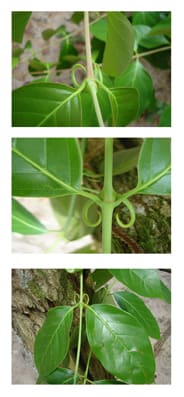
Cat's Claw (Uncaria tomentosa)
Photo: Vangeliq.petrova · CC BY-SA 4.0
- Digestive
- 5 conditions
- Licensed photo
Overview
Cat's claw is a climbing vine that can grow to 100 feet or more, with stems up to 8 inches in diameter, large glossy leaves, and sharp hooks resembling a cat's claws. Native to tropical rainforests in the central and eastern Andes, especially Peru, Ecuador, and Colombia, it has also been found in Guatemala, Costa Rica, and Panama. Indigenous people of the Amazon rainforest have used cat's claw for centuries to ward off disease, and NCCIH says it is promoted today for osteoarthritis, rheumatoid arthritis, cancer and viral infections. NCCIH says there is no conclusive evidence from studies in people to support cat's claw for any health purpose. By the early 1990s, over-collection from the wild threatened the species' survival; only sustainably sourced stem bark should be used, rather than root bark.
Traditional uses & properties
In traditional medicine cat's claw bark is used for gastric and inflammatory disorders; MSK says laboratory studies suggest it may reduce inflammation, but this has not been studied in people. It is marketed to support the body's natural defenses; MSK says compounds from cat's claw stimulated immune cells in laboratory experiments, but data in people are limited. Its constituents include pentacyclic oxindole alkaloids (POAs), triterpenoid glycosides, and tannins including epicatechin and proanthocyanidins.
Safety & precautions
Avoid during pregnancy and while trying to conceive, as cat's claw has contraceptive activity. Tetracyclic oxindole alkaloids (TOAs), present in some cat's claw, may suppress immune function. Some preparations are standardized to contain little or no TOAs. Medicines: NCCIH says there are theoretical reasons to expect interactions with blood thinners (anticoagulants and antiplatelet drugs) and with blood pressure medicines, and notes cat's claw may slow clotting, so mention it before any surgery. A 2017 systematic review found that cat's claw significantly raised levels of some HIV medicines, and LiverTox notes it inhibits the liver enzyme CYP3A4, so it could raise levels of other drugs cleared that way.
Educational reference only - not medical advice. Herbs can interact with medications. Consult a qualified healthcare provider before use. Full disclaimer.
Drug interactions
Interaction data is not available for this herb - talk to a pharmacist before combining it with any medication. A blank entry here means we have not documented interactions, not that none exist.
Habitat
Native to tropical rainforests in the central and eastern Andes, especially Peru, Ecuador, and Colombia. Also found in Guatemala, Costa Rica, and Panama. Only stem bark from ecologically sustainable sources should be used.
Sources
The interaction notes and the statements on this page that name a source were written by HerbMate from these references, which were last checked in October 2026. They are summaries, not medical advice; ask a pharmacist about your own medicines.
Traditionally used for
- Colitis8 herbs · 2 free
- Irritable Bowel Syndrome11 herbs · 2 free
- Ulcers15 herbs · 2 free
- Asthma14 herbs · 2 free
- Arthritis11 herbs · 2 free
Each condition shows its first 2 remedies free. Premium opens the full remedy list for every condition - or come back for the free Condition of the Day.
Frequently asked questions
What is Cat's Claw (Uncaria tomentosa) traditionally used for?
Traditional sources describe Cat's Claw (Uncaria tomentosa) as follows: In traditional medicine cat's claw bark is used for gastric and inflammatory disorders; MSK says laboratory studies suggest it may reduce inflammation, but this has not been studied in people. It is marketed to support the body's natural defenses; MSK says compounds from cat's claw stimulated immune cells in laboratory experiments, but data in people are limited. Its constituents include pentacyclic oxindole alkaloids (POAs), triterpenoid glycosides, and tannins including epicatechin and proanthocyanidins.
What safety cautions apply to Cat's Claw (Uncaria tomentosa)?
Avoid during pregnancy and while trying to conceive, as cat's claw has contraceptive activity. Tetracyclic oxindole alkaloids (TOAs), present in some cat's claw, may suppress immune function. Some preparations are standardized to contain little or no TOAs. Medicines: NCCIH says there are theoretical reasons to expect interactions with blood thinners (anticoagulants and antiplatelet drugs) and with blood pressure medicines, and notes cat's claw may slow clotting, so mention it before any surgery. A 2017 systematic review found that cat's claw significantly raised levels of some HIV medicines, and LiverTox notes it inhibits the liver enzyme CYP3A4, so it could raise levels of other drugs cleared that way.
Related herbs
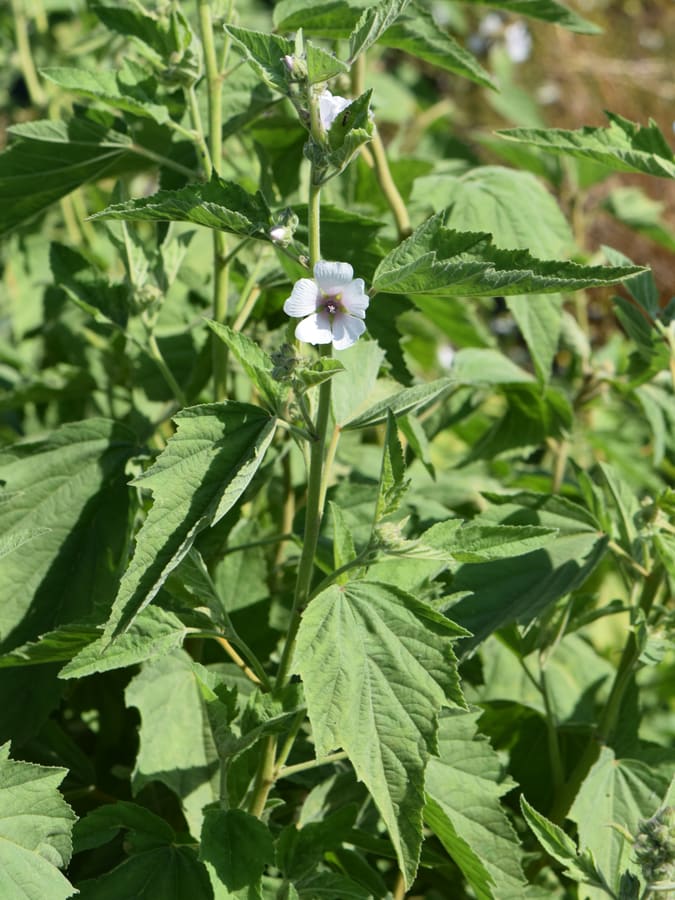 Marshmallow (Althaea officinalis)
Marshmallow (Althaea officinalis) is a downy perennial up to about 7 ft (2.2 m), with thick white roots, heart-shaped leaves, and pink flowers. It is known for its high mucilage content.
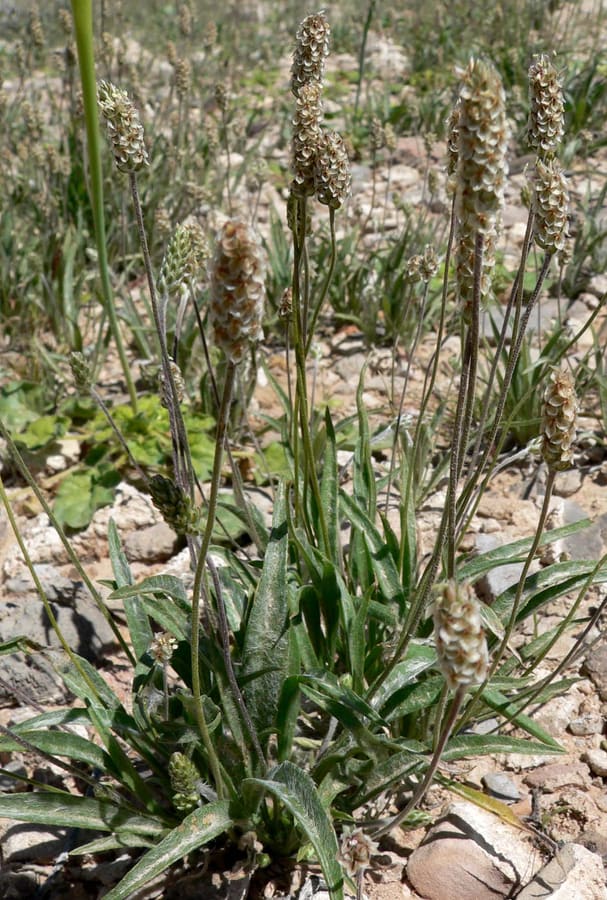 Psyllium (Plantago ovata)
Psyllium, also known as flea seed due to its small brown appearance, is produced by several Plantago species. It has long been used as a laxative, and MedlinePlus lists it as a bulk-forming laxative used to treat constipation. The seeds and husks have a bland taste and develop a jellylike consistency when moistened due to their high mucilage content. The plants are extensively cultivated, especially in India, and propagated from seed in spring. Seeds are harvested when ripe in late summer and early autumn.
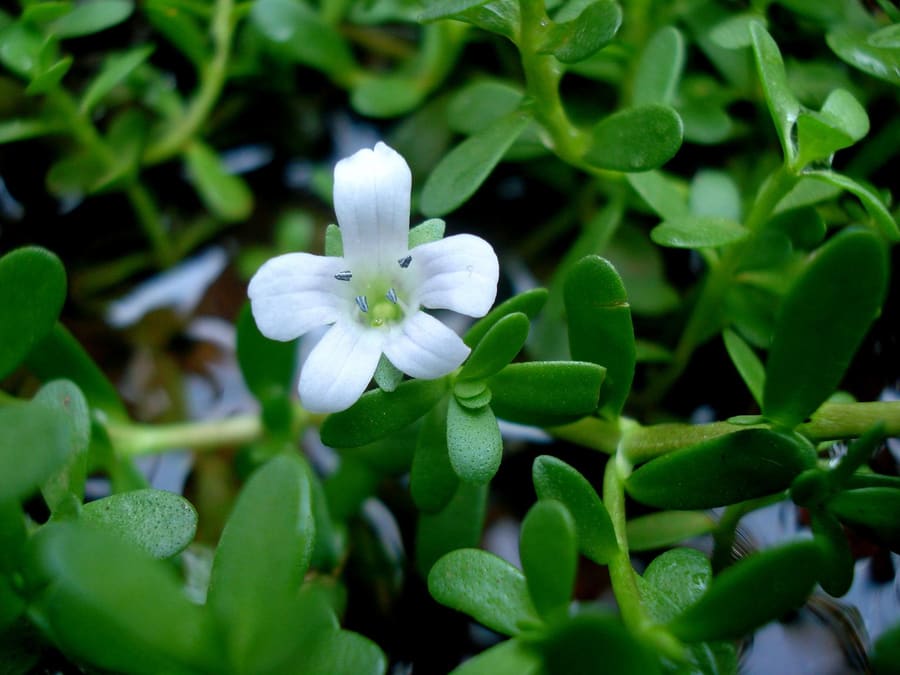 Bacopa (Bacopa monnieri)
Bacopa, also known as Water Hyssop or Brahmi, is a creeping succulent perennial that can grow to about 20 inches. It features spatula-shaped fleshy leaves and pale blue or white flowers on slender stalks. It thrives in marshlands and along the edges of mangrove swamps in warmer temperate and tropical climates, especially southern Asia, where it forms dense mats on mudflats.
 Bitter Melon (Momordica charantia)
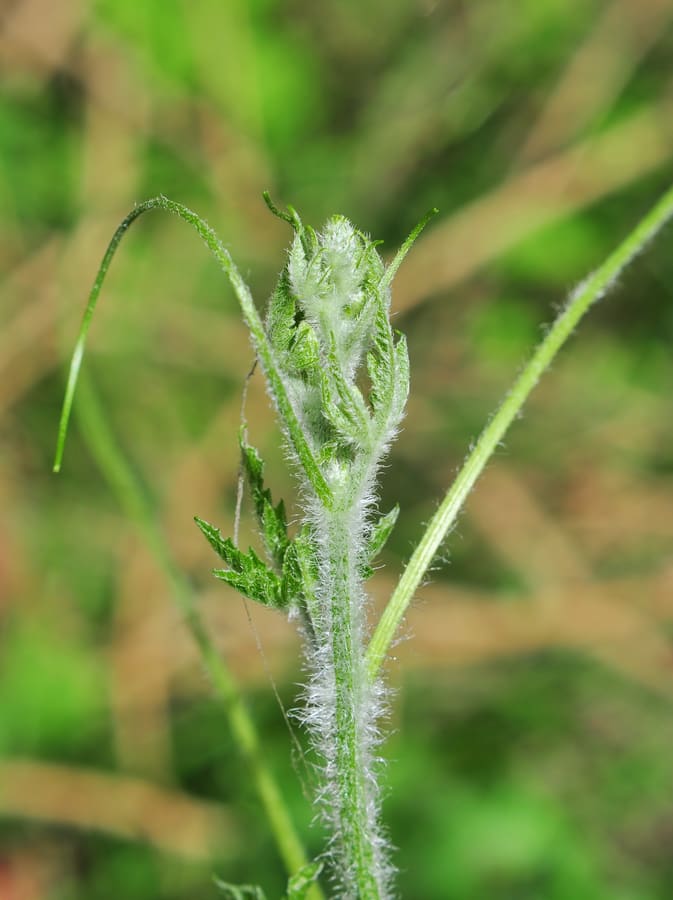
Bitter melon is an annual climbing vine reaching about 6.5 feet, characterized by deeply lobed leaves, yellow flowers, and distinctive orange-yellow fruit. Native to southern Asia and now common throughout tropical regions worldwide, it is harvested year-round. Its edible fruit is used both as food and in medicine to treat diabetes in regions including Asia, East Africa and the Caribbean; MSK says data on whether it lowers blood sugar are limited.
 Black Pepper (Piper nigrum)
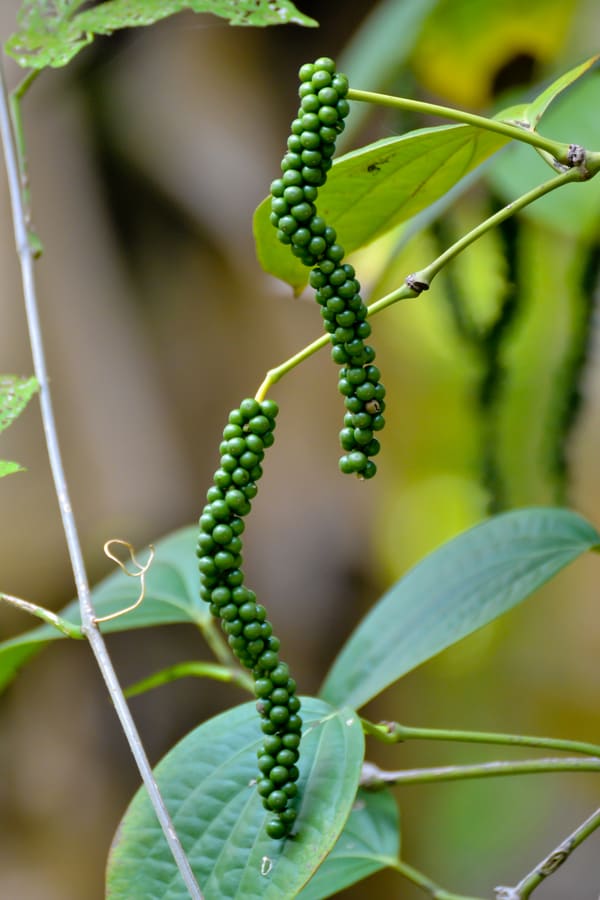
Black pepper is a perennial woody climbing vine growing to about 16 feet, with large oval leaves, spikes of small white flowers, and clusters of small round fruits that ripen from green to red. Native to southwestern India and now cultivated in tropical areas worldwide, the fruit is harvested from plants that are at least three years old. Different processing methods yield green, black, red, and white peppercorns, each with distinct flavors and uses. Cultivated as both a spice and medicine since ancient times, pepper was such a prized commodity in world trade that Attila the Hun reportedly demanded 3,000 pounds of it as ransom during his siege of Rome in 408 CE.
 Boswellia (Boswellia serrata)
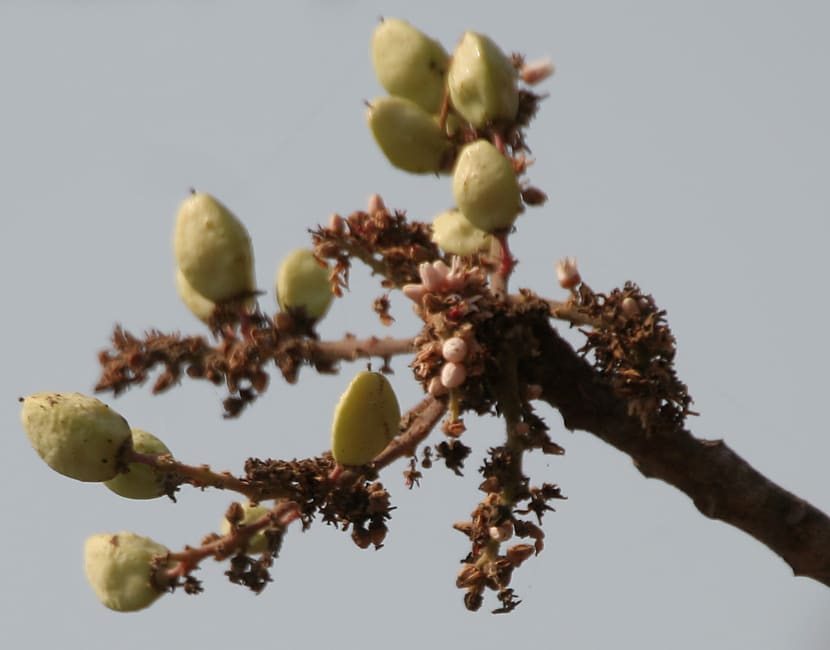
Boswellia is a deciduous tree growing to about 49 ft (15 m), characterized by its pale, papery bark, compound leaves, and small clusters of white flowers. The resin of the tree has traditionally been used in Ayurveda for arthritis, inflammation and pain, and some respiratory conditions (NCCIH). The key active components are boswellic acids. NCCIH says some studies suggest oral boswellia may ease osteoarthritis pain and inflammation, but there is not enough high-quality evidence to know whether it helps any health condition.
 Calendula (Calendula officinalis)
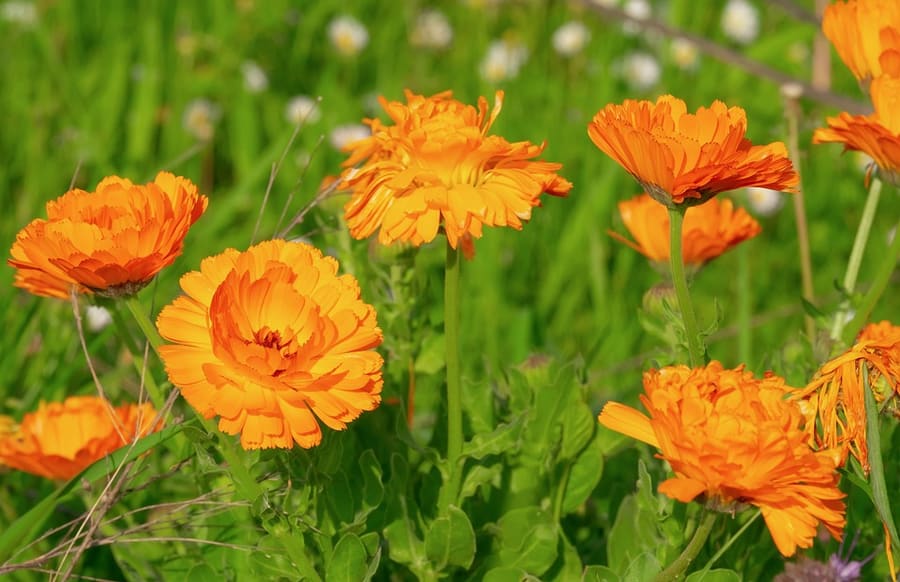
Calendula (Calendula officinalis) has bright orange daisy-like flowers.
 Plantain (Plantago major)
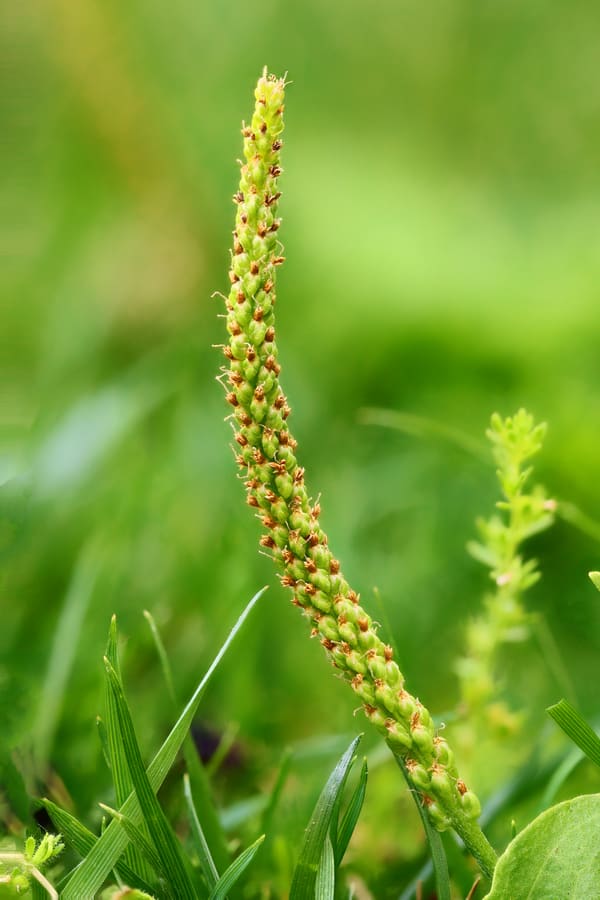
Common plantain (Plantago major) is a low-growing perennial reaching up to about 10 in (25 cm), forming a rosette of broad, ribbed leaves and spikes of tiny green flowers. Often regarded as a garden weed, plantain has leaves rich in iridoids, flavonoids, mucilage and tannins.