
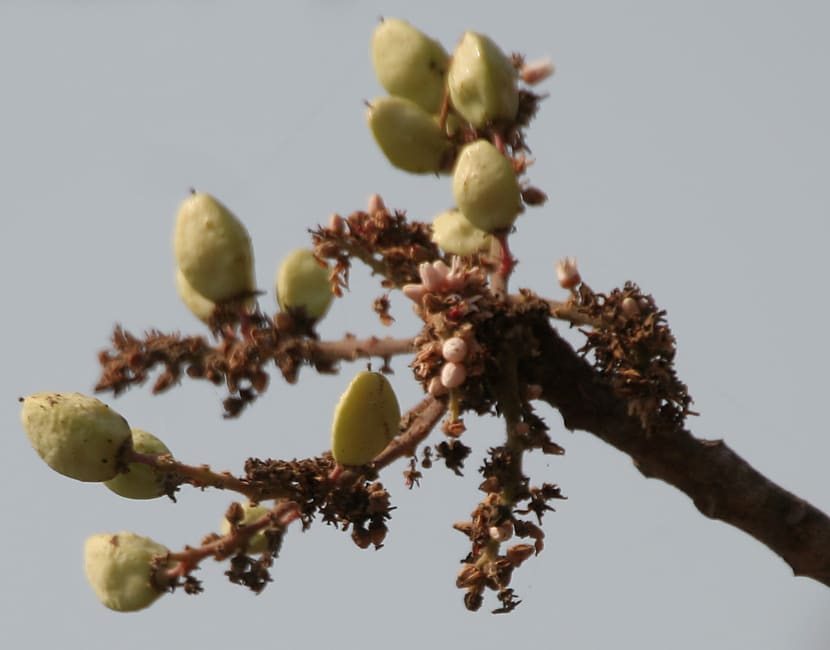
Boswellia (Boswellia serrata)
Photo: J.M.Garg · CC BY-SA 4.0
- Digestive
- 4 conditions
- Licensed photo
Overview
Boswellia is a deciduous tree growing to about 49 ft (15 m), characterized by its pale, papery bark, compound leaves, and small clusters of white flowers. The resin of the tree has traditionally been used in Ayurveda for arthritis, inflammation and pain, and some respiratory conditions (NCCIH). The key active components are boswellic acids. NCCIH says some studies suggest oral boswellia may ease osteoarthritis pain and inflammation, but there is not enough high-quality evidence to know whether it helps any health condition.
Traditional uses & properties
Anti-inflammatory: Traditionally used for arthritis and inflammation; NCCIH says several studies suggest oral boswellia may ease osteoarthritis pain and inflammation, but larger, higher-quality studies are needed. Expectorant: Traditionally used for respiratory complaints; NCCIH says a few small studies suggest it may reduce asthma symptoms, but there is not enough rigorous evidence to know whether it helps.
Amounts reported by sources
These are the amounts the named source reports, such as the doses used in studies or the directions on a product label. They are not a dosage recommendation from HerbMate. Products differ in strength and safe use depends on the person, so ask a pharmacist or clinician before taking any herb.
NCCIH notes that Boswellia serrata extract in doses up to 1,000 mg a day has been used safely in clinical trials lasting up to 6 months.
Safety & precautions
NCCIH says little is known about whether medicinal amounts of boswellia are safe during pregnancy or breastfeeding. As with any herb, it is best used under the advice of a qualified practitioner, especially for chronic inflammation or serious conditions.
Educational reference only - not medical advice. Herbs can interact with medications. Consult a qualified healthcare provider before use. Full disclaimer.
Drug interactions
Interaction evidence for boswellia is thin: laboratory findings plus case reports involving warfarin. [1, 2]
- Warfarin and other blood thinners
- A 2014 review of warfarin case reports includes Boswellia serrata among herbs named in reports of serious adverse events, such as bleeding, in people also taking warfarin. MSK notes that boswellia extracts can reduce platelet clumping, which could add to bleeding risk; this has not been tested clinically. [1, 2]
- Drug transporters (P glycoprotein, OATP1B3, MRP2)
- In laboratory studies boswellic acids changed how these transport proteins worked. Whether this affects medicines in people is unknown. [1]
How to read this section: each entry is HerbMate's summary of what the cited sources report. Words such as "may", "theoretical" or "in laboratory or animal studies" mean the effect has not been confirmed in people, and "case report" means it was seen in one or a few patients. A medicine that is not listed here has not been shown to be safe with this herb. The numbers in brackets link to the sources at the foot of the page.
Habitat
Native to dry, hilly areas of central and northern India, boswellia trees thrive in arid conditions. The gum resin is collected after it drips from cuts made in the bark.
Sources
The interaction notes and the statements on this page that name a source were written by HerbMate from these references, which were last checked in October 2026. They are summaries, not medical advice; ask a pharmacist about your own medicines.
Traditionally used for
- Colitis8 herbs · 2 free
- Arthritis11 herbs · 2 free
- Disk Degeneration3 herbs · 2 free
- Osteoporosis2 herbs
Each condition shows its first 2 remedies free. Premium opens the full remedy list for every condition - or come back for the free Condition of the Day.
Frequently asked questions
What is Boswellia (Boswellia serrata) traditionally used for?
Traditional sources describe Boswellia (Boswellia serrata) as follows: Anti-inflammatory: Traditionally used for arthritis and inflammation; NCCIH says several studies suggest oral boswellia may ease osteoarthritis pain and inflammation, but larger, higher-quality studies are needed. Expectorant: Traditionally used for respiratory complaints; NCCIH says a few small studies suggest it may reduce asthma symptoms, but there is not enough rigorous evidence to know whether it helps.
What amounts do sources report for Boswellia (Boswellia serrata)?
These are the amounts the named source reports, such as the doses used in studies or the directions on a product label. They are not a dosage recommendation from HerbMate. Products differ in strength and safe use depends on the person, so ask a pharmacist or clinician before taking any herb. Arthritis: NCCIH notes that Boswellia serrata extract in doses up to 1,000 mg a day has been used safely in clinical trials lasting up to 6 months.
What safety cautions apply to Boswellia (Boswellia serrata)?
NCCIH says little is known about whether medicinal amounts of boswellia are safe during pregnancy or breastfeeding. As with any herb, it is best used under the advice of a qualified practitioner, especially for chronic inflammation or serious conditions.
Related herbs
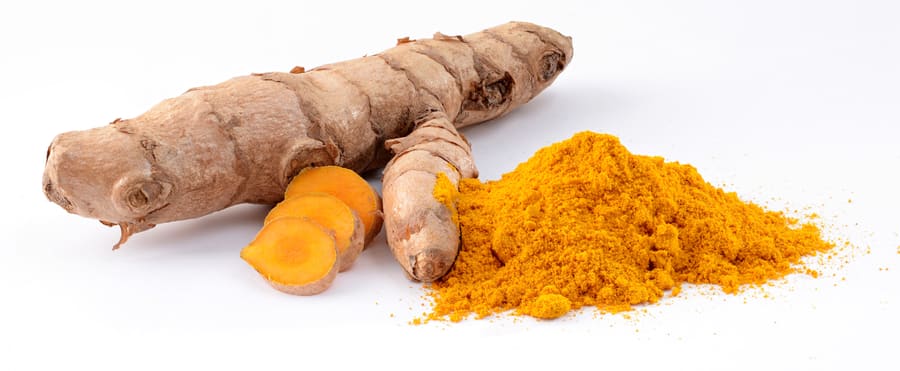 Turmeric (Curcuma longa)
Turmeric (Curcuma longa) is a perennial with a thick rhizome, growing to about 3 ft (90 cm), featuring lance-shaped leaves and pale yellow flowers. Renowned for its bright yellow-orange color, turmeric is a spice commonly employed in Indian cooking and in Ayurveda, where it has been used for indigestion, colds, skin infections, and arthritis. NCCIH says there isn't enough evidence to conclude that turmeric or curcumin is beneficial for any health purpose.
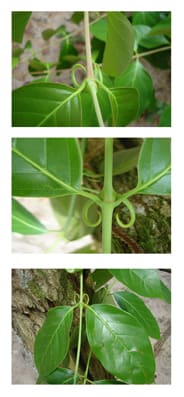 Cat's Claw (Uncaria tomentosa)
Cat's claw is a climbing vine that can grow to 100 feet or more, with stems up to 8 inches in diameter, large glossy leaves, and sharp hooks resembling a cat's claws. Native to tropical rainforests in the central and eastern Andes, especially Peru, Ecuador, and Colombia, it has also been found in Guatemala, Costa Rica, and Panama. Indigenous people of the Amazon rainforest have used cat's claw for centuries to ward off disease, and NCCIH says it is promoted today for osteoarthritis, rheumatoid arthritis, cancer and viral infections. NCCIH says there is no conclusive evidence from studies in people to support cat's claw for any health purpose. By the early 1990s, over-collection from the wild threatened the species' survival; only sustainably sourced stem bark should be used, rather than root bark.
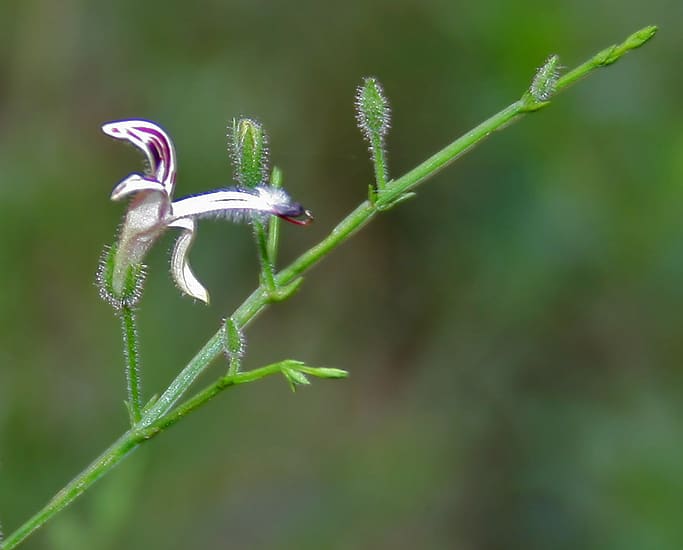 Andrographis (Andrographis paniculata)
Andrographis, commonly known as Green Chiretta or King of Bitters, is an upright annual herb reaching approximately 3 feet in height. Native to India and cultivated throughout northern regions of India and China, this bitter medicinal plant has been valued in Ayurvedic and traditional Chinese medicine for centuries. MSK notes that it has been studied mostly for colds, flu and upper respiratory infections. The plant thrives on plains and in forest undergrowth, where its spotted pale brown or purple flowers and long seed capsules distinguish it from other medicinal herbs.
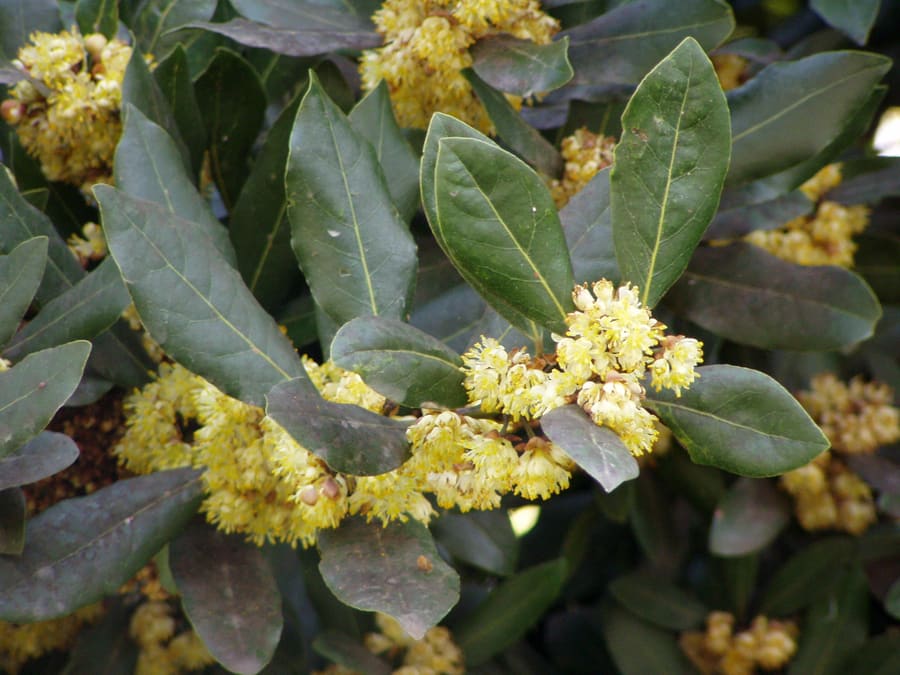 Bay laurel (Laurus nobilis)
Bay laurel (Laurus nobilis) is an aromatic evergreen shrub or small tree that can grow up to about 65 ft (20 m). It features leathery, dark green, lance-shaped leaves, small yellow flowers, and shiny black berries. The plant is well known for its culinary use (“bay leaves”) as well as its medicinal history in ancient Greece and Rome.
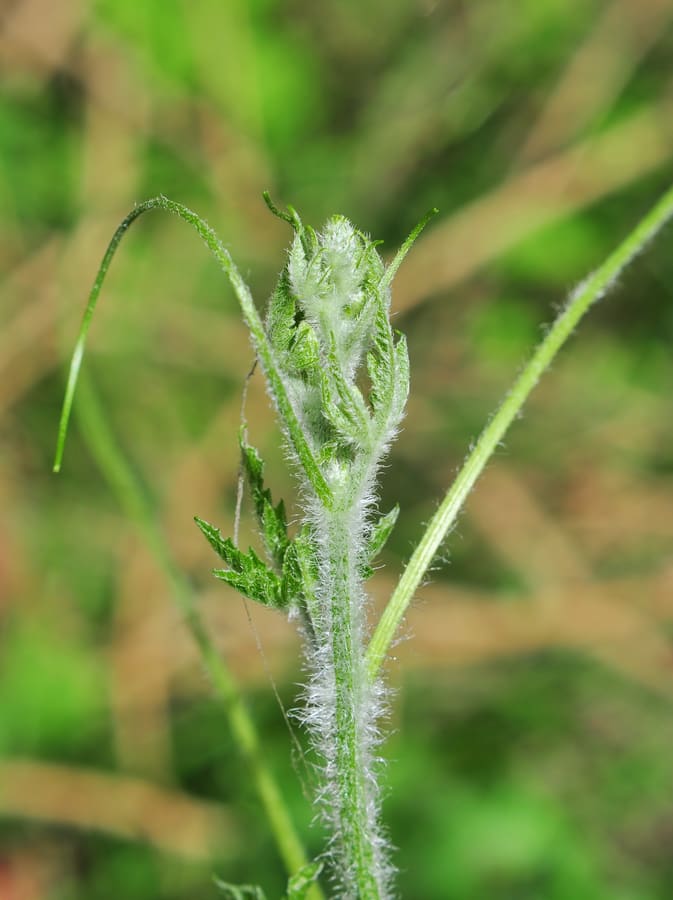 Bitter Melon (Momordica charantia)
Bitter melon is an annual climbing vine reaching about 6.5 feet, characterized by deeply lobed leaves, yellow flowers, and distinctive orange-yellow fruit. Native to southern Asia and now common throughout tropical regions worldwide, it is harvested year-round. Its edible fruit is used both as food and in medicine to treat diabetes in regions including Asia, East Africa and the Caribbean; MSK says data on whether it lowers blood sugar are limited.
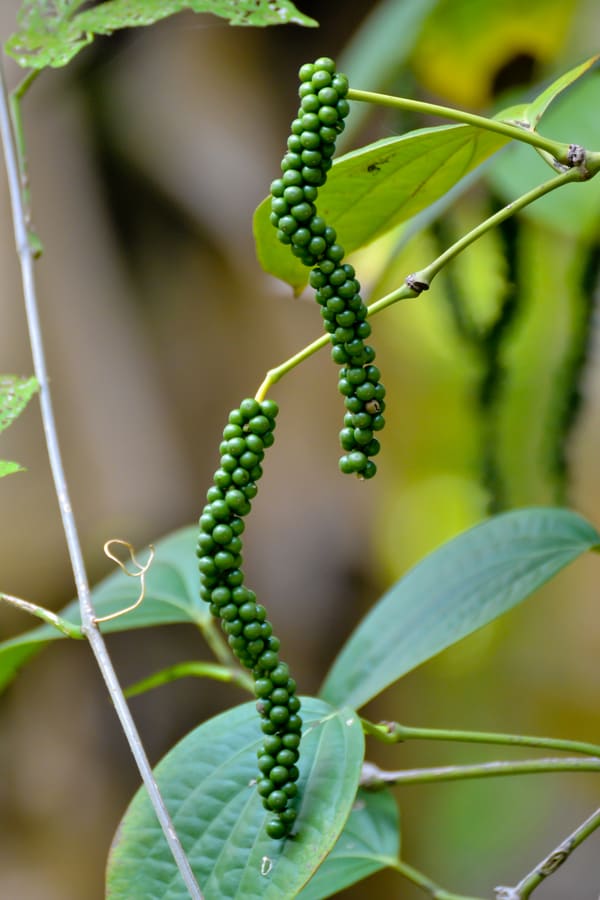 Black Pepper (Piper nigrum)
Black pepper is a perennial woody climbing vine growing to about 16 feet, with large oval leaves, spikes of small white flowers, and clusters of small round fruits that ripen from green to red. Native to southwestern India and now cultivated in tropical areas worldwide, the fruit is harvested from plants that are at least three years old. Different processing methods yield green, black, red, and white peppercorns, each with distinct flavors and uses. Cultivated as both a spice and medicine since ancient times, pepper was such a prized commodity in world trade that Attila the Hun reportedly demanded 3,000 pounds of it as ransom during his siege of Rome in 408 CE.
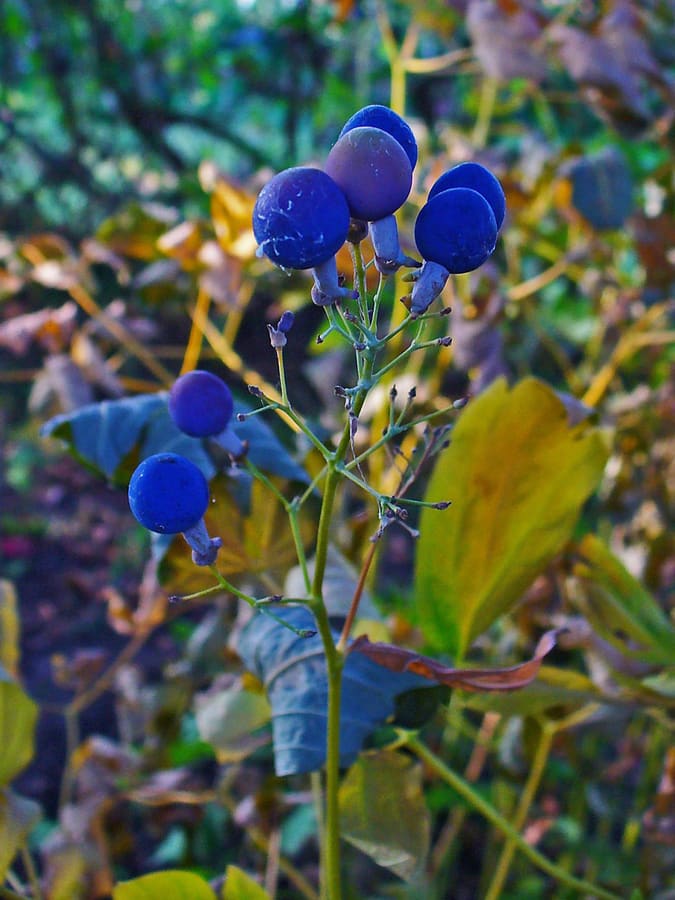 Blue Cohosh (Caulophyllum thalictroides)Not for self-dosing
Blue cohosh is an upright perennial herb reaching 3 feet in height, with large three-lobed leaves, yellow to purple flowers, and striking blue berries. It grows wild in much of eastern North America from Manitoba to Alabama, preferring woodland valleys and damp, north-facing slopes. The name 'cohosh' comes from the Algonquin language, and the plant was a popular remedy among many Native American tribes.
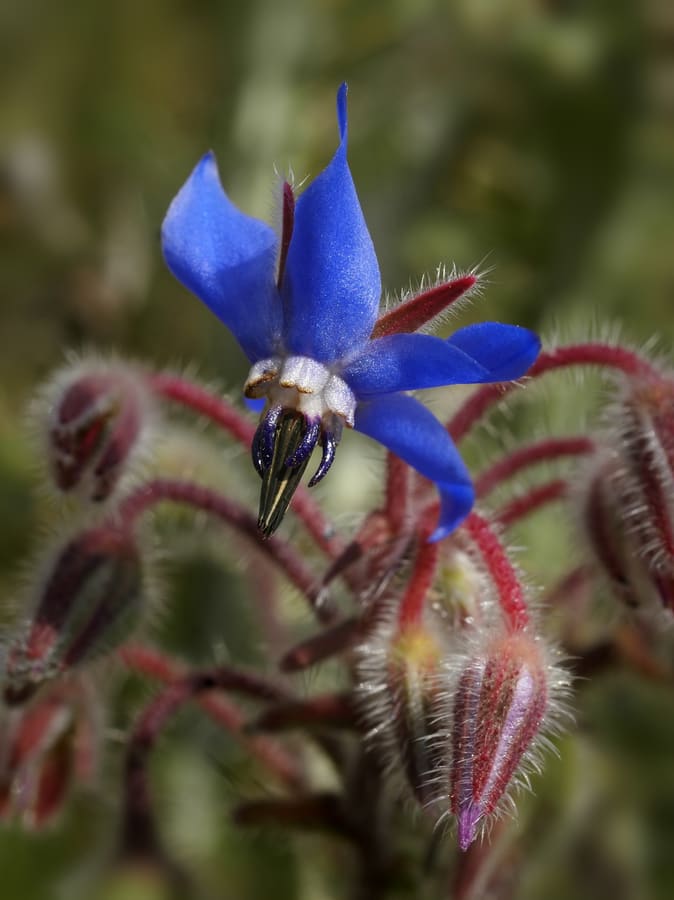 Borage (Borago officinalis)Not for self-dosing
Borage (Borago officinalis) is a coarse, hairy annual that grows to about 2 ft (60 cm), featuring a succulent stem, large basal leaves, and distinctively bright blue star-shaped flowers. The seeds yield an oil rich in gamma-linolenic acid (GLA), a polyunsaturated fatty acid.