
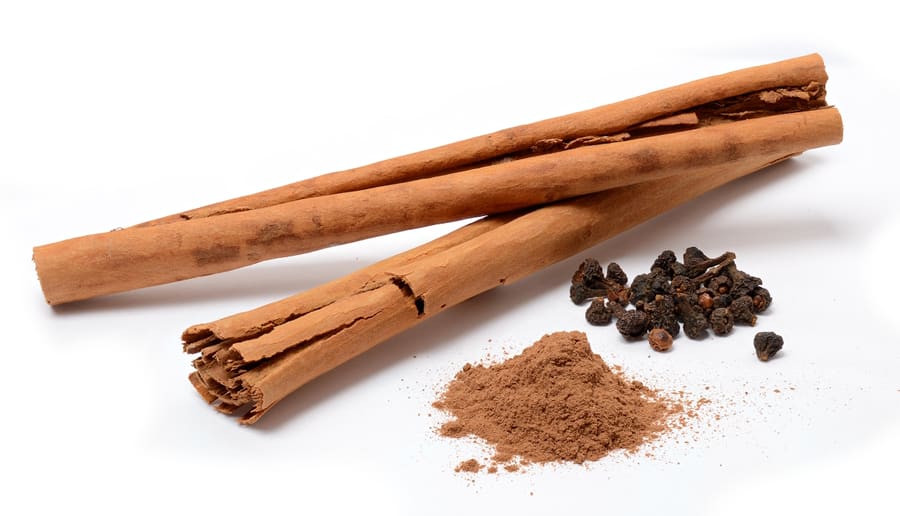
Cinnamon (Cinnamomum verum)
Photo: Simon A. Eugster · CC BY-SA 3.0
- Circulatory
- 4 conditions
- Licensed photo
Overview
Cinnamon (Cinnamomum verum or C. zeylanicum) is a small evergreen tree, prized for its fragrant, sweet-spicy bark. Cinnamon has a long history of use in traditional medicine in China, India and Persia, where it was thought to help inflammation, nerve pain, heart disease and cough (NCCIH). NCCIH says research doesn't clearly support cinnamon for any health condition, and it is unclear whether it helps diabetes.
Traditional uses & properties
Blood Sugar: Promoted today for diabetes; NCCIH says it is unclear whether cinnamon helps diabetes.
Safety & precautions
Essential Oil: Highly concentrated, can be toxic, and is not advisable for internal use. Pregnancy & Breastfeeding: Cinnamon bark and oil (beyond normal food amounts) are generally avoided. Excess Doses: NCCIH notes that larger amounts or long-term use of cinnamon are sometimes linked to gastrointestinal problems or allergic reactions, and large amounts may lower blood sugar excessively. Allergy: Occasionally causes allergic reactions.
Educational reference only - not medical advice. Herbs can interact with medications. Consult a qualified healthcare provider before use. Full disclaimer.
Drug interactions
Concerns center on coumarin, which some cassia cinnamon products contain in high amounts, and on enzyme effects seen in the laboratory. NCCIH cautions that people with liver disease may be more vulnerable if they use cassia for long periods, and LiverTox describes rare reports of liver injury linked to cinnamon. [1, 2, 3]
- Statins
- MSK cites reports of hepatitis in people who took cinnamon together with a statin. [2]
- Cancer medicines and nicotine
- NCCIH says research it partly funded offers theoretical grounds for thinking some cinnamon components may interact with an anticancer drug or with nicotine. [1]
- Pioglitazone and other diabetes medicines
- In animal studies cinnamon increased how much pioglitazone was absorbed. MSK also notes cinnamon may lower blood glucose, though the evidence is mixed. [2]
- Medicines broken down by liver enzymes
- Preclinical studies suggest cinnamon inhibits several CYP enzymes (2C9, 3A4, 2A6 and 2D). Relevance in people is undetermined. [2]
How to read this section: each entry is HerbMate's summary of what the cited sources report. Words such as "may", "theoretical" or "in laboratory or animal studies" mean the effect has not been confirmed in people, and "case report" means it was seen in one or a few patients. A medicine that is not listed here has not been shown to be safe with this herb. The numbers in brackets link to the sources at the foot of the page.
Habitat
Native to India and Sri Lanka, cinnamon trees grow in tropical forests up to about 1,600 ft (500 m) in elevation. Commercially, they are heavily cultivated in regions like the Philippines and the Caribbean. The bark is harvested by cutting back young trees, stripping the outer bark, and drying the inner layer into characteristic quills.
Sources
The interaction notes and the statements on this page that name a source were written by HerbMate from these references, which were last checked in October 2026. They are summaries, not medical advice; ask a pharmacist about your own medicines.
Traditionally used for
- Poor Circulation4 herbs · 2 free
- Indigestion24 herbs · 2 free
- Diabetes11 herbs · 2 free
- Cold and Flu16 herbs · 2 free
Each condition shows its first 2 remedies free. Premium opens the full remedy list for every condition - or come back for the free Condition of the Day.
Frequently asked questions
What is Cinnamon (Cinnamomum verum) traditionally used for?
Traditional sources describe Cinnamon (Cinnamomum verum) as follows: Blood Sugar: Promoted today for diabetes; NCCIH says it is unclear whether cinnamon helps diabetes.
What safety cautions apply to Cinnamon (Cinnamomum verum)?
Essential Oil: Highly concentrated, can be toxic, and is not advisable for internal use. Pregnancy & Breastfeeding: Cinnamon bark and oil (beyond normal food amounts) are generally avoided. Excess Doses: NCCIH notes that larger amounts or long-term use of cinnamon are sometimes linked to gastrointestinal problems or allergic reactions, and large amounts may lower blood sugar excessively. Allergy: Occasionally causes allergic reactions.
Related herbs
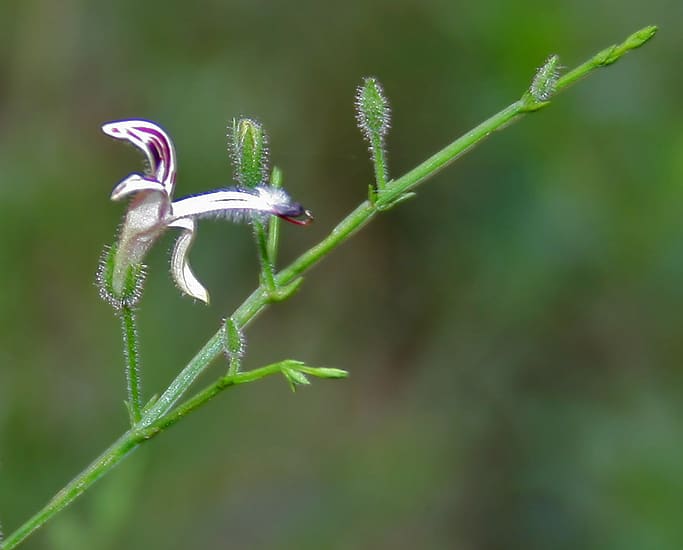 Andrographis (Andrographis paniculata)
Andrographis, commonly known as Green Chiretta or King of Bitters, is an upright annual herb reaching approximately 3 feet in height. Native to India and cultivated throughout northern regions of India and China, this bitter medicinal plant has been valued in Ayurvedic and traditional Chinese medicine for centuries. MSK notes that it has been studied mostly for colds, flu and upper respiratory infections. The plant thrives on plains and in forest undergrowth, where its spotted pale brown or purple flowers and long seed capsules distinguish it from other medicinal herbs.
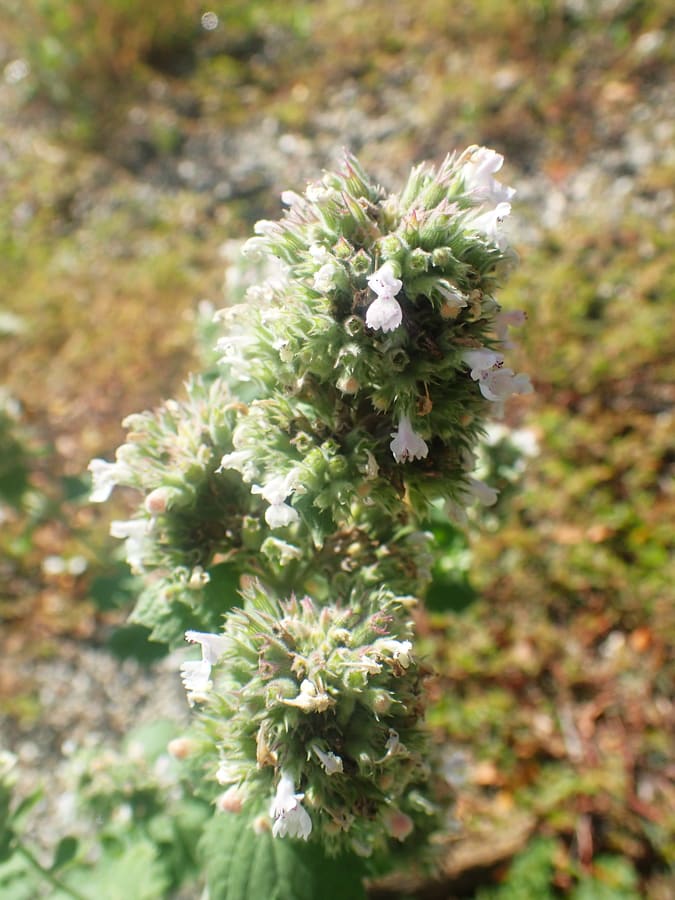 Catnip (Nepeta cataria)
Catnip is a downy, aromatic perennial growing to 3 feet with heart-shaped, gray-green leaves and whorls of white flowers marked with purple spots. Native to Europe and naturalized in North America, it grows in dry wayside places and mountainous regions up to altitudes of 5,000 feet. The plant is gathered when in flower during summer and autumn. Catnip has an excitatory effect on cats.
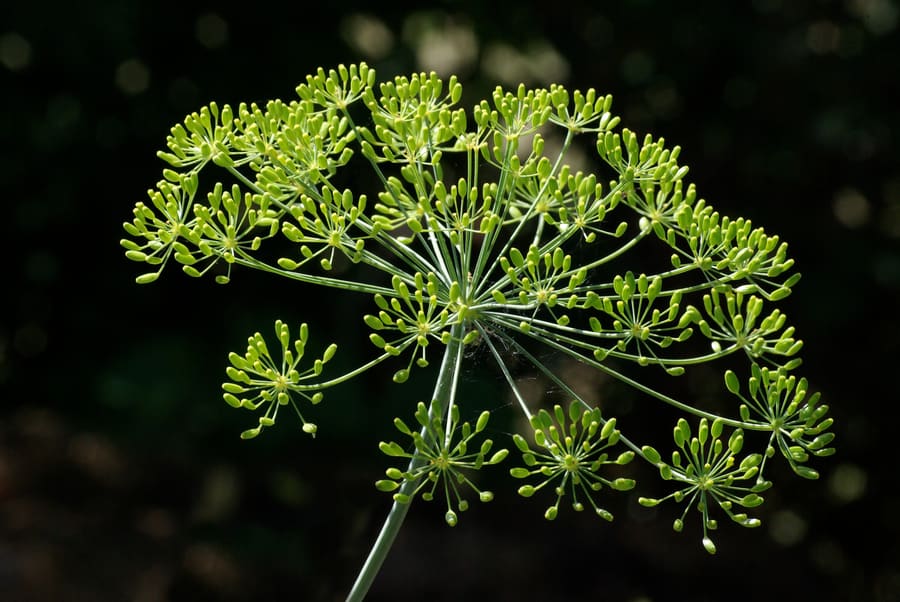 Dill (Anethum graveolens)
Dill is an aromatic annual growing to 30 inches with an erect hollow stem, feathery leaves, and numerous yellow flowers in umbels. Its very lightweight, pungent fruit (seeds) are harvested in late summer. Native to southern Europe and central and southern Asia, dill grows wild in open areas and is widely cultivated - notably in England, Germany, and North America. The leaves are picked as a culinary herb. Dill was commonly used as a charm against witchcraft in the Middle Ages, when it was burned to clear thunderclouds. Its name comes from the Norse 'dylla,' meaning 'to soothe.'
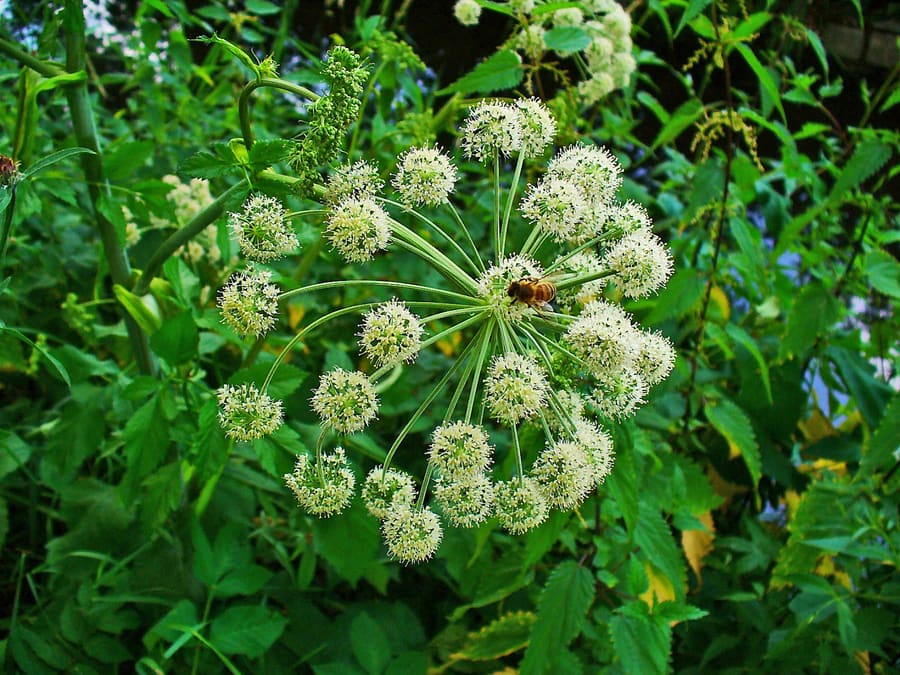 Angelica (angelica archangelica)
Angelica (Angelica archangelica) is a large, aromatic biennial herb growing up to about 6½ ft (2 m), with ridged hollow stems, bright green divided leaves, and greenish-white flowers arranged in umbrella-like clusters (umbels).
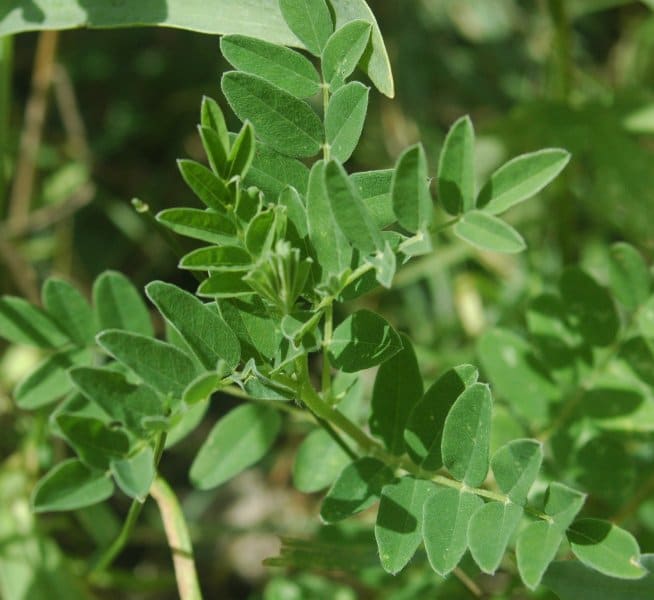 Astragalus (Astragalus membranaceus)
Astragalus (Astragalus membranaceus), known in China as huang qi, is a perennial reaching about 16 in (40 cm), with hairy stems and compound leaves composed of multiple leaflet pairs. Its root has been used for centuries in traditional Chinese medicine, often with other herbs, and NCCIH says it is promoted to improve the response of the immune system. NCCIH says there is not enough reliable evidence to know whether astragalus helps any health condition.
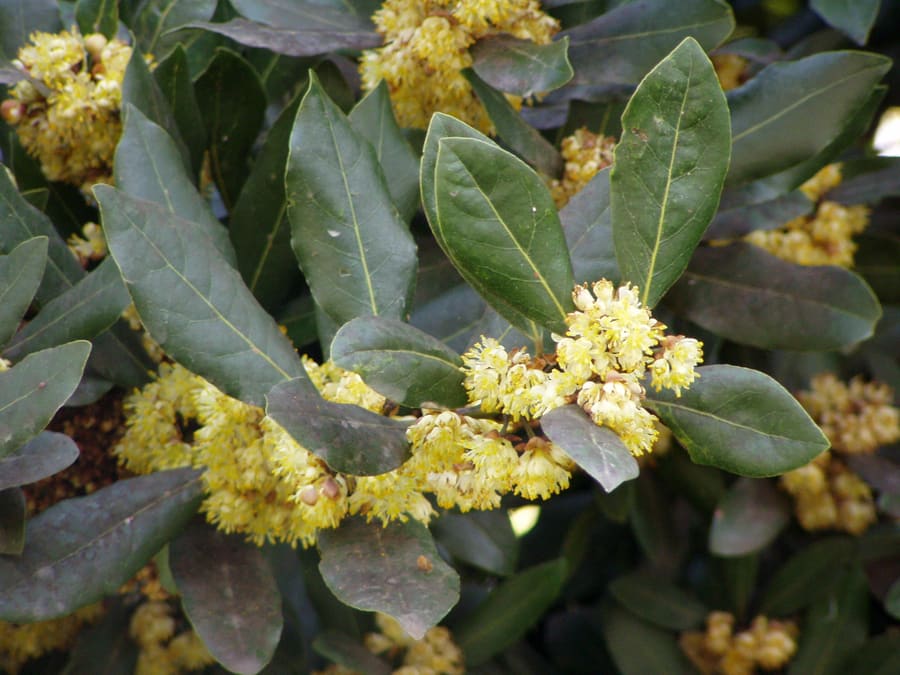 Bay laurel (Laurus nobilis)
Bay laurel (Laurus nobilis) is an aromatic evergreen shrub or small tree that can grow up to about 65 ft (20 m). It features leathery, dark green, lance-shaped leaves, small yellow flowers, and shiny black berries. The plant is well known for its culinary use (“bay leaves”) as well as its medicinal history in ancient Greece and Rome.
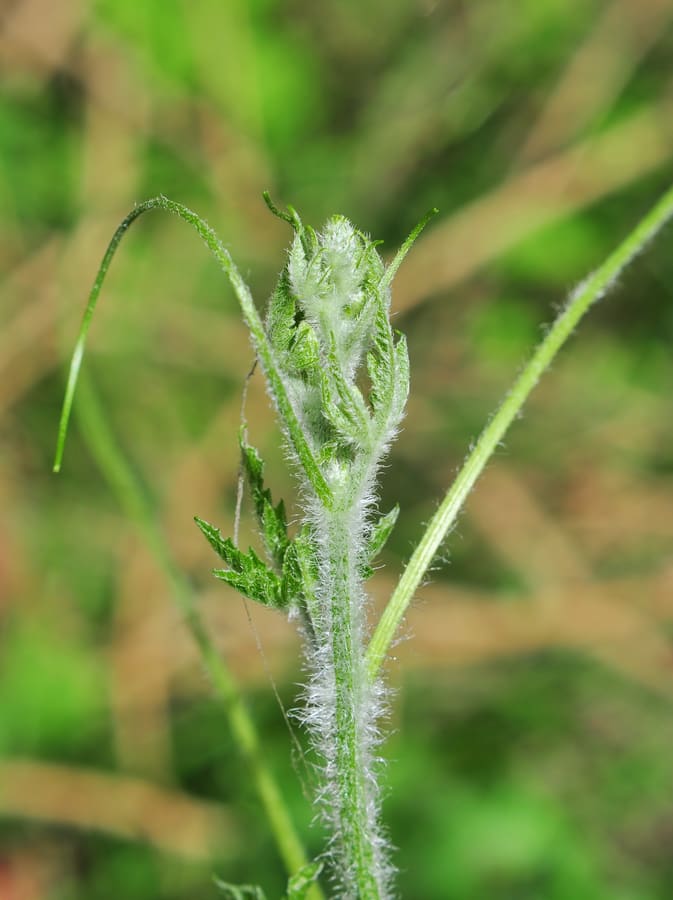 Bitter Melon (Momordica charantia)
Bitter melon is an annual climbing vine reaching about 6.5 feet, characterized by deeply lobed leaves, yellow flowers, and distinctive orange-yellow fruit. Native to southern Asia and now common throughout tropical regions worldwide, it is harvested year-round. Its edible fruit is used both as food and in medicine to treat diabetes in regions including Asia, East Africa and the Caribbean; MSK says data on whether it lowers blood sugar are limited.
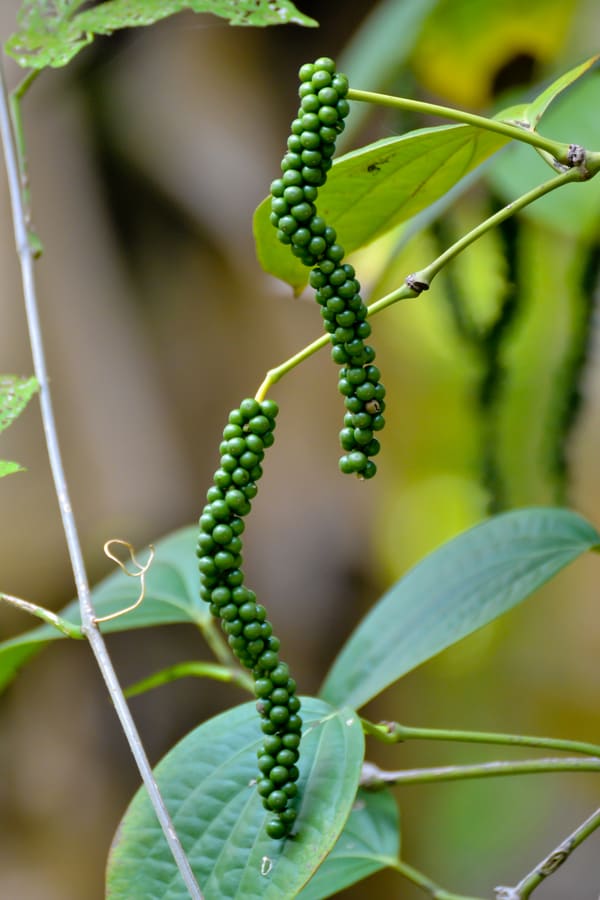 Black Pepper (Piper nigrum)
Black pepper is a perennial woody climbing vine growing to about 16 feet, with large oval leaves, spikes of small white flowers, and clusters of small round fruits that ripen from green to red. Native to southwestern India and now cultivated in tropical areas worldwide, the fruit is harvested from plants that are at least three years old. Different processing methods yield green, black, red, and white peppercorns, each with distinct flavors and uses. Cultivated as both a spice and medicine since ancient times, pepper was such a prized commodity in world trade that Attila the Hun reportedly demanded 3,000 pounds of it as ransom during his siege of Rome in 408 CE.