
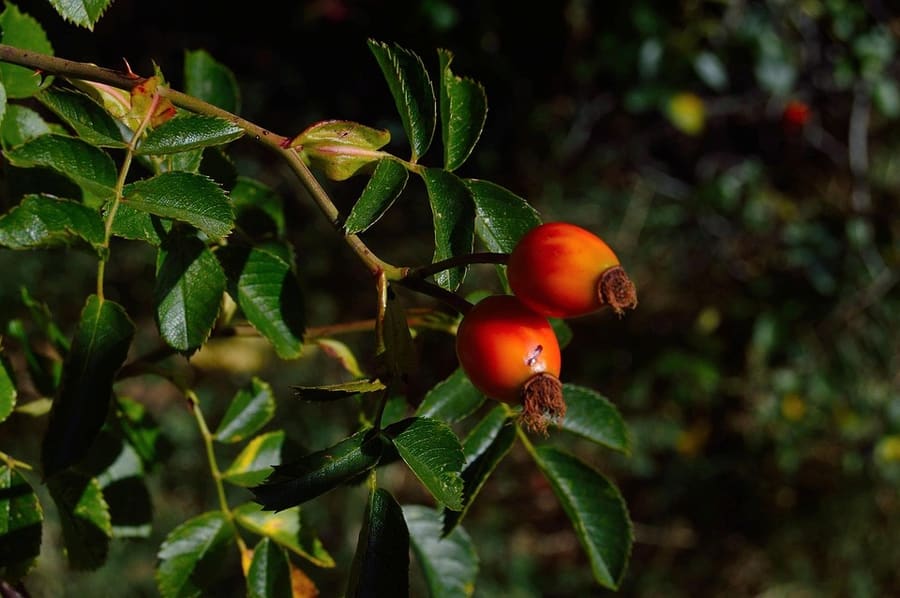
Goji Berry (Lycium chinense)
Photo: Pixabay
- Circulatory
- 4 conditions
- Licensed photo
Overview
Goji berry (Lycium barbarum) is a deciduous shrub that can grow up to about 13 ft (4 m), bearing bright green leaves and vivid scarlet berries. Goji berries have been used in Traditional Chinese Medicine, with references stretching back to the 1st century CE. The berries are rich in vitamins, polysaccharides, and carotenoids.
Traditional uses & properties
Constituents: Rich in zeaxanthin.
Safety & precautions
Pregnancy: Not recommended due to insufficient data. Blood-Thinning Medications: Avoid concurrent use with warfarin.
Educational reference only - not medical advice. Herbs can interact with medications. Consult a qualified healthcare provider before use. Full disclaimer.
Drug interactions
Interaction data is not available for this herb - talk to a pharmacist before combining it with any medication. A blank entry here means we have not documented interactions, not that none exist.
Habitat
Native to China and Tibet, goji berry is cultivated widely across central and northern China. Propagation typically occurs via seed in autumn. The root can be harvested throughout the year (often in spring), and the berries in late summer or early autumn.
Traditionally used for
- High Blood Pressure11 herbs · 2 free
- Aging3 herbs · 2 free
- Tinnitus3 herbs · 2 free
- Vertigo4 herbs · 2 free
Each condition shows its first 2 remedies free. Premium opens the full remedy list for every condition - or come back for the free Condition of the Day.
Frequently asked questions
What is Goji Berry (Lycium chinense) traditionally used for?
Traditional sources describe Goji Berry (Lycium chinense) as follows: Constituents: Rich in zeaxanthin.
What safety cautions apply to Goji Berry (Lycium chinense)?
Pregnancy: Not recommended due to insufficient data. Blood-Thinning Medications: Avoid concurrent use with warfarin.
Related herbs
 Ginkgo (Ginkgo biloba)
Ginkgo (Ginkgo biloba) is a distinctive, long-lived deciduous tree that can grow up to about 100 ft (30 m). It has fan-shaped leaves with radiating veins, often turning bright yellow in autumn. Ginkgo is widely promoted for cognitive impairment and dementia, and with claims that it can enhance cognitive performance in healthy people. NCCIH says ginkgo has not been shown to be effective for any condition studied, including preventing dementia.
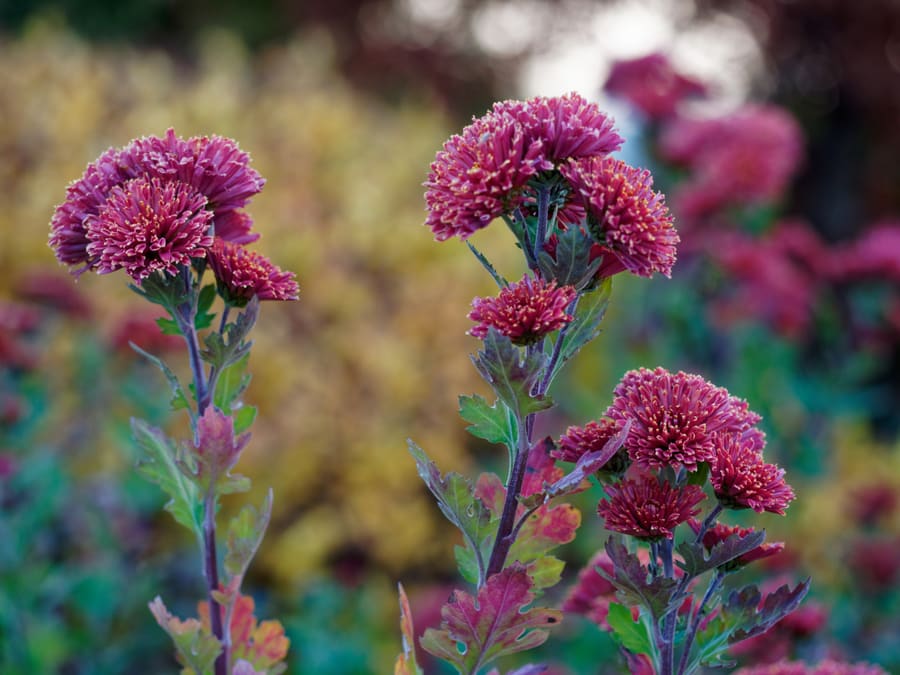 Ju Hua (Chrysanthemum x morifolium)
Ju hua (Chrysanthemum x morifolium), commonly called the florists’ chrysanthemum, is a perennial reaching about 5 ft (1.5 m), producing clusters of white or yellow daisy-like flowers.
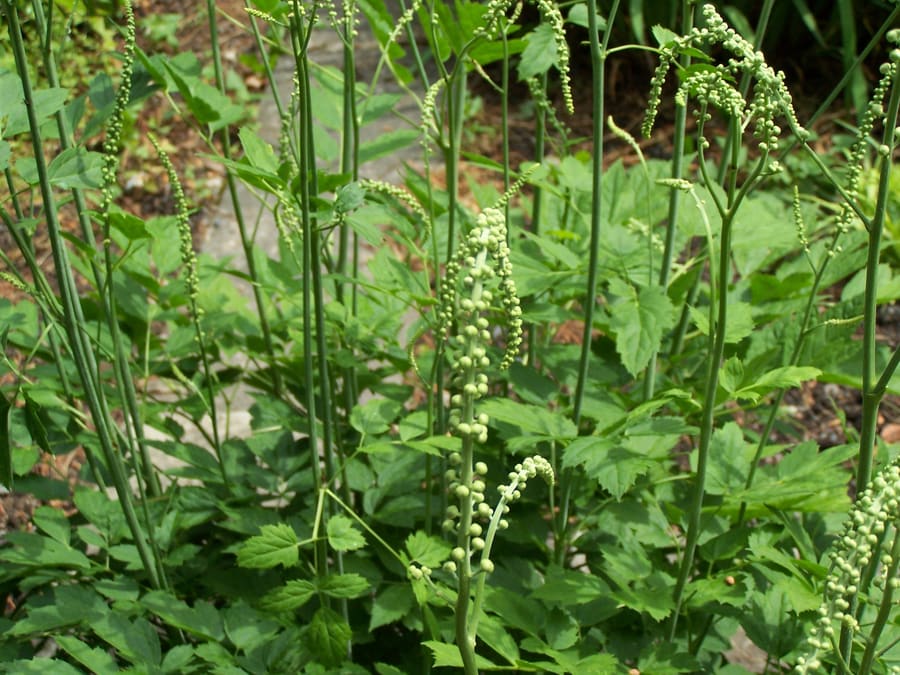 Black Cohosh (Cimicifuga racemosa)
Black cohosh (Cimicifuga racemosa) is a tall herbaceous perennial, growing up to about 8 ft (2.5 m) with creamy-white flower spikes. Its thick, knobby root has a bitter, acrid taste and a distinctive odor. Native Americans used the root for a variety of conditions, including menstrual cramps, kidney ailments and sore throat; NCCIH says research has focused on menopause symptoms, and there aren't enough reliable data on other uses.
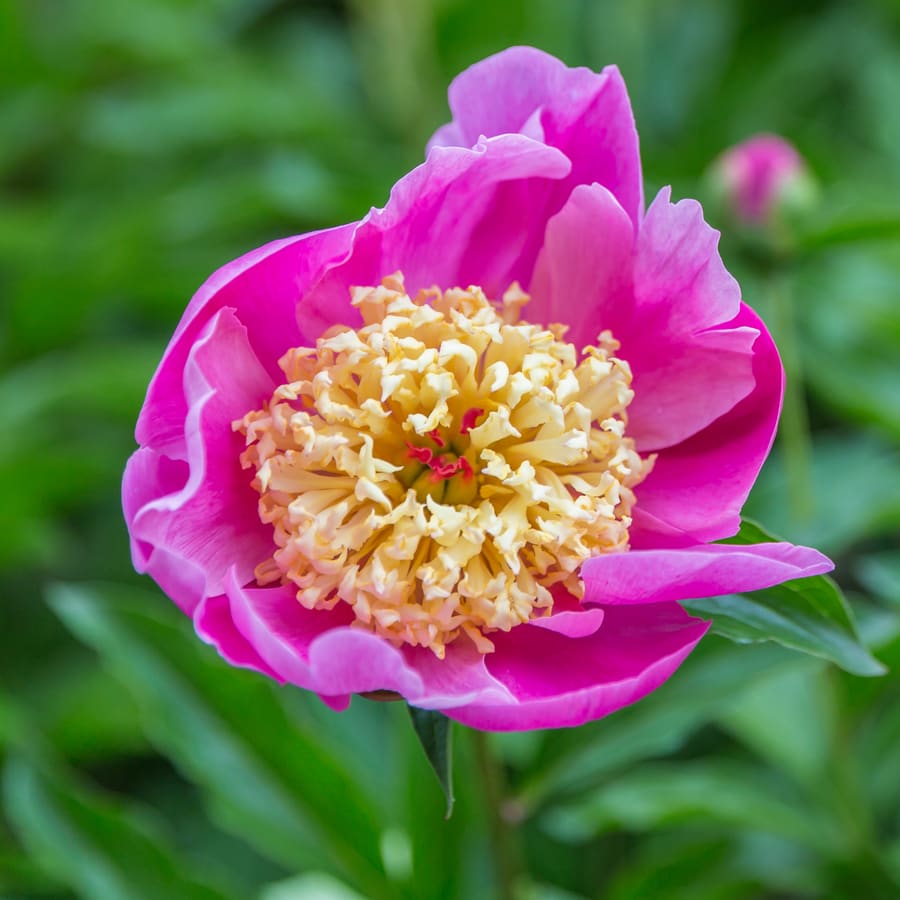 Chinese Peony / White Peony (Paeonia lactiflora)
White peony is an upright perennial growing to 6.5 feet with large white flowers and divided, dark green leaves. Its history of use in China stretches back at least 1,500 years, and it is one of the herbs in 'Four Things Soup.' The plant is cultivated throughout northeastern China and Inner Mongolia, propagated from seed in spring or from root cuttings in winter. The root of 4- or 5-year-old plants is harvested in spring or autumn.
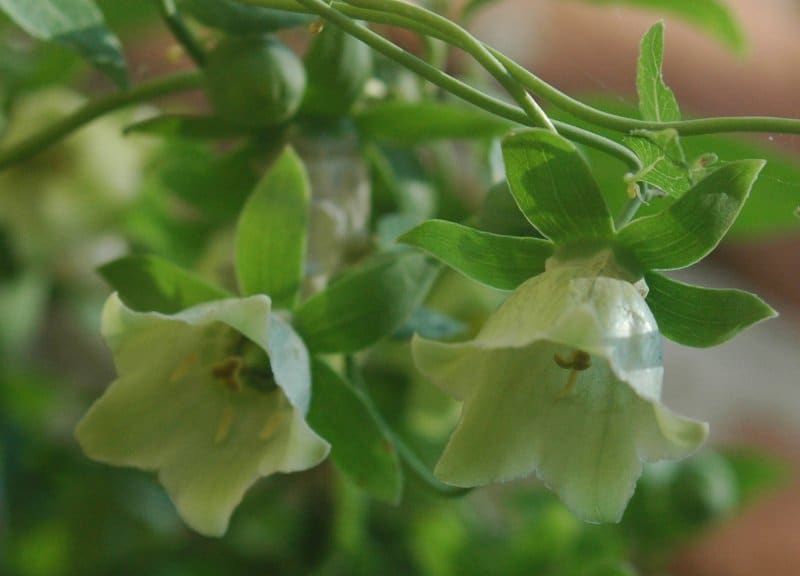 Codonopsis (Codonopsis pilosula)
Codonopsis is a small twining perennial growing to 5 feet with oval leaves and pendulous green and purple bell-shaped flowers marked with purple in summer. Native to northeastern China and growing throughout the region, especially in the Shanxi and Szechuan provinces, it is propagated from seed in spring or autumn, and the root is harvested in autumn once the aerial parts have died down. Codonopsis holds a central place in Chinese herbal medicine.
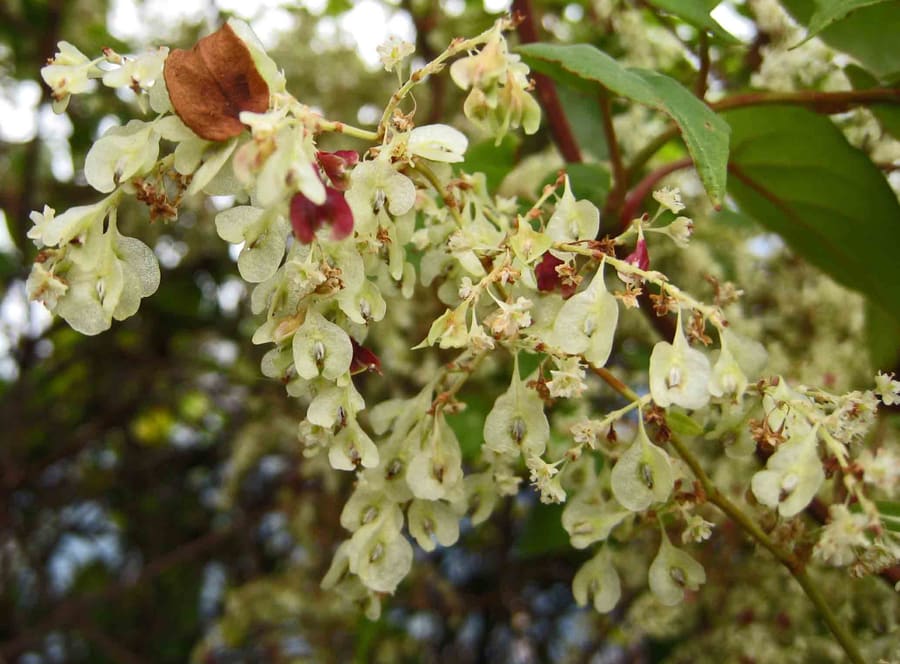 Fo Ti (Polygonum multiflorum)Not for self-dosing
Fo ti (Polygonum multiflorum), also known as he shou wu, is a perennial vine used in Traditional Chinese Medicine (TCM).
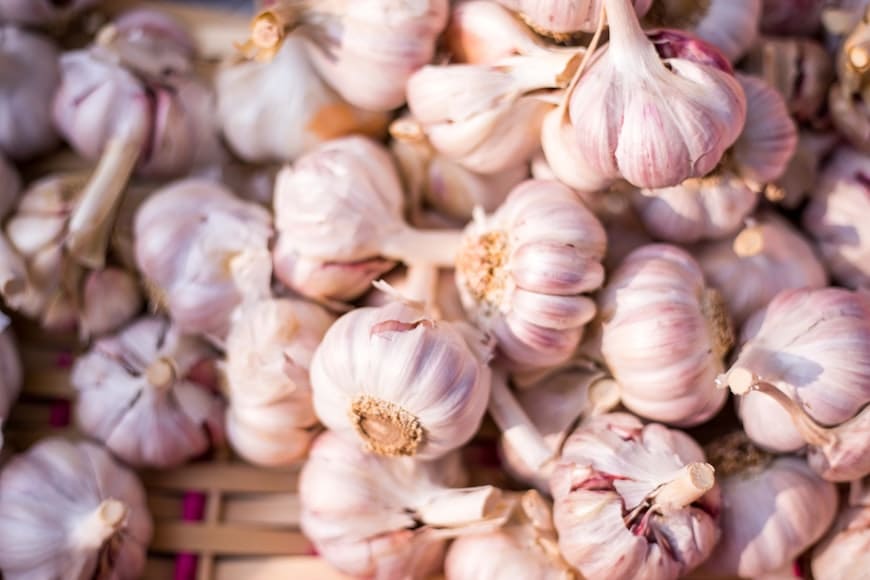 Garlic (Allium sativum)
Garlic (Allium sativum) is a bulbous perennial in the onion family, recognized for its sharp flavor and characteristic odor. It is widely used in cooking, and crushed fresh garlic contains allicin. NCCIH says garlic supplements may lower cholesterol, blood pressure and blood sugar to a small extent, but very little research has tested claims that they boost immunity.
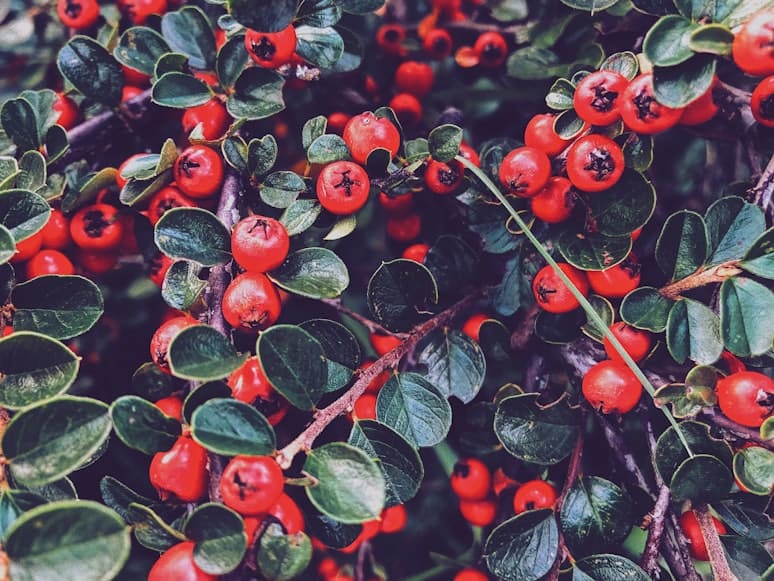 Hawthorn (Crataegus oxyacantha)
Hawthorn (Crataegus spp.) is a deciduous, thorny tree reaching up to about 26 ft (8 m), adorned with small lobed leaves, clusters of white blossoms, and bright red berries. Hawthorn has a long history in European medicine as a heart tonic and was traditionally used for heart disease, digestion and blood circulation. NCCIH says there is little or no quality evidence on hawthorn for most conditions, and conflicting evidence in heart failure.