
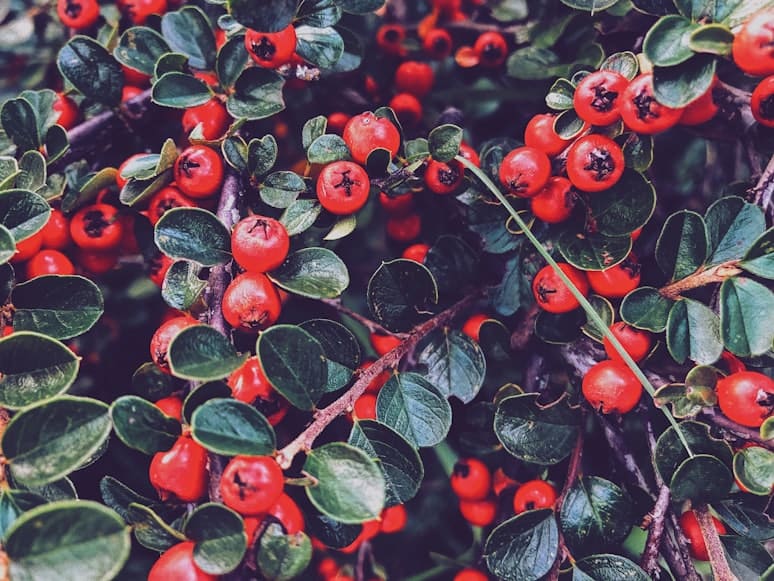
Hawthorn (Crataegus oxyacantha)
Photo: Unsplash
- Circulatory
- 2 conditions
- Licensed photo
Overview
Hawthorn (Crataegus spp.) is a deciduous, thorny tree reaching up to about 26 ft (8 m), adorned with small lobed leaves, clusters of white blossoms, and bright red berries. Hawthorn has a long history in European medicine as a heart tonic and was traditionally used for heart disease, digestion and blood circulation. NCCIH says there is little or no quality evidence on hawthorn for most conditions, and conflicting evidence in heart failure.
Traditional uses & properties
Heart remedy (traditional use): Traditionally used for heart disease and blood circulation, although NCCIH says there isn't enough evidence to know whether hawthorn affects heart disease, angina or abnormal heartbeat. Blood pressure (traditional use): Promoted for lowering high blood pressure, though MSK describes the data on lowering blood pressure as conflicting. Stress: Promoted today for conditions like anxiety; NCCIH says it is unclear whether hawthorn affects anxiety. Digestion (traditional use): Traditionally used for upset digestion; MSK says hawthorn is used for indigestion in traditional Chinese medicine, but clinical studies are lacking.
Safety & precautions
Interactions: Can interact with prescription medications for heart and blood pressure; seek professional advice if already on such drugs. Tejocote root: NCCIH notes FDA warnings that some supplements labeled tejocote root (Mexican hawthorn) actually contain yellow oleander, a toxic plant. General Safety: NCCIH says some hawthorn supplements might be safe in the short term, but no studies have tested use beyond 16 weeks, and one study suggested a specific preparation may have caused early worsening of heart failure. MSK advises that hawthorn should not replace conventional heart failure treatment.
Educational reference only - not medical advice. Herbs can interact with medications. Consult a qualified healthcare provider before use. Full disclaimer.
Drug interactions
Hawthorn is used for heart conditions, so the interaction questions mostly involve heart medicines. [1, 2]
- Heart failure medicines
- NCCIH describes one study in which a hawthorn preparation may have been linked to earlier worsening of heart failure, and names an interaction with the patients' drugs as one possible explanation. MSK advises using hawthorn with heart failure drugs only under the treating doctor's monitoring. [1, 2]
- Digoxin
- Laboratory data suggest hawthorn contains compounds similar in structure to digoxin, but a small trial in healthy volunteers found it safe alongside digoxin at the dose studied. MSK advises physician guidance. [2]
- Antiplatelet drugs and anticoagulants
- One laboratory study suggests hawthorn flowers may affect platelet signalling. Relevance is undetermined. [2]
- Medicines broken down by CYP3A4
- Laboratory studies suggest hawthorn may induce this enzyme. [2]
How to read this section: each entry is HerbMate's summary of what the cited sources report. Words such as "may", "theoretical" or "in laboratory or animal studies" mean the effect has not been confirmed in people, and "case report" means it was seen in one or a few patients. A medicine that is not listed here has not been shown to be safe with this herb. The numbers in brackets link to the sources at the foot of the page.
Habitat
Widely found along roadsides and in hedgerows throughout the British Isles, Europe, and temperate regions of the northern hemisphere, hawthorn can be grown from seed (though slow to germinate) or from cuttings. The flowering tops are harvested in late spring, and berries in late summer to early autumn.
Sources
The interaction notes and the statements on this page that name a source were written by HerbMate from these references, which were last checked in October 2026. They are summaries, not medical advice; ask a pharmacist about your own medicines.
Traditionally used for
Each condition shows its first 2 remedies free. Premium opens the full remedy list for every condition - or come back for the free Condition of the Day.
Frequently asked questions
What is Hawthorn (Crataegus oxyacantha) traditionally used for?
Traditional sources describe Hawthorn (Crataegus oxyacantha) as follows: Heart remedy (traditional use): Traditionally used for heart disease and blood circulation, although NCCIH says there isn't enough evidence to know whether hawthorn affects heart disease, angina or abnormal heartbeat. Blood pressure (traditional use): Promoted for lowering high blood pressure, though MSK describes the data on lowering blood pressure as conflicting. Stress: Promoted today for conditions like anxiety; NCCIH says it is unclear whether hawthorn affects anxiety. Digestion (traditional use): Traditionally used for upset digestion; MSK says hawthorn is used for indigestion in traditional Chinese medicine, but clinical studies are lacking.
What safety cautions apply to Hawthorn (Crataegus oxyacantha)?
Interactions: Can interact with prescription medications for heart and blood pressure; seek professional advice if already on such drugs. Tejocote root: NCCIH notes FDA warnings that some supplements labeled tejocote root (Mexican hawthorn) actually contain yellow oleander, a toxic plant. General Safety: NCCIH says some hawthorn supplements might be safe in the short term, but no studies have tested use beyond 16 weeks, and one study suggested a specific preparation may have caused early worsening of heart failure. MSK advises that hawthorn should not replace conventional heart failure treatment.
Related herbs
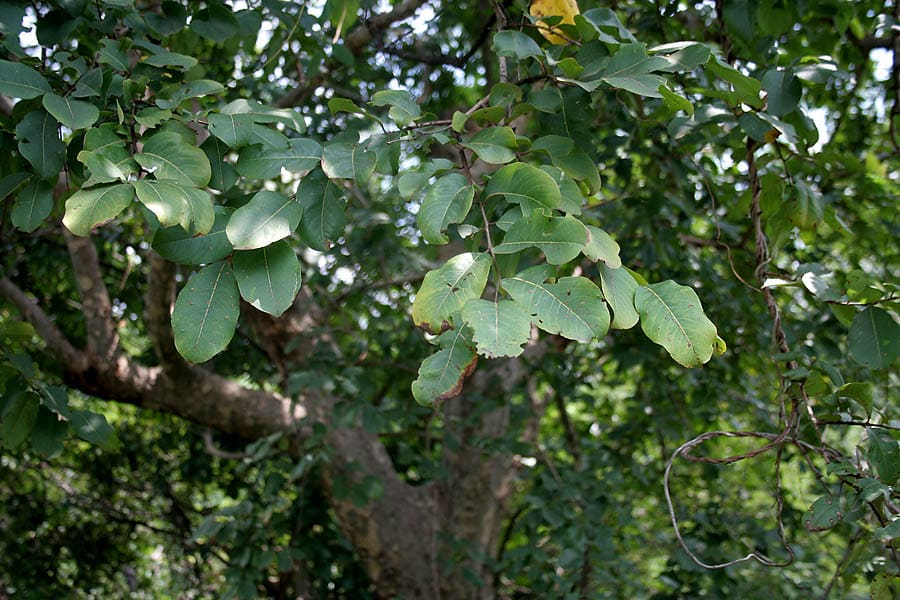 Arjun (Terminalia arjuna)
Arjun is an evergreen tree that can grow up to about 100 ft (30 m) high, bearing pale yellow flowers and cone-shaped leaves.
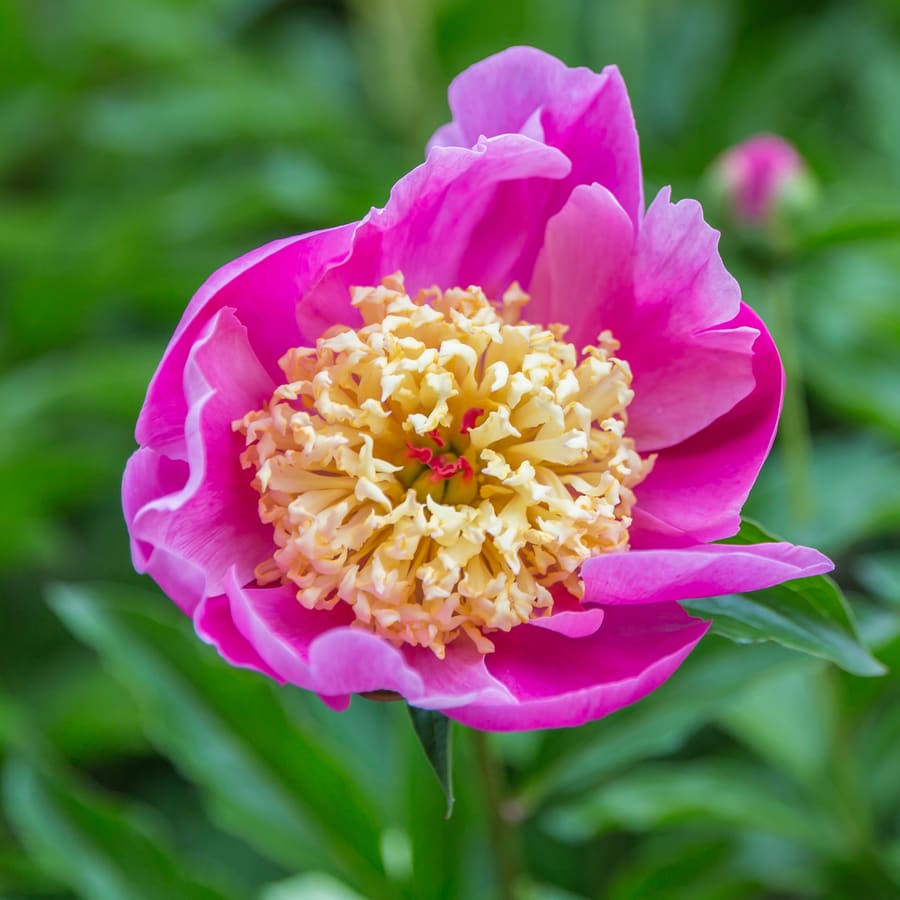 Chinese Peony / White Peony (Paeonia lactiflora)
White peony is an upright perennial growing to 6.5 feet with large white flowers and divided, dark green leaves. Its history of use in China stretches back at least 1,500 years, and it is one of the herbs in 'Four Things Soup.' The plant is cultivated throughout northeastern China and Inner Mongolia, propagated from seed in spring or from root cuttings in winter. The root of 4- or 5-year-old plants is harvested in spring or autumn.
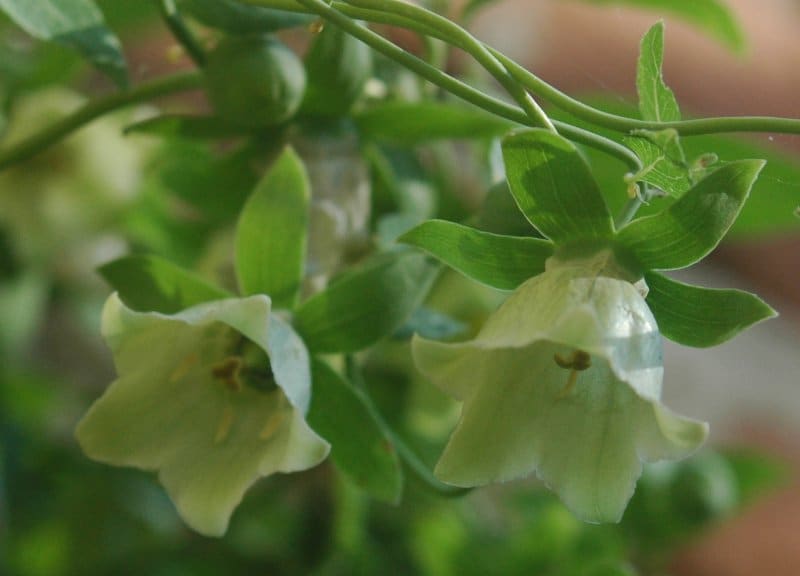 Codonopsis (Codonopsis pilosula)
Codonopsis is a small twining perennial growing to 5 feet with oval leaves and pendulous green and purple bell-shaped flowers marked with purple in summer. Native to northeastern China and growing throughout the region, especially in the Shanxi and Szechuan provinces, it is propagated from seed in spring or autumn, and the root is harvested in autumn once the aerial parts have died down. Codonopsis holds a central place in Chinese herbal medicine.
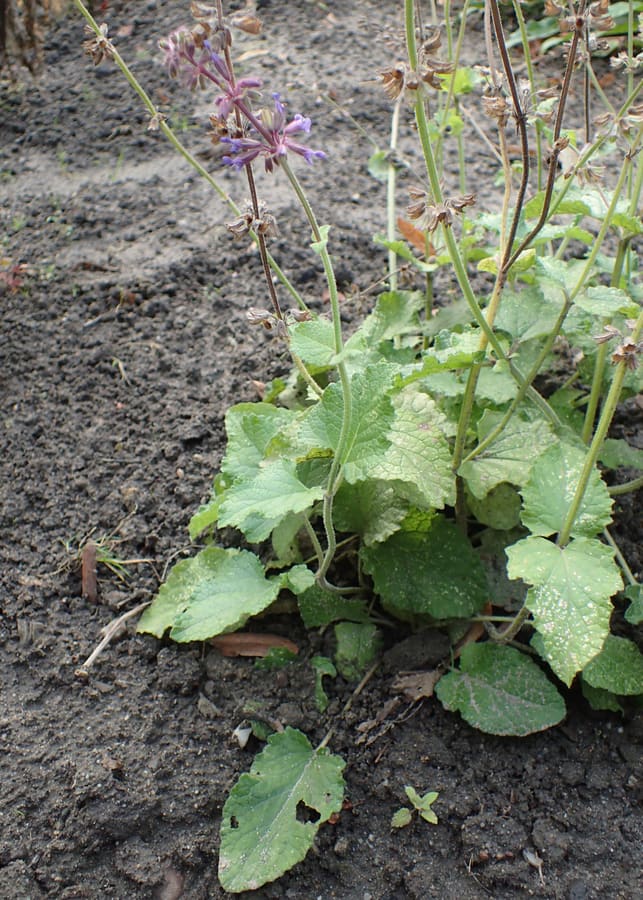 Dan Shen (Salvia miltiorrhiza)
Dan shen (Salvia miltiorrhiza) is a hardy perennial sage with purple flower clusters, growing up to 32 in (80 cm).
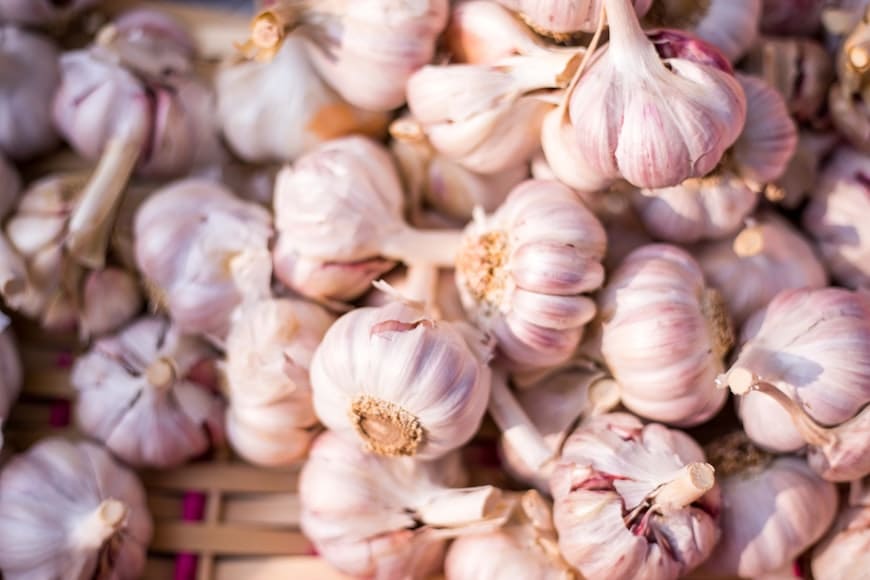 Garlic (Allium sativum)
 is a bulbous perennial in the onion family, recognized for its sharp flavor and characteristic odor. It is widely used in cooking, and crushed fresh garlic contains allicin. NCCIH says garlic supplements may lower cholesterol, blood pressure and blood sugar to a small extent, but very little research has tested claims that they boost immunity.
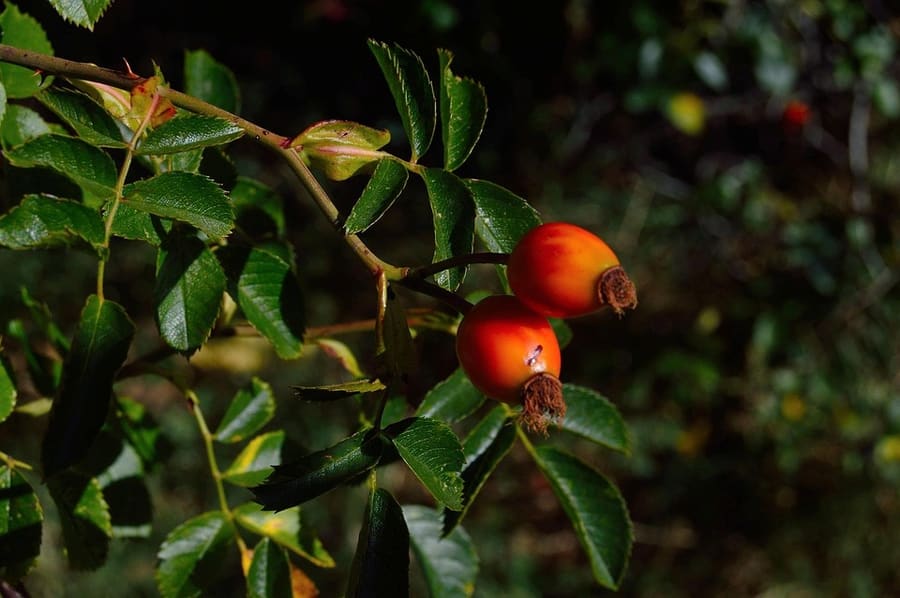 Goji Berry (Lycium chinense)
Goji berry (Lycium barbarum) is a deciduous shrub that can grow up to about 13 ft (4 m), bearing bright green leaves and vivid scarlet berries. Goji berries have been used in Traditional Chinese Medicine, with references stretching back to the 1st century CE. The berries are rich in vitamins, polysaccharides, and carotenoids.
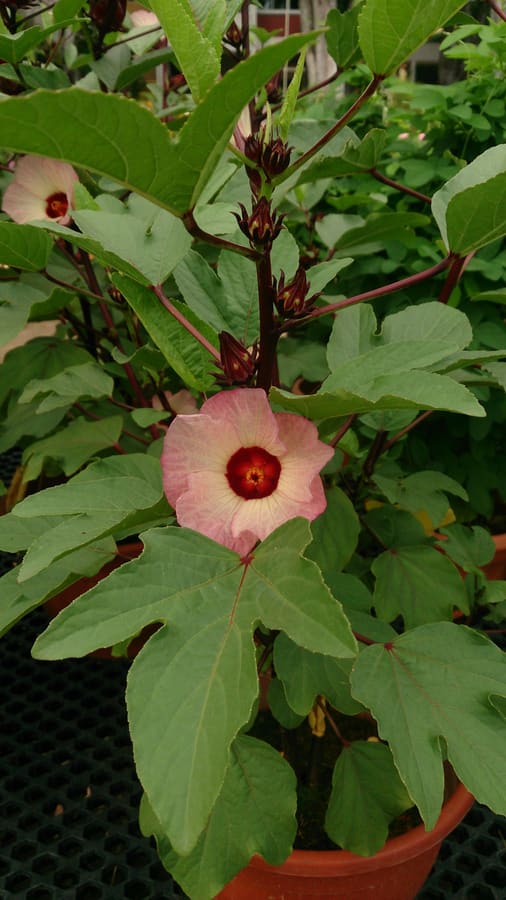 Hibiscus (Hibiscus sabdariffa)
 is a shrub (reaching about 6½ ft / 2 m) producing large, showy flowers and brightly colored calyces. It is valued for its tangy, ruby-red tea, known as “hibiscus tea” or “jamaica” in parts of Latin America.
 Ju Hua (Chrysanthemum x morifolium)
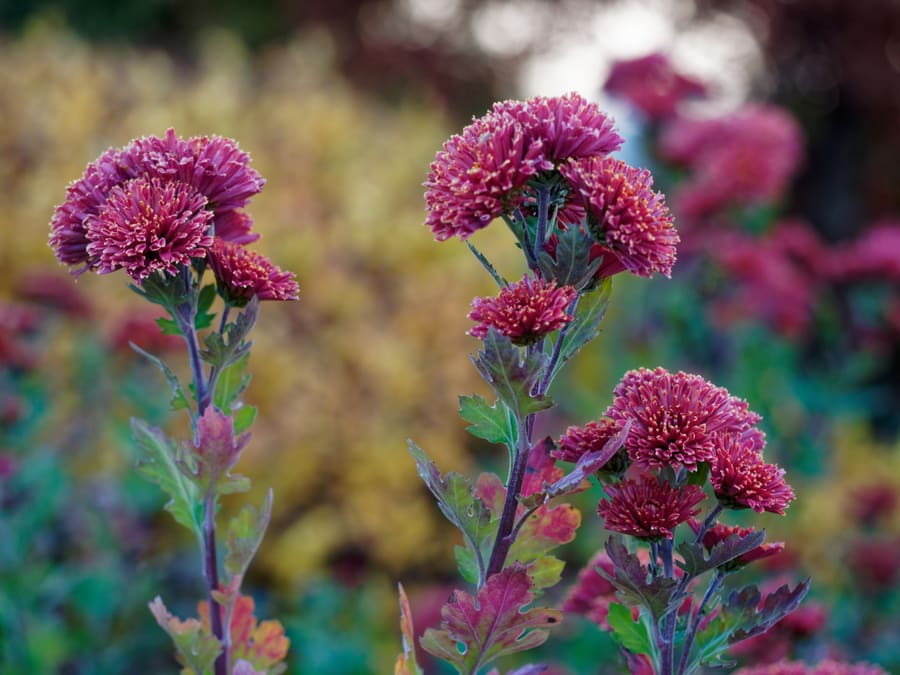
Ju hua (Chrysanthemum x morifolium), commonly called the florists’ chrysanthemum, is a perennial reaching about 5 ft (1.5 m), producing clusters of white or yellow daisy-like flowers.