
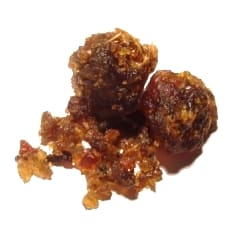
Guggul (Commiphora mukul)
Photo: derivative work: Photohound ( talk ) IncenseWikiVers.jpg : Transferred from en.wikipedia to Commons by Trengarasu using CommonsHelper . The original uploader was Sjschen at English Wikipedia . · CC BY-SA 2.5
- Circulatory
- 3 conditions
- Licensed photo
Overview
Guggul is a spiny shrub or tree growing to 6.5 feet with oval, serrated leaves, brownish-red flowers, and red fruits. The gum resin obtained from the bark forms pale yellow to brown 'tears' on the stems. Thriving in dry, semi-arid, and desert environments across much of the Indian subcontinent and the Middle East, it has been valued in Ayurvedic medicine for millennia. Guggul has been used in Ayurvedic medicine for centuries, and it has been studied for raised blood cholesterol; MSK says evidence is lacking for weight loss, studies on cholesterol are mixed, and one study suggests it may raise cholesterol.
Traditional uses & properties
Guggul is promoted for weight loss and high cholesterol; MSK says evidence is lacking for weight loss and studies on cholesterol are mixed. Its fat-soluble steroids, particularly guggulsterones E and Z, are the main active constituents. In Ayurveda, guggul is used for rheumatism and arthritis; MSK says evidence is lacking to support its use for arthritis. It is also used for acne; MSK says evidence is lacking for guggul alone.
Safety & precautions
Avoid if breastfeeding. Because it thins the blood, do not use in persons who bleed easily or during pregnancy. Avoid with hyperthyroid disorders. Medicines: In a small study in healthy volunteers, a single dose of gugulipid lowered blood levels of propranolol and diltiazem, which could make those drugs less effective. Laboratory studies summarized by MSK suggest guggul induces the enzyme CYP3A4, which could lower levels of other medicines processed by it. Ask a pharmacist before combining guggul with prescription drugs.
Educational reference only - not medical advice. Herbs can interact with medications. Consult a qualified healthcare provider before use. Full disclaimer.
Drug interactions
Interaction data is not available for this herb - talk to a pharmacist before combining it with any medication. A blank entry here means we have not documented interactions, not that none exist.
Habitat
Guggul thrives in dry, semi-arid, and desert environments across much of the Indian subcontinent and the Middle East. The gum resin is harvested from the bark.
Sources
The interaction notes and the statements on this page that name a source were written by HerbMate from these references, which were last checked in October 2026. They are summaries, not medical advice; ask a pharmacist about your own medicines.
Traditionally used for
Each condition shows its first 2 remedies free. Premium opens the full remedy list for every condition - or come back for the free Condition of the Day.
Frequently asked questions
What is Guggul (Commiphora mukul) traditionally used for?
Traditional sources describe Guggul (Commiphora mukul) as follows: Guggul is promoted for weight loss and high cholesterol; MSK says evidence is lacking for weight loss and studies on cholesterol are mixed. Its fat-soluble steroids, particularly guggulsterones E and Z, are the main active constituents. In Ayurveda, guggul is used for rheumatism and arthritis; MSK says evidence is lacking to support its use for arthritis. It is also used for acne; MSK says evidence is lacking for guggul alone.
What safety cautions apply to Guggul (Commiphora mukul)?
Avoid if breastfeeding. Because it thins the blood, do not use in persons who bleed easily or during pregnancy. Avoid with hyperthyroid disorders. Medicines: In a small study in healthy volunteers, a single dose of gugulipid lowered blood levels of propranolol and diltiazem, which could make those drugs less effective. Laboratory studies summarized by MSK suggest guggul induces the enzyme CYP3A4, which could lower levels of other medicines processed by it. Ask a pharmacist before combining guggul with prescription drugs.
Related herbs
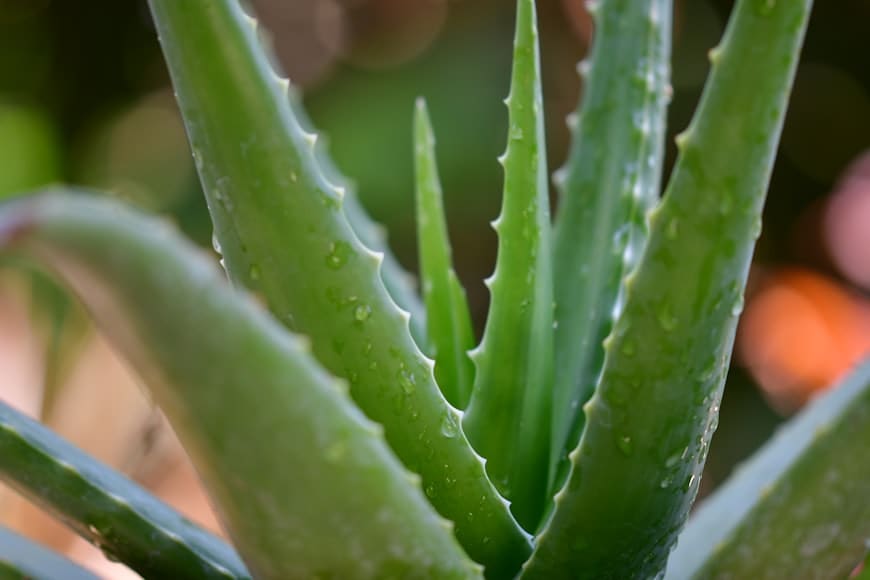 Aloe (Aloe vera)
Aloe vera (syn. A. barbadensis) is a succulent commonly grown as a potted plant, notable for its thick, fleshy leaves that contain two distinct medicinal components. Historically, the inner clear gel was used for skin conditions and to promote wound healing (NCCIH), while the bitter yellow sap from the leaf base, often called “bitter aloes,” is a strong laxative.
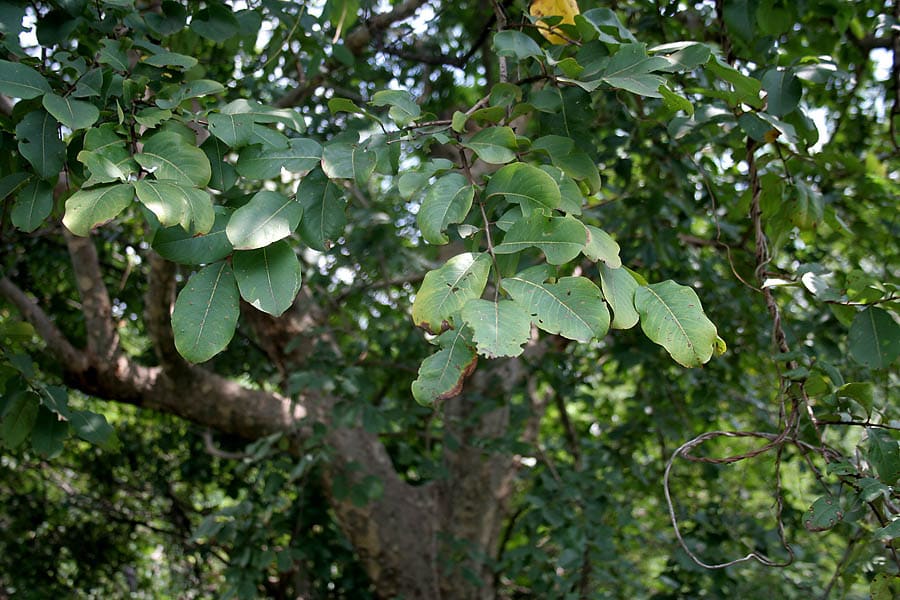 Arjun (Terminalia arjuna)
Arjun is an evergreen tree that can grow up to about 100 ft (30 m) high, bearing pale yellow flowers and cone-shaped leaves.
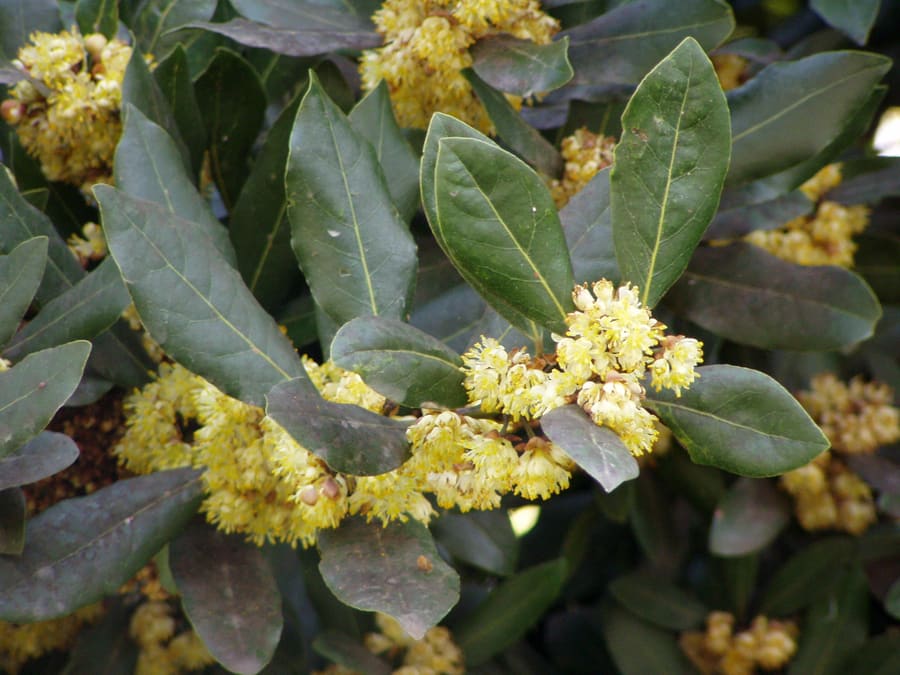 Bay laurel (Laurus nobilis)
Bay laurel (Laurus nobilis) is an aromatic evergreen shrub or small tree that can grow up to about 65 ft (20 m). It features leathery, dark green, lance-shaped leaves, small yellow flowers, and shiny black berries. The plant is well known for its culinary use (“bay leaves”) as well as its medicinal history in ancient Greece and Rome.
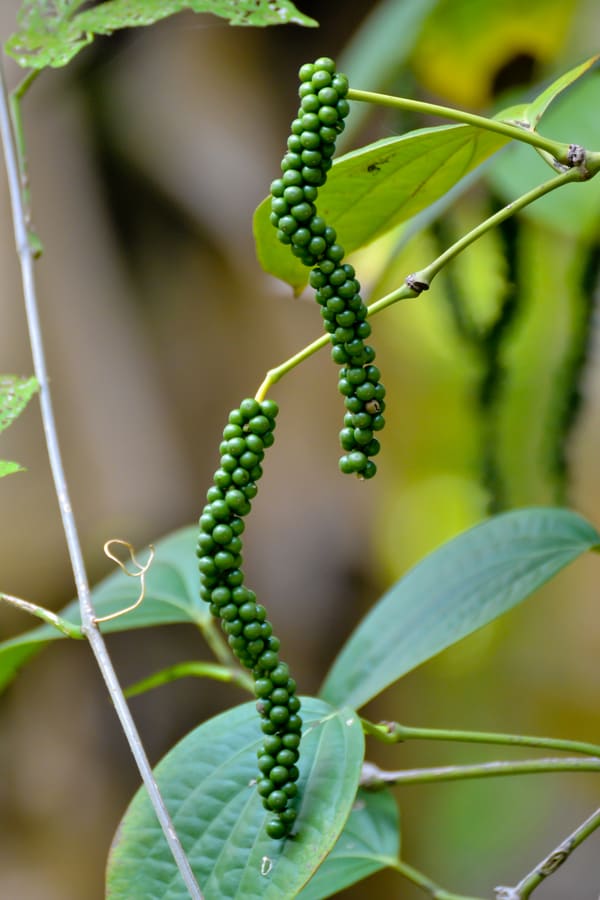 Black Pepper (Piper nigrum)
Black pepper is a perennial woody climbing vine growing to about 16 feet, with large oval leaves, spikes of small white flowers, and clusters of small round fruits that ripen from green to red. Native to southwestern India and now cultivated in tropical areas worldwide, the fruit is harvested from plants that are at least three years old. Different processing methods yield green, black, red, and white peppercorns, each with distinct flavors and uses. Cultivated as both a spice and medicine since ancient times, pepper was such a prized commodity in world trade that Attila the Hun reportedly demanded 3,000 pounds of it as ransom during his siege of Rome in 408 CE.
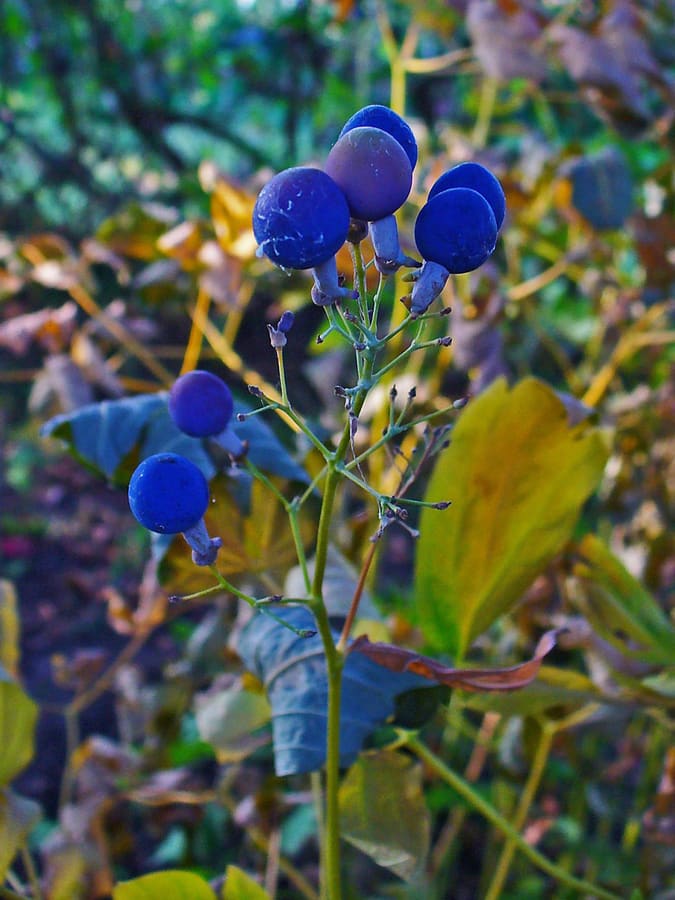 Blue Cohosh (Caulophyllum thalictroides)Not for self-dosing
Blue cohosh is an upright perennial herb reaching 3 feet in height, with large three-lobed leaves, yellow to purple flowers, and striking blue berries. It grows wild in much of eastern North America from Manitoba to Alabama, preferring woodland valleys and damp, north-facing slopes. The name 'cohosh' comes from the Algonquin language, and the plant was a popular remedy among many Native American tribes.
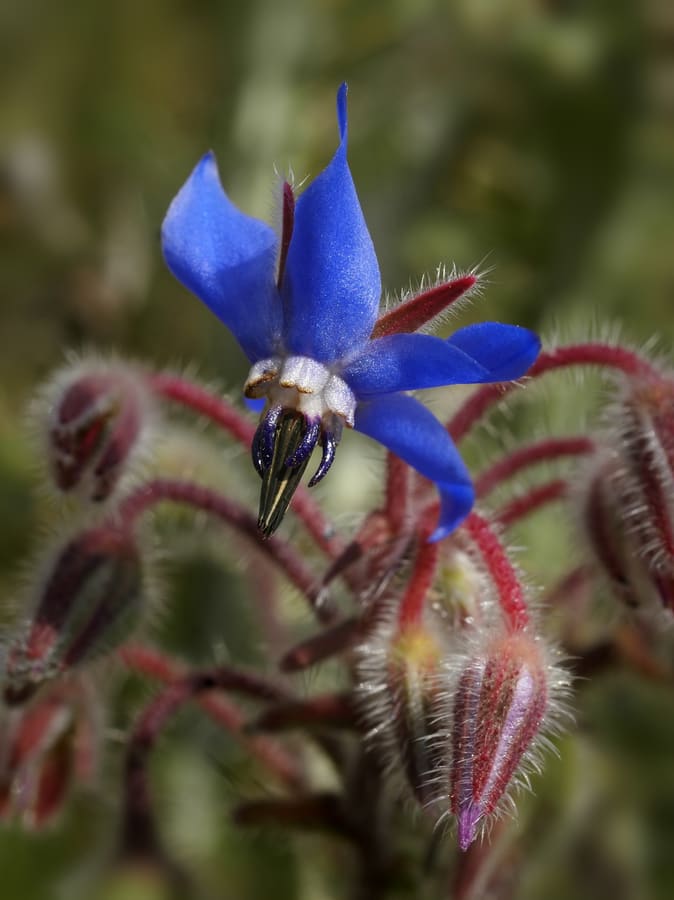 Borage (Borago officinalis)Not for self-dosing
Borage (Borago officinalis) is a coarse, hairy annual that grows to about 2 ft (60 cm), featuring a succulent stem, large basal leaves, and distinctively bright blue star-shaped flowers. The seeds yield an oil rich in gamma-linolenic acid (GLA), a polyunsaturated fatty acid.
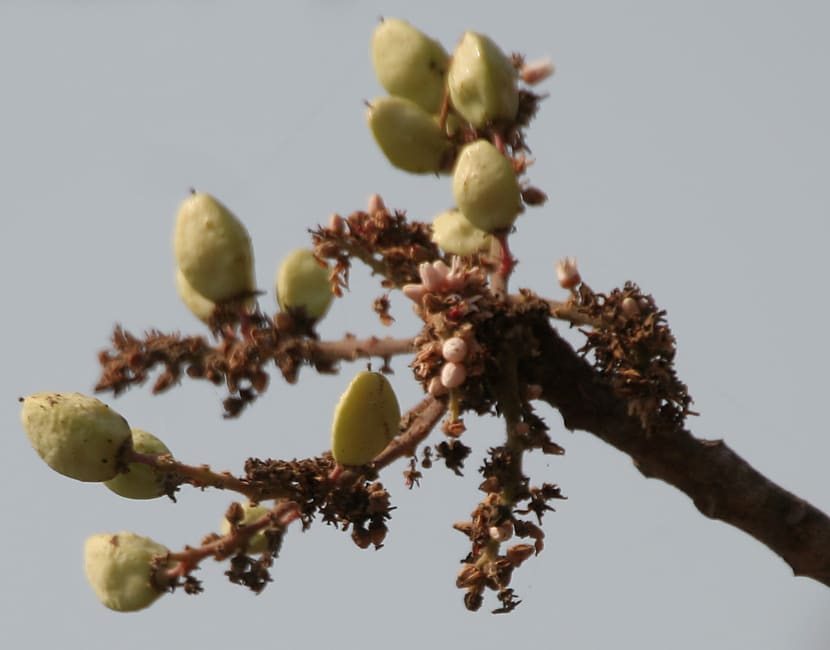 Boswellia (Boswellia serrata)
Boswellia is a deciduous tree growing to about 49 ft (15 m), characterized by its pale, papery bark, compound leaves, and small clusters of white flowers. The resin of the tree has traditionally been used in Ayurveda for arthritis, inflammation and pain, and some respiratory conditions (NCCIH). The key active components are boswellic acids. NCCIH says some studies suggest oral boswellia may ease osteoarthritis pain and inflammation, but there is not enough high-quality evidence to know whether it helps any health condition.
 Burdock (Arctium lappa)
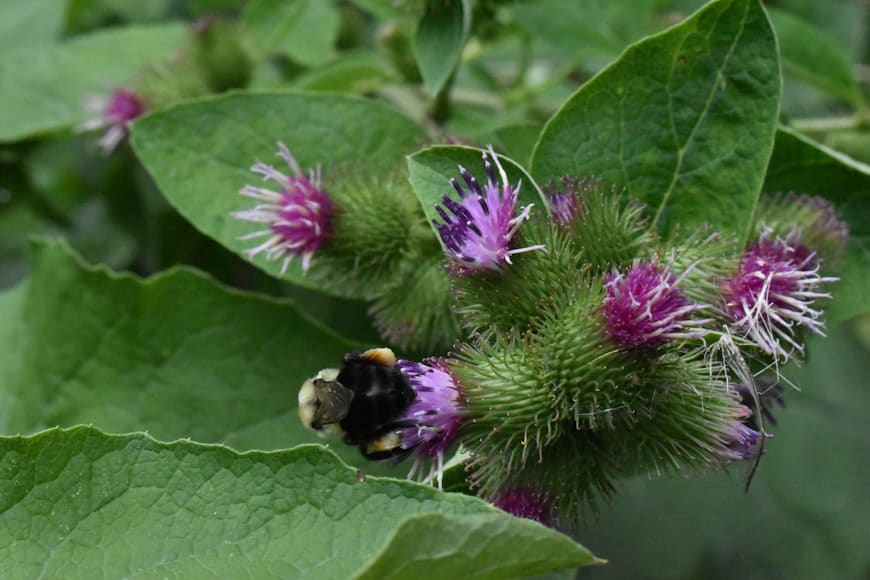
Burdock is a sturdy, bitter herb with large leaves.