
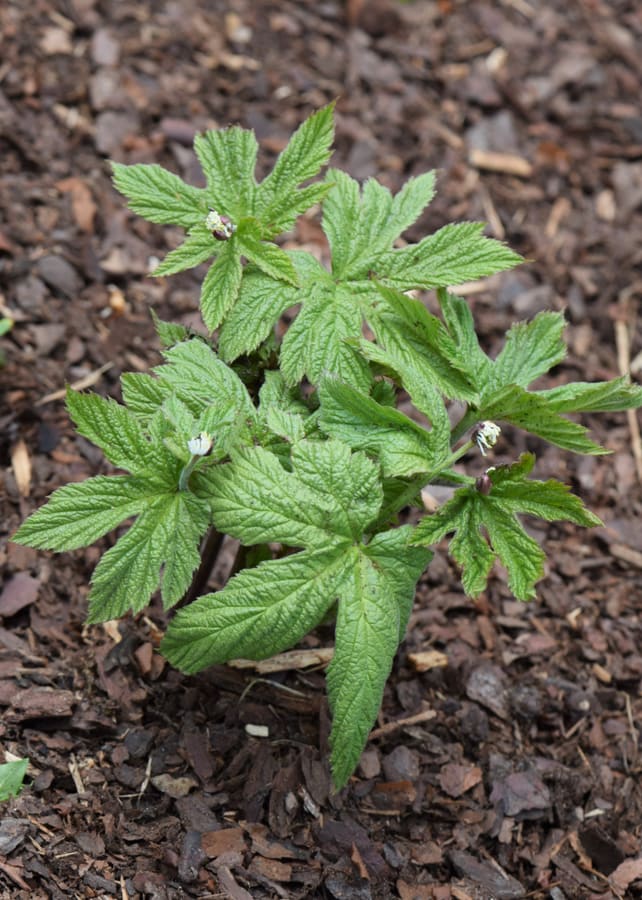
Goldenseal (Hydrastis canadensis)
Photo: Krzysztof Ziarnek, Kenraiz · CC BY-SA 4.0
- Respiratory
- 2 conditions
- Licensed photo
Overview
Goldenseal (Hydrastis canadensis) is a low-growing North American perennial, recognized by its thick yellow root and a short erect stem up to about 1 ft (30 cm). Native Americans historically used goldenseal for digestive disorders, wounds, skin and eye conditions, and cancer, and NCCIH says it is promoted today for colds and other upper respiratory infections, hay fever, diarrhea and constipation. NCCIH says there is not enough evidence to know whether goldenseal helps any health condition.
Traditional uses & properties
Digestion (traditional use): Native Americans used it for digestive disorders, and it is promoted for diarrhea; NCCIH says there is not enough evidence to know whether goldenseal helps any health condition, and the safety of long-term use is uncertain.
Safety & precautions
Short-Term Use: Not for long-term use as a single herb; NCCIH says the safety of taking goldenseal for longer periods is uncertain. Pregnancy and Breastfeeding: NCCIH says goldenseal should not be used during pregnancy or breastfeeding and should not be given to infants. High Blood Pressure: Not recommended if you already have elevated blood pressure. Children: Avoid giving it to young children.
Educational reference only - not medical advice. Herbs can interact with medications. Consult a qualified healthcare provider before use. Full disclaimer.
Drug interactions
NCCIH says goldenseal may change how the body processes many medicines. [1]
- Metformin
- In an NCCIH-funded study, metformin levels fell by roughly a quarter in healthy adults given goldenseal extract, a drop large enough that it could hinder glucose control. MSK gives the same warning. [1, 2]
- Medicines broken down by CYP3A4 or CYP2D6
- MSK reports that goldenseal inhibited these enzymes in healthy volunteers, which can change levels of many drugs. [2]
- Bosutinib
- Computer modeling cited by MSK predicts goldenseal could raise exposure to this oral cancer drug. [2]
How to read this section: each entry is HerbMate's summary of what the cited sources report. Words such as "may", "theoretical" or "in laboratory or animal studies" mean the effect has not been confirmed in people, and "case report" means it was seen in one or a few patients. A medicine that is not listed here has not been shown to be safe with this herb. The numbers in brackets link to the sources at the foot of the page.
Habitat
Native to moist, mountainous woodlands of eastern North America, goldenseal has become rare due to overharvesting. Listed as endangered since 1997, it should only be sourced from cultivated stock. It’s propagated by root division; the 3-year-old rhizomes are dug up in autumn and dried.
Sources
The interaction notes and the statements on this page that name a source were written by HerbMate from these references, which were last checked in October 2026. They are summaries, not medical advice; ask a pharmacist about your own medicines.
Traditionally used for
Each condition shows its first 2 remedies free. Premium opens the full remedy list for every condition - or come back for the free Condition of the Day.
Frequently asked questions
What is Goldenseal (Hydrastis canadensis) traditionally used for?
Traditional sources describe Goldenseal (Hydrastis canadensis) as follows: Digestion (traditional use): Native Americans used it for digestive disorders, and it is promoted for diarrhea; NCCIH says there is not enough evidence to know whether goldenseal helps any health condition, and the safety of long-term use is uncertain.
What safety cautions apply to Goldenseal (Hydrastis canadensis)?
Short-Term Use: Not for long-term use as a single herb; NCCIH says the safety of taking goldenseal for longer periods is uncertain. Pregnancy and Breastfeeding: NCCIH says goldenseal should not be used during pregnancy or breastfeeding and should not be given to infants. High Blood Pressure: Not recommended if you already have elevated blood pressure. Children: Avoid giving it to young children.
Related herbs
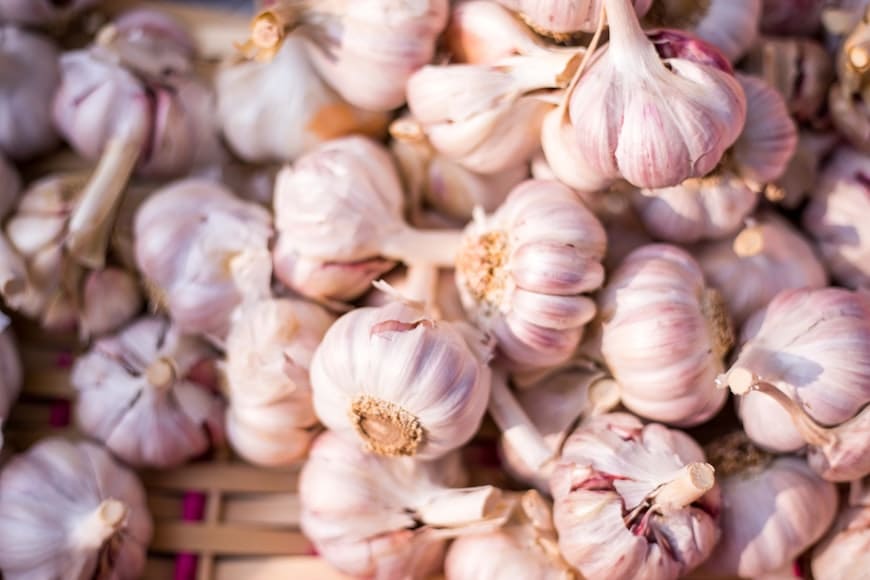 Garlic (Allium sativum)
Garlic (Allium sativum) is a bulbous perennial in the onion family, recognized for its sharp flavor and characteristic odor. It is widely used in cooking, and crushed fresh garlic contains allicin. NCCIH says garlic supplements may lower cholesterol, blood pressure and blood sugar to a small extent, but very little research has tested claims that they boost immunity.
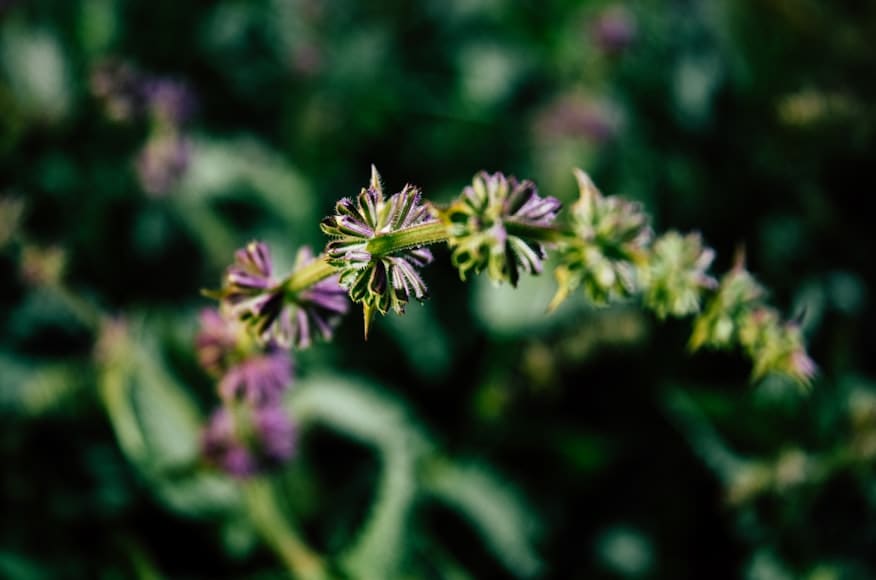 Gentian (Gentiana lutea)
Gentian (Gentiana lutea) is a robust, upright perennial growing to about 4 ft (1.2 m), with bright yellow, star-shaped flowers and oval leaves. Known for its exceptionally bitter constituents (particularly gentiopicroside and amarogentin), gentian has long been a key ingredient in aperitifs and digestifs.
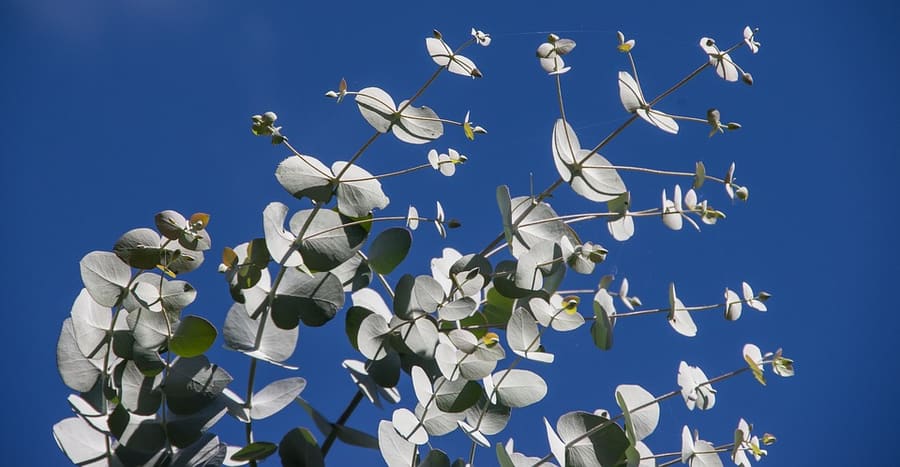 Eucalyptus (Eucalyptus globulus)
For many people the scent of eucalyptus conjures up days spent in bed during childhood with eucalyptus and other oils smothered on the chest. Eucalyptus is a common ingredient in many over-the-counter cold remedies.
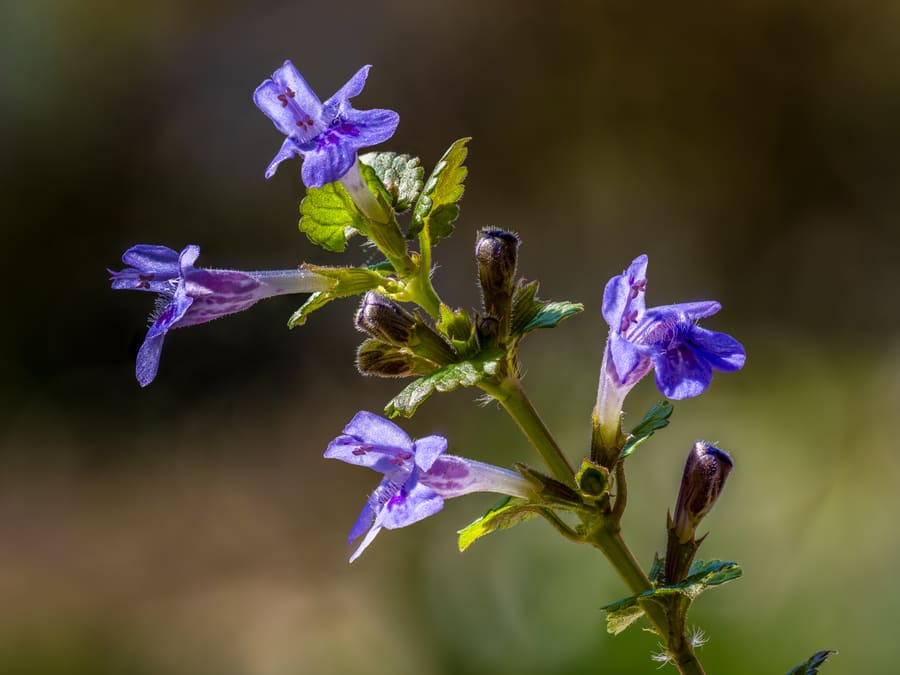 Ground Ivy (Glechoma hederacea)
Ground ivy (Glechoma hederacea), sometimes called “alehoof,” is a creeping perennial growing to about 6 in (15 cm), with long rooting runners, scallop-edged kidney-shaped leaves, and purple-blue whorled flowers. It is mildly bitter and astringent in taste.
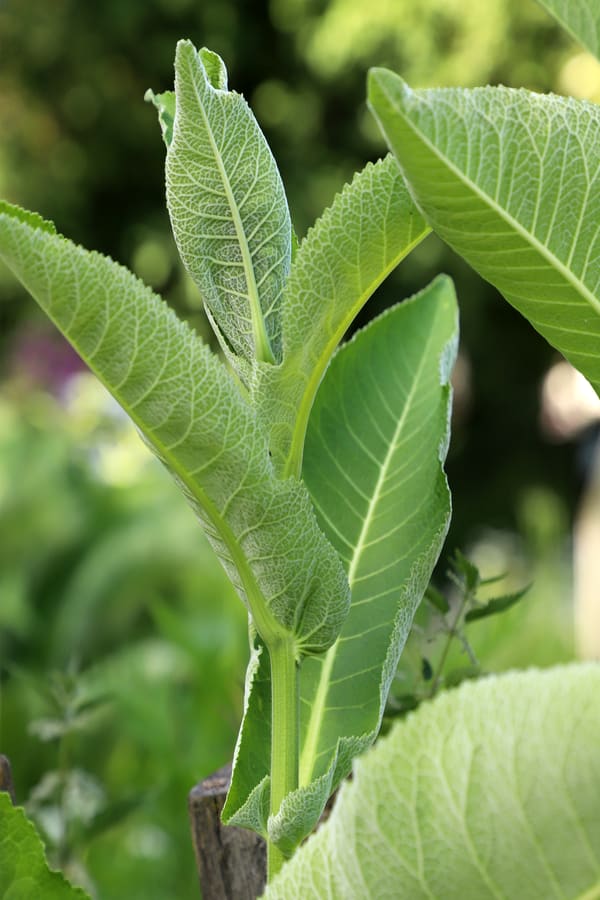 Horseradish (Armoracia rusticana)
Horseradish (Armoracia rusticana) is a robust perennial with a thick, pungent taproot, large crinkled leaves, and clusters of white flowers. It is known for its strongly spicy flavor.
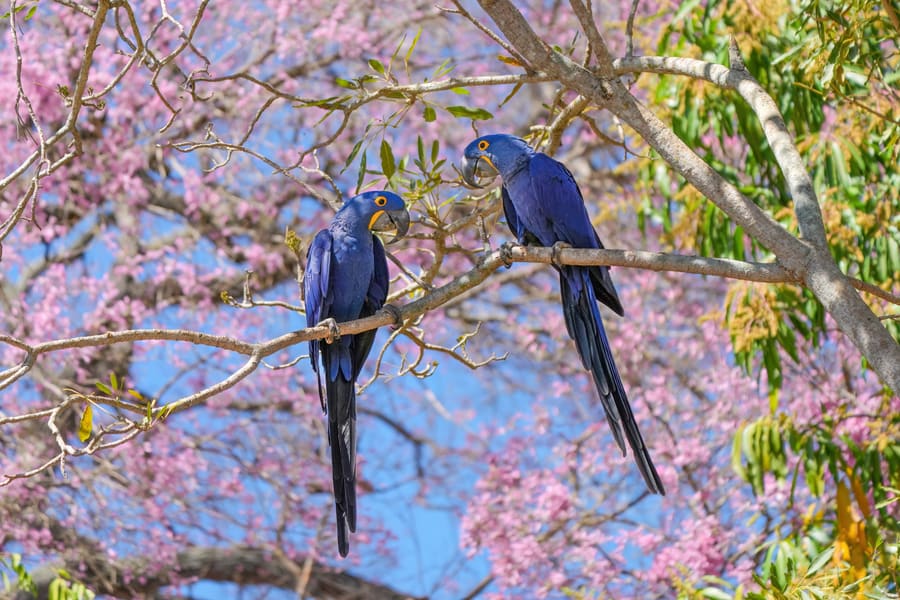 Pau d'Arco (Tabebuia impetiginosa)
Pau d'arco is an evergreen tree that can reach 100 feet in height, producing pink flowers. The bark of this South American tree is used as a tea in traditional medicine for a wide range of ailments; MSK says its antibacterial and anticancer effects in laboratory studies have not been shown in humans. The tree grows in both mountainous terrains high in the Andes and in low-lying areas of Paraguay and Brazil. The prized inner bark is collected from wild-growing trees throughout the year.
- Triphala (Terminalia chebula blend)
Triphala is not a single herb but a traditional Ayurvedic blend of three fruits: haritaki (Terminalia chebula), bibhitaki (Terminalia bellirica), and amalaki or Indian gooseberry (Emblica officinalis). Haritaki is described in Ayurveda as having five flavors (bitter, sour, astringent, salty, and sweet). Bibhitaki is described as pungent and warming. Amalaki is also described as having five flavors (sour, astringent, sweet, pungent, and bitter) and contains small amounts of anthraquinones.