
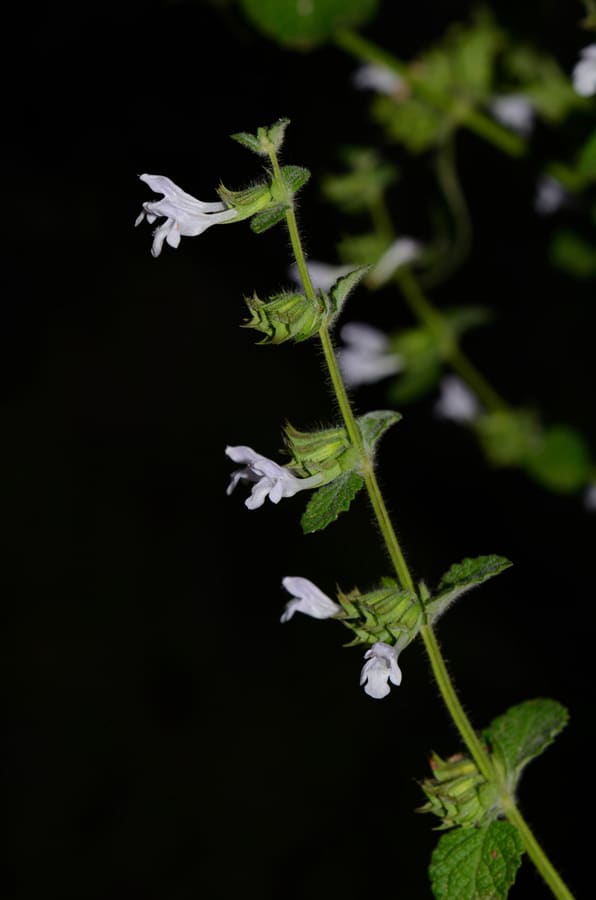
Lemon Balm (Melissa officinalis)
Photo: Gideon Pisanty ( Gidip ) גדעון פיזנטי · CC BY 3.0
- Circulatory
- 3 conditions
- Licensed photo
Overview
Lemon balm (Melissa officinalis) is a sweetly scented, perennial herb growing up to about 5 ft (1.5 m), with small white flowers and toothed leaves that release a distinct lemon aroma.
Safety & precautions
Essential Oil (Internal Use): Avoid unless under professional supervision. Thyroid: It may reduce thyroid function and should be used cautiously in hypothyroidism.
Educational reference only - not medical advice. Herbs can interact with medications. Consult a qualified healthcare provider before use. Full disclaimer.
Drug interactions
Interaction data is not available for this herb - talk to a pharmacist before combining it with any medication. A blank entry here means we have not documented interactions, not that none exist.
Habitat
Native to southern Europe, western Asia, and northern Africa, lemon balm is now found worldwide in temperate climates. It thrives in well-drained soil with ample sunlight, propagating from seeds or cuttings in spring. Harvest occurs before or when flowers open, typically in early summer.
Traditionally used for
Each condition shows its first 2 remedies free. Premium opens the full remedy list for every condition - or come back for the free Condition of the Day.
Frequently asked questions
What safety cautions apply to Lemon Balm (Melissa officinalis)?
Essential Oil (Internal Use): Avoid unless under professional supervision. Thyroid: It may reduce thyroid function and should be used cautiously in hypothyroidism.
Related herbs
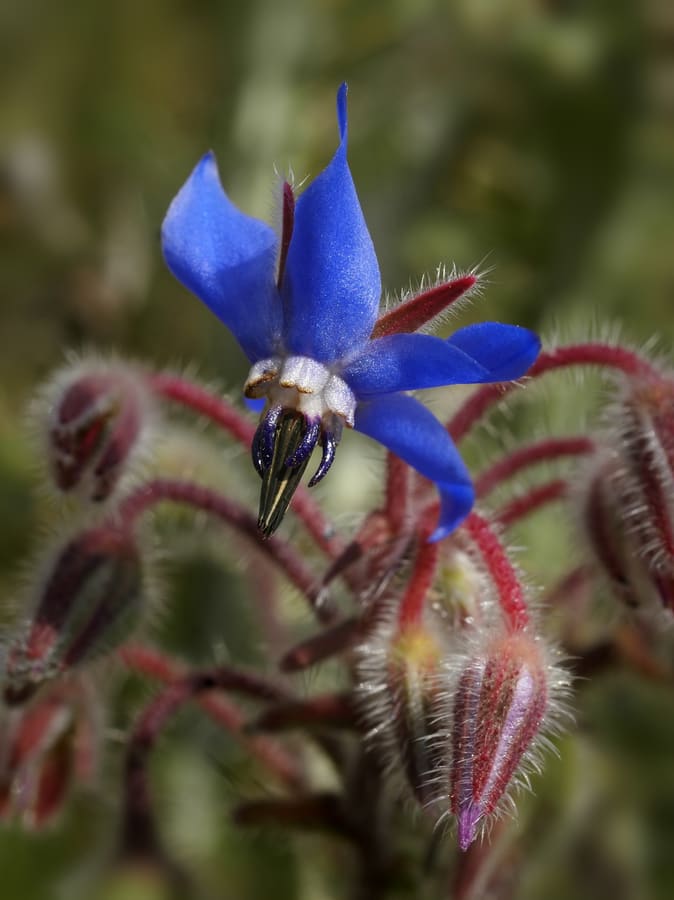 Borage (Borago officinalis)Not for self-dosing
Borage (Borago officinalis) is a coarse, hairy annual that grows to about 2 ft (60 cm), featuring a succulent stem, large basal leaves, and distinctively bright blue star-shaped flowers. The seeds yield an oil rich in gamma-linolenic acid (GLA), a polyunsaturated fatty acid.
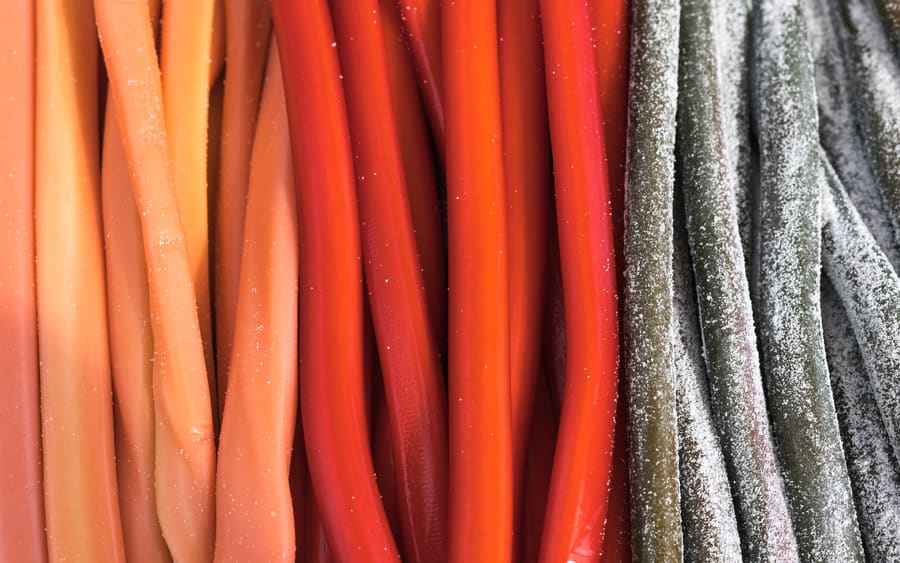 Licorice
Licorice (Glycyrrhiza glabra) is a tall, woody-stemmed perennial reaching about 6½ ft (2 m), with dark green leaves and cream-to-mauve pea-like flowers. Its root has a long history of use in traditional medicine for coughing, asthma and wound healing, and NCCIH says it is promoted today for digestive, respiratory and energy support. NCCIH says there isn't enough high-quality evidence to clearly support licorice for any health condition. Licorice is widely used in Chinese, European, and Western herbal medicine.
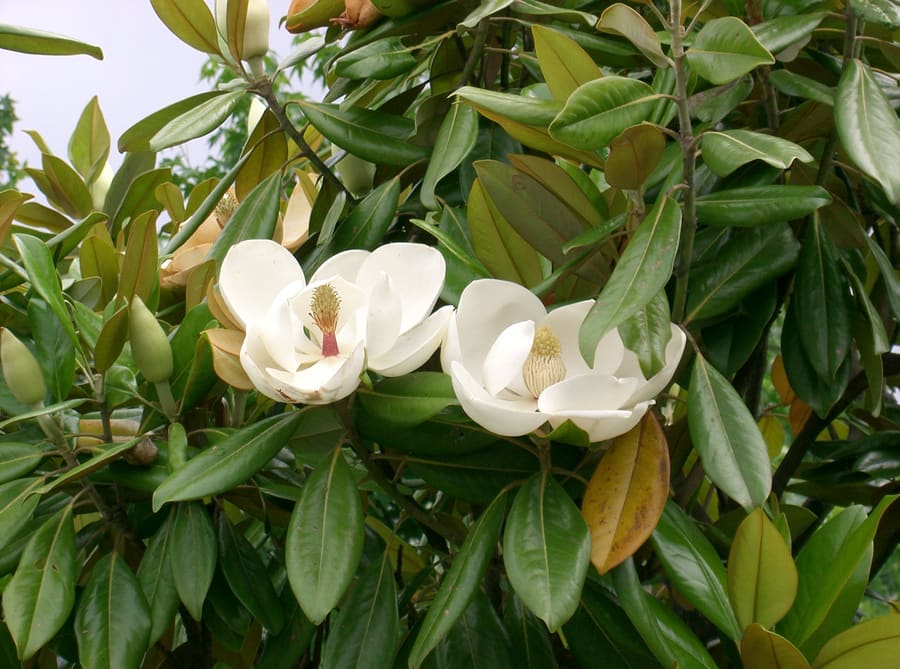 Magnolia (Magnolia officinalis)
Magnolia (Magnolia officinalis) is a deciduous tree that can reach about 80 ft (25 m) in height, featuring large, aromatic bark, substantial green leaves, and fragrant creamy-white flowers. The dried bark is rich in lignans such as honokiol and magnolol.
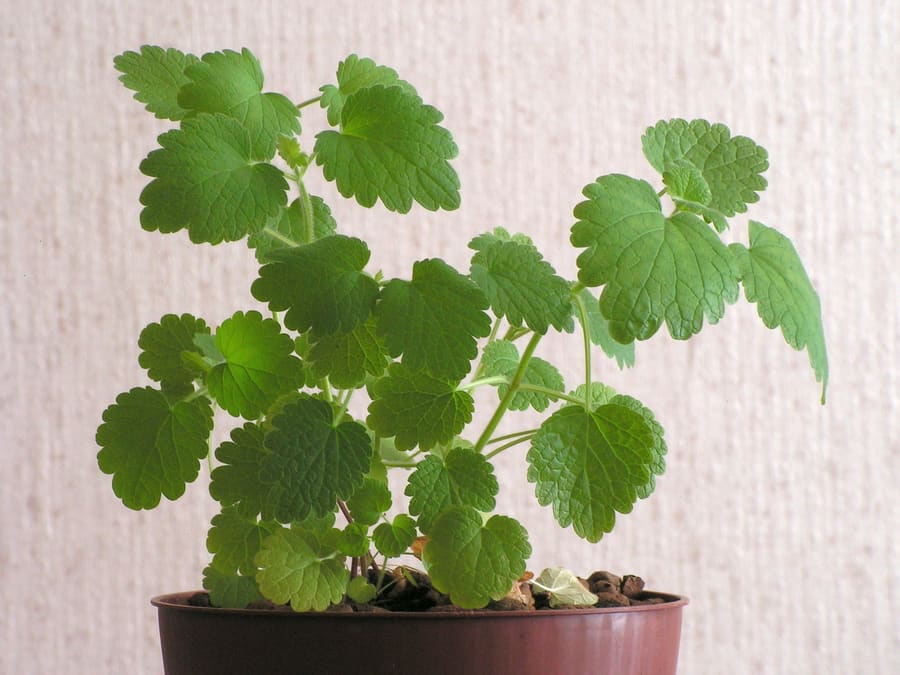 Motherwort (Leonurus cardiaca)
Motherwort (Leonurus cardiaca) is a perennial herb up to about 5 ft (1.5 m), featuring toothed, palm-shaped leaves and clusters of pink, double-lipped flowers.
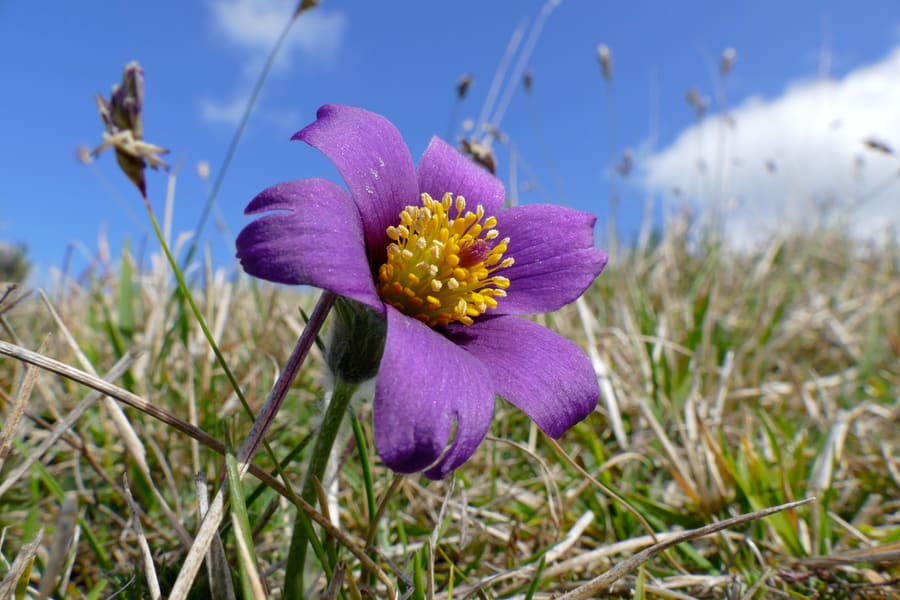 Pulsatilla (Pulsatilla vulgaris)Not for self-dosing
Pulsatilla (Pulsatilla vulgaris), also known as pasque flower, is a small, hairy perennial to about 6 in (15 cm). It bears purple-blue, bell-shaped flowers in spring.
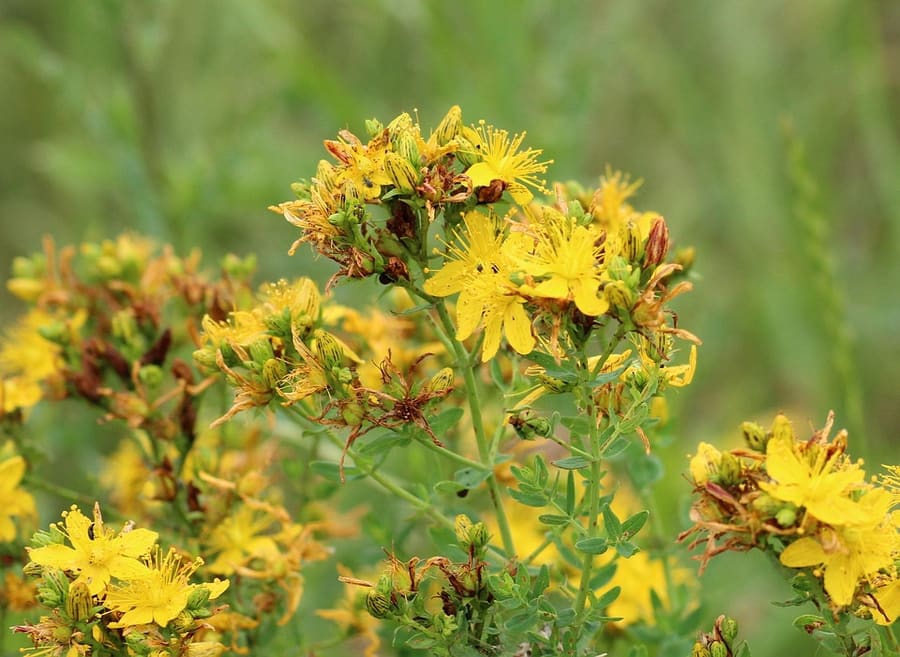 St. John’s Wort (Hypericum perforatum)
St. John’s wort (Hypericum perforatum) is an erect perennial reaching about 32 in (80 cm), with bright yellow flowers in clusters. It exudes a red pigment (“hypericin”) when the flowers or leaves are crushed. It has been used historically for low mood, colds, and wound healing. NCCIH says it may help mild or moderate depression but can interact in dangerous, sometimes life-threatening ways with many medicines.