
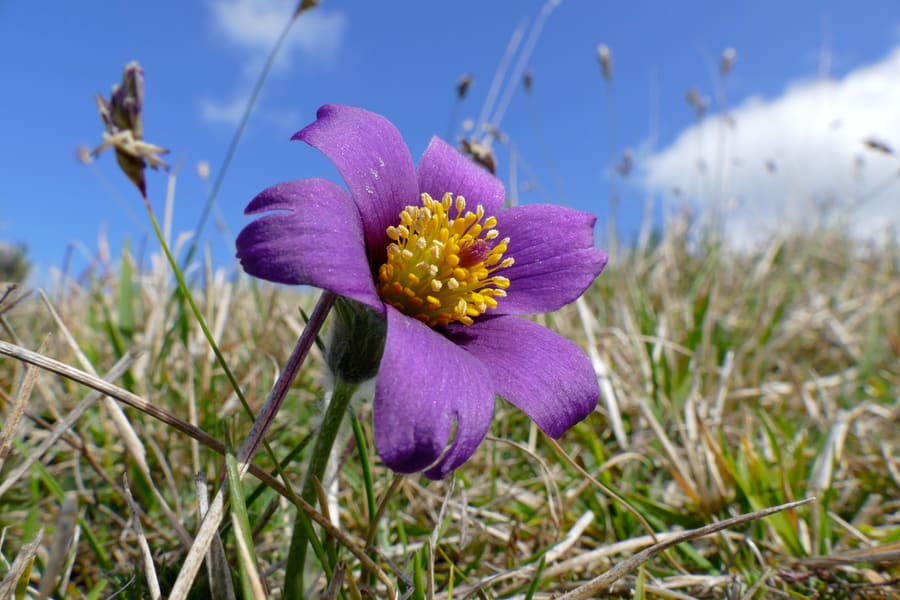
Pulsatilla (Pulsatilla vulgaris)
Photo: Bernard DUPONT from FRANCE · CC BY-SA 2.0
- Mental
- 1 condition
- Licensed photo
Overview
Pulsatilla (Pulsatilla vulgaris), also known as pasque flower, is a small, hairy perennial to about 6 in (15 cm). It bears purple-blue, bell-shaped flowers in spring.
Amounts reported by sources
Preparation amounts are not shown for this herb. It is toxic, restricted, or otherwise unsafe to self-dose - the margin between a traditional dose and a harmful one is too small to publish as reference material. If you are considering it, that conversation belongs with a doctor or a qualified practitioner, not a website.
Safety & precautions
Professional Supervision: Pulsatilla can cause severe gastroenteritis and other symptoms if overdosed; best used under skilled guidance. Pregnancy & Lactation: Avoid due to potential uterine stimulation. Fresh Plant: Highly irritant; not for internal use.
Educational reference only - not medical advice. Herbs can interact with medications. Consult a qualified healthcare provider before use. Full disclaimer.
Drug interactions
Interaction data is not available for this herb - talk to a pharmacist before combining it with any medication. A blank entry here means we have not documented interactions, not that none exist.
Habitat
Native to dry grasslands in central and northern Europe, pulsatilla prefers well-drained, chalky soils. Harvest occurs in spring when flowers appear. Only the dried aerial parts are used, as the fresh plant is strongly irritating and potentially toxic.
Traditionally used for
Each condition shows its first 2 remedies free. Premium opens the full remedy list for every condition - or come back for the free Condition of the Day.
Frequently asked questions
How is Pulsatilla (Pulsatilla vulgaris) prepared?
Preparation amounts are not shown for this herb. It is toxic, restricted, or otherwise unsafe to self-dose - the margin between a traditional dose and a harmful one is too small to publish as reference material. If you are considering it, that conversation belongs with a doctor or a qualified practitioner, not a website.
What safety cautions apply to Pulsatilla (Pulsatilla vulgaris)?
Professional Supervision: Pulsatilla can cause severe gastroenteritis and other symptoms if overdosed; best used under skilled guidance. Pregnancy & Lactation: Avoid due to potential uterine stimulation. Fresh Plant: Highly irritant; not for internal use.
Related herbs
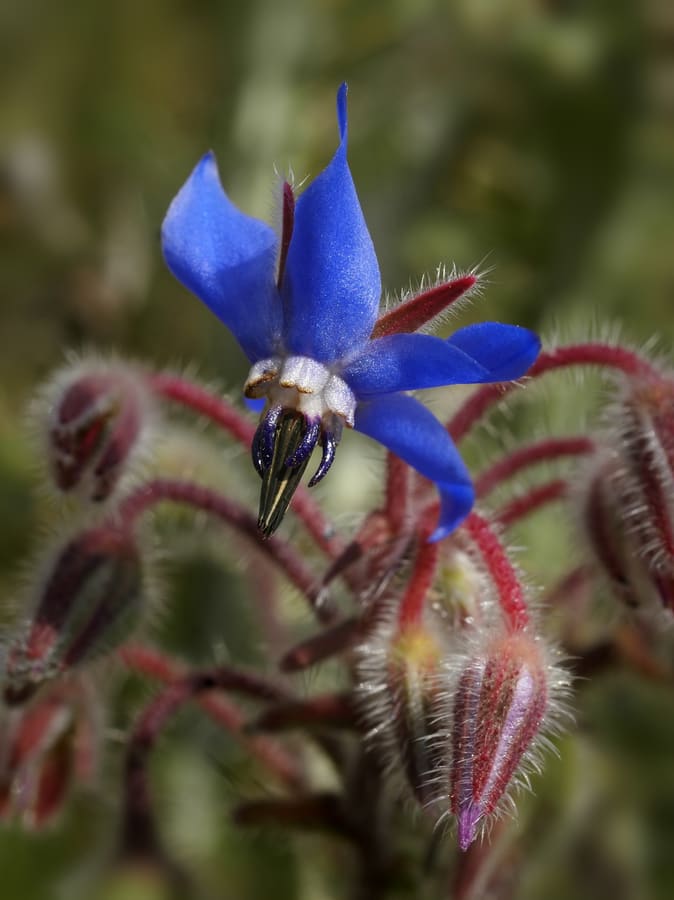 Borage (Borago officinalis)Not for self-dosing
Borage (Borago officinalis) is a coarse, hairy annual that grows to about 2 ft (60 cm), featuring a succulent stem, large basal leaves, and distinctively bright blue star-shaped flowers. The seeds yield an oil rich in gamma-linolenic acid (GLA), a polyunsaturated fatty acid.
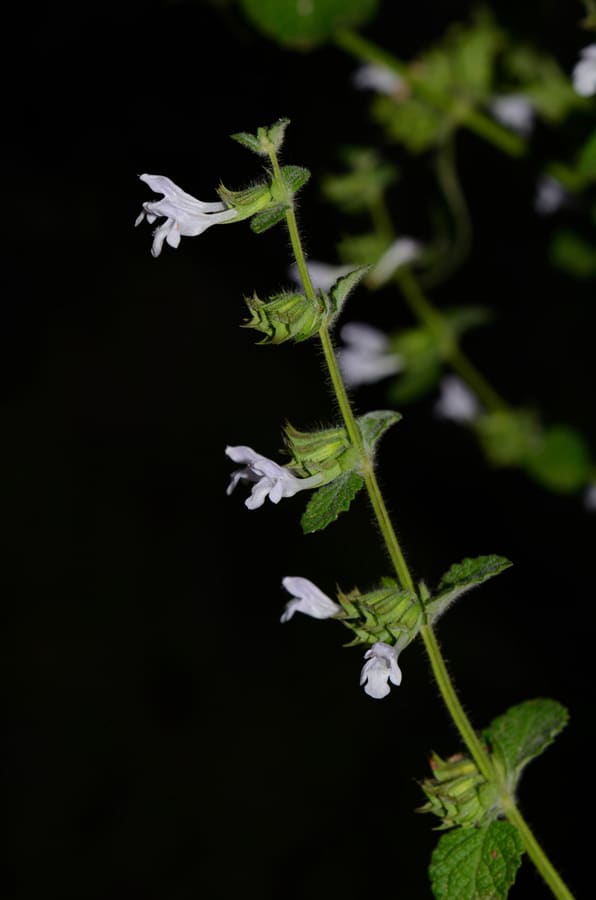 Lemon Balm (Melissa officinalis)
Lemon balm (Melissa officinalis) is a sweetly scented, perennial herb growing up to about 5 ft (1.5 m), with small white flowers and toothed leaves that release a distinct lemon aroma.
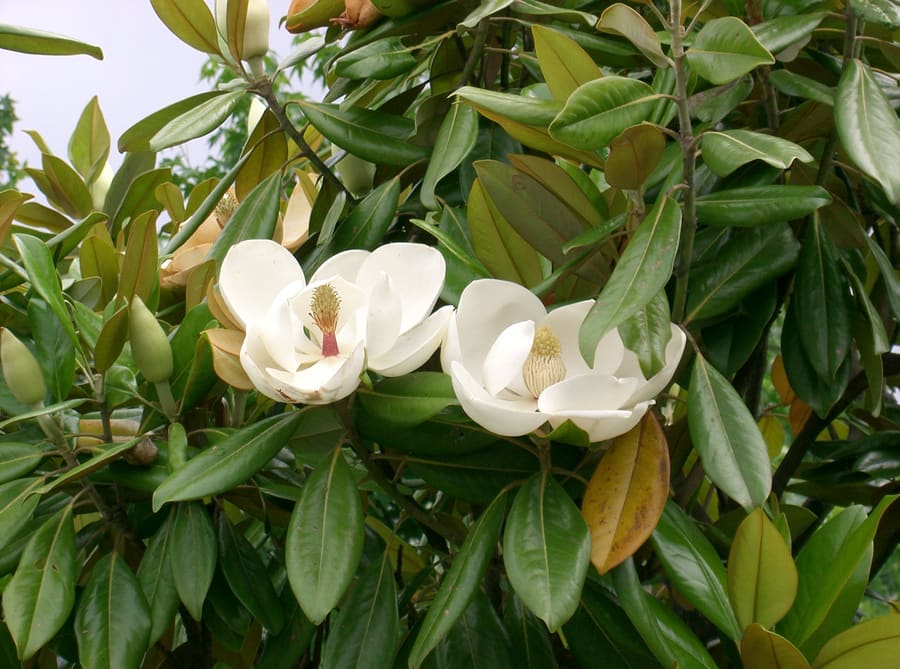 Magnolia (Magnolia officinalis)
Magnolia (Magnolia officinalis) is a deciduous tree that can reach about 80 ft (25 m) in height, featuring large, aromatic bark, substantial green leaves, and fragrant creamy-white flowers. The dried bark is rich in lignans such as honokiol and magnolol.