
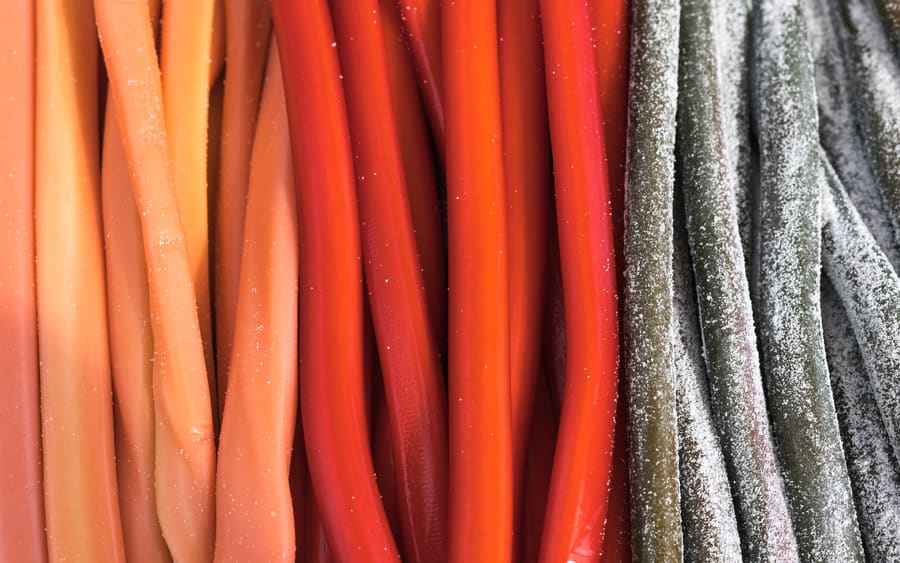
Licorice
Photo: Frank Schulenburg · CC BY-SA 4.0
- Circulatory
- 5 conditions
- Licensed photo
Overview
Licorice (Glycyrrhiza glabra) is a tall, woody-stemmed perennial reaching about 6½ ft (2 m), with dark green leaves and cream-to-mauve pea-like flowers. Its root has a long history of use in traditional medicine for coughing, asthma and wound healing, and NCCIH says it is promoted today for digestive, respiratory and energy support. NCCIH says there isn't enough high-quality evidence to clearly support licorice for any health condition. Licorice is widely used in Chinese, European, and Western herbal medicine.
Traditional uses & properties
Mouth and throat: Traditionally used for coughing; NCCIH says a licorice mouth rinse might ease recurrent canker sores and a licorice gargle before surgery might lessen sore throat after intubation, but there isn't enough high-quality evidence to clearly support any use. Harmonizer in Formulas: Commonly included in Chinese and Western remedies to balance and sweeten other ingredients.
Safety & precautions
Serious effects: NCCIH warns that glycyrrhizin in licorice can cause serious problems, including an irregular heartbeat or even cardiac arrest, especially with large amounts or long-term use, and that even small amounts have caused severe effects in people who eat a lot of salt or have high blood pressure, heart disease or kidney disease. Overuse can cause fluid and sodium retention and potassium loss, leading to swelling, raised blood pressure, palpitations or a slow heartbeat. Pregnancy: NCCIH says large amounts during pregnancy are unsafe. Deglycyrrhizinated Licorice (DGL): Lacks glycyrrhizin; NCCIH says it may be safe to use for as long as four months.
Educational reference only - not medical advice. Herbs can interact with medications. Consult a qualified healthcare provider before use. Full disclaimer.
Drug interactions
Licorice can raise blood pressure and, combined with some drugs, lower potassium. NCCIH links its serious side effects to the compound glycyrrhizin. [1, 2]
- Corticosteroids
- NCCIH notes reported interactions. MSK describes higher cortisol levels in patients with Addison's disease who took cortisone acetate with licorice. [1, 2]
- Digoxin and other cardiac glycosides
- MSK says licorice may make these drugs more toxic. [2]
- Diuretics
- MSK warns that the combination could make low blood potassium more likely. [2]
- Blood pressure medicines
- Because licorice can raise blood pressure, MSK says it may work against these drugs. [2]
- Warfarin and phenprocoumon
- MSK notes licorice may speed warfarin clearance and describes a sudden INR drop in a patient on phenprocoumon. [2]
- Cyclosporine
- In research cited by MSK, licorice sharply reduced how much oral cyclosporine was absorbed. Relevance to patients is unknown. [2]
How to read this section: each entry is HerbMate's summary of what the cited sources report. Words such as "may", "theoretical" or "in laboratory or animal studies" mean the effect has not been confirmed in people, and "case report" means it was seen in one or a few patients. A medicine that is not listed here has not been shown to be safe with this herb. The numbers in brackets link to the sources at the foot of the page.
Habitat
Originally from southeastern Europe and southwestern Asia, licorice is now cultivated extensively. Grown from root divisions in spring or autumn, the roots of 3-4-year-old plants are dug up in late autumn for medicinal use.
Sources
The interaction notes and the statements on this page that name a source were written by HerbMate from these references, which were last checked in October 2026. They are summaries, not medical advice; ask a pharmacist about your own medicines.
Traditionally used for
- Low Blood Pressure4 herbs · 2 free
- Heartburn4 herbs · 2 free
- Adrenal Fatigue5 herbs · 2 free
- Acne8 herbs · 2 free
- Shingles3 herbs · 2 free
Each condition shows its first 2 remedies free. Premium opens the full remedy list for every condition - or come back for the free Condition of the Day.
Frequently asked questions
What is Licorice traditionally used for?
Traditional sources describe Licorice as follows: Mouth and throat: Traditionally used for coughing; NCCIH says a licorice mouth rinse might ease recurrent canker sores and a licorice gargle before surgery might lessen sore throat after intubation, but there isn't enough high-quality evidence to clearly support any use. Harmonizer in Formulas: Commonly included in Chinese and Western remedies to balance and sweeten other ingredients.
What safety cautions apply to Licorice?
Serious effects: NCCIH warns that glycyrrhizin in licorice can cause serious problems, including an irregular heartbeat or even cardiac arrest, especially with large amounts or long-term use, and that even small amounts have caused severe effects in people who eat a lot of salt or have high blood pressure, heart disease or kidney disease. Overuse can cause fluid and sodium retention and potassium loss, leading to swelling, raised blood pressure, palpitations or a slow heartbeat. Pregnancy: NCCIH says large amounts during pregnancy are unsafe. Deglycyrrhizinated Licorice (DGL): Lacks glycyrrhizin; NCCIH says it may be safe to use for as long as four months.
Related herbs
 Ashwagandha (Withania somnifera)
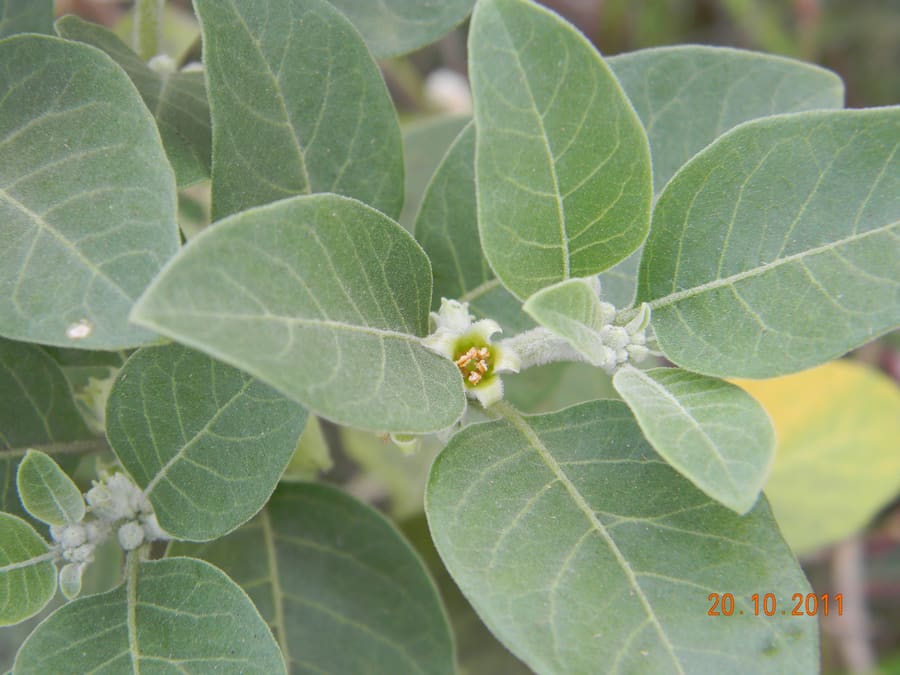
Ashwagandha (Withania somnifera), sometimes called “Indian ginseng,” is a sturdy shrub growing to about 5 ft (1.5 m) with oval leaves, greenish or yellow flowers, and small, round fruits. NCCIH says some preparations may help insomnia and stress, but there isn't enough evidence to know whether it helps most other conditions.
 Calendula (Calendula officinalis)
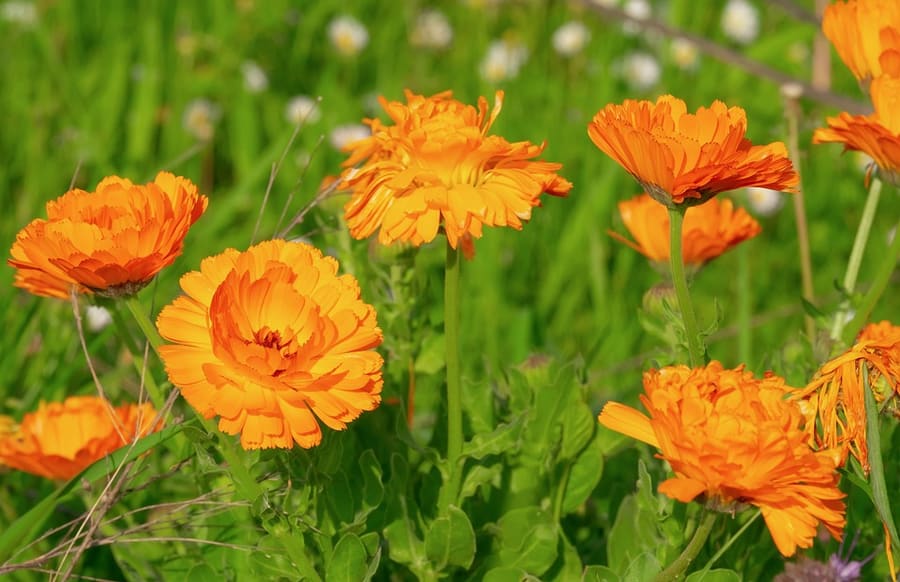
Calendula (Calendula officinalis) has bright orange daisy-like flowers.
 Aloe (Aloe vera)
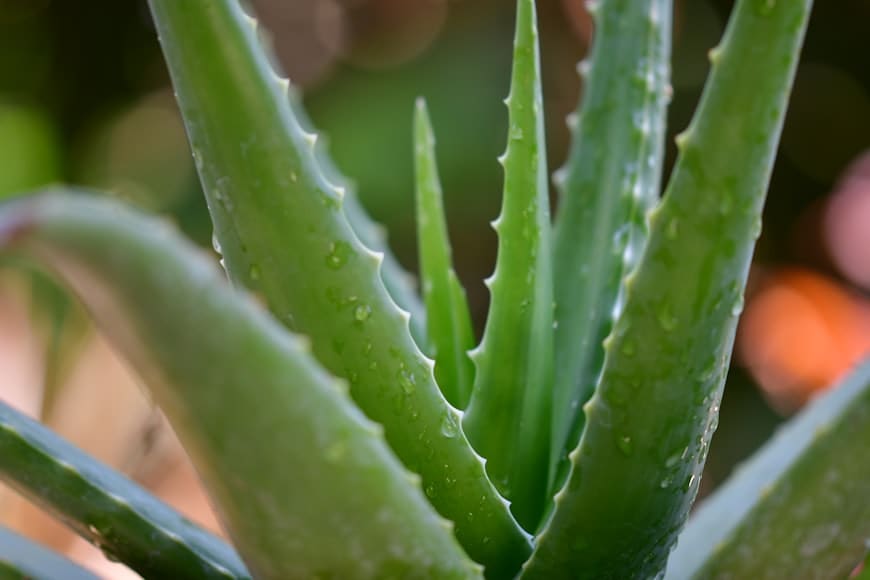
Aloe vera (syn. A. barbadensis) is a succulent commonly grown as a potted plant, notable for its thick, fleshy leaves that contain two distinct medicinal components. Historically, the inner clear gel was used for skin conditions and to promote wound healing (NCCIH), while the bitter yellow sap from the leaf base, often called “bitter aloes,” is a strong laxative.
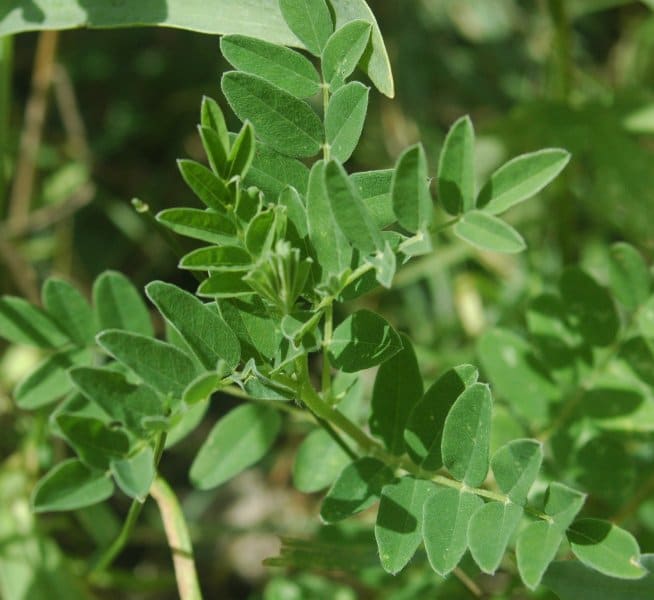 Astragalus (Astragalus membranaceus)
Astragalus (Astragalus membranaceus), known in China as huang qi, is a perennial reaching about 16 in (40 cm), with hairy stems and compound leaves composed of multiple leaflet pairs. Its root has been used for centuries in traditional Chinese medicine, often with other herbs, and NCCIH says it is promoted to improve the response of the immune system. NCCIH says there is not enough reliable evidence to know whether astragalus helps any health condition.
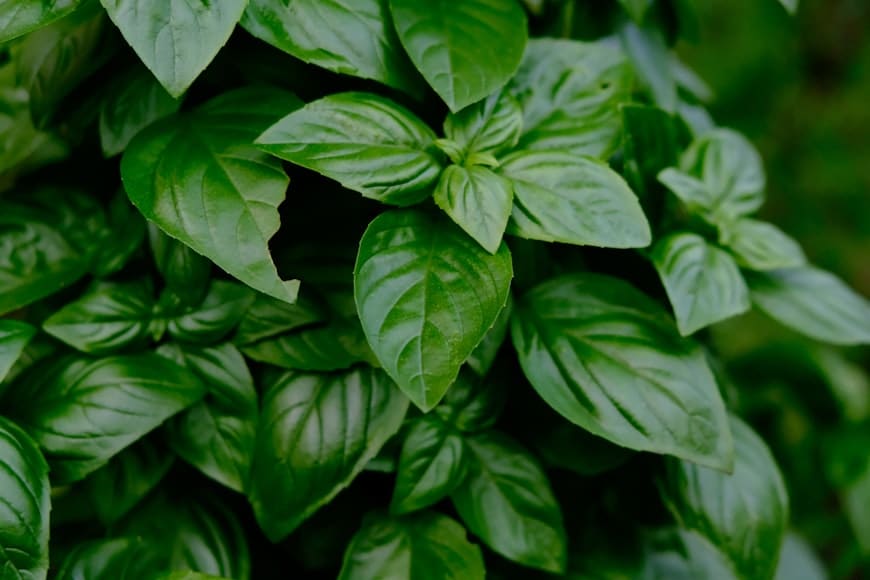 Basil
BasilBasil (Ocimum basilicum) is a bushy annual herb growing up to about 20 in (50 cm), with shiny oval leaves arranged on a square stem and small white flowers in whorls. Known for its strong, sweet aroma, basil is cultivated worldwide in numerous varieties and is widely used as a culinary herb.
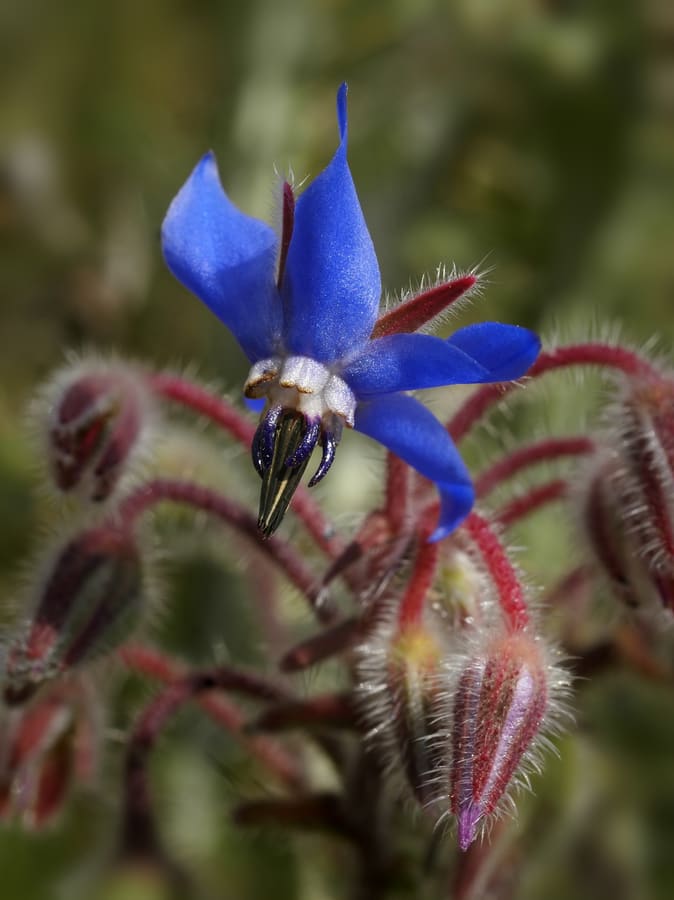 Borage (Borago officinalis)Not for self-dosing
Borage (Borago officinalis) is a coarse, hairy annual that grows to about 2 ft (60 cm), featuring a succulent stem, large basal leaves, and distinctively bright blue star-shaped flowers. The seeds yield an oil rich in gamma-linolenic acid (GLA), a polyunsaturated fatty acid.
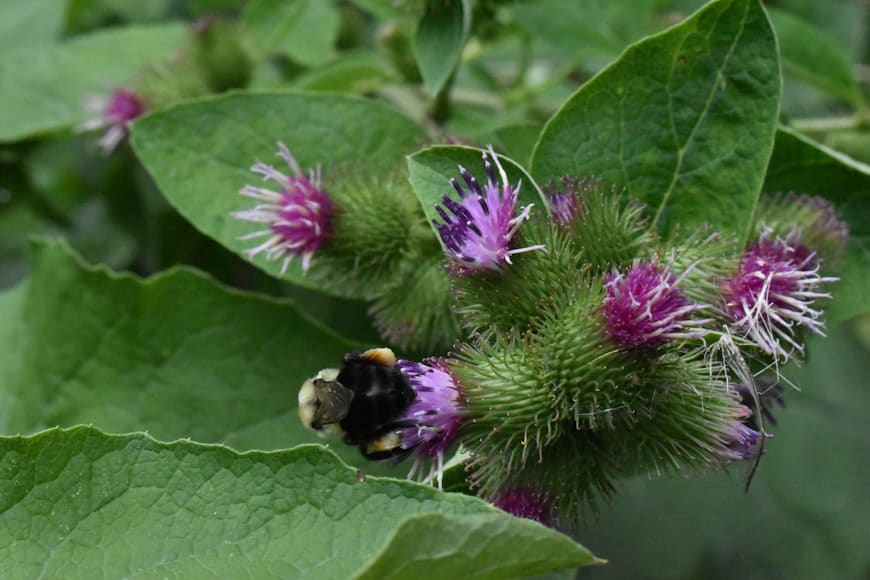 Burdock (Arctium lappa)
Burdock is a sturdy, bitter herb with large leaves.
 Ginkgo (Ginkgo biloba)
Ginkgo (Ginkgo biloba) is a distinctive, long-lived deciduous tree that can grow up to about 100 ft (30 m). It has fan-shaped leaves with radiating veins, often turning bright yellow in autumn. Ginkgo is widely promoted for cognitive impairment and dementia, and with claims that it can enhance cognitive performance in healthy people. NCCIH says ginkgo has not been shown to be effective for any condition studied, including preventing dementia.