
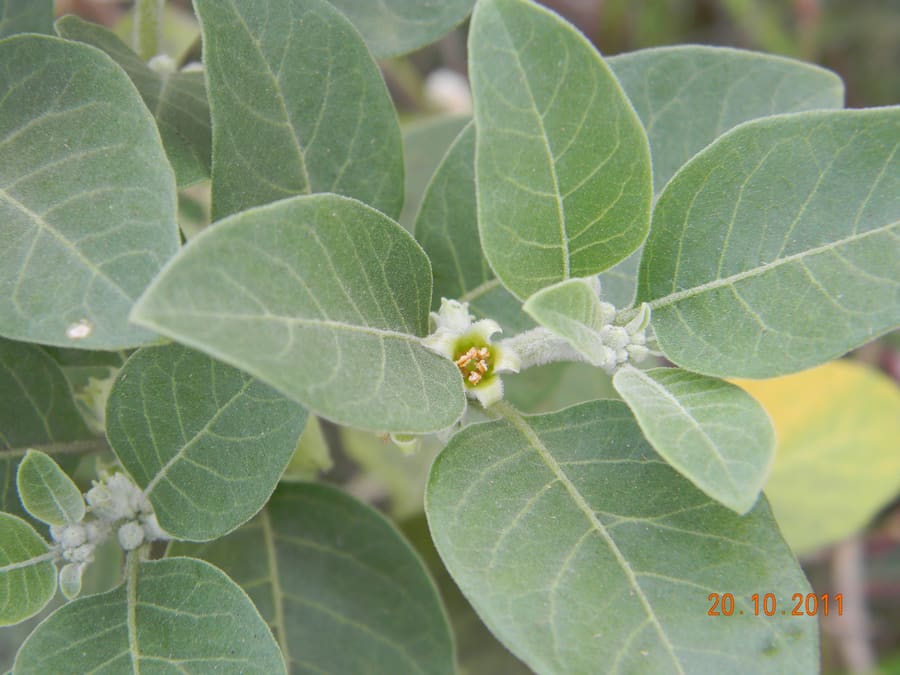
Ashwagandha (Withania somnifera)
Photo: Neha.Vindhya · CC BY-SA 3.0
- Digestive
- 5 conditions
- Licensed photo
Overview
Ashwagandha (Withania somnifera), sometimes called “Indian ginseng,” is a sturdy shrub growing to about 5 ft (1.5 m) with oval leaves, greenish or yellow flowers, and small, round fruits. NCCIH says some preparations may help insomnia and stress, but there isn't enough evidence to know whether it helps most other conditions.
Traditional uses & properties
Adaptogen: Often promoted for stress; NCCIH says some ashwagandha preparations may help with stress and insomnia. Nervine: Often promoted for anxiety and sleep; NCCIH says some preparations may help insomnia, but the evidence on anxiety is unclear.
Safety & precautions
Liver: Liver injury linked to ashwagandha supplements is rare but has been reported (NCCIH), and LiverTox places it in its likely-cause category (B). Stop and seek advice if you notice yellowing skin or eyes, dark urine or itching. Pregnancy & Breastfeeding: NCCIH says to avoid it during pregnancy and not to use it while breastfeeding. Thyroid: ODS notes it might affect thyroid function. Nightshade Sensitivity: This herb can cause adverse reactions in those sensitive to the nightshade family. Digestive Sensitivities: Some individuals may find it hard to digest ashwagandha.
Educational reference only - not medical advice. Herbs can interact with medications. Consult a qualified healthcare provider before use. Full disclaimer.
Drug interactions
Federal health sources list several groups of medicines that ashwagandha might interact with. Much of the evidence is preliminary. [1, 2]
- Sedatives, benzodiazepines, barbiturates and seizure medicines
- NCCIH and ODS list sedatives, and NCCIH also lists anticonvulsants. MSK points to animal research suggesting ashwagandha has calming effects that could stack with these drugs, and says people taking them should probably avoid it. This has not been confirmed in people. [1, 2, 3]
- Thyroid hormone medicines
- ODS describes three case reports of an overactive thyroid in women taking ashwagandha and says it might interact with thyroid hormone. MSK notes it may raise thyroxine levels. [2, 3]
- Laboratory tests
- MSK notes that ashwagandha may make some digoxin blood tests read falsely high. [3]
- Medicines broken down by liver enzymes
- Laboratory work summarized by MSK found effects on the enzymes CYP2B6 and CYP3A4. Whether this matters in people is not known. [3]
How to read this section: each entry is HerbMate's summary of what the cited sources report. Words such as "may", "theoretical" or "in laboratory or animal studies" mean the effect has not been confirmed in people, and "case report" means it was seen in one or a few patients. A medicine that is not listed here has not been shown to be safe with this herb. The numbers in brackets link to the sources at the foot of the page.
Habitat
Found in India, the Mediterranean, and parts of the Middle East, ashwagandha is grown from seeds or cuttings in spring. Leaves and fruits are typically gathered in spring and autumn, while the root is harvested in autumn.
Sources
The interaction notes and the statements on this page that name a source were written by HerbMate from these references, which were last checked in October 2026. They are summaries, not medical advice; ask a pharmacist about your own medicines.
Traditionally used for
- Heartburn4 herbs · 2 free
- Erectile Disfunction6 herbs · 2 free
- Adrenal Fatigue5 herbs · 2 free
- Anxiety11 herbs · 2 free
- Stress13 herbs · 2 free
Each condition shows its first 2 remedies free. Premium opens the full remedy list for every condition - or come back for the free Condition of the Day.
Frequently asked questions
What is Ashwagandha (Withania somnifera) traditionally used for?
Traditional sources describe Ashwagandha (Withania somnifera) as follows: Adaptogen: Often promoted for stress; NCCIH says some ashwagandha preparations may help with stress and insomnia. Nervine: Often promoted for anxiety and sleep; NCCIH says some preparations may help insomnia, but the evidence on anxiety is unclear.
What safety cautions apply to Ashwagandha (Withania somnifera)?
Liver: Liver injury linked to ashwagandha supplements is rare but has been reported (NCCIH), and LiverTox places it in its likely-cause category (B). Stop and seek advice if you notice yellowing skin or eyes, dark urine or itching. Pregnancy & Breastfeeding: NCCIH says to avoid it during pregnancy and not to use it while breastfeeding. Thyroid: ODS notes it might affect thyroid function. Nightshade Sensitivity: This herb can cause adverse reactions in those sensitive to the nightshade family. Digestive Sensitivities: Some individuals may find it hard to digest ashwagandha.
Related herbs
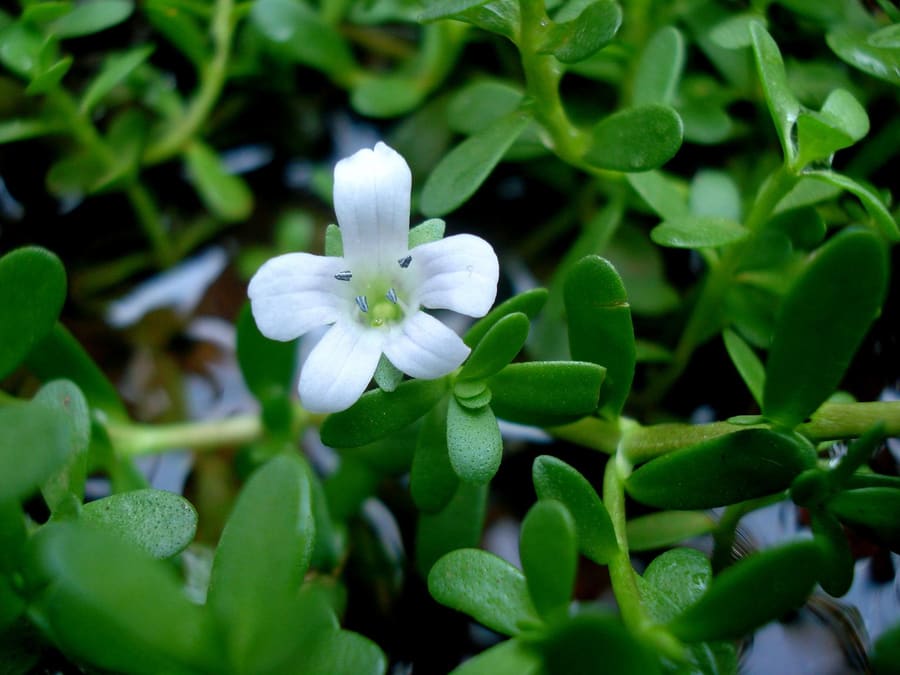 Bacopa (Bacopa monnieri)
Bacopa, also known as Water Hyssop or Brahmi, is a creeping succulent perennial that can grow to about 20 inches. It features spatula-shaped fleshy leaves and pale blue or white flowers on slender stalks. It thrives in marshlands and along the edges of mangrove swamps in warmer temperate and tropical climates, especially southern Asia, where it forms dense mats on mudflats.
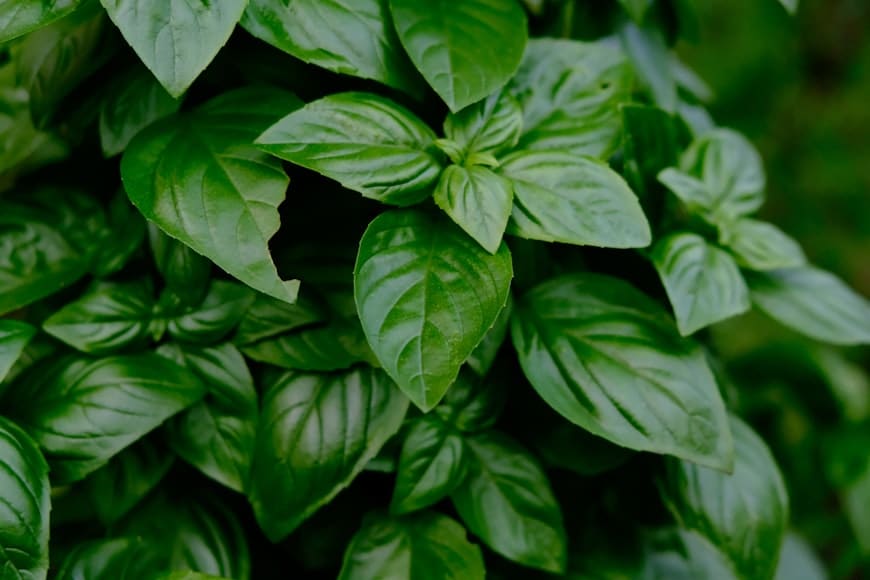 Basil
BasilBasil (Ocimum basilicum) is a bushy annual herb growing up to about 20 in (50 cm), with shiny oval leaves arranged on a square stem and small white flowers in whorls. Known for its strong, sweet aroma, basil is cultivated worldwide in numerous varieties and is widely used as a culinary herb.
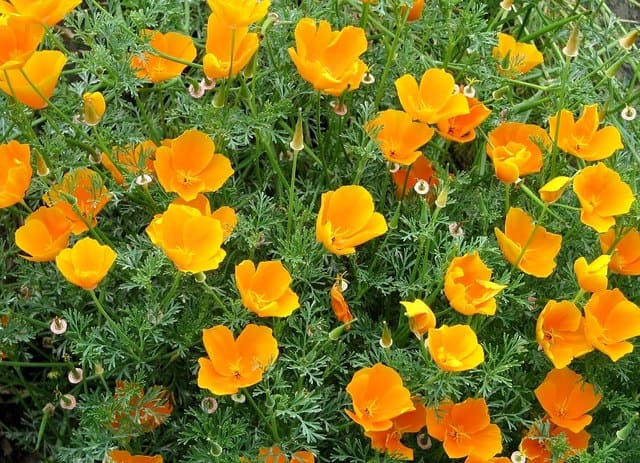 California Poppy (Eschscholzia californica)
California poppy (Eschscholzia californica) is an annual or short-lived perennial with finely divided leaves and vibrant orange, yellow, pink, or red blossoms. It is related to the opium poppy.
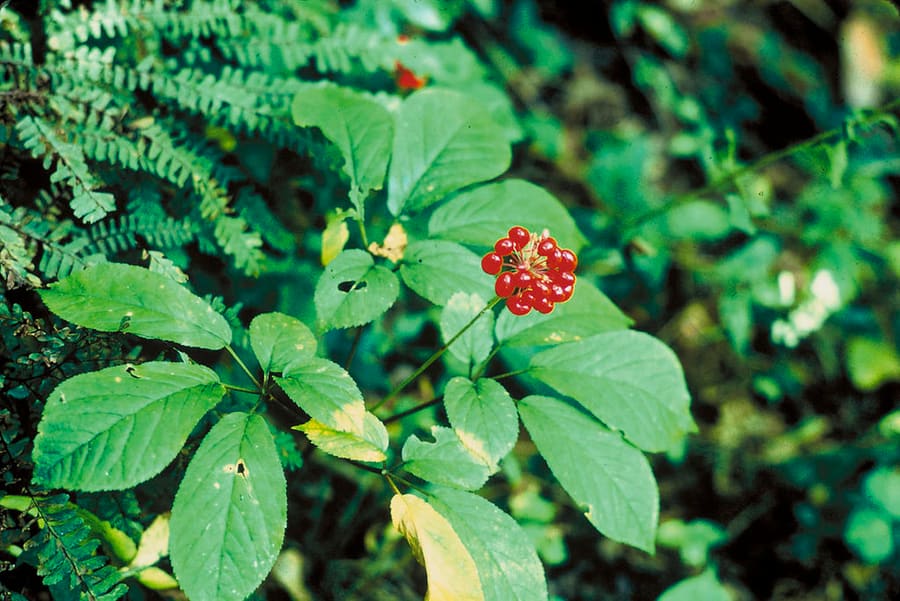 Ginseng (Panax ginseng)
Asian or Korean ginseng (Panax ginseng) is a perennial reaching about 3 ft (1 m) in height, with toothed oval leaves and a cluster of small green-yellow flowers. Its root is legendary in traditional medicine as an adaptogen, taken for energy, stamina, aging and stress. NCCIH says most studies have been small and short, and that most research shows it does not improve athletic performance. Red ginseng is steamed before drying.
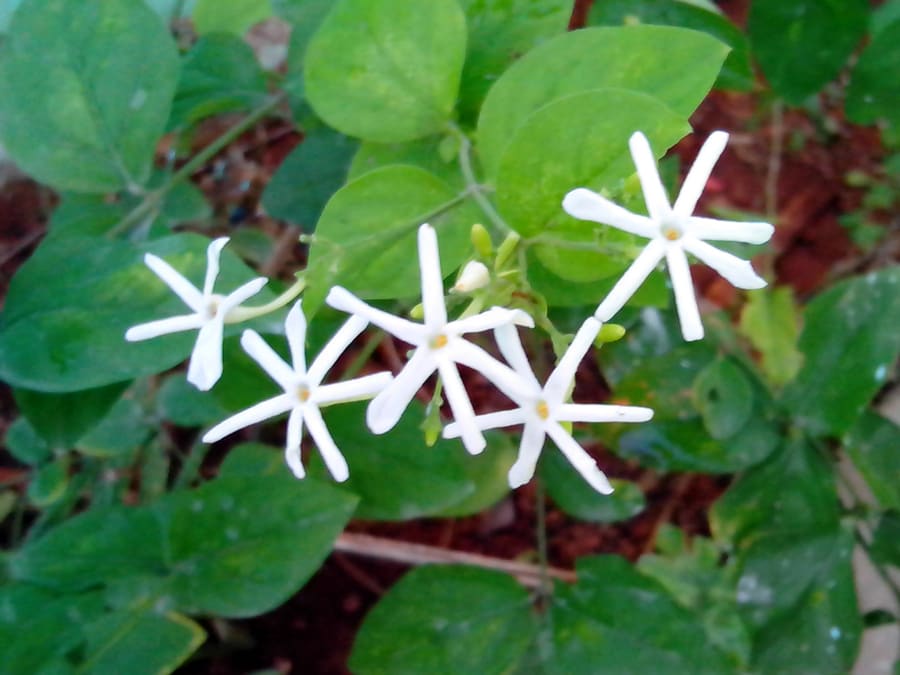 Jasmine (Jasminum grandiflorum)
Jasmine (Jasminum officinale) is a slender evergreen climber, growing up to around 20 ft (6 m), noted for its dark green compound leaves and sweetly scented, tubular white flowers. The blossoms yield a prized essential oil.
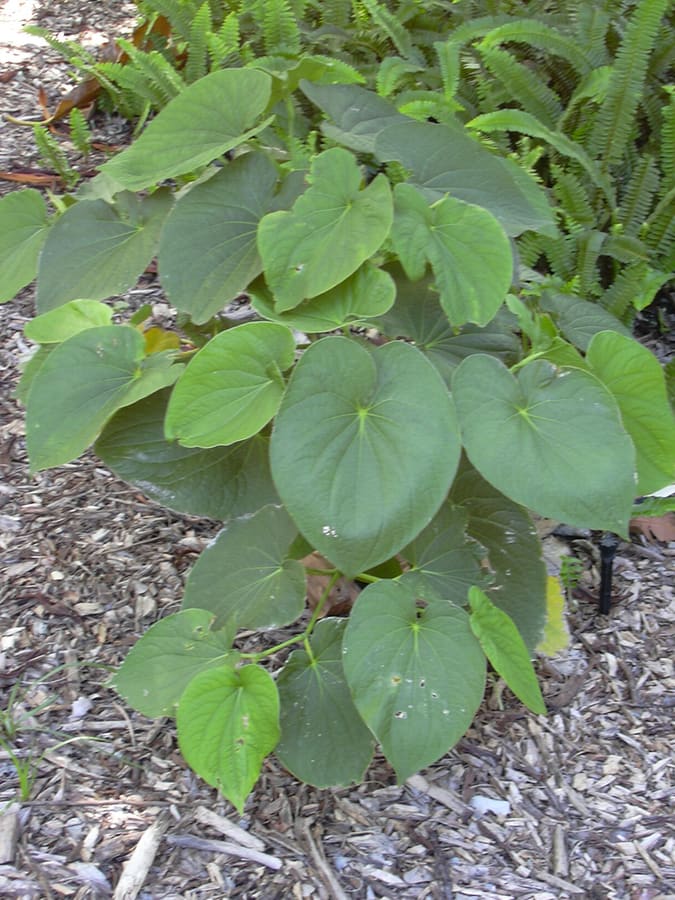 Kava (Piper methysticum)Not for self-dosing
Kava (Piper methysticum), a member of the pepper family native to the South Pacific, has been made into ceremonial and medicinal drinks by Pacific Islanders for thousands of years. Kava products are promoted for anxiety and other health conditions; NCCIH says kava supplements may help anxiety, but there isn't enough evidence to show whether kava helps any other condition.
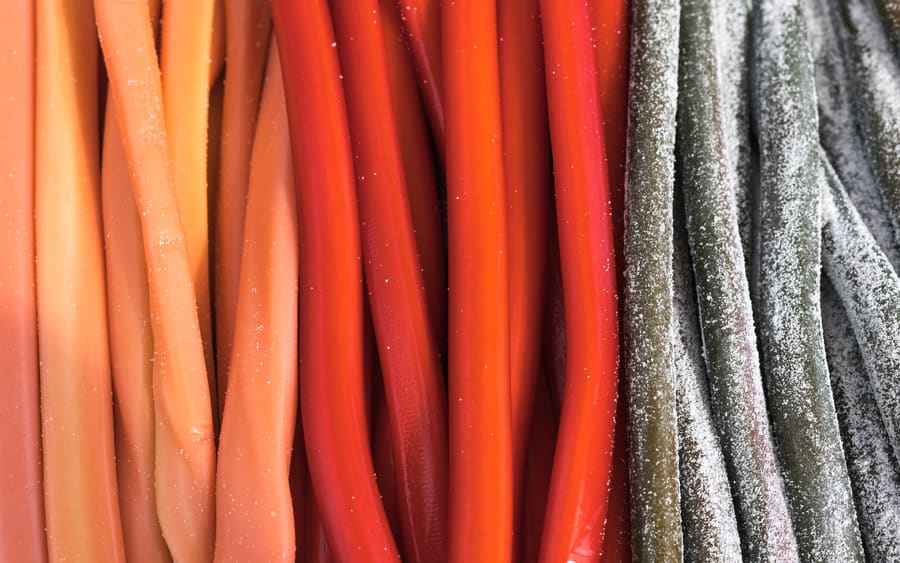 Licorice
Licorice (Glycyrrhiza glabra) is a tall, woody-stemmed perennial reaching about 6½ ft (2 m), with dark green leaves and cream-to-mauve pea-like flowers. Its root has a long history of use in traditional medicine for coughing, asthma and wound healing, and NCCIH says it is promoted today for digestive, respiratory and energy support. NCCIH says there isn't enough high-quality evidence to clearly support licorice for any health condition. Licorice is widely used in Chinese, European, and Western herbal medicine.
 Schisandra (Schisandra chinensis)
Schisandra (Schisandra chinensis), also known as wu wei zi (“5-flavored herb”), is a woody vine that can grow up to 26 ft (8 m). It has pink blossoms and clusters of bright red berries, which are used in traditional Chinese medicine for liver conditions and as a tonic for vitality. MSK says only a small number of human studies exist and they are too limited to draw conclusions.