
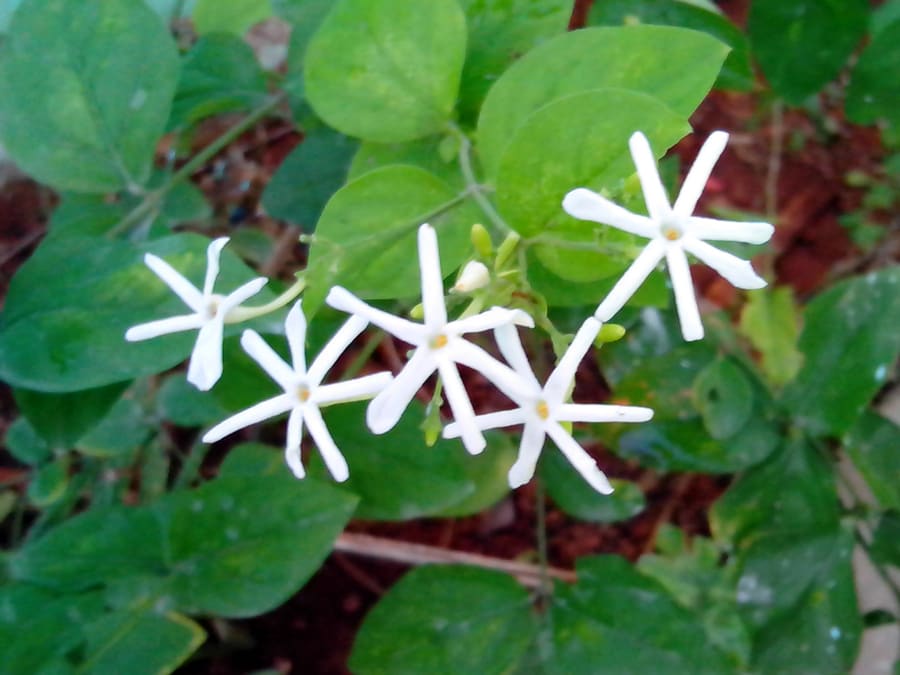
Jasmine (Jasminum grandiflorum)
Photo: Srichakra Pranav · CC BY-SA 3.0
- Mental
- 3 conditions
- Licensed photo
Overview
Jasmine (Jasminum officinale) is a slender evergreen climber, growing up to around 20 ft (6 m), noted for its dark green compound leaves and sweetly scented, tubular white flowers. The blossoms yield a prized essential oil.
Traditional uses & properties
Spiritual & Energetic Uses: Often employed for love, romance, and psychic enhancement in various traditional practices.
Safety & precautions
Essential Oil: Often adulterated; not for internal use. Allergies: Rare but possible, especially with topical application. Pregnancy: Exercise caution and avoid high concentrations without professional guidance.
Educational reference only - not medical advice. Herbs can interact with medications. Consult a qualified healthcare provider before use. Full disclaimer.
Drug interactions
Interaction data is not available for this herb - talk to a pharmacist before combining it with any medication. A blank entry here means we have not documented interactions, not that none exist.
Habitat
Originally from northern India, Pakistan, and the Himalayas, jasmine is cultivated globally as a garden ornamental and for its aromatic flowers. Harvest typically focuses on the blossoms for essential oil extraction.
Traditionally used for
Each condition shows its first 2 remedies free. Premium opens the full remedy list for every condition - or come back for the free Condition of the Day.
Frequently asked questions
What is Jasmine (Jasminum grandiflorum) traditionally used for?
Traditional sources describe Jasmine (Jasminum grandiflorum) as follows: Spiritual & Energetic Uses: Often employed for love, romance, and psychic enhancement in various traditional practices.
What safety cautions apply to Jasmine (Jasminum grandiflorum)?
Essential Oil: Often adulterated; not for internal use. Allergies: Rare but possible, especially with topical application. Pregnancy: Exercise caution and avoid high concentrations without professional guidance.
Related herbs
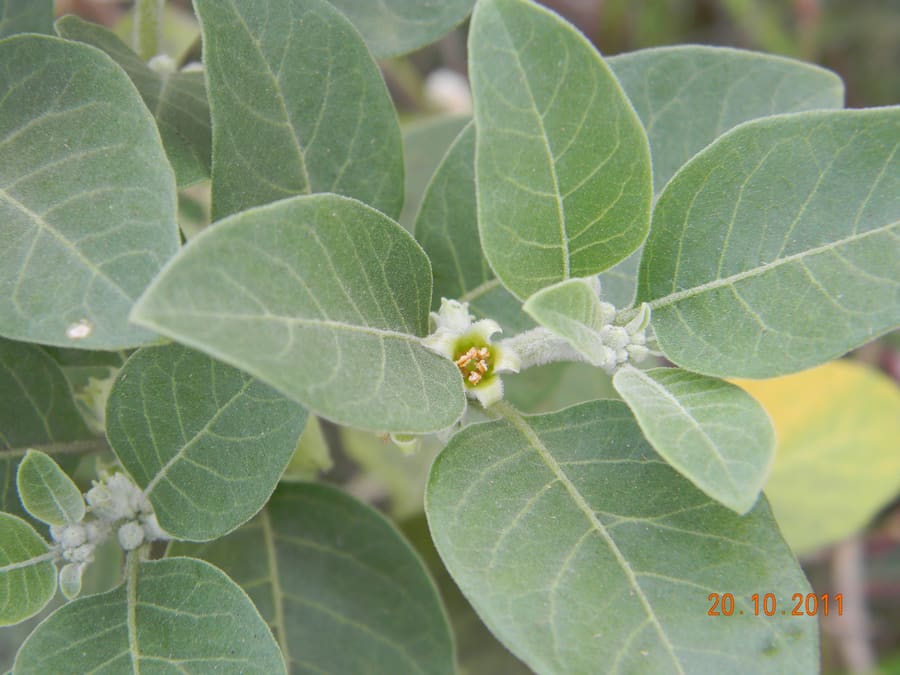 Ashwagandha (Withania somnifera)
Ashwagandha (Withania somnifera), sometimes called “Indian ginseng,” is a sturdy shrub growing to about 5 ft (1.5 m) with oval leaves, greenish or yellow flowers, and small, round fruits. NCCIH says some preparations may help insomnia and stress, but there isn't enough evidence to know whether it helps most other conditions.
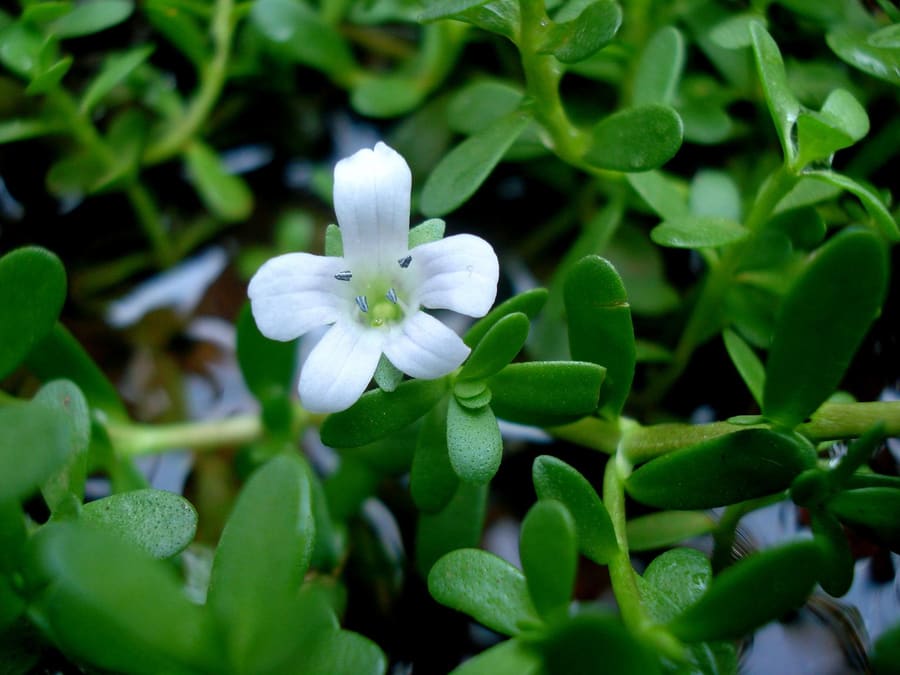 Bacopa (Bacopa monnieri)
Bacopa, also known as Water Hyssop or Brahmi, is a creeping succulent perennial that can grow to about 20 inches. It features spatula-shaped fleshy leaves and pale blue or white flowers on slender stalks. It thrives in marshlands and along the edges of mangrove swamps in warmer temperate and tropical climates, especially southern Asia, where it forms dense mats on mudflats.
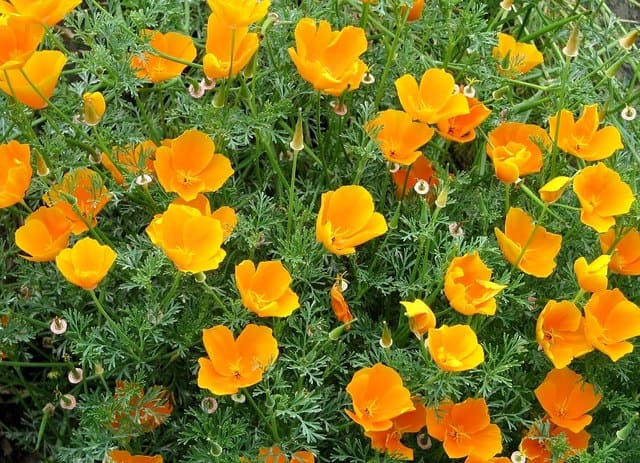 California Poppy (Eschscholzia californica)
California poppy (Eschscholzia californica) is an annual or short-lived perennial with finely divided leaves and vibrant orange, yellow, pink, or red blossoms. It is related to the opium poppy.
- Cardamom (Eletteria cardamomum)
Cardamom is an aromatic spice long prized for its fragrant, pungent taste. Thanks to its agreeable flavor, cardamom is often added to herbal formulas to improve taste.
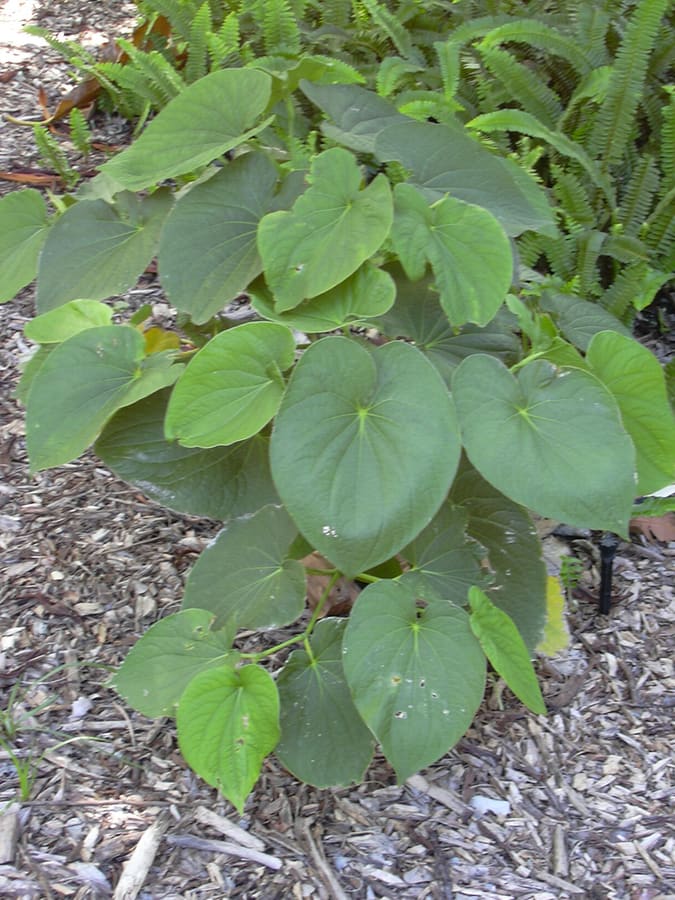 Kava (Piper methysticum)Not for self-dosing
Kava (Piper methysticum), a member of the pepper family native to the South Pacific, has been made into ceremonial and medicinal drinks by Pacific Islanders for thousands of years. Kava products are promoted for anxiety and other health conditions; NCCIH says kava supplements may help anxiety, but there isn't enough evidence to show whether kava helps any other condition.
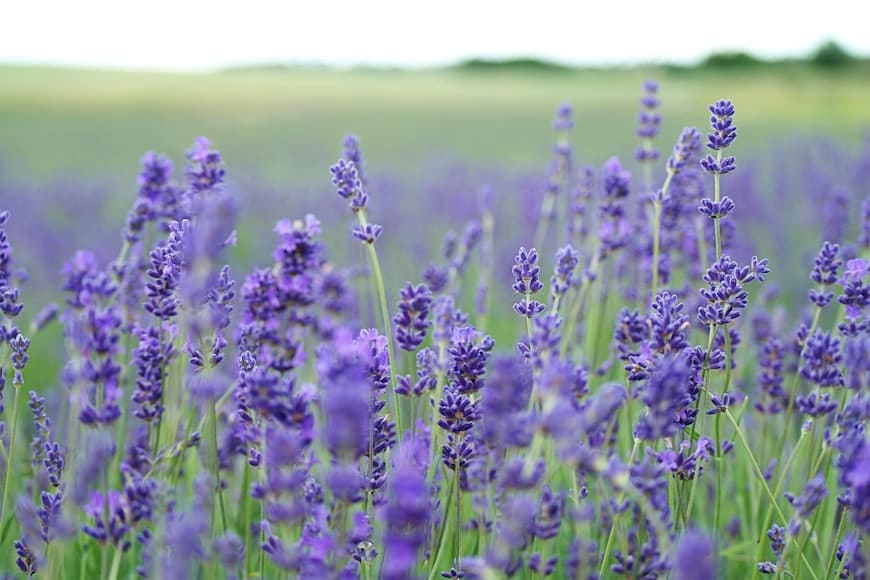 Lavender (Lavandula angustifolia)
Lavender (Lavandula officinalis, also known as L. angustifolia) is a small, perennial shrub that can grow about 3 ft (1 m) high, characterized by its narrow, silver-green leaves and spiked violet-blue flowers. Renowned for its sweet aroma, lavender has a long history in traditional medicine for improving mood and sleep, and NCCIH says it is promoted today for calming anxiety and stress. NCCIH says studies suggest an oral lavender oil product might help anxiety, but more high-quality research is needed to reach reliable conclusions.
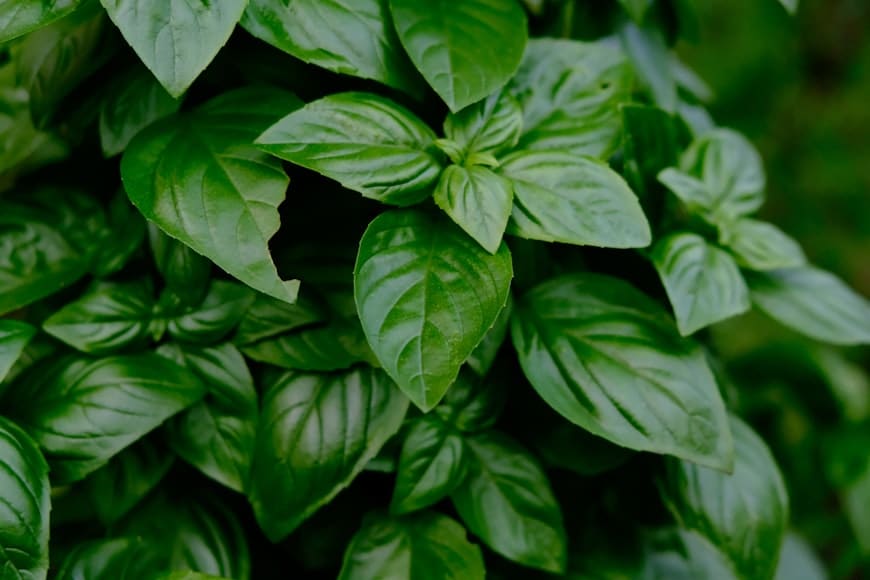 Basil
BasilBasil (Ocimum basilicum) is a bushy annual herb growing up to about 20 in (50 cm), with shiny oval leaves arranged on a square stem and small white flowers in whorls. Known for its strong, sweet aroma, basil is cultivated worldwide in numerous varieties and is widely used as a culinary herb.
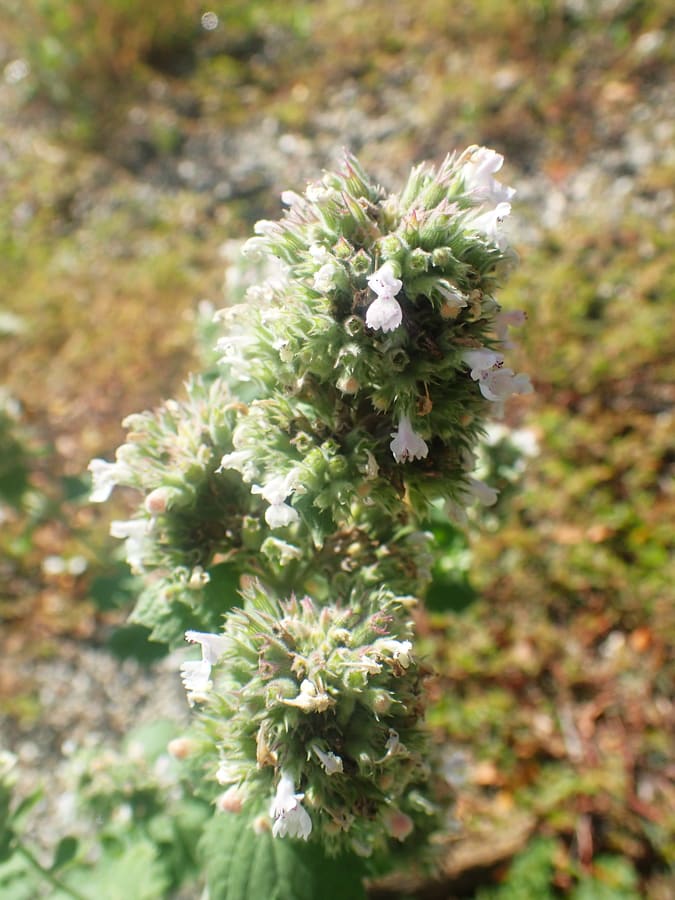 Catnip (Nepeta cataria)
Catnip is a downy, aromatic perennial growing to 3 feet with heart-shaped, gray-green leaves and whorls of white flowers marked with purple spots. Native to Europe and naturalized in North America, it grows in dry wayside places and mountainous regions up to altitudes of 5,000 feet. The plant is gathered when in flower during summer and autumn. Catnip has an excitatory effect on cats.