
Cardamom (Eletteria cardamomum)
- Digestive
- 3 conditions
- Illustrated plate
Overview
Cardamom is an aromatic spice long prized for its fragrant, pungent taste. Thanks to its agreeable flavor, cardamom is often added to herbal formulas to improve taste.
Traditional uses & properties
Flavor Enhancer: Often blended into formulas (or paired with pungent herbs like garlic) to moderate taste and odor.
Safety & precautions
General Safety: Ask a qualified professional before taking cardamom in medicinal amounts. Essential Oil: The volatile oil should not be taken internally in its pure form.
Educational reference only - not medical advice. Herbs can interact with medications. Consult a qualified healthcare provider before use. Full disclaimer.
Drug interactions
Interaction data is not available for this herb - talk to a pharmacist before combining it with any medication. A blank entry here means we have not documented interactions, not that none exist.
Habitat
Native to the evergreen rain forests of southern India and Sri Lanka, cardamom grows best at elevations of 2,600-4,900 ft (800-1,500 m), in shady, moist, but well-drained soil. It is now widely cultivated throughout southern Asia, Indonesia, and Guatemala. Plants are commonly propagated in the fall from seed or in spring/summer by root division. The seed pods are harvested in dry autumn weather just before they fully open. Varieties: Cardamom generally belongs to two genera: Elettaria (green pods) and Amomum (black pods). Green cardamom pods are smaller and pale green, while black cardamom pods (also called Nepal or “bari elaichi”) are larger and darker, imparting a more robust, smoky flavor. Uses in Traditional Medicine: Apart from digestion, cardamom is used in India for asthma, bronchitis, kidney stones, anorexia, and general debility. In China, it’s sometimes taken for urinary incontinence.
Traditionally used for
Each condition shows its first 2 remedies free. Premium opens the full remedy list for every condition - or come back for the free Condition of the Day.
Frequently asked questions
What is Cardamom (Eletteria cardamomum) traditionally used for?
Traditional sources describe Cardamom (Eletteria cardamomum) as follows: Flavor Enhancer: Often blended into formulas (or paired with pungent herbs like garlic) to moderate taste and odor.
What safety cautions apply to Cardamom (Eletteria cardamomum)?
General Safety: Ask a qualified professional before taking cardamom in medicinal amounts. Essential Oil: The volatile oil should not be taken internally in its pure form.
Related herbs
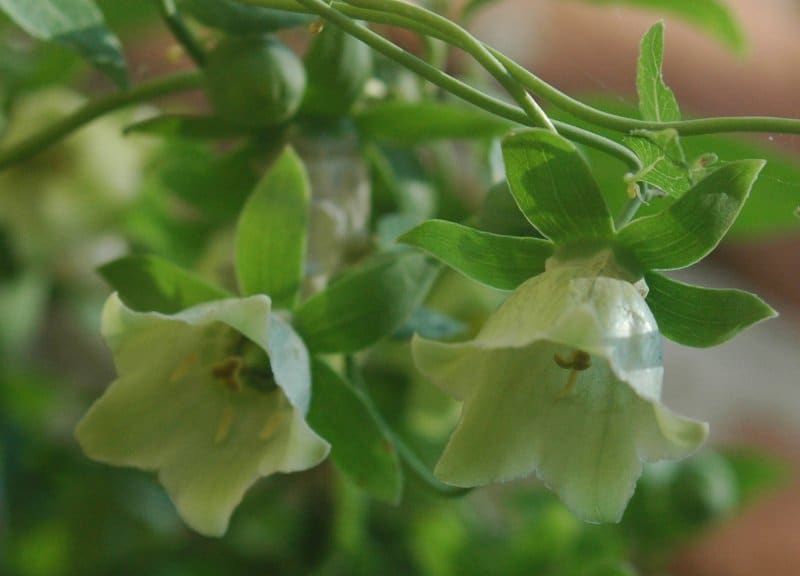 Codonopsis (Codonopsis pilosula)
Codonopsis is a small twining perennial growing to 5 feet with oval leaves and pendulous green and purple bell-shaped flowers marked with purple in summer. Native to northeastern China and growing throughout the region, especially in the Shanxi and Szechuan provinces, it is propagated from seed in spring or autumn, and the root is harvested in autumn once the aerial parts have died down. Codonopsis holds a central place in Chinese herbal medicine.
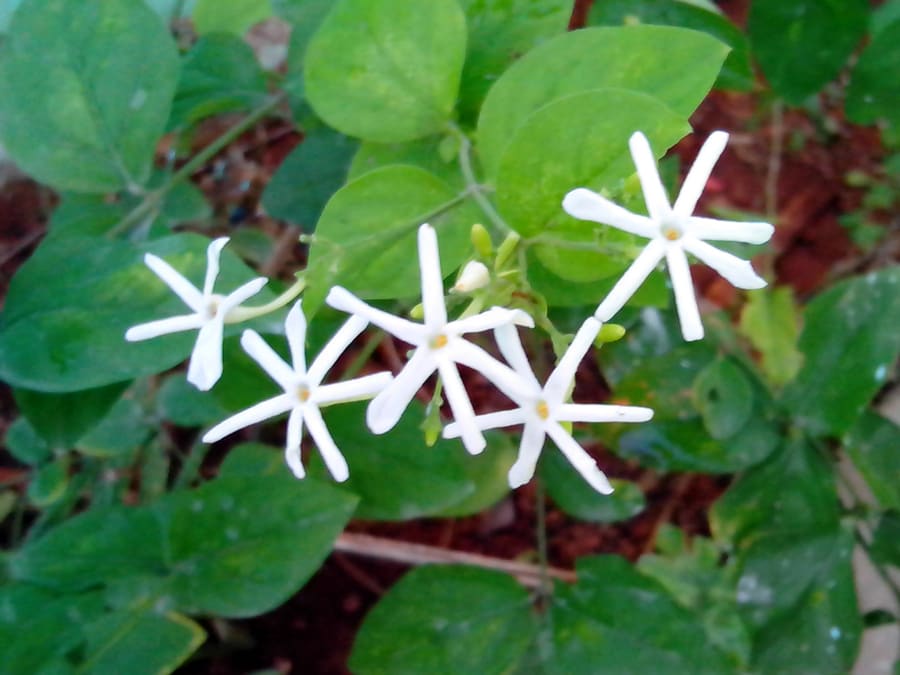 Jasmine (Jasminum grandiflorum)
Jasmine (Jasminum officinale) is a slender evergreen climber, growing up to around 20 ft (6 m), noted for its dark green compound leaves and sweetly scented, tubular white flowers. The blossoms yield a prized essential oil.
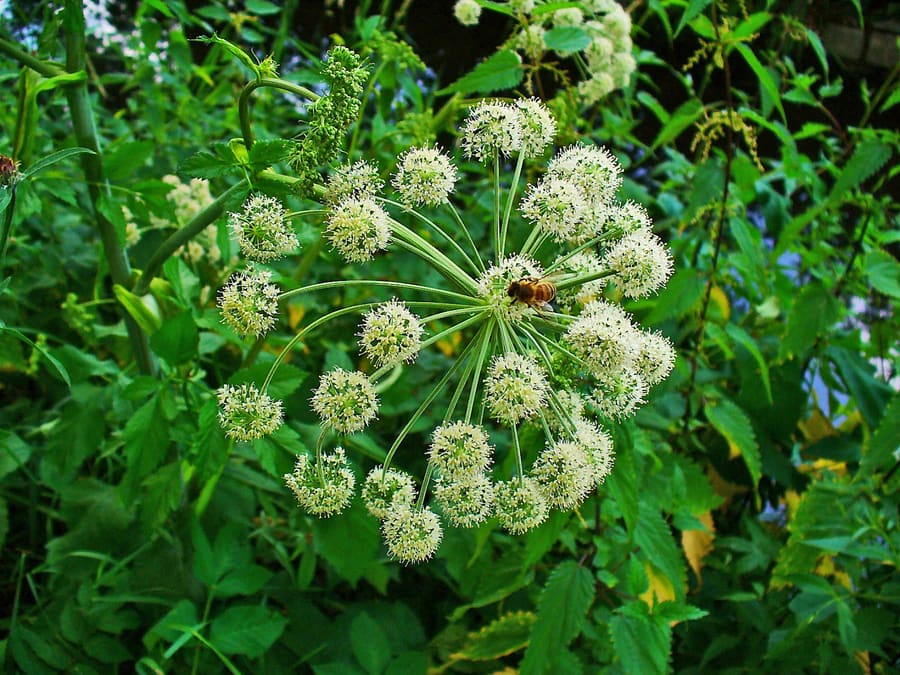 Angelica (angelica archangelica)
Angelica (Angelica archangelica) is a large, aromatic biennial herb growing up to about 6½ ft (2 m), with ridged hollow stems, bright green divided leaves, and greenish-white flowers arranged in umbrella-like clusters (umbels).
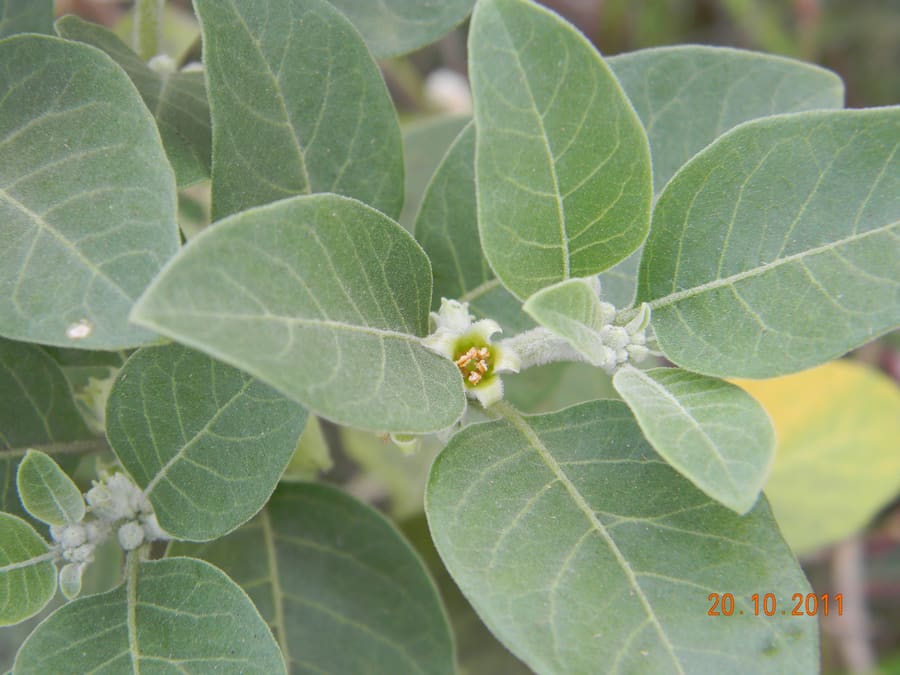 Ashwagandha (Withania somnifera)
Ashwagandha (Withania somnifera), sometimes called “Indian ginseng,” is a sturdy shrub growing to about 5 ft (1.5 m) with oval leaves, greenish or yellow flowers, and small, round fruits. NCCIH says some preparations may help insomnia and stress, but there isn't enough evidence to know whether it helps most other conditions.
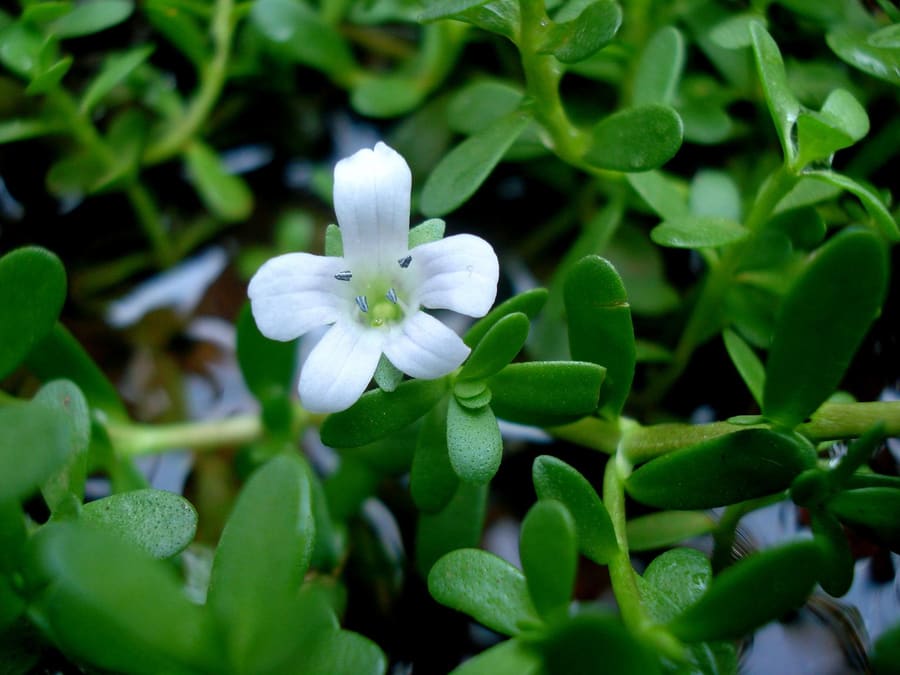 Bacopa (Bacopa monnieri)
Bacopa, also known as Water Hyssop or Brahmi, is a creeping succulent perennial that can grow to about 20 inches. It features spatula-shaped fleshy leaves and pale blue or white flowers on slender stalks. It thrives in marshlands and along the edges of mangrove swamps in warmer temperate and tropical climates, especially southern Asia, where it forms dense mats on mudflats.
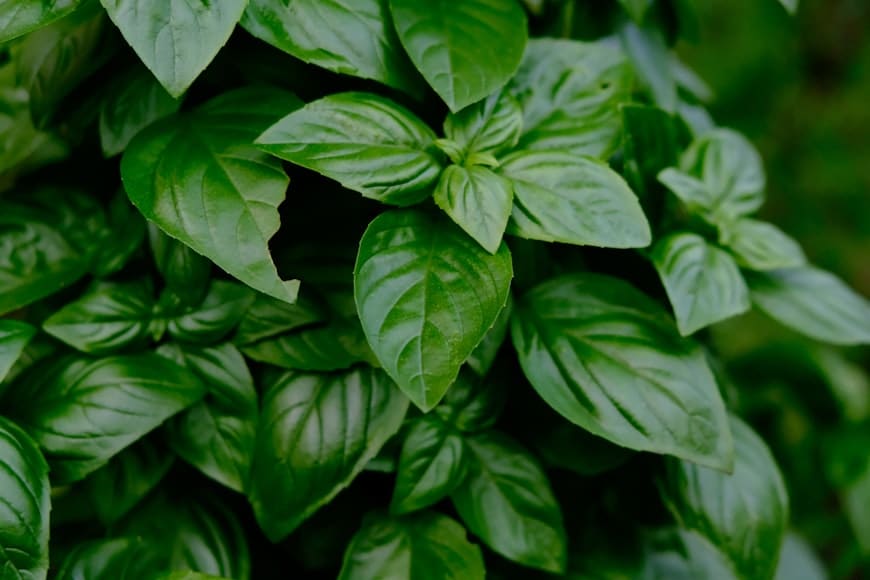 Basil
BasilBasil (Ocimum basilicum) is a bushy annual herb growing up to about 20 in (50 cm), with shiny oval leaves arranged on a square stem and small white flowers in whorls. Known for its strong, sweet aroma, basil is cultivated worldwide in numerous varieties and is widely used as a culinary herb.
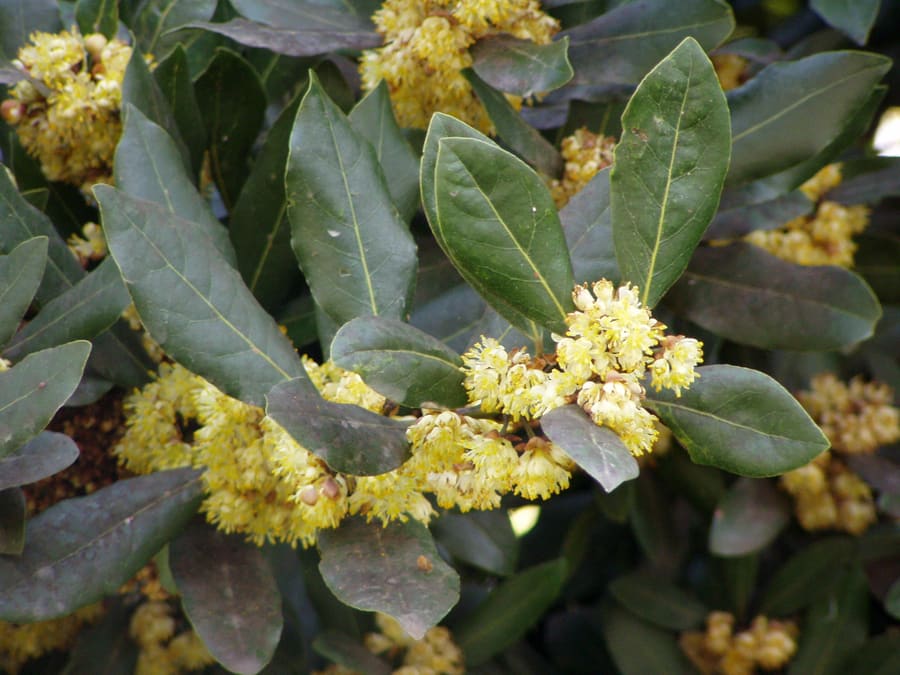 Bay laurel (Laurus nobilis)
Bay laurel (Laurus nobilis) is an aromatic evergreen shrub or small tree that can grow up to about 65 ft (20 m). It features leathery, dark green, lance-shaped leaves, small yellow flowers, and shiny black berries. The plant is well known for its culinary use (“bay leaves”) as well as its medicinal history in ancient Greece and Rome.
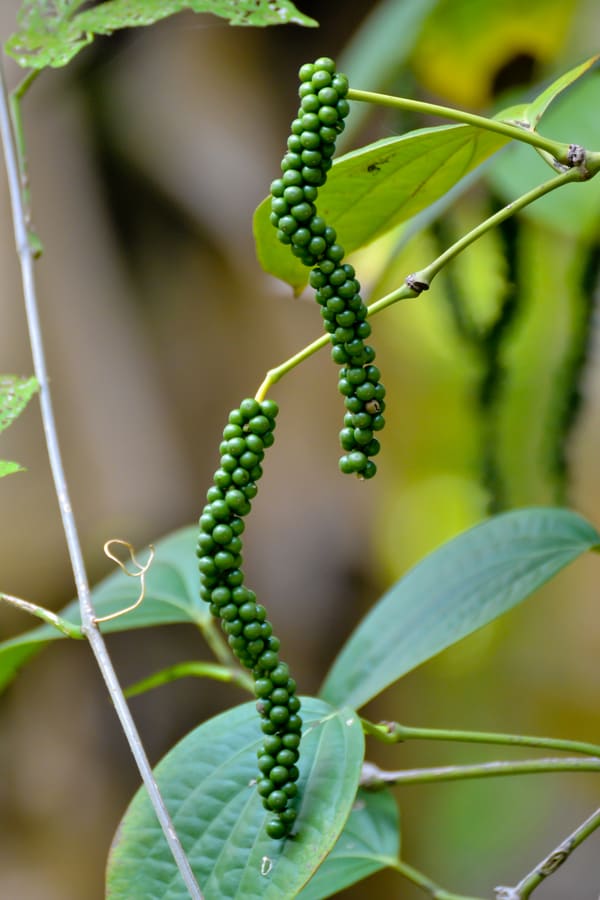 Black Pepper (Piper nigrum)
Black pepper is a perennial woody climbing vine growing to about 16 feet, with large oval leaves, spikes of small white flowers, and clusters of small round fruits that ripen from green to red. Native to southwestern India and now cultivated in tropical areas worldwide, the fruit is harvested from plants that are at least three years old. Different processing methods yield green, black, red, and white peppercorns, each with distinct flavors and uses. Cultivated as both a spice and medicine since ancient times, pepper was such a prized commodity in world trade that Attila the Hun reportedly demanded 3,000 pounds of it as ransom during his siege of Rome in 408 CE.