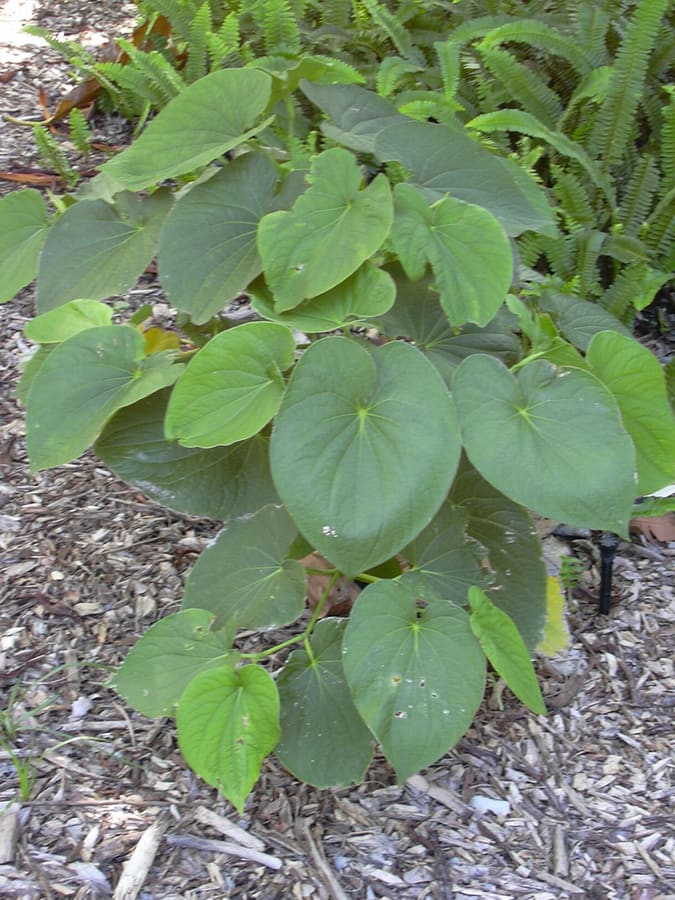
Kava (Piper methysticum)
Photo: Forest & Kim Starr · CC BY 3.0
- Mental
- 2 conditions
- Licensed photo
Overview
Kava (Piper methysticum), a member of the pepper family native to the South Pacific, has been made into ceremonial and medicinal drinks by Pacific Islanders for thousands of years. Kava products are promoted for anxiety and other health conditions; NCCIH says kava supplements may help anxiety, but there isn't enough evidence to show whether kava helps any other condition.
Traditional uses & properties
Anxiety: NCCIH says kava supplements may help anxiety, although they do not appear to help generalized anxiety disorder. Traditional Ritual Herb: Commonly used in Polynesian social and religious contexts.
Amounts reported by sources
Preparation amounts are not shown for this herb. It is toxic, restricted, or otherwise unsafe to self-dose - the margin between a traditional dose and a harmful one is too small to publish as reference material. If you are considering it, that conversation belongs with a doctor or a qualified practitioner, not a website.
Safety & precautions
Liver injury: Rare but severe liver injury, including hepatitis, cirrhosis, liver failure needing a transplant, and death, has been reported with kava products. LiverTox puts kava in its top likelihood category (A) for causing liver injury, with symptoms usually starting within weeks to a few months of use. MSK describes a case of liver failure and transplant after about two months of use with no sign of overdosing. In March 2002 the U.S. FDA issued a consumer advisory on this risk, and several countries restricted kava or removed it from sale. Do not use kava if you have liver disease or drink alcohol, and talk to a doctor first if you take medicines that can affect the liver. Stop and get medical advice if you notice yellowing skin or eyes, dark urine, or unusual tiredness. Sedation: Kava can impair driving and adds to the effects of alcohol and sedatives. Pregnancy & Nursing: Not recommended. Legality: Subject to restrictions in many countries.
Educational reference only - not medical advice. Herbs can interact with medications. Consult a qualified healthcare provider before use. Full disclaimer.
Drug interactions
Interaction data is not available for this herb - talk to a pharmacist before combining it with any medication. A blank entry here means we have not documented interactions, not that none exist.
Habitat
Native to Polynesia and regions of Oceania, kava is also grown in parts of the U.S. (Hawaii) and Australia. It requires fertile, well-drained, stony soil in shade. Propagation is typically from runners in late winter or spring, with roots harvested year-round.
Sources
The interaction notes and the statements on this page that name a source were written by HerbMate from these references, which were last checked in October 2026. They are summaries, not medical advice; ask a pharmacist about your own medicines.
Traditionally used for
Each condition shows its first 2 remedies free. Premium opens the full remedy list for every condition - or come back for the free Condition of the Day.
Frequently asked questions
What is Kava (Piper methysticum) traditionally used for?
Traditional sources describe Kava (Piper methysticum) as follows: Anxiety: NCCIH says kava supplements may help anxiety, although they do not appear to help generalized anxiety disorder. Traditional Ritual Herb: Commonly used in Polynesian social and religious contexts.
How is Kava (Piper methysticum) prepared?
Preparation amounts are not shown for this herb. It is toxic, restricted, or otherwise unsafe to self-dose - the margin between a traditional dose and a harmful one is too small to publish as reference material. If you are considering it, that conversation belongs with a doctor or a qualified practitioner, not a website.
What safety cautions apply to Kava (Piper methysticum)?
Liver injury: Rare but severe liver injury, including hepatitis, cirrhosis, liver failure needing a transplant, and death, has been reported with kava products. LiverTox puts kava in its top likelihood category (A) for causing liver injury, with symptoms usually starting within weeks to a few months of use. MSK describes a case of liver failure and transplant after about two months of use with no sign of overdosing. In March 2002 the U.S. FDA issued a consumer advisory on this risk, and several countries restricted kava or removed it from sale. Do not use kava if you have liver disease or drink alcohol, and talk to a doctor first if you take medicines that can affect the liver. Stop and get medical advice if you notice yellowing skin or eyes, dark urine, or unusual tiredness. Sedation: Kava can impair driving and adds to the effects of alcohol and sedatives. Pregnancy & Nursing: Not recommended. Legality: Subject to restrictions in many countries.
Related herbs
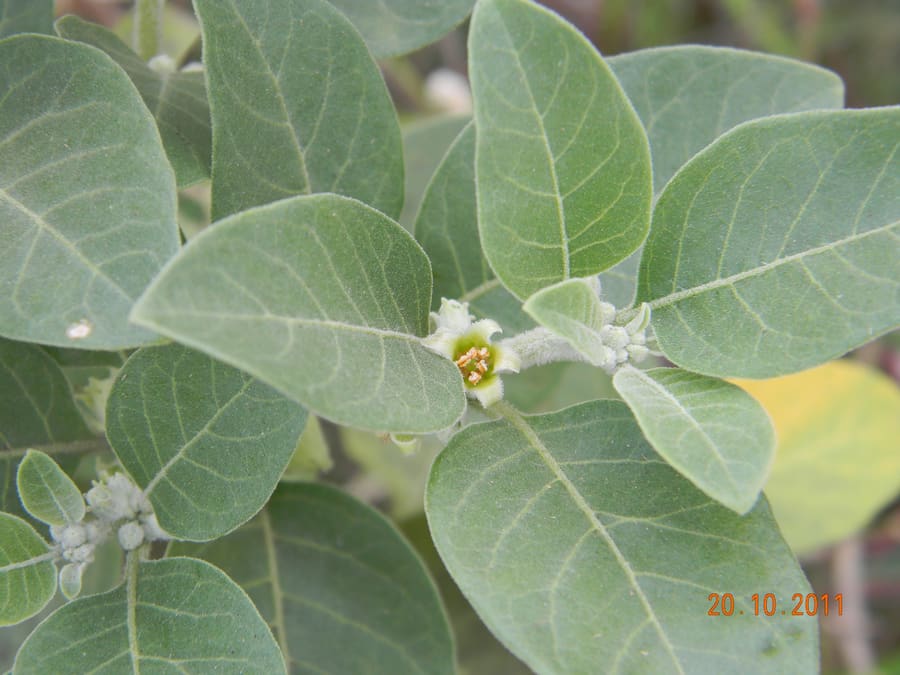 Ashwagandha (Withania somnifera)
, sometimes called “Indian ginseng,” is a sturdy shrub growing to about 5 ft (1.5 m) with oval leaves, greenish or yellow flowers, and small, round fruits. NCCIH says some preparations may help insomnia and stress, but there isn't enough evidence to know whether it helps most other conditions.
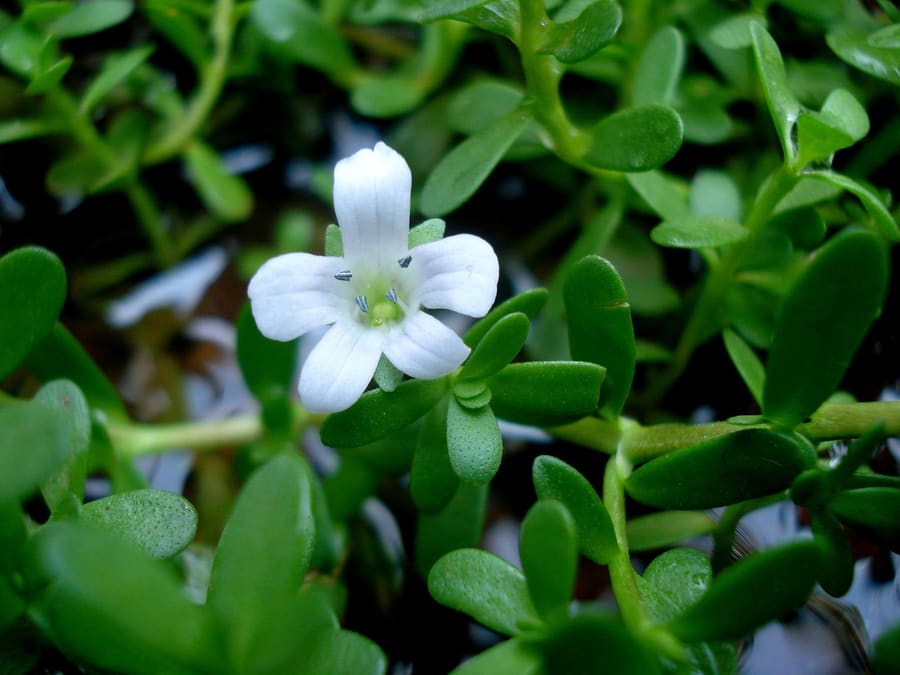 Bacopa (Bacopa monnieri)
Bacopa, also known as Water Hyssop or Brahmi, is a creeping succulent perennial that can grow to about 20 inches. It features spatula-shaped fleshy leaves and pale blue or white flowers on slender stalks. It thrives in marshlands and along the edges of mangrove swamps in warmer temperate and tropical climates, especially southern Asia, where it forms dense mats on mudflats.
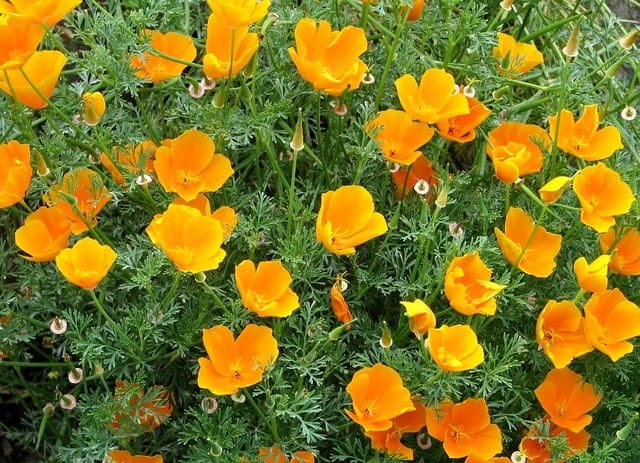 California Poppy (Eschscholzia californica)
California poppy (Eschscholzia californica) is an annual or short-lived perennial with finely divided leaves and vibrant orange, yellow, pink, or red blossoms. It is related to the opium poppy.
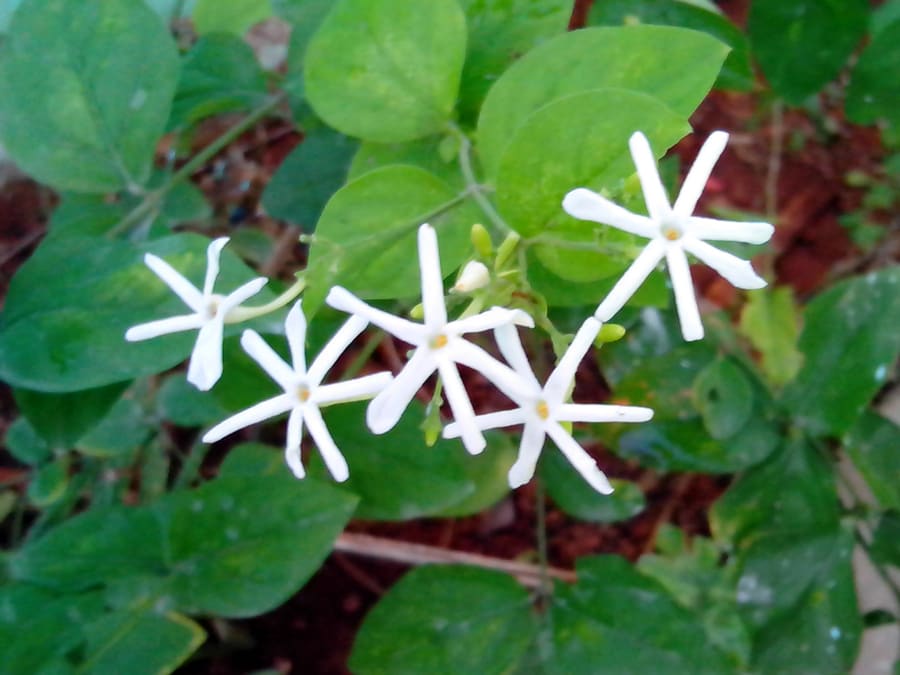 Jasmine (Jasminum grandiflorum)
Jasmine (Jasminum officinale) is a slender evergreen climber, growing up to around 20 ft (6 m), noted for its dark green compound leaves and sweetly scented, tubular white flowers. The blossoms yield a prized essential oil.
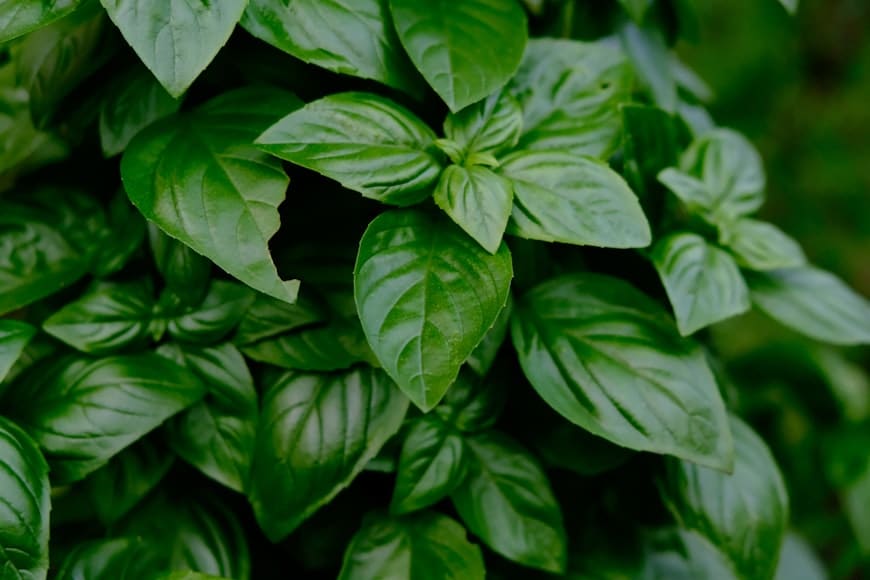 Basil
Basil (Ocimum basilicum) is a bushy annual herb growing up to about 20 in (50 cm), with shiny oval leaves arranged on a square stem and small white flowers in whorls. Known for its strong, sweet aroma, basil is cultivated worldwide in numerous varieties and is widely used as a culinary herb.
- Cardamom (Eletteria cardamomum)
Cardamom is an aromatic spice long prized for its fragrant, pungent taste. Thanks to its agreeable flavor, cardamom is often added to herbal formulas to improve taste.
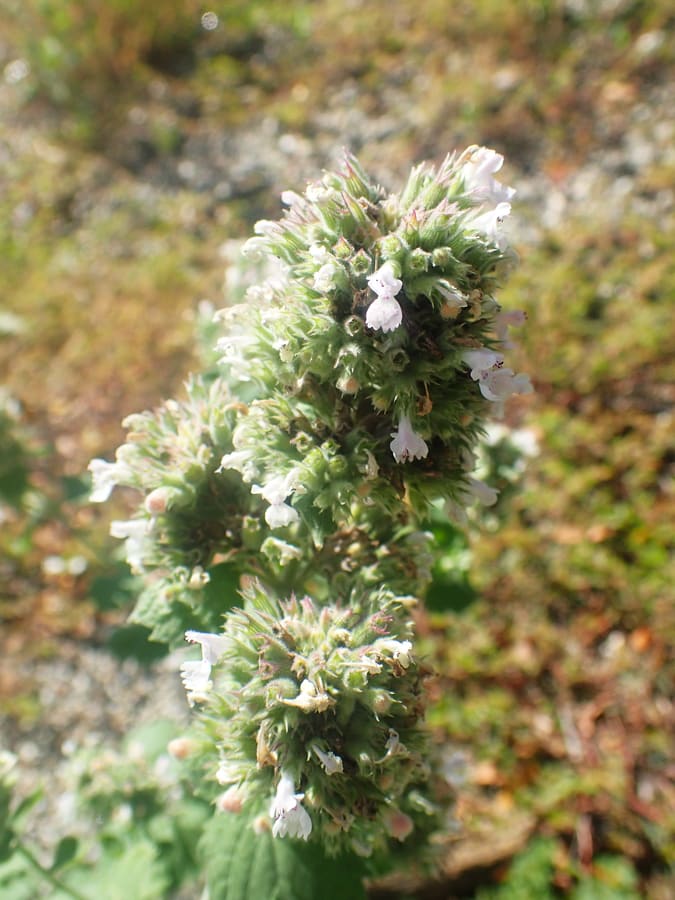 Catnip (Nepeta cataria)
Catnip is a downy, aromatic perennial growing to 3 feet with heart-shaped, gray-green leaves and whorls of white flowers marked with purple spots. Native to Europe and naturalized in North America, it grows in dry wayside places and mountainous regions up to altitudes of 5,000 feet. The plant is gathered when in flower during summer and autumn. Catnip has an excitatory effect on cats.
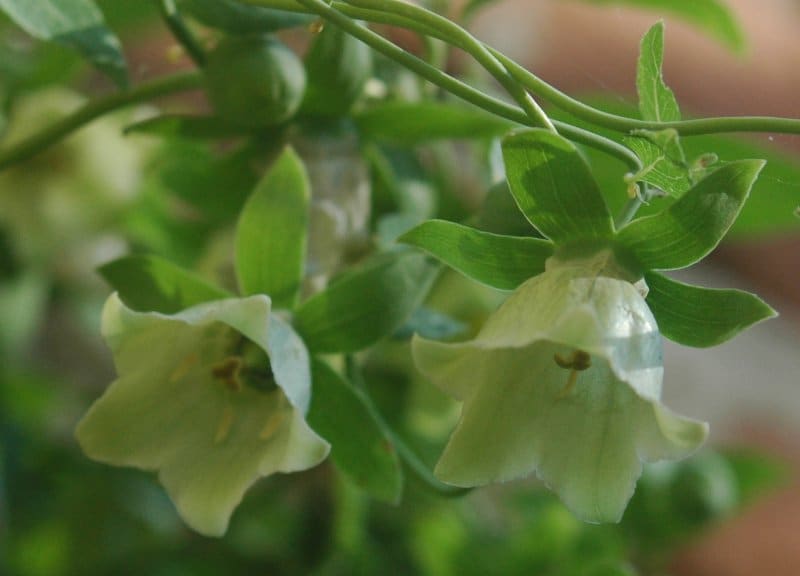 Codonopsis (Codonopsis pilosula)
Codonopsis is a small twining perennial growing to 5 feet with oval leaves and pendulous green and purple bell-shaped flowers marked with purple in summer. Native to northeastern China and growing throughout the region, especially in the Shanxi and Szechuan provinces, it is propagated from seed in spring or autumn, and the root is harvested in autumn once the aerial parts have died down. Codonopsis holds a central place in Chinese herbal medicine.