
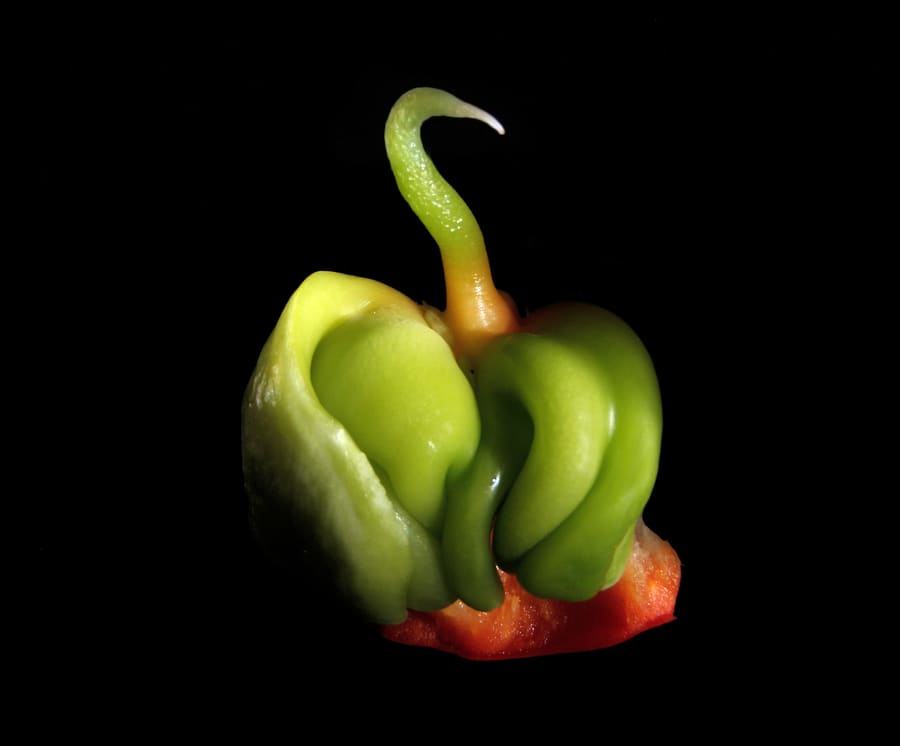
Cayenne (Capsicum annuum)
Photo: Brocken Inaglory · CC BY-SA 3.0
- Circulatory
- 2 conditions
- Licensed photo
Overview
Cayenne (Capsicum frutescens) is a tropical pepper known for its hot, pungent taste.
Safety & precautions
Irritating Nature: Large doses can irritate the stomach, intestines, and skin, leading to painful bowel movements or a burning sensation. Topical Use: Contact with eyes, sinuses, or other sensitive areas can be extremely painful; use caution. Avoid in Hemorrhoids / Anal Fissures: Can exacerbate discomfort. ACE Inhibitor Cough: May worsen coughs triggered by ACE inhibitor medications.
Educational reference only - not medical advice. Herbs can interact with medications. Consult a qualified healthcare provider before use. Full disclaimer.
Drug interactions
Most interaction signals for cayenne come from its pungent compound capsaicin, and many come from animal studies. [1, 2]
- ACE inhibitors
- A 1990 case report described cough brought on by topical capsaicin in a patient taking an ACE inhibitor. MSK also notes capsaicin may make ACE-inhibitor cough more frequent. [1, 2, 3]
- Blood thinners and antiplatelet drugs
- Animal research summarized by MSK suggests capsaicin has antiplatelet effects, and a 2000 review lists capsicum among herbs that could, in theory, raise bleeding risk with warfarin. Clinical relevance is unclear. [1, 4]
- Cyclosporine
- MSK advises transplant patients to avoid capsaicin alongside cyclosporine. In animals, long-term high intake raised the amount of cyclosporine absorbed. [1]
- Theophylline
- Animal data suggest capsaicin may increase theophylline absorption. The effect in people is unknown. [1]
How to read this section: each entry is HerbMate's summary of what the cited sources report. Words such as "may", "theoretical" or "in laboratory or animal studies" mean the effect has not been confirmed in people, and "case report" means it was seen in one or a few patients. A medicine that is not listed here has not been shown to be safe with this herb. The numbers in brackets link to the sources at the foot of the page.
Habitat
Native to the tropical regions of the Americas, cayenne now grows worldwide in warm, moist climates, including Africa and India. Typically started from seed in early spring, the plant produces conical red fruits (peppers) harvested in summer once fully ripe and then dried in the shade.
Sources
The interaction notes and the statements on this page that name a source were written by HerbMate from these references, which were last checked in October 2026. They are summaries, not medical advice; ask a pharmacist about your own medicines.
- Memorial Sloan Kettering, About Herbs: Cayenne
- Memorial Sloan Kettering, About Herbs: Capsaicin
- Hakas JF Jr. Topical capsaicin induces cough in patient receiving ACE inhibitor. Ann Allergy, 1990 (PubMed 2221491)
- Heck AM, et al. Potential interactions between alternative therapies and warfarin. Am J Health Syst Pharm, 2000 (PubMed 10902065)
Traditionally used for
Each condition shows its first 2 remedies free. Premium opens the full remedy list for every condition - or come back for the free Condition of the Day.
Frequently asked questions
What safety cautions apply to Cayenne (Capsicum annuum)?
Irritating Nature: Large doses can irritate the stomach, intestines, and skin, leading to painful bowel movements or a burning sensation. Topical Use: Contact with eyes, sinuses, or other sensitive areas can be extremely painful; use caution. Avoid in Hemorrhoids / Anal Fissures: Can exacerbate discomfort. ACE Inhibitor Cough: May worsen coughs triggered by ACE inhibitor medications.
Related herbs
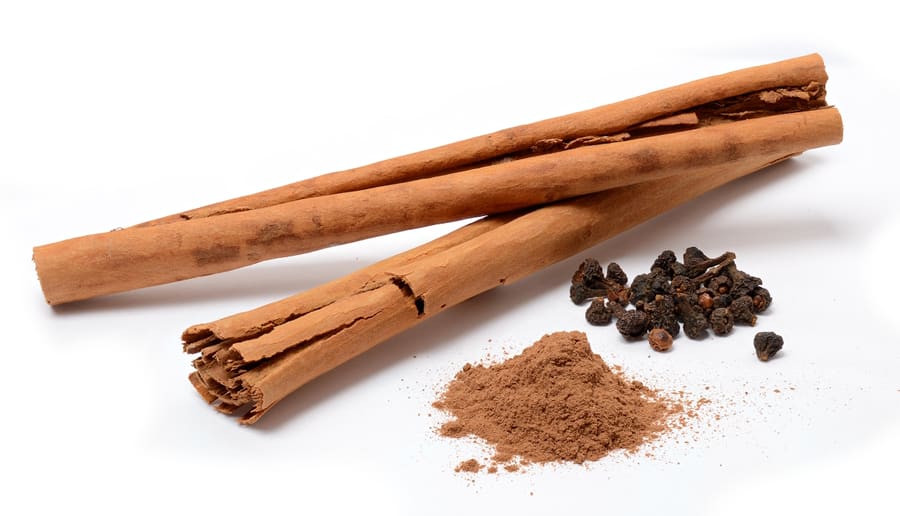 Cinnamon (Cinnamomum verum)
Cinnamon (Cinnamomum verum or C. zeylanicum) is a small evergreen tree, prized for its fragrant, sweet-spicy bark. Cinnamon has a long history of use in traditional medicine in China, India and Persia, where it was thought to help inflammation, nerve pain, heart disease and cough (NCCIH). NCCIH says research doesn't clearly support cinnamon for any health condition, and it is unclear whether it helps diabetes.
 Dong Quai (Angelica sinensis)
Dong quai (Angelica sinensis) is a stout, upright perennial growing to about 6½ ft (2 m), often described as the “women’s ginseng” in China. In Traditional Chinese Medicine (TCM) it is a key women’s herb, taken for menstrual and menopausal symptoms; MSK says findings on whether it helps menopausal symptoms are inconclusive. The rhizome has a strong, sweet, pungent aroma and is frequently used in cooking.
 Ginkgo (Ginkgo biloba)
Ginkgo (Ginkgo biloba) is a distinctive, long-lived deciduous tree that can grow up to about 100 ft (30 m). It has fan-shaped leaves with radiating veins, often turning bright yellow in autumn. Ginkgo is widely promoted for cognitive impairment and dementia, and with claims that it can enhance cognitive performance in healthy people. NCCIH says ginkgo has not been shown to be effective for any condition studied, including preventing dementia.
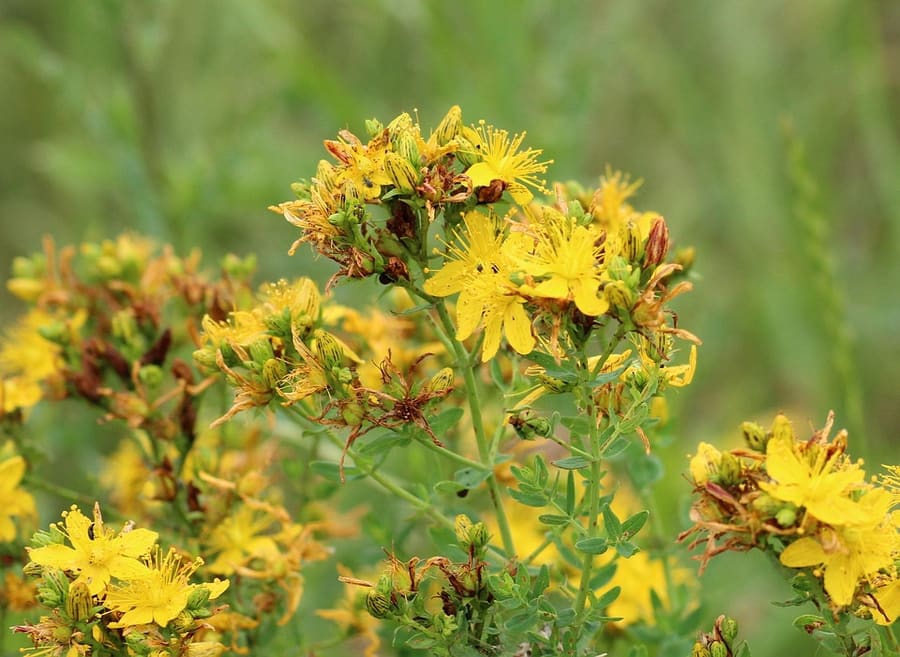 St. John’s Wort (Hypericum perforatum)
St. John’s wort (Hypericum perforatum) is an erect perennial reaching about 32 in (80 cm), with bright yellow flowers in clusters. It exudes a red pigment (“hypericin”) when the flowers or leaves are crushed. It has been used historically for low mood, colds, and wound healing. NCCIH says it may help mild or moderate depression but can interact in dangerous, sometimes life-threatening ways with many medicines.
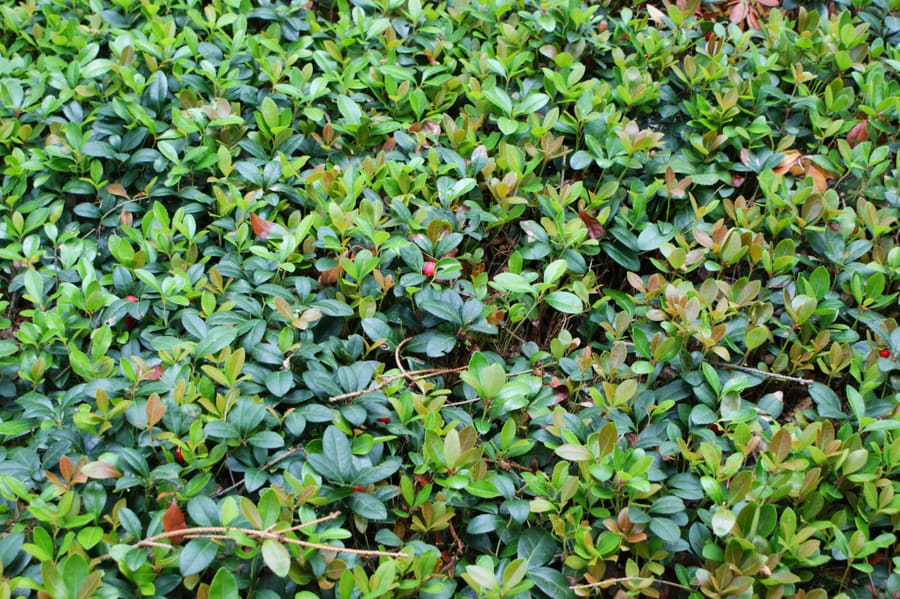 Wintergreen (Gaultheria procumbens)Not for self-dosing
Wintergreen (Gaultheria procumbens) is a low-lying evergreen shrub, reaching about 6 in (15 cm), with oval leathery leaves, small bell-shaped flowers, and bright red berries. It is known primarily for its oil, which contains methyl salicylate.