
Dong Quai (Angelica sinensis)
Photo: NIH · Public domain
- Circulatory
- 1 condition
- Licensed photo
Overview
Dong quai (Angelica sinensis) is a stout, upright perennial growing to about 6½ ft (2 m), often described as the “women’s ginseng” in China. In Traditional Chinese Medicine (TCM) it is a key women’s herb, taken for menstrual and menopausal symptoms; MSK says findings on whether it helps menopausal symptoms are inconclusive. The rhizome has a strong, sweet, pungent aroma and is frequently used in cooking.
Traditional uses & properties
Menopause (traditional use): Taken for menopausal symptoms such as hot flashes; MSK says findings on whether it helps are inconclusive.
Safety & precautions
Pregnancy & Heavy Menstrual Flow: Not recommended, as it can stimulate uterine activity and increase bleeding. Blood Thinners: May have an anticoagulant effect; consult a professional if you are on blood-thinning medications.
Educational reference only - not medical advice. Herbs can interact with medications. Consult a qualified healthcare provider before use. Full disclaimer.
Drug interactions
The main concern is an added effect on blood clotting. [1, 2]
- Warfarin and other blood thinners
- A 1999 case report described a woman stable on warfarin whose clotting test (INR) more than doubled after about four weeks of dong quai and returned to range a month after she stopped. MSK adds that one human study found the added effect to be limited. [1, 2]
- Clozapine
- MSK cites two case reports in which dong quai appeared to speed up the breakdown of clozapine. [1]
- Medicines broken down by CYP3A4
- MSK says prolonged use may induce this enzyme, which could lower levels of some drugs. Clinical relevance is unknown. [1]
- Antiplatelet therapy and lisinopril
- Animal studies cited by MSK found altered drug levels with aspirin plus clopidogrel, and worsened anemia with lisinopril. Effects in people are undetermined. [1]
How to read this section: each entry is HerbMate's summary of what the cited sources report. Words such as "may", "theoretical" or "in laboratory or animal studies" mean the effect has not been confirmed in people, and "case report" means it was seen in one or a few patients. A medicine that is not listed here has not been shown to be safe with this herb. The numbers in brackets link to the sources at the foot of the page.
Habitat
This plant is native to China and Japan, cultivated especially in Gansu province, China. Seed is typically sown in spring; rhizomes are dug up in autumn. It prefers cool, damp conditions.
Sources
The interaction notes and the statements on this page that name a source were written by HerbMate from these references, which were last checked in October 2026. They are summaries, not medical advice; ask a pharmacist about your own medicines.
Traditionally used for
Each condition shows its first 2 remedies free. Premium opens the full remedy list for every condition - or come back for the free Condition of the Day.
Frequently asked questions
What is Dong Quai (Angelica sinensis) traditionally used for?
Traditional sources describe Dong Quai (Angelica sinensis) as follows: Menopause (traditional use): Taken for menopausal symptoms such as hot flashes; MSK says findings on whether it helps are inconclusive.
What safety cautions apply to Dong Quai (Angelica sinensis)?
Pregnancy & Heavy Menstrual Flow: Not recommended, as it can stimulate uterine activity and increase bleeding. Blood Thinners: May have an anticoagulant effect; consult a professional if you are on blood-thinning medications.
Related herbs
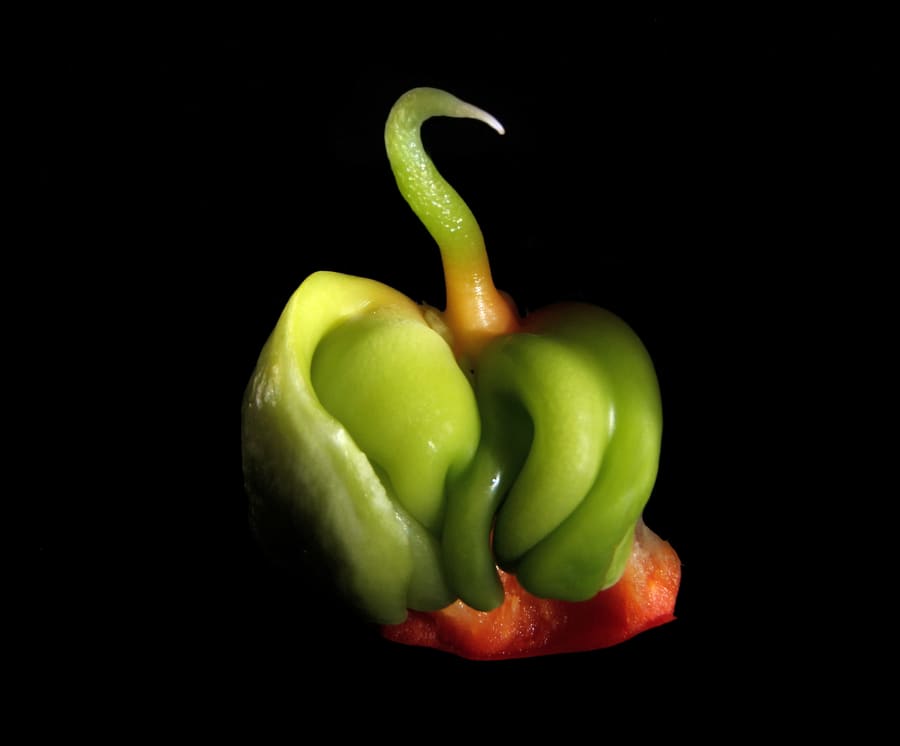 Cayenne (Capsicum annuum)
Cayenne (Capsicum frutescens) is a tropical pepper known for its hot, pungent taste.
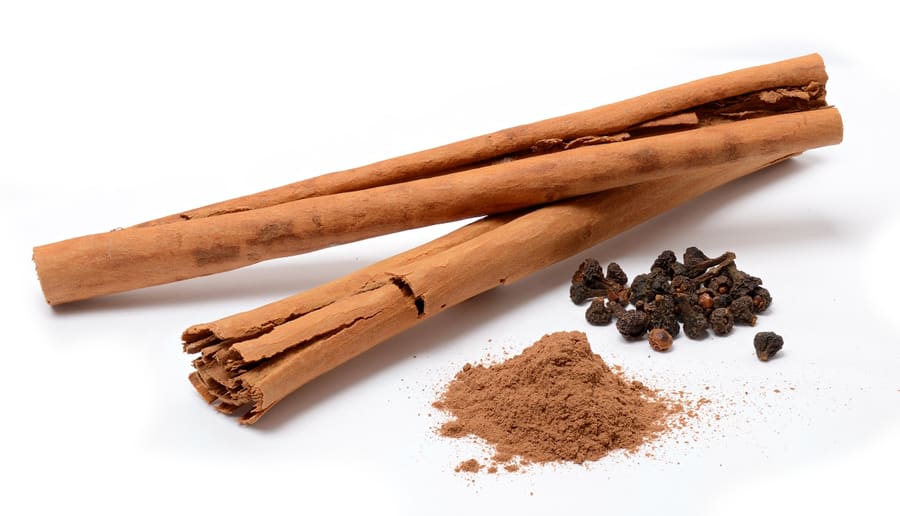 Cinnamon (Cinnamomum verum)
Cinnamon (Cinnamomum verum or C. zeylanicum) is a small evergreen tree, prized for its fragrant, sweet-spicy bark. Cinnamon has a long history of use in traditional medicine in China, India and Persia, where it was thought to help inflammation, nerve pain, heart disease and cough (NCCIH). NCCIH says research doesn't clearly support cinnamon for any health condition, and it is unclear whether it helps diabetes.
 Ginkgo (Ginkgo biloba)
 is a distinctive, long-lived deciduous tree that can grow up to about 100 ft (30 m). It has fan-shaped leaves with radiating veins, often turning bright yellow in autumn. Ginkgo is widely promoted for cognitive impairment and dementia, and with claims that it can enhance cognitive performance in healthy people. NCCIH says ginkgo has not been shown to be effective for any condition studied, including preventing dementia.