
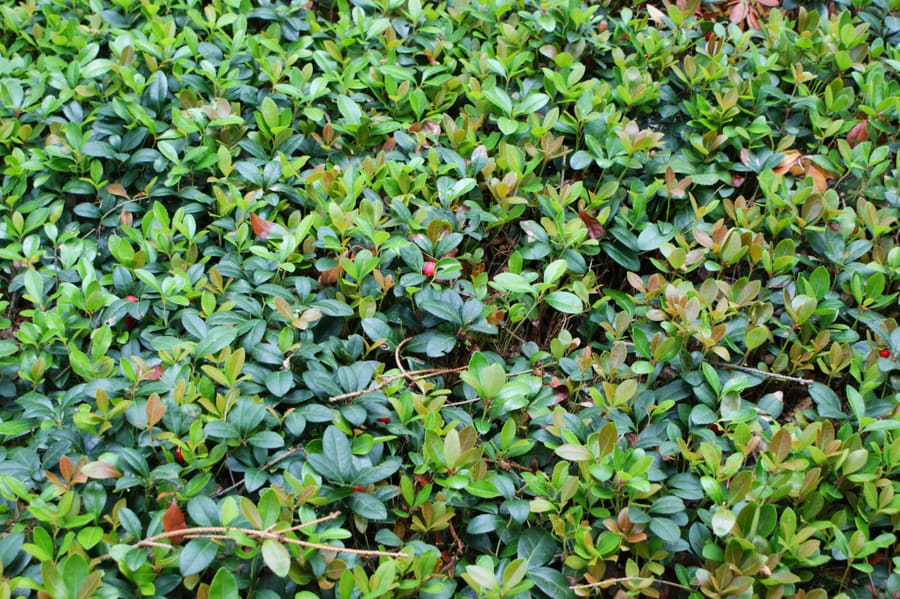
Wintergreen (Gaultheria procumbens)
Photo: Krzysztof Ziarnek, Kenraiz · CC BY-SA 4.0
- Skeletal
- 4 conditions
- Licensed photo
Overview
Wintergreen (Gaultheria procumbens) is a low-lying evergreen shrub, reaching about 6 in (15 cm), with oval leathery leaves, small bell-shaped flowers, and bright red berries. It is known primarily for its oil, which contains methyl salicylate.
Traditional uses & properties
Constituents: The oil contains methyl salicylate, an ingredient of liniments and sports rubs.
Amounts reported by sources
Preparation amounts are not shown for this herb. It is toxic, restricted, or otherwise unsafe to self-dose - the margin between a traditional dose and a harmful one is too small to publish as reference material. If you are considering it, that conversation belongs with a doctor or a qualified practitioner, not a website.
Safety & precautions
Essential Oil (Topical Only): Undiluted, it can trigger dermatitis; do not ingest. Aspirin Sensitivity: Those allergic or sensitive to aspirin should avoid wintergreen (it contains salicylates). Children: Exercise caution applying the oil topically to young children (under professional advice).
Educational reference only - not medical advice. Herbs can interact with medications. Consult a qualified healthcare provider before use. Full disclaimer.
Drug interactions
Interaction data is not available for this herb - talk to a pharmacist before combining it with any medication. A blank entry here means we have not documented interactions, not that none exist.
Habitat
Indigenous to North American woodlands and mountainous regions, wintergreen prefers acid, moist soils. Leaves and fruit are gathered in summer. The essential oil is obtained by steam-distilling leaves and small twigs.
Traditionally used for
- Back pain5 herbs · 2 free
- Muscle Strain8 herbs · 2 free
- Rheumatism9 herbs · 2 free
- Sciatica3 herbs · 2 free
Each condition shows its first 2 remedies free. Premium opens the full remedy list for every condition - or come back for the free Condition of the Day.
Frequently asked questions
What is Wintergreen (Gaultheria procumbens) traditionally used for?
Traditional sources describe Wintergreen (Gaultheria procumbens) as follows: Constituents: The oil contains methyl salicylate, an ingredient of liniments and sports rubs.
How is Wintergreen (Gaultheria procumbens) prepared?
Preparation amounts are not shown for this herb. It is toxic, restricted, or otherwise unsafe to self-dose - the margin between a traditional dose and a harmful one is too small to publish as reference material. If you are considering it, that conversation belongs with a doctor or a qualified practitioner, not a website.
What safety cautions apply to Wintergreen (Gaultheria procumbens)?
Essential Oil (Topical Only): Undiluted, it can trigger dermatitis; do not ingest. Aspirin Sensitivity: Those allergic or sensitive to aspirin should avoid wintergreen (it contains salicylates). Children: Exercise caution applying the oil topically to young children (under professional advice).
Related herbs
- Corydalis (Corydalis yanhusuo)
Corydalis is a small herbaceous perennial growing to 8 inches with narrow leaves and pink flowers. Native to Siberia, northern China, and Japan, it is commonly cultivated in eastern and northeastern parts of China. Propagated from seed in early spring or autumn, the rhizome is harvested in late spring and early summer when the aerial parts have withered. It has been part of Chinese herbal medicine since at least the 8th century.
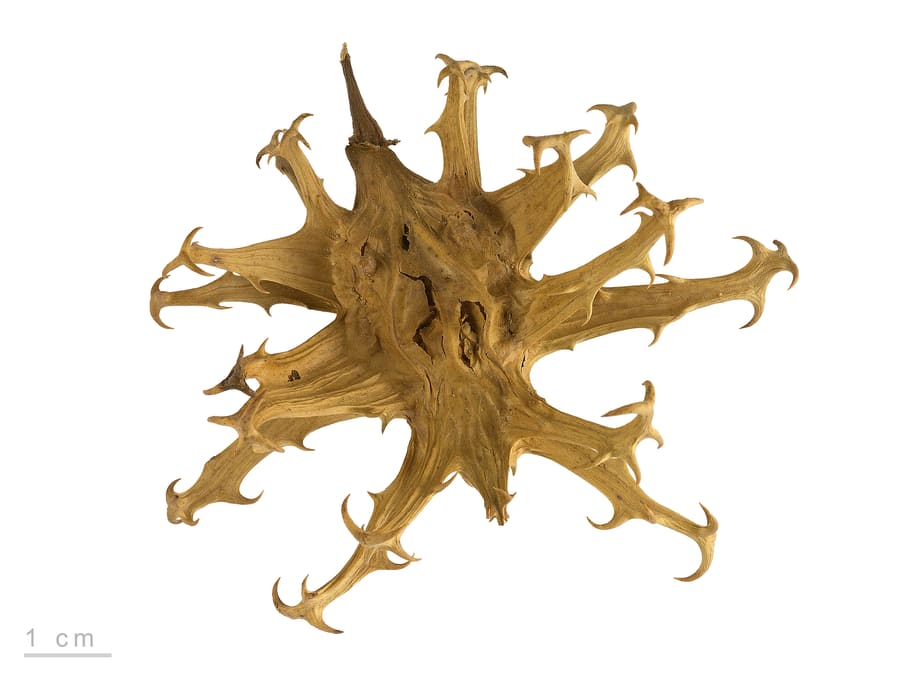 Devil's Claw (Harpagophytum procumbens)
Devil’s claw (Harpagophytum procumbens) is a trailing perennial native to southern Africa, named for its hooked, woody fruits. Its tuber has long been used in traditional medicine for pain, fever, and stomach complaints; MSK says no scientific evidence supports its use for digestive disorders. Today it is mostly taken for joint and back pain; MSK says small studies suggest it may help osteoarthritis of the hip or knee and back pain, but larger studies are needed.
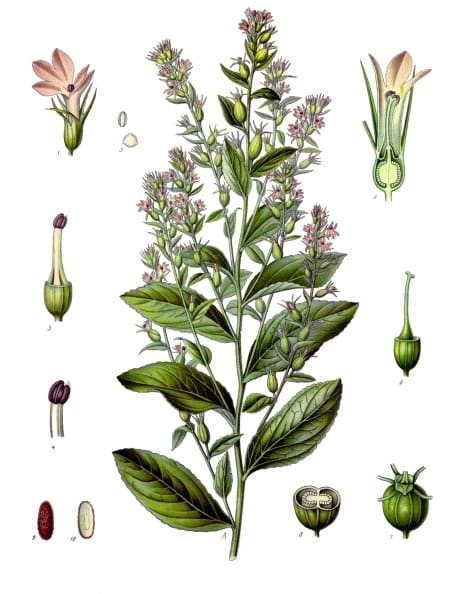 Lobelia (Lobelia inflata)Not for self-dosing
Lobelia is an annual herb growing to 20 inches with lance-shaped leaves and pale blue, pink-tinged flowers. It was used as a 'puke weed' to induce vomiting. Lobelia was also smoked as a substitute for tobacco and was reputed to share some of its magical qualities. Indigenous to North America, especially eastern parts of the United States, it grows by roadsides and in neglected areas, preferring acid soil. The aerial parts are harvested in early autumn when the seed capsules are most numerous and are carefully dried. Its use was later championed by the American herbalist Samuel Thomson (1769-1843), who made the herb the mainstay of his therapeutic system, mainly using it to induce vomiting.
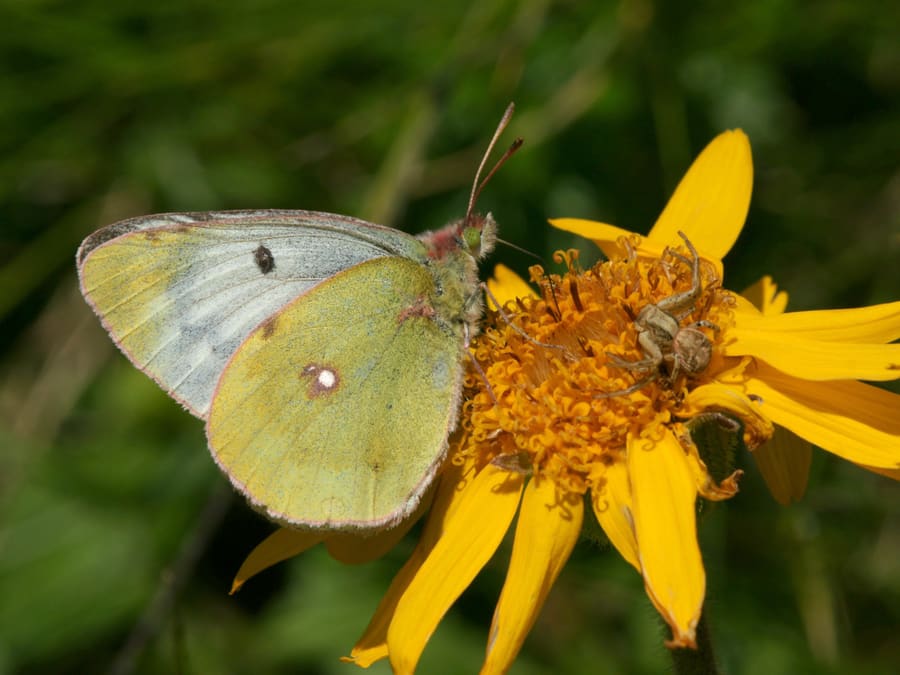 Arnica (Arnica montana)Not for self-dosing
Arnica is an aromatic perennial, usually about 1 ft (30 cm) high, with downy, oval-shaped leaves and bright yellow daisy-like flowers. Its flowers and roots have traditionally been used for bruises, sprains, arthritic pain and muscle aches, and a highly diluted form is used in homeopathy; MSK says a few clinical trials suggest topical arnica may help osteoarthritis and bruising, but rigorous research on homeopathic arnica is still needed. Arnica taken internally can be toxic (see precautions).
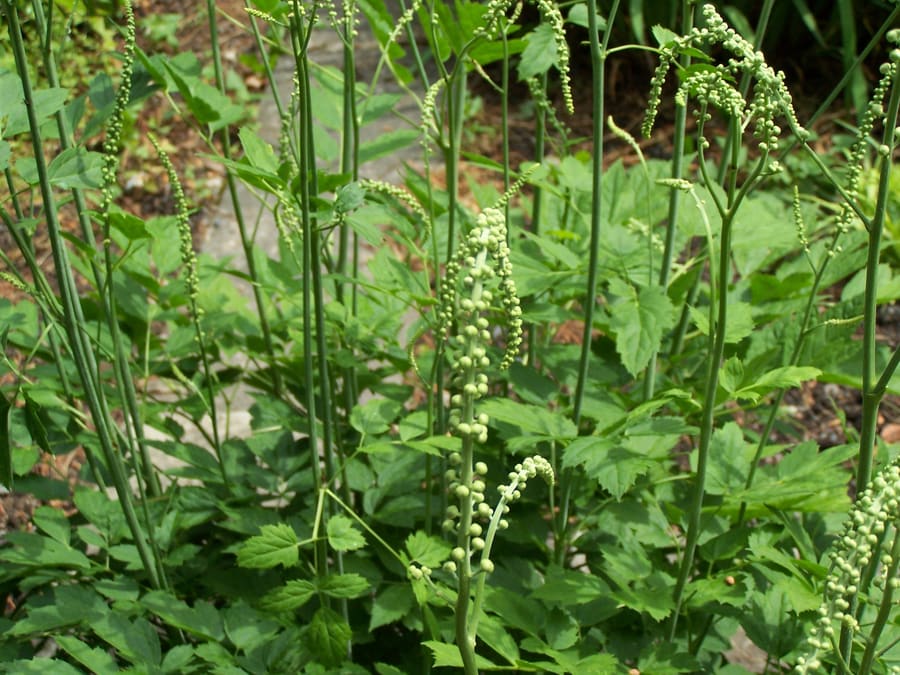 Black Cohosh (Cimicifuga racemosa)
Black cohosh (Cimicifuga racemosa) is a tall herbaceous perennial, growing up to about 8 ft (2.5 m) with creamy-white flower spikes. Its thick, knobby root has a bitter, acrid taste and a distinctive odor. Native Americans used the root for a variety of conditions, including menstrual cramps, kidney ailments and sore throat; NCCIH says research has focused on menopause symptoms, and there aren't enough reliable data on other uses.
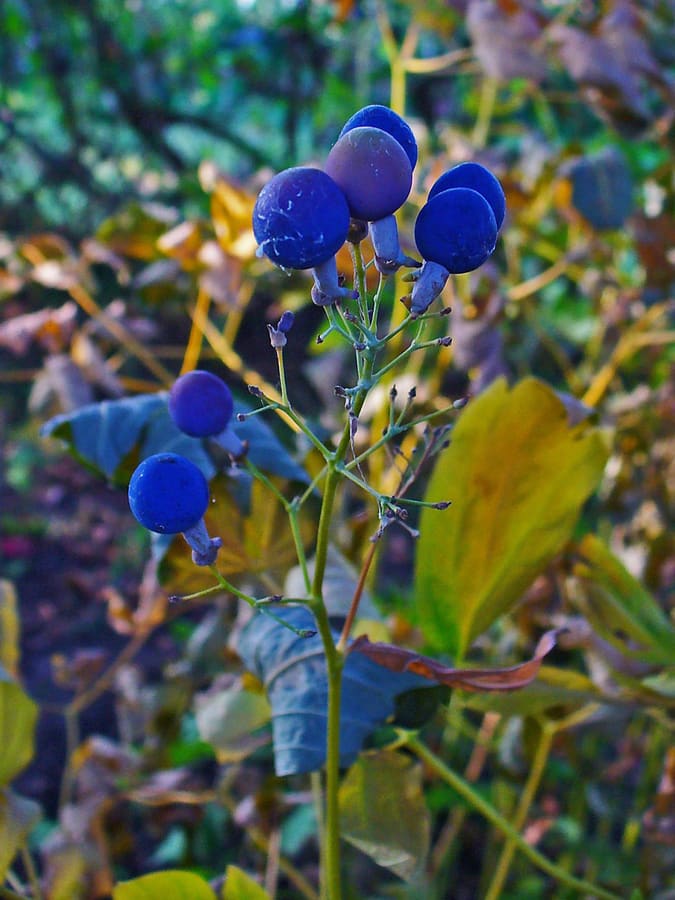 Blue Cohosh (Caulophyllum thalictroides)Not for self-dosing
Blue cohosh is an upright perennial herb reaching 3 feet in height, with large three-lobed leaves, yellow to purple flowers, and striking blue berries. It grows wild in much of eastern North America from Manitoba to Alabama, preferring woodland valleys and damp, north-facing slopes. The name 'cohosh' comes from the Algonquin language, and the plant was a popular remedy among many Native American tribes.
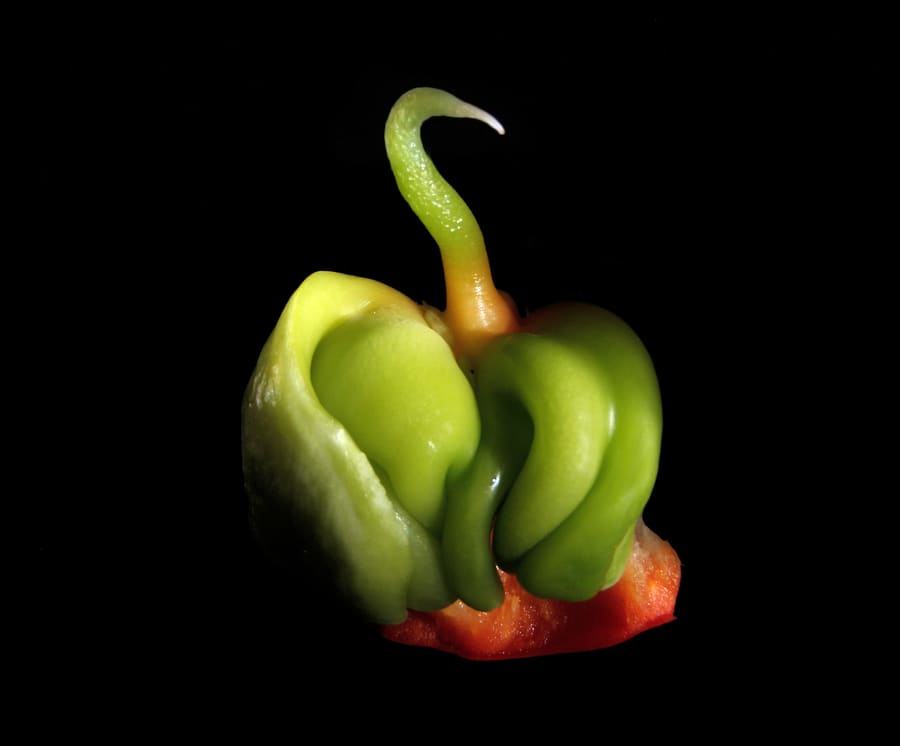 Cayenne (Capsicum annuum)
Cayenne (Capsicum frutescens) is a tropical pepper known for its hot, pungent taste.
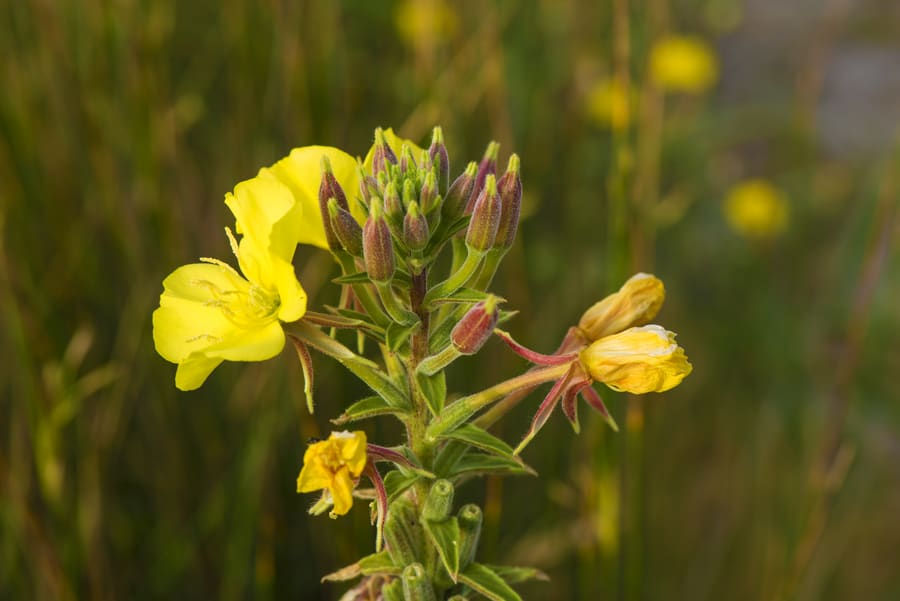 Evening Primrose (Oenothera biennis)
Biennial herb growing to 8 in (20 cm). Has red blotches on stem, crinkled lance-shaped leaves, 4-petaled yellow flowers, and elongated seed capsules.