
Corydalis (Corydalis yanhusuo)
- Digestive
- 4 conditions
- Illustrated plate
Overview
Corydalis is a small herbaceous perennial growing to 8 inches with narrow leaves and pink flowers. Native to Siberia, northern China, and Japan, it is commonly cultivated in eastern and northeastern parts of China. Propagated from seed in early spring or autumn, the rhizome is harvested in late spring and early summer when the aerial parts have withered. It has been part of Chinese herbal medicine since at least the 8th century.
Traditional uses & properties
Corydalis contains alkaloids, especially corydaline and tetrahydropalmatine (THP).
Safety & precautions
Do not take during pregnancy. Its alkaloids act on the central nervous system; use it only with professional guidance.
Educational reference only - not medical advice. Herbs can interact with medications. Consult a qualified healthcare provider before use. Full disclaimer.
Drug interactions
Interaction data is not available for this herb - talk to a pharmacist before combining it with any medication. A blank entry here means we have not documented interactions, not that none exist.
Habitat
Native to Siberia, northern China, and Japan. Commonly cultivated in eastern and northeastern China. Propagated from seed in early spring or autumn. The rhizome is harvested in late spring and early summer when the aerial parts have withered.
Traditionally used for
- Ulcers15 herbs · 2 free
- Menstrual Pain11 herbs · 2 free
- Back pain5 herbs · 2 free
- Muscle Strain8 herbs · 2 free
Each condition shows its first 2 remedies free. Premium opens the full remedy list for every condition - or come back for the free Condition of the Day.
Frequently asked questions
What is Corydalis (Corydalis yanhusuo) traditionally used for?
Traditional sources describe Corydalis (Corydalis yanhusuo) as follows: Corydalis contains alkaloids, especially corydaline and tetrahydropalmatine (THP).
What safety cautions apply to Corydalis (Corydalis yanhusuo)?
Do not take during pregnancy. Its alkaloids act on the central nervous system; use it only with professional guidance.
Related herbs
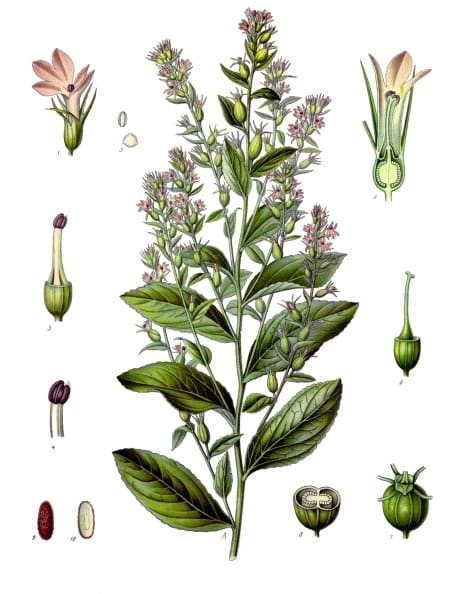 Lobelia (Lobelia inflata)Not for self-dosing
Lobelia is an annual herb growing to 20 inches with lance-shaped leaves and pale blue, pink-tinged flowers. It was used as a 'puke weed' to induce vomiting. Lobelia was also smoked as a substitute for tobacco and was reputed to share some of its magical qualities. Indigenous to North America, especially eastern parts of the United States, it grows by roadsides and in neglected areas, preferring acid soil. The aerial parts are harvested in early autumn when the seed capsules are most numerous and are carefully dried. Its use was later championed by the American herbalist Samuel Thomson (1769-1843), who made the herb the mainstay of his therapeutic system, mainly using it to induce vomiting.
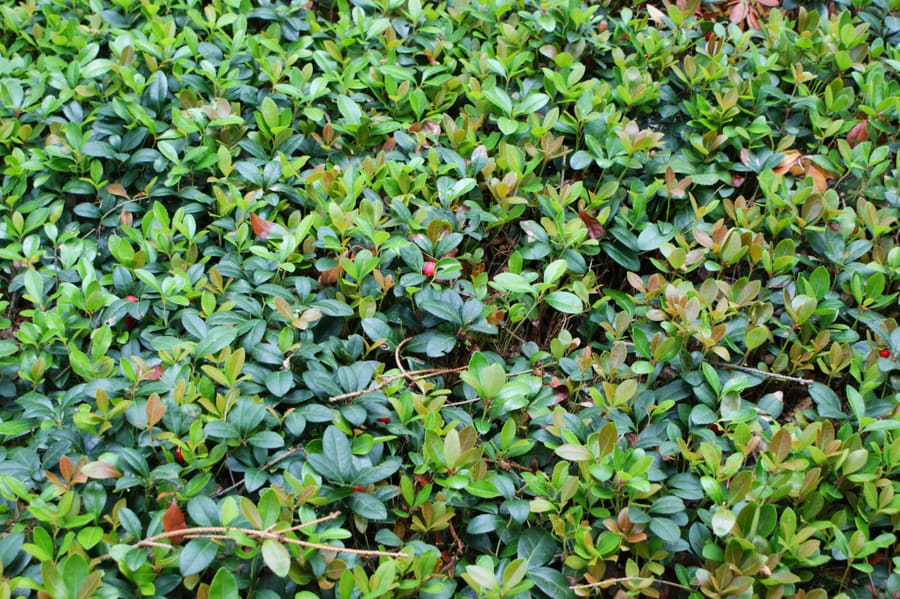 Wintergreen (Gaultheria procumbens)Not for self-dosing
Wintergreen (Gaultheria procumbens) is a low-lying evergreen shrub, reaching about 6 in (15 cm), with oval leathery leaves, small bell-shaped flowers, and bright red berries. It is known primarily for its oil, which contains methyl salicylate.
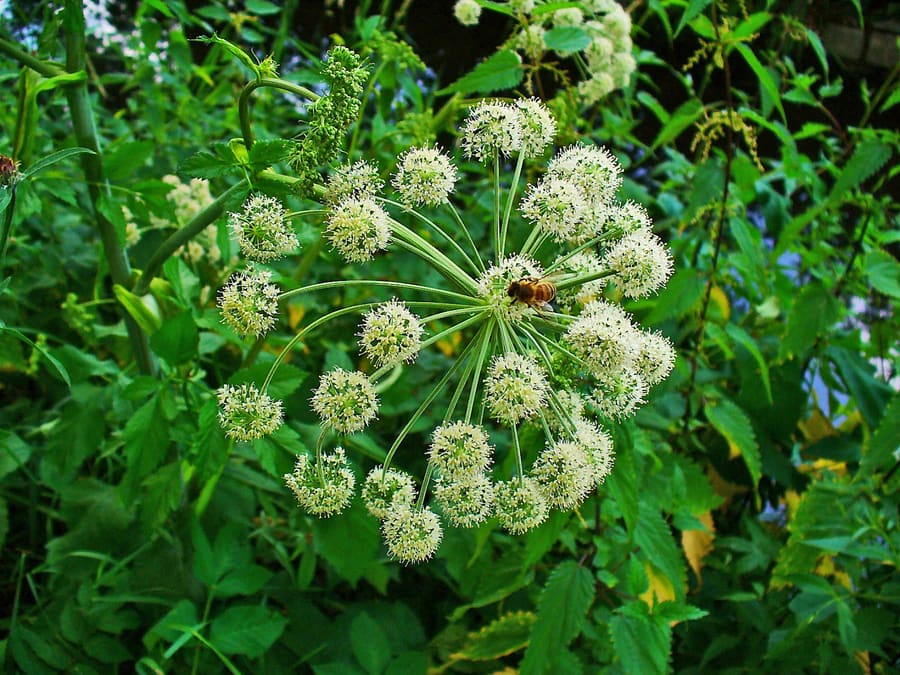 Angelica (angelica archangelica)
Angelica (Angelica archangelica) is a large, aromatic biennial herb growing up to about 6½ ft (2 m), with ridged hollow stems, bright green divided leaves, and greenish-white flowers arranged in umbrella-like clusters (umbels).
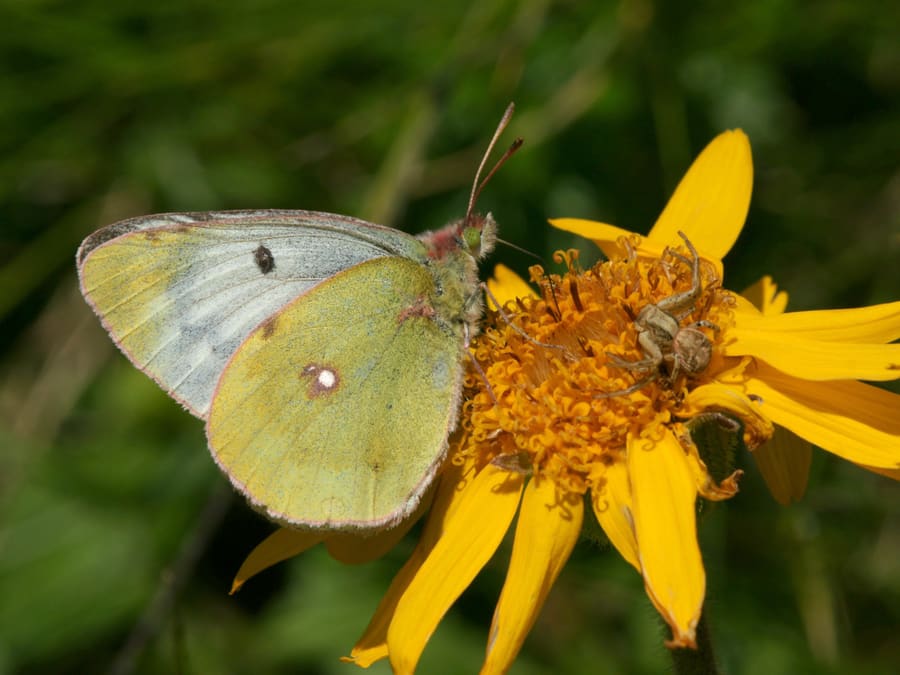 Arnica (Arnica montana)Not for self-dosing
Arnica is an aromatic perennial, usually about 1 ft (30 cm) high, with downy, oval-shaped leaves and bright yellow daisy-like flowers. Its flowers and roots have traditionally been used for bruises, sprains, arthritic pain and muscle aches, and a highly diluted form is used in homeopathy; MSK says a few clinical trials suggest topical arnica may help osteoarthritis and bruising, but rigorous research on homeopathic arnica is still needed. Arnica taken internally can be toxic (see precautions).
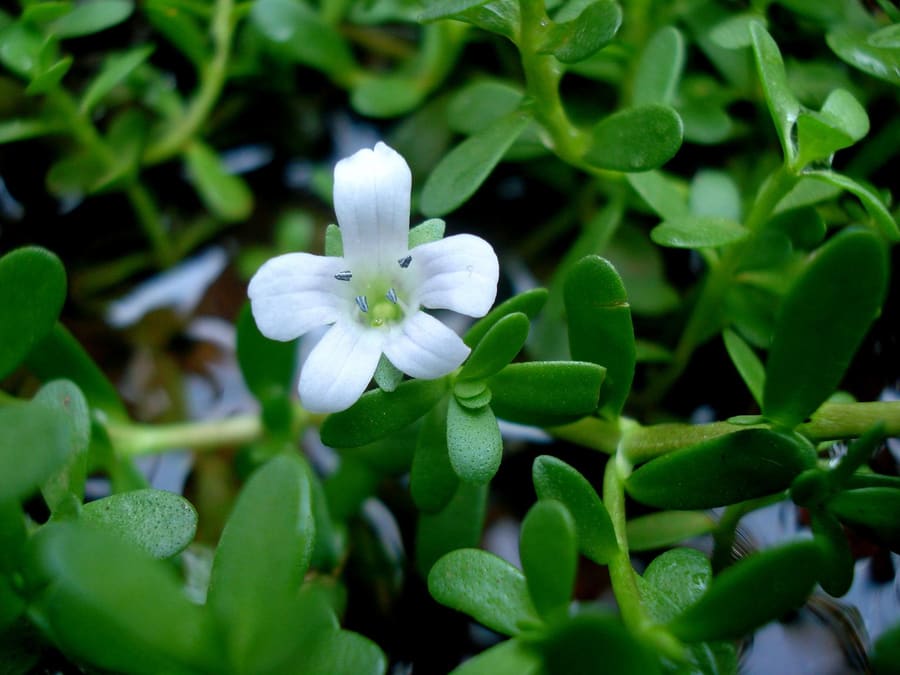 Bacopa (Bacopa monnieri)
Bacopa, also known as Water Hyssop or Brahmi, is a creeping succulent perennial that can grow to about 20 inches. It features spatula-shaped fleshy leaves and pale blue or white flowers on slender stalks. It thrives in marshlands and along the edges of mangrove swamps in warmer temperate and tropical climates, especially southern Asia, where it forms dense mats on mudflats.
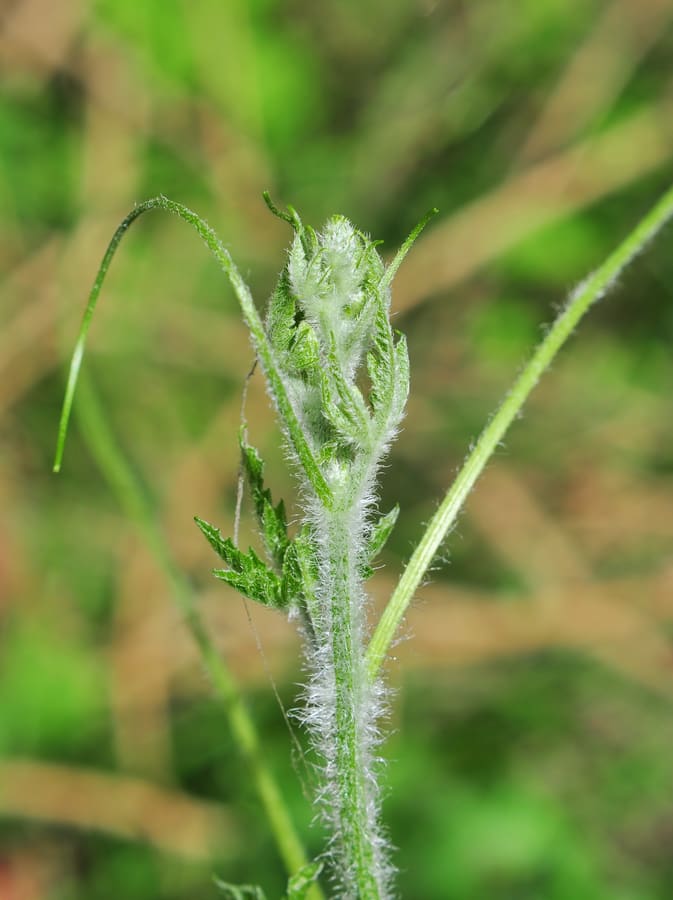 Bitter Melon (Momordica charantia)
Bitter melon is an annual climbing vine reaching about 6.5 feet, characterized by deeply lobed leaves, yellow flowers, and distinctive orange-yellow fruit. Native to southern Asia and now common throughout tropical regions worldwide, it is harvested year-round. Its edible fruit is used both as food and in medicine to treat diabetes in regions including Asia, East Africa and the Caribbean; MSK says data on whether it lowers blood sugar are limited.
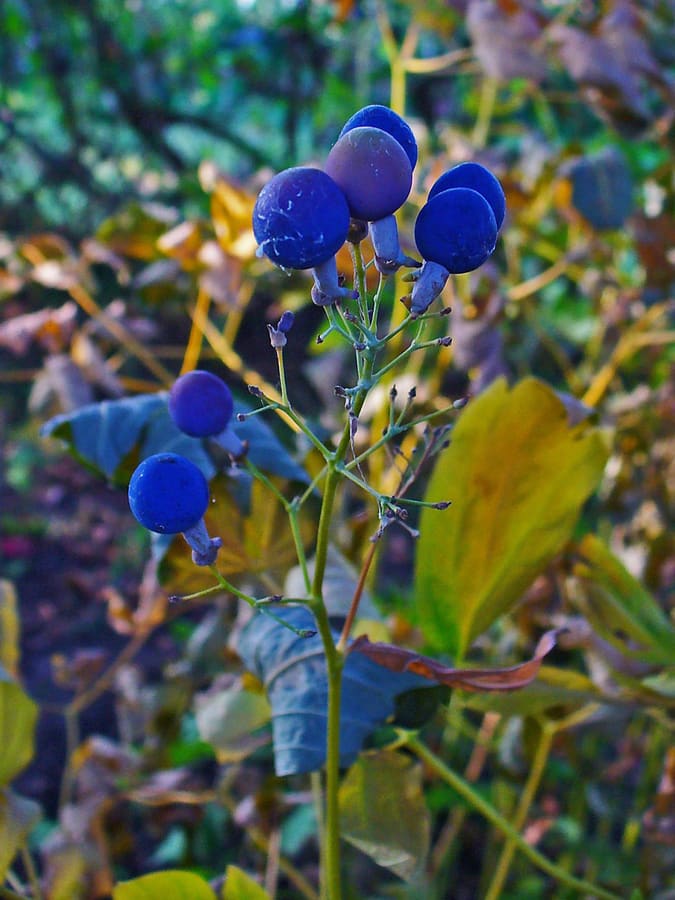 Blue Cohosh (Caulophyllum thalictroides)Not for self-dosing
Blue cohosh is an upright perennial herb reaching 3 feet in height, with large three-lobed leaves, yellow to purple flowers, and striking blue berries. It grows wild in much of eastern North America from Manitoba to Alabama, preferring woodland valleys and damp, north-facing slopes. The name 'cohosh' comes from the Algonquin language, and the plant was a popular remedy among many Native American tribes.
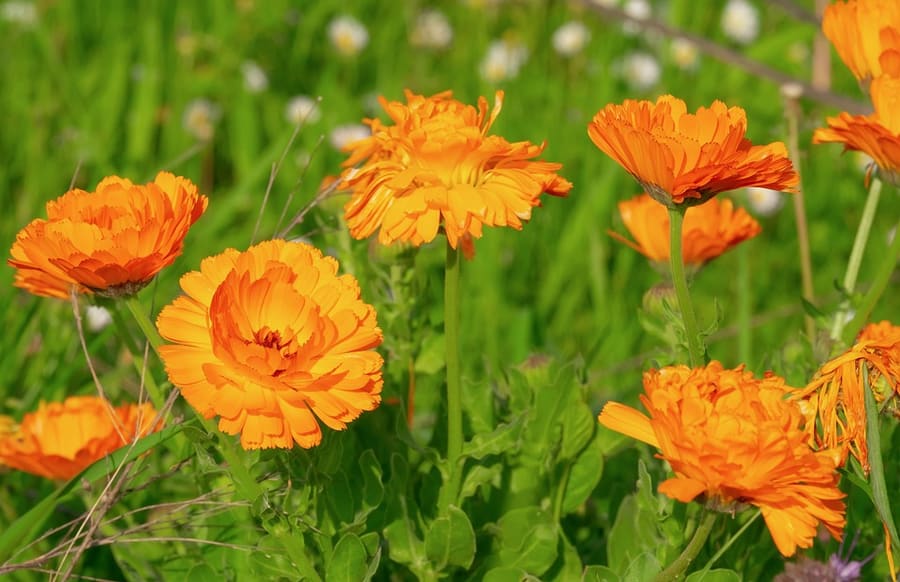 Calendula (Calendula officinalis)
Calendula (Calendula officinalis) has bright orange daisy-like flowers.