
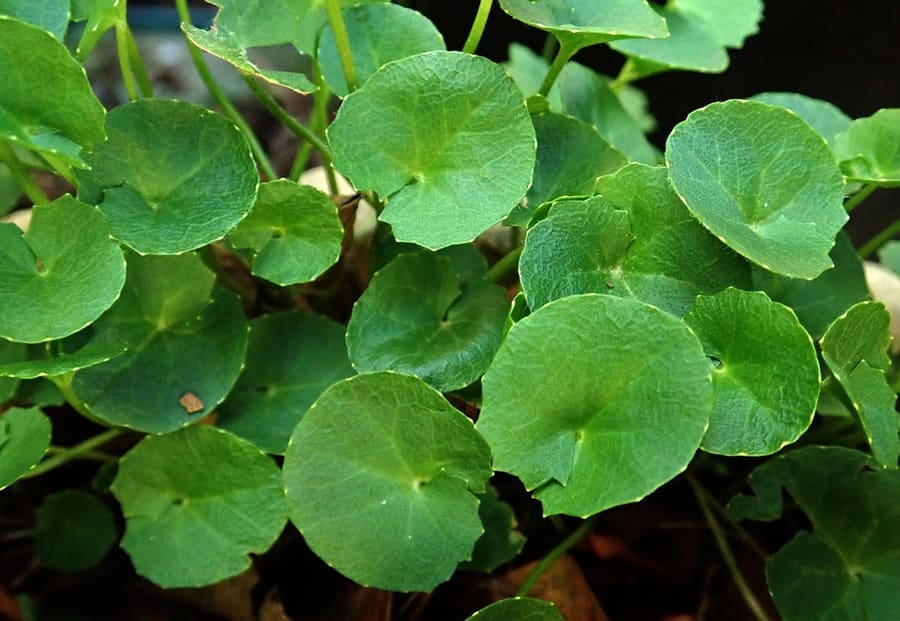
Gotu Kola (Centella asiatica)
Photo: Pixabay
- Mental
- 2 conditions
- Licensed photo
Overview
Gotu kola (Centella asiatica), also known as Hydrocotyle asiatica, is a creeping perennial reaching up to about 20 in (50 cm). It sports fan-shaped leaves, often used in salads across parts of India. It is used for wound healing, scars, varicose veins and venous insufficiency; MSK says only a few studies suggest it may help wound healing, and the evidence is not strong enough to support its use for cognitive function.
Traditional uses & properties
Wound Healing (traditional use): Traditionally used for skin injuries; MSK says only a few lab and human studies suggest it might speed wound healing, and more studies are needed. Memory: MSK says a preliminary study suggests benefit, but the evidence is not strong enough to support its use for cognitive function. Veins (traditional use): Traditionally used for leg swelling and varicose veins; MSK says several clinical trials suggest benefit in chronic venous insufficiency.
Safety & precautions
High Doses & Sunlight: May cause dizziness or photosensitivity in some individuals. Blood-Thinning Medications: Exercise caution due to potential interactions. Pregnancy & Lactation: Ask a qualified professional before use. Liver: MSK lists liver toxicity among the side effects of gotu kola.
Educational reference only - not medical advice. Herbs can interact with medications. Consult a qualified healthcare provider before use. Full disclaimer.
Drug interactions
Interaction data is not available for this herb - talk to a pharmacist before combining it with any medication. A blank entry here means we have not documented interactions, not that none exist.
Habitat
Native to India and the southern U.S., gotu kola also thrives in tropical and subtropical parts of Australia, southern Africa, and South America, typically in marshy or riverbank environments. It is often gathered wild, though it can be cultivated from seed in spring. The aerial parts are harvested year-round.
Sources
The interaction notes and the statements on this page that name a source were written by HerbMate from these references, which were last checked in October 2026. They are summaries, not medical advice; ask a pharmacist about your own medicines.
Traditionally used for
Each condition shows its first 2 remedies free. Premium opens the full remedy list for every condition - or come back for the free Condition of the Day.
Frequently asked questions
What is Gotu Kola (Centella asiatica) traditionally used for?
Traditional sources describe Gotu Kola (Centella asiatica) as follows: Wound Healing (traditional use): Traditionally used for skin injuries; MSK says only a few lab and human studies suggest it might speed wound healing, and more studies are needed. Memory: MSK says a preliminary study suggests benefit, but the evidence is not strong enough to support its use for cognitive function. Veins (traditional use): Traditionally used for leg swelling and varicose veins; MSK says several clinical trials suggest benefit in chronic venous insufficiency.
What safety cautions apply to Gotu Kola (Centella asiatica)?
High Doses & Sunlight: May cause dizziness or photosensitivity in some individuals. Blood-Thinning Medications: Exercise caution due to potential interactions. Pregnancy & Lactation: Ask a qualified professional before use. Liver: MSK lists liver toxicity among the side effects of gotu kola.
Related herbs
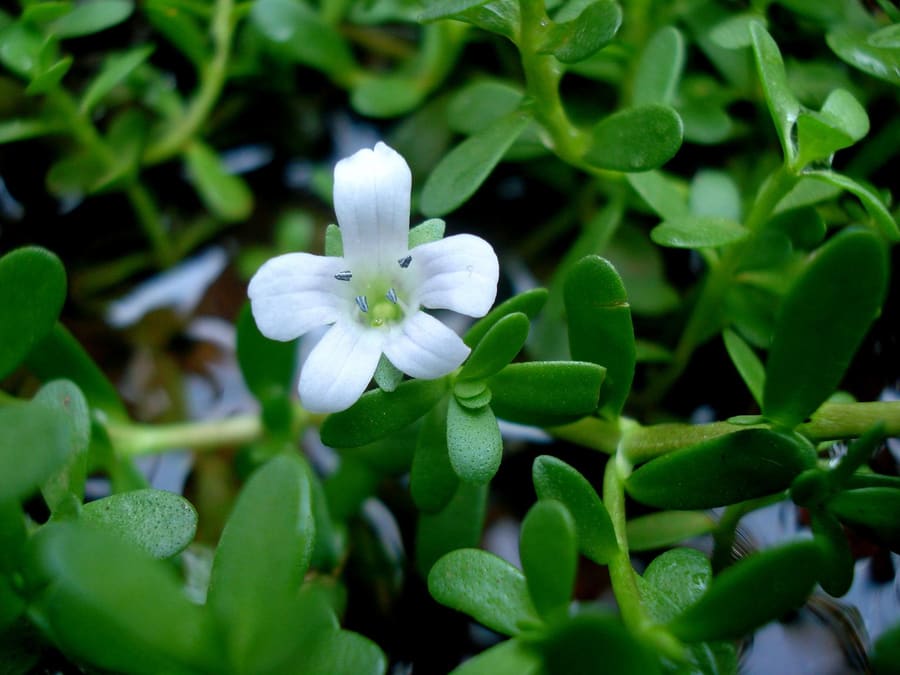 Bacopa (Bacopa monnieri)
Bacopa, also known as Water Hyssop or Brahmi, is a creeping succulent perennial that can grow to about 20 inches. It features spatula-shaped fleshy leaves and pale blue or white flowers on slender stalks. It thrives in marshlands and along the edges of mangrove swamps in warmer temperate and tropical climates, especially southern Asia, where it forms dense mats on mudflats.
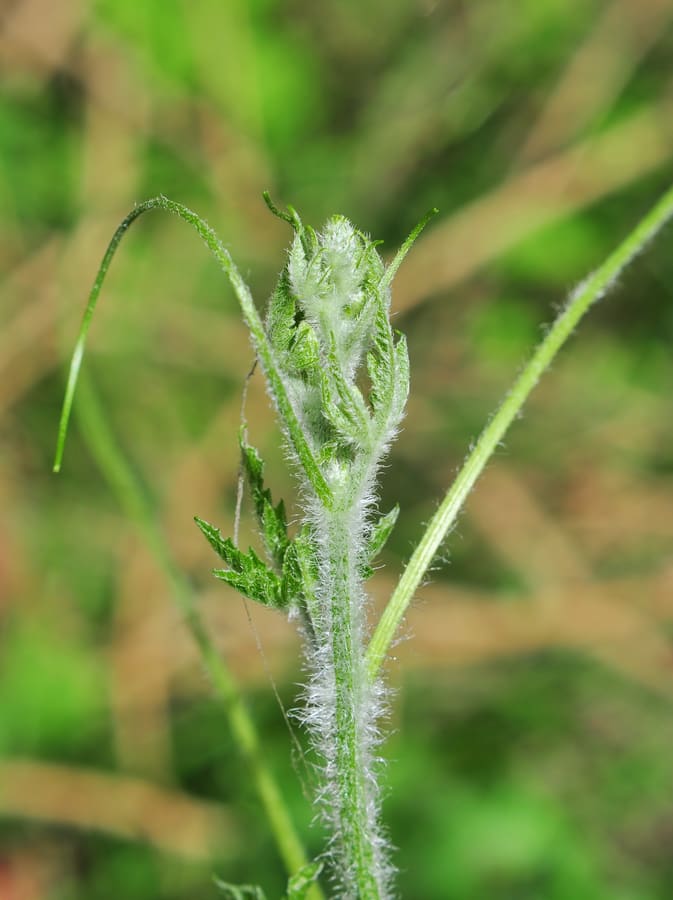 Bitter Melon (Momordica charantia)
Bitter melon is an annual climbing vine reaching about 6.5 feet, characterized by deeply lobed leaves, yellow flowers, and distinctive orange-yellow fruit. Native to southern Asia and now common throughout tropical regions worldwide, it is harvested year-round. Its edible fruit is used both as food and in medicine to treat diabetes in regions including Asia, East Africa and the Caribbean; MSK says data on whether it lowers blood sugar are limited.
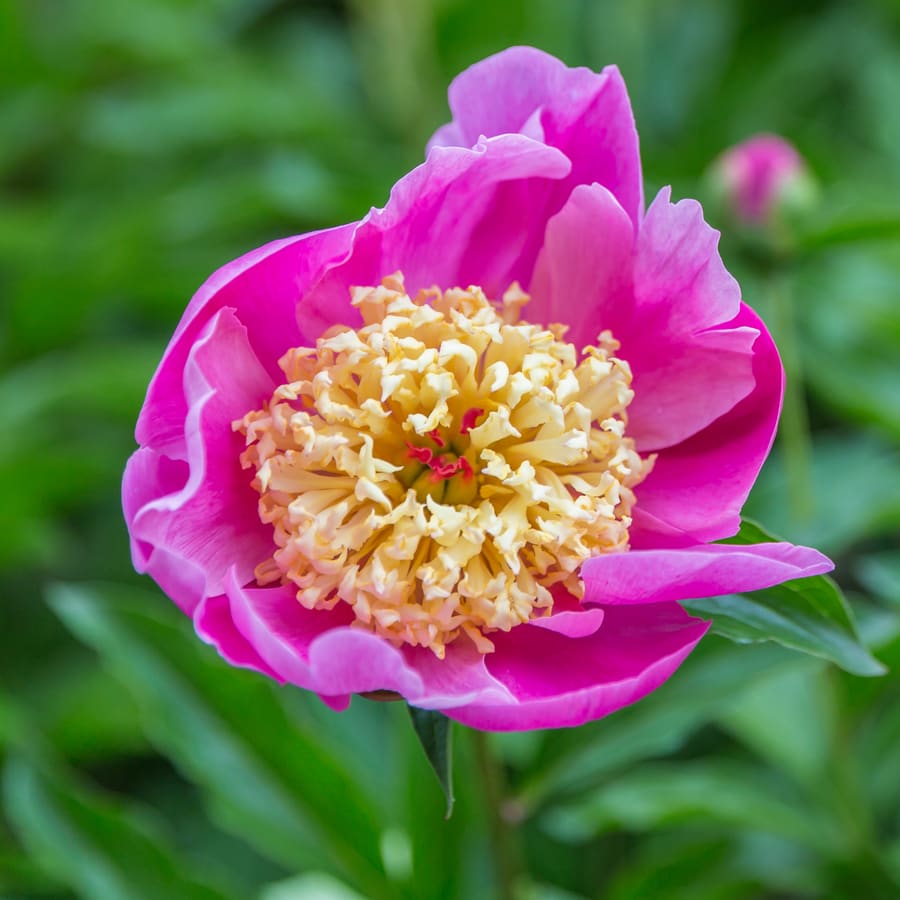 Chinese Peony / White Peony (Paeonia lactiflora)
White peony is an upright perennial growing to 6.5 feet with large white flowers and divided, dark green leaves. Its history of use in China stretches back at least 1,500 years, and it is one of the herbs in 'Four Things Soup.' The plant is cultivated throughout northeastern China and Inner Mongolia, propagated from seed in spring or from root cuttings in winter. The root of 4- or 5-year-old plants is harvested in spring or autumn.
 Ginkgo (Ginkgo biloba)
Ginkgo (Ginkgo biloba) is a distinctive, long-lived deciduous tree that can grow up to about 100 ft (30 m). It has fan-shaped leaves with radiating veins, often turning bright yellow in autumn. Ginkgo is widely promoted for cognitive impairment and dementia, and with claims that it can enhance cognitive performance in healthy people. NCCIH says ginkgo has not been shown to be effective for any condition studied, including preventing dementia.
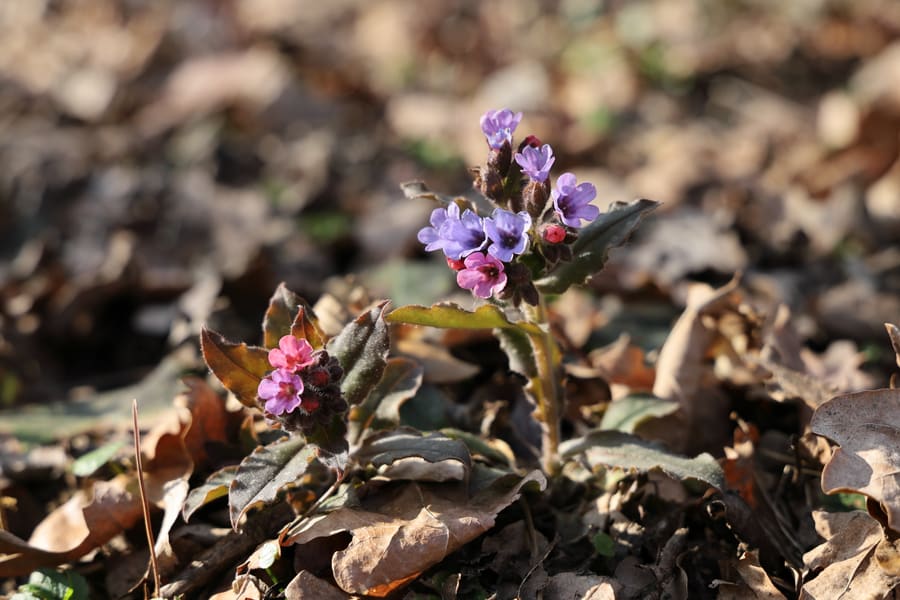 Lungwort (Pulmonaria officinalis)
Lungwort is a perennial herb growing to 1 foot with broad oval basal leaves, smaller upper leaves mottled with white spots, and clusters of pink-purple flowers. Native to Europe and the Caucasus, it flourishes in mountain pastures and damp sites. The leaves are gathered in late spring. According to the medieval Doctrine of Signatures, which held that a plant's appearance pointed to the ailment it treated, lungwort got its name because its leaves were said to resemble lung tissue. This folk belief is not scientifically founded.
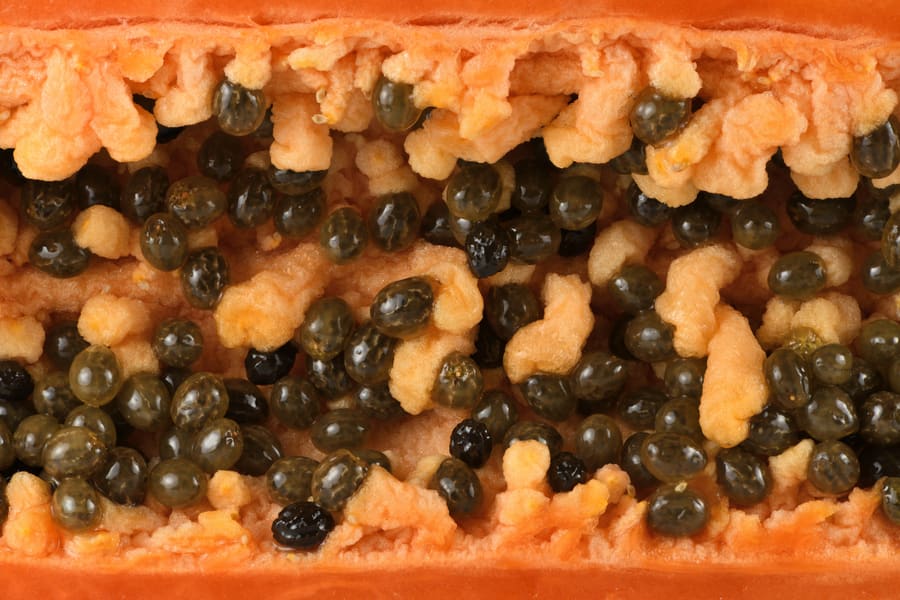 Papaya Leaf (Carica papaya)
Papaya is a fast-growing tropical tree that can reach up to 26 feet in height, producing large fruits weighing up to 11 pounds. Originally native to tropical America, papaya has been widely cultivated in tropical regions throughout the world. The plant has been used in traditional Mayan medicine, and the leaves are still employed as a meat tenderizer in tropical Latin America due to their protein-dissolving enzymes.
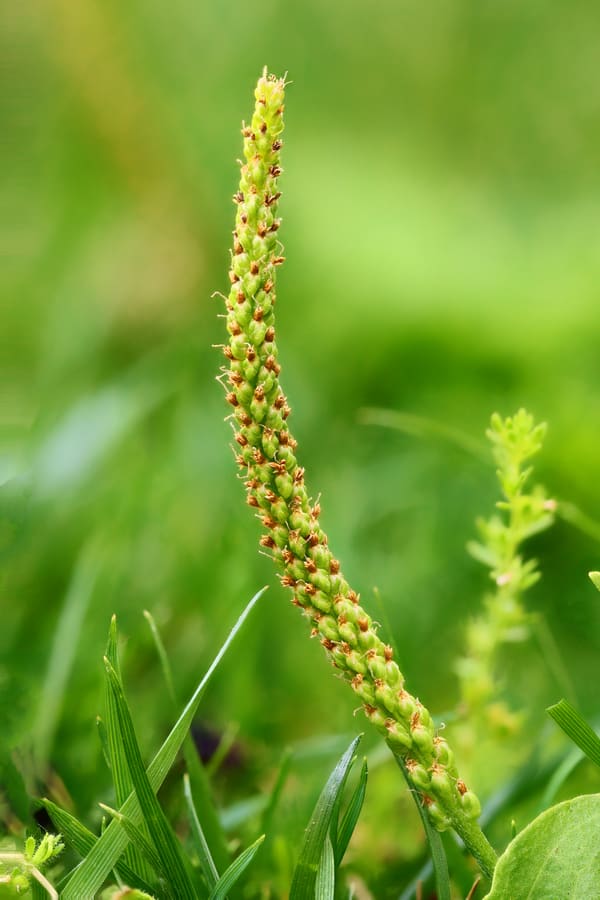 Plantain (Plantago major)
Common plantain (Plantago major) is a low-growing perennial reaching up to about 10 in (25 cm), forming a rosette of broad, ribbed leaves and spikes of tiny green flowers. Often regarded as a garden weed, plantain has leaves rich in iridoids, flavonoids, mucilage and tannins.
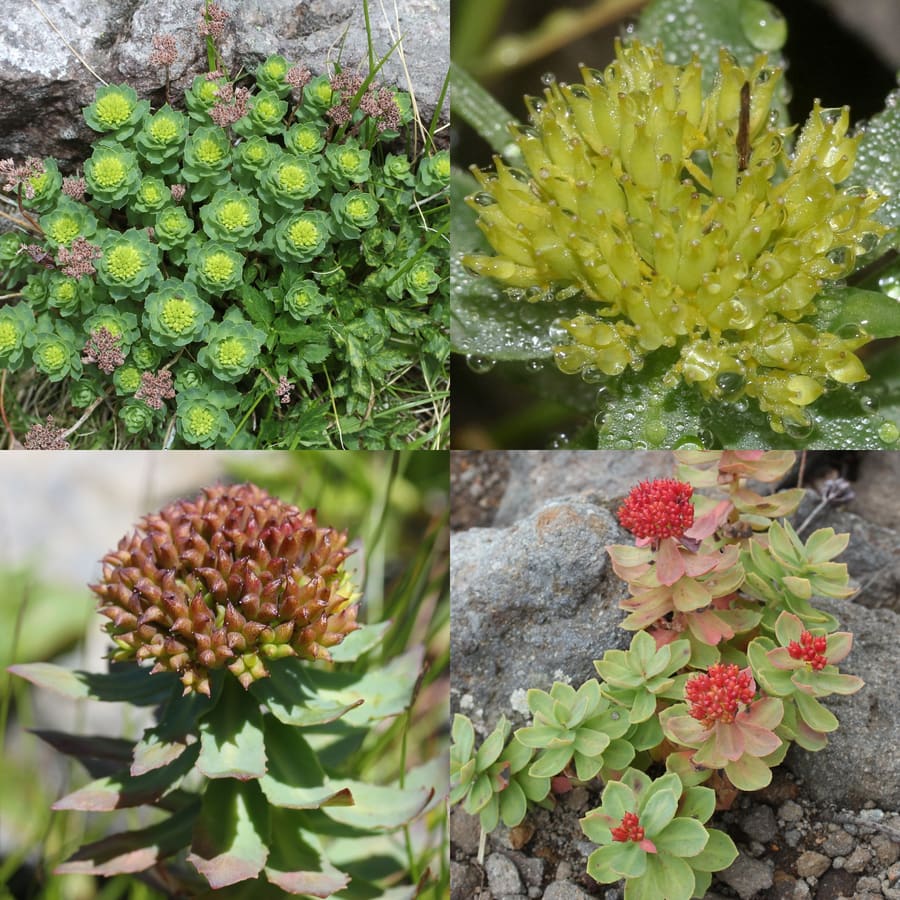 Rhodiola (Rhodiola rosea)
Rhodiola (Rhodiola rosea) is a fleshy perennial (up to about 16 in / 40 cm tall) thriving in mountainous and Arctic regions. Rhodiola has a long history of use in Russia, Scandinavia and other parts of Europe, where it was traditionally used for work performance, endurance, fatigue, depression and altitude sickness. NCCIH says there isn't enough reliable evidence to know whether rhodiola is useful for any health purpose.