
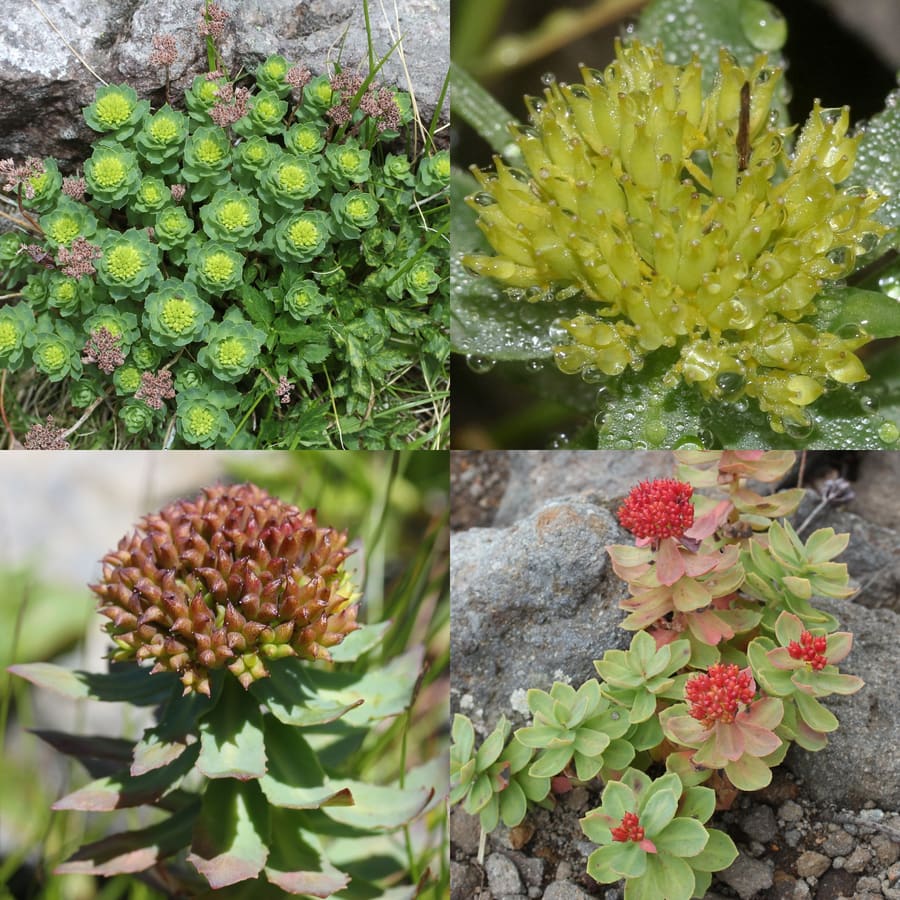
Rhodiola (Rhodiola rosea)
Photo: Alpsdake · CC BY-SA 4.0
- Mental
- 1 condition
- Licensed photo
Overview
Rhodiola (Rhodiola rosea) is a fleshy perennial (up to about 16 in / 40 cm tall) thriving in mountainous and Arctic regions. Rhodiola has a long history of use in Russia, Scandinavia and other parts of Europe, where it was traditionally used for work performance, endurance, fatigue, depression and altitude sickness. NCCIH says there isn't enough reliable evidence to know whether rhodiola is useful for any health purpose.
Traditional uses & properties
Stress and Mood (traditional use): Traditionally used for fatigue and depression, and promoted today for reducing stress; NCCIH says there isn't enough reliable evidence to know whether rhodiola is useful for any health purpose. Focus and Memory (traditional use): Promoted for focus and memory under stress; NCCIH says most of the research in people is of low to moderate quality.
Safety & precautions
Irritability & Sleep Disturbance: May occur if taken in large amounts or late in the day. Manic/Bipolar Disorders: Not advisable. General Safety: NCCIH says rhodiola is possibly safe for up to 12 weeks; monitor for overstimulation.
Educational reference only - not medical advice. Herbs can interact with medications. Consult a qualified healthcare provider before use. Full disclaimer.
Drug interactions
NCCIH notes reported interactions with losartan. [1]
- Losartan and other blood pressure medicines
- NCCIH says interactions between rhodiola and losartan have been reported. MSK notes MAO-inhibiting activity that could add to blood-pressure-lowering effects. [1, 2]
- Antidepressants
- MSK cites a report of a rapid heart rhythm with concurrent use and notes possible added serotonin-related effects. [2]
- Warfarin and phenytoin
- MSK reports that rhodiola modestly inhibits CYP2C9, which may matter most for narrow-margin drugs like these. [2]
- Stimulants
- MSK notes a possible added rise in blood pressure. [2]
- CYP3A4 and P glycoprotein substrates
- Inhibition was seen in preclinical studies. Relevance is unknown. [2]
How to read this section: each entry is HerbMate's summary of what the cited sources report. Words such as "may", "theoretical" or "in laboratory or animal studies" mean the effect has not been confirmed in people, and "case report" means it was seen in one or a few patients. A medicine that is not listed here has not been shown to be safe with this herb. The numbers in brackets link to the sources at the foot of the page.
Habitat
Indigenous to cold, high-altitude areas of the northern hemisphere (Scandinavia, Russia, Canada, etc.), rhodiola is mostly wild-collected, though it’s now cultivated in parts of Canada, Norway, and Finland.
Sources
The interaction notes and the statements on this page that name a source were written by HerbMate from these references, which were last checked in October 2026. They are summaries, not medical advice; ask a pharmacist about your own medicines.
Traditionally used for
Each condition shows its first 2 remedies free. Premium opens the full remedy list for every condition - or come back for the free Condition of the Day.
Frequently asked questions
What is Rhodiola (Rhodiola rosea) traditionally used for?
Traditional sources describe Rhodiola (Rhodiola rosea) as follows: Stress and Mood (traditional use): Traditionally used for fatigue and depression, and promoted today for reducing stress; NCCIH says there isn't enough reliable evidence to know whether rhodiola is useful for any health purpose. Focus and Memory (traditional use): Promoted for focus and memory under stress; NCCIH says most of the research in people is of low to moderate quality.
What safety cautions apply to Rhodiola (Rhodiola rosea)?
Irritability & Sleep Disturbance: May occur if taken in large amounts or late in the day. Manic/Bipolar Disorders: Not advisable. General Safety: NCCIH says rhodiola is possibly safe for up to 12 weeks; monitor for overstimulation.
Related herbs
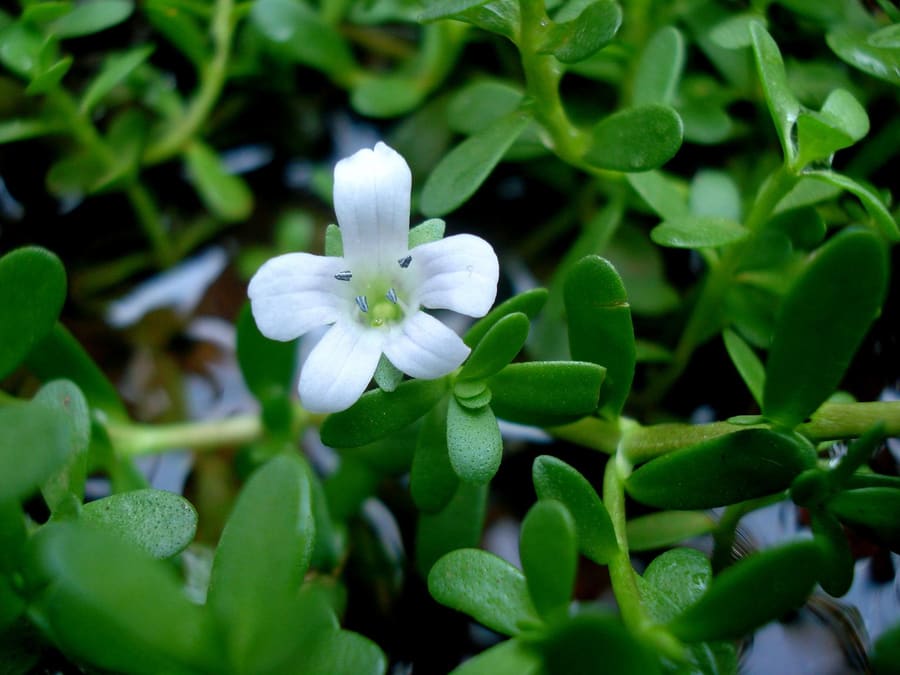 Bacopa (Bacopa monnieri)
Bacopa, also known as Water Hyssop or Brahmi, is a creeping succulent perennial that can grow to about 20 inches. It features spatula-shaped fleshy leaves and pale blue or white flowers on slender stalks. It thrives in marshlands and along the edges of mangrove swamps in warmer temperate and tropical climates, especially southern Asia, where it forms dense mats on mudflats.
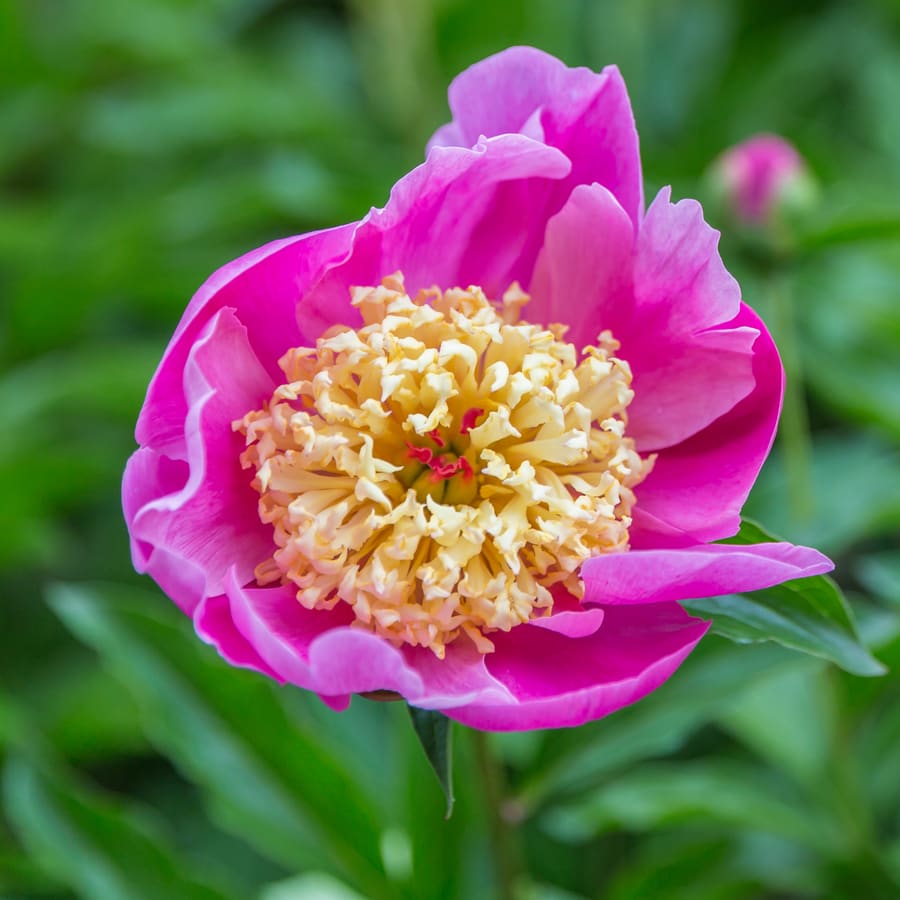 Chinese Peony / White Peony (Paeonia lactiflora)
White peony is an upright perennial growing to 6.5 feet with large white flowers and divided, dark green leaves. Its history of use in China stretches back at least 1,500 years, and it is one of the herbs in 'Four Things Soup.' The plant is cultivated throughout northeastern China and Inner Mongolia, propagated from seed in spring or from root cuttings in winter. The root of 4- or 5-year-old plants is harvested in spring or autumn.
 Ginkgo (Ginkgo biloba)
Ginkgo (Ginkgo biloba) is a distinctive, long-lived deciduous tree that can grow up to about 100 ft (30 m). It has fan-shaped leaves with radiating veins, often turning bright yellow in autumn. Ginkgo is widely promoted for cognitive impairment and dementia, and with claims that it can enhance cognitive performance in healthy people. NCCIH says ginkgo has not been shown to be effective for any condition studied, including preventing dementia.
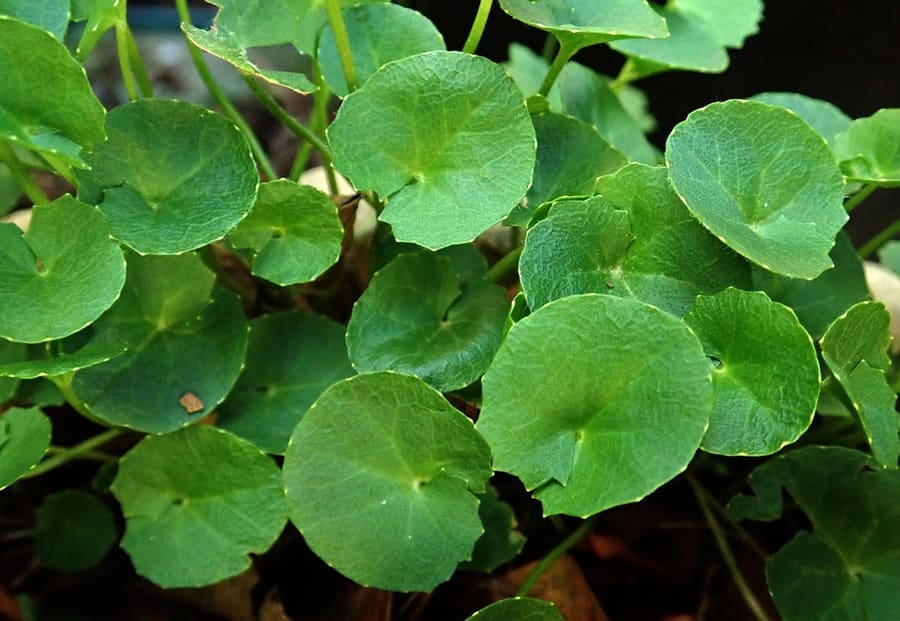 Gotu Kola (Centella asiatica)
Gotu kola (Centella asiatica), also known as Hydrocotyle asiatica, is a creeping perennial reaching up to about 20 in (50 cm). It sports fan-shaped leaves, often used in salads across parts of India. It is used for wound healing, scars, varicose veins and venous insufficiency; MSK says only a few studies suggest it may help wound healing, and the evidence is not strong enough to support its use for cognitive function.
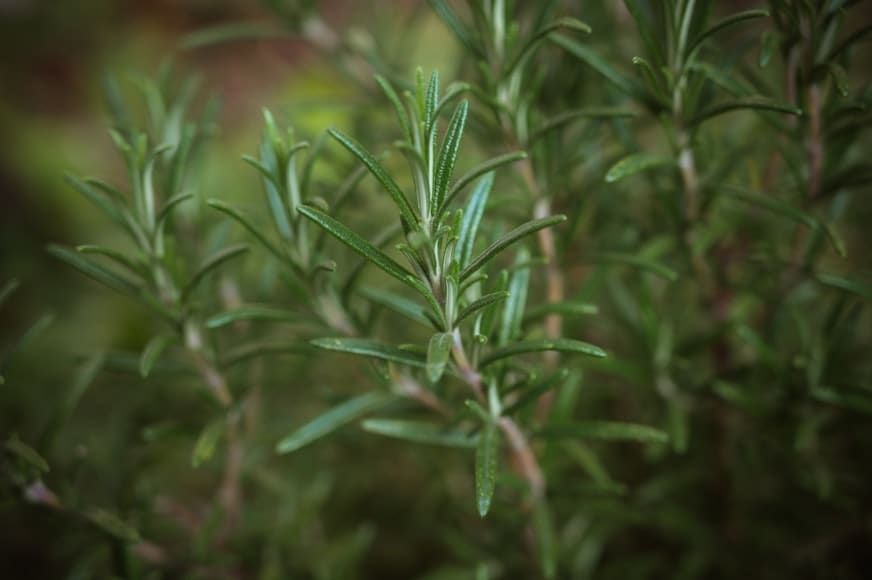 Rosemary (Rosmarinus officinalis)
Rosemary (Rosmarinus officinalis) is an aromatic evergreen shrub, commonly growing to about 6½ ft (2 m), with narrow, pinelike leaves and small, pale blue flowers. It is known for its distinctive flavor in Mediterranean cuisine. It has a mildly bitter, warming taste.