
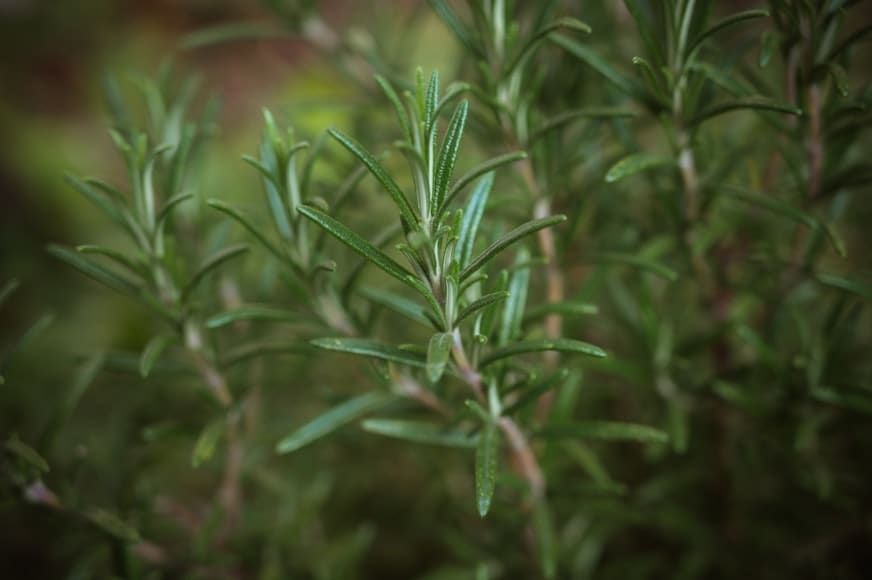
Rosemary (Rosmarinus officinalis)
Photo: Unsplash
- Circulatory
- 4 conditions
- Licensed photo
Overview
Rosemary (Rosmarinus officinalis) is an aromatic evergreen shrub, commonly growing to about 6½ ft (2 m), with narrow, pinelike leaves and small, pale blue flowers. It is known for its distinctive flavor in Mediterranean cuisine. It has a mildly bitter, warming taste.
Traditional uses & properties
Constituents: The leaves contain diterpenes.
Safety & precautions
Essential Oil (Internal Use): Avoid ingestion unless supervised by a qualified practitioner. General Safety: High doses (e.g., concentrated extracts) may raise blood pressure and irritate sensitive systems.
Educational reference only - not medical advice. Herbs can interact with medications. Consult a qualified healthcare provider before use. Full disclaimer.
Drug interactions
Interaction data is not available for this herb - talk to a pharmacist before combining it with any medication. A blank entry here means we have not documented interactions, not that none exist.
Habitat
Native to the Mediterranean, rosemary is cultivated in sunny, moderately dry climates worldwide. Propagation is by seed or cuttings in spring. The leafy branches are harvested in summer, after flowering, then dried or distilled for essential oil.
Traditionally used for
- Low Blood Pressure4 herbs · 2 free
- Varicose Veins4 herbs · 2 free
- Memory Support6 herbs · 2 free
- Stenosis3 herbs · 2 free
Each condition shows its first 2 remedies free. Premium opens the full remedy list for every condition - or come back for the free Condition of the Day.
Frequently asked questions
What is Rosemary (Rosmarinus officinalis) traditionally used for?
Traditional sources describe Rosemary (Rosmarinus officinalis) as follows: Constituents: The leaves contain diterpenes.
What safety cautions apply to Rosemary (Rosmarinus officinalis)?
Essential Oil (Internal Use): Avoid ingestion unless supervised by a qualified practitioner. General Safety: High doses (e.g., concentrated extracts) may raise blood pressure and irritate sensitive systems.
Related herbs
 Ginkgo (Ginkgo biloba)
Ginkgo (Ginkgo biloba) is a distinctive, long-lived deciduous tree that can grow up to about 100 ft (30 m). It has fan-shaped leaves with radiating veins, often turning bright yellow in autumn. Ginkgo is widely promoted for cognitive impairment and dementia, and with claims that it can enhance cognitive performance in healthy people. NCCIH says ginkgo has not been shown to be effective for any condition studied, including preventing dementia.
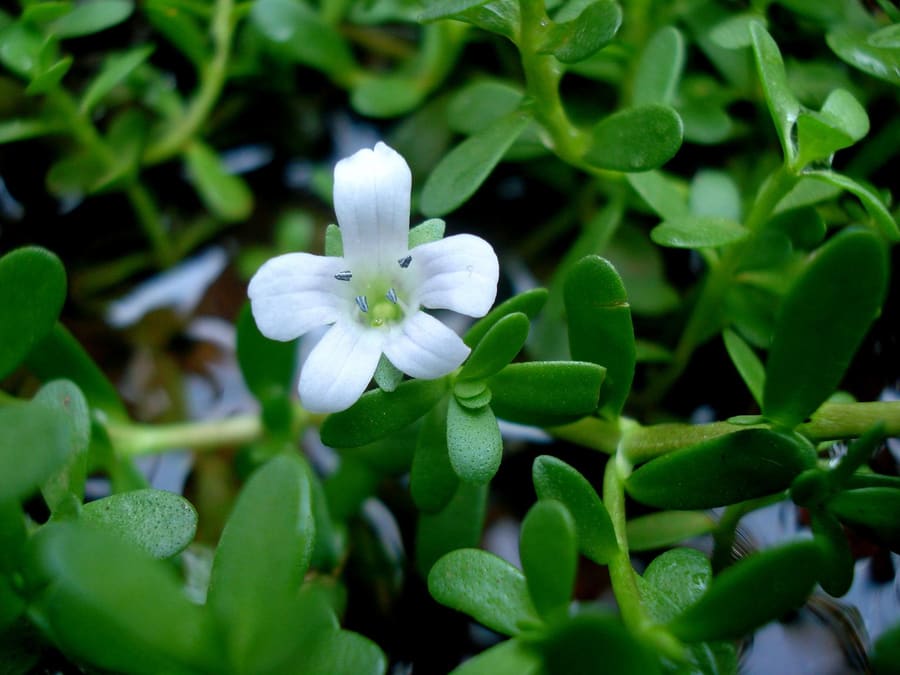 Bacopa (Bacopa monnieri)
Bacopa, also known as Water Hyssop or Brahmi, is a creeping succulent perennial that can grow to about 20 inches. It features spatula-shaped fleshy leaves and pale blue or white flowers on slender stalks. It thrives in marshlands and along the edges of mangrove swamps in warmer temperate and tropical climates, especially southern Asia, where it forms dense mats on mudflats.
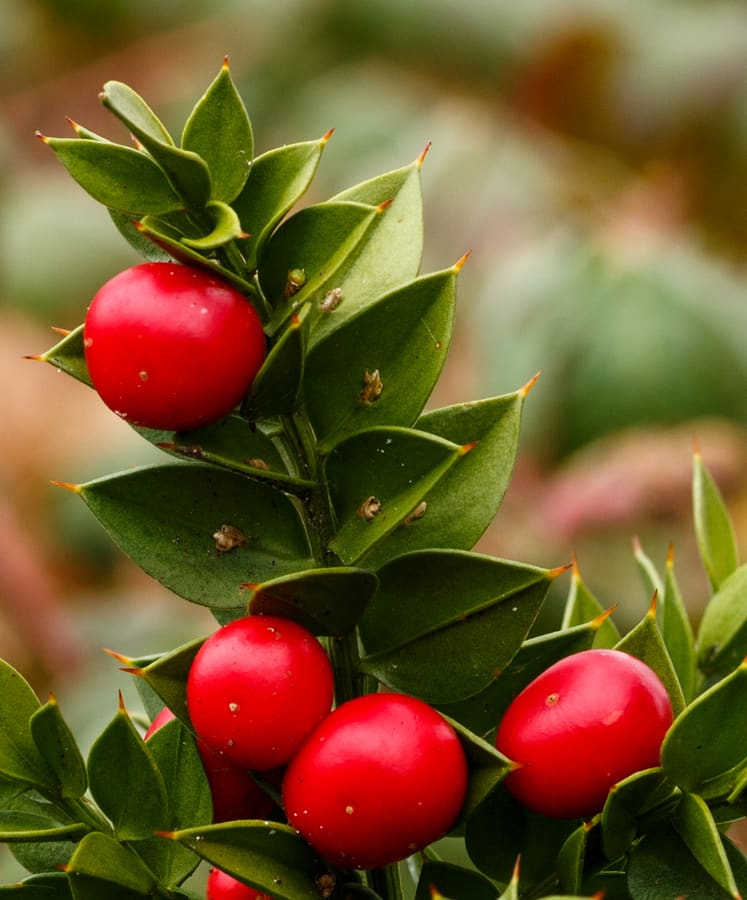 Butcher's Broom (ruscus aculeatus)
Butcher’s broom is a bushy, evergreen perennial that can reach about 3 ft (1 m) in height. It has stiff, leaf-like branches ending in a sharp spine, with small greenish-white flowers and shiny red berries in autumn.
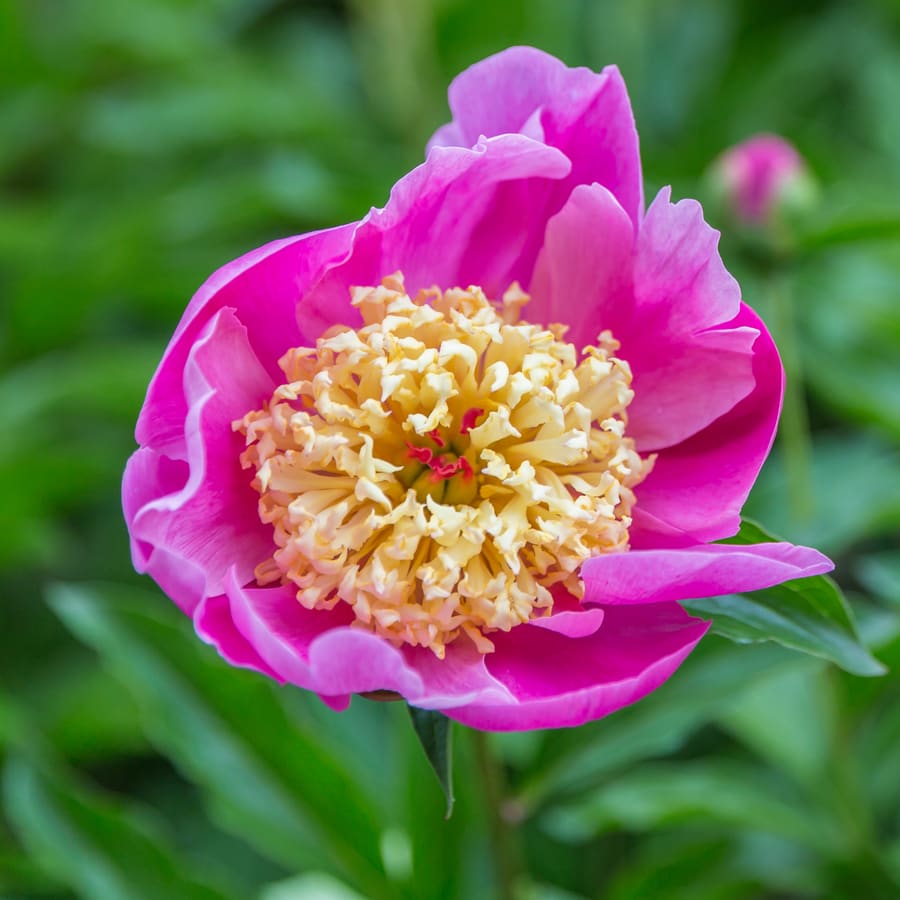 Chinese Peony / White Peony (Paeonia lactiflora)
White peony is an upright perennial growing to 6.5 feet with large white flowers and divided, dark green leaves. Its history of use in China stretches back at least 1,500 years, and it is one of the herbs in 'Four Things Soup.' The plant is cultivated throughout northeastern China and Inner Mongolia, propagated from seed in spring or from root cuttings in winter. The root of 4- or 5-year-old plants is harvested in spring or autumn.
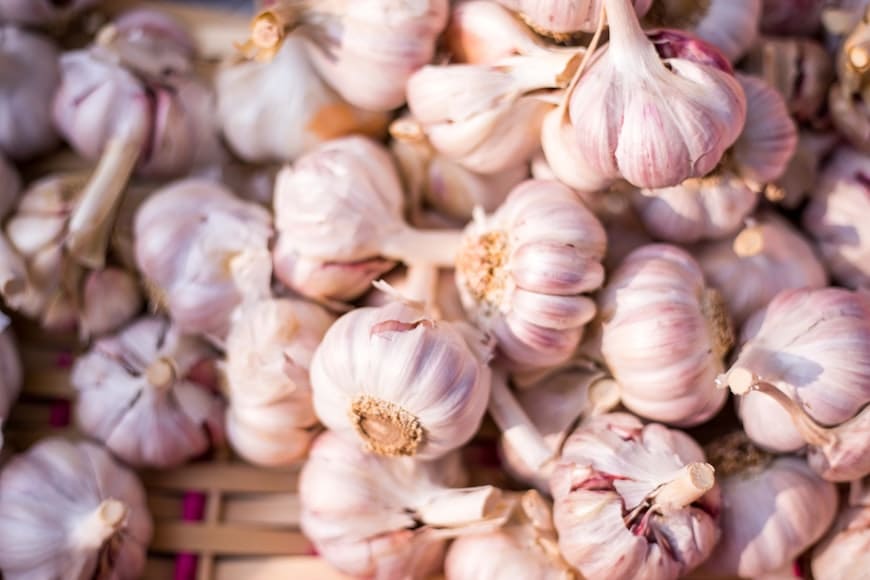 Garlic (Allium sativum)
Garlic (Allium sativum) is a bulbous perennial in the onion family, recognized for its sharp flavor and characteristic odor. It is widely used in cooking, and crushed fresh garlic contains allicin. NCCIH says garlic supplements may lower cholesterol, blood pressure and blood sugar to a small extent, but very little research has tested claims that they boost immunity.
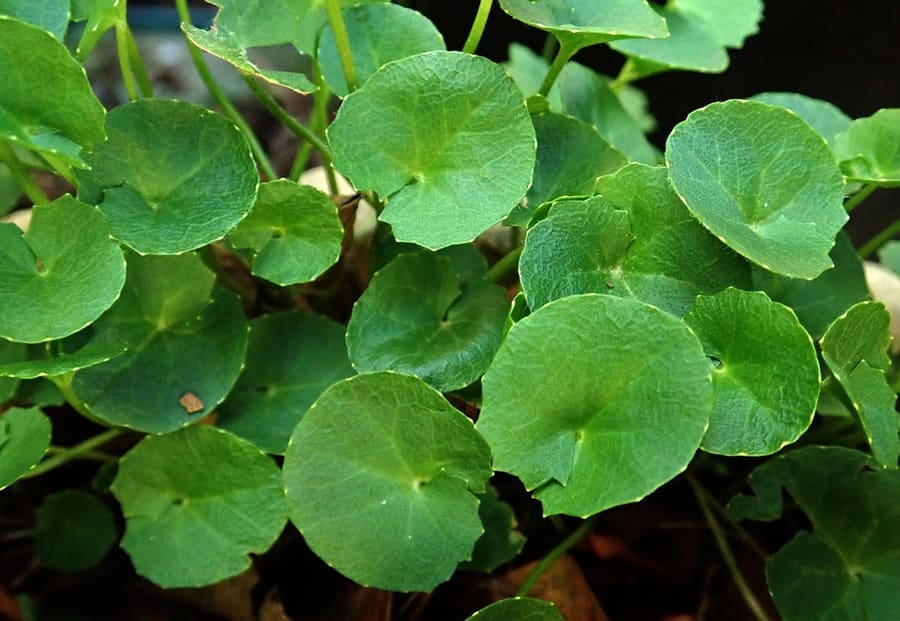 Gotu Kola (Centella asiatica)
Gotu kola (Centella asiatica), also known as Hydrocotyle asiatica, is a creeping perennial reaching up to about 20 in (50 cm). It sports fan-shaped leaves, often used in salads across parts of India. It is used for wound healing, scars, varicose veins and venous insufficiency; MSK says only a few studies suggest it may help wound healing, and the evidence is not strong enough to support its use for cognitive function.
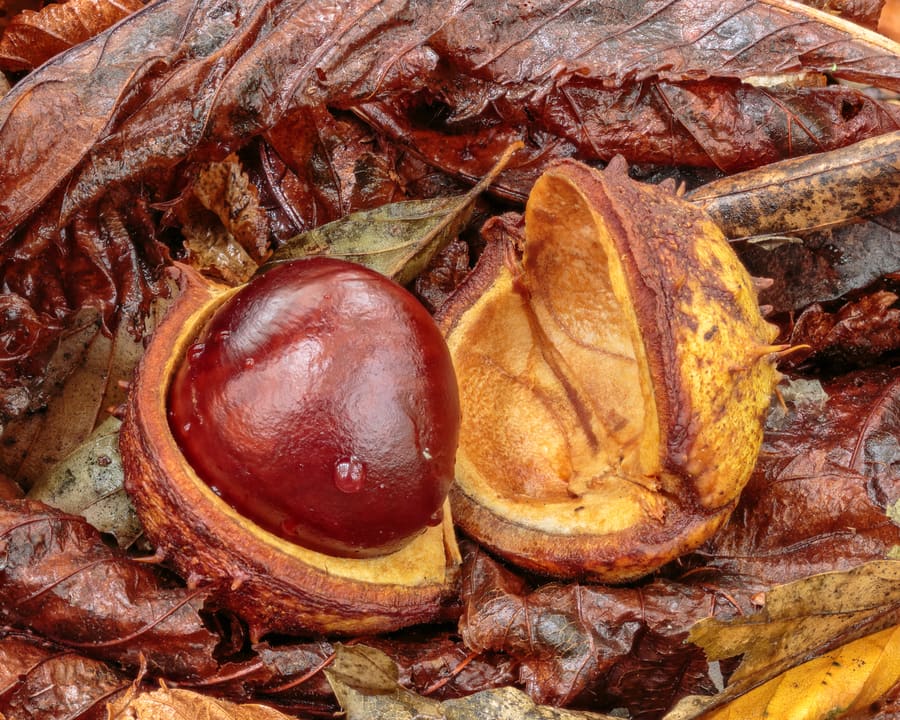 Horse Chestnut (Aesculus hippocastanum)
Horse chestnut (Aesculus hippocastanum) is a large, stately deciduous tree growing up to about 80 ft (25 m), known for its palmate leaves and prickly green seed pods that contain shiny brown seeds (“conkers”). The seed extract was traditionally used for hemorrhoids, swelling and pain, and is now promoted for chronic venous insufficiency. NCCIH says a review suggested seed extract can improve symptoms of chronic venous insufficiency, but more rigorous trials are needed.
 Licorice
Licorice (Glycyrrhiza glabra) is a tall, woody-stemmed perennial reaching about 6½ ft (2 m), with dark green leaves and cream-to-mauve pea-like flowers. Its root has a long history of use in traditional medicine for coughing, asthma and wound healing, and NCCIH says it is promoted today for digestive, respiratory and energy support. NCCIH says there isn't enough high-quality evidence to clearly support licorice for any health condition. Licorice is widely used in Chinese, European, and Western herbal medicine.