
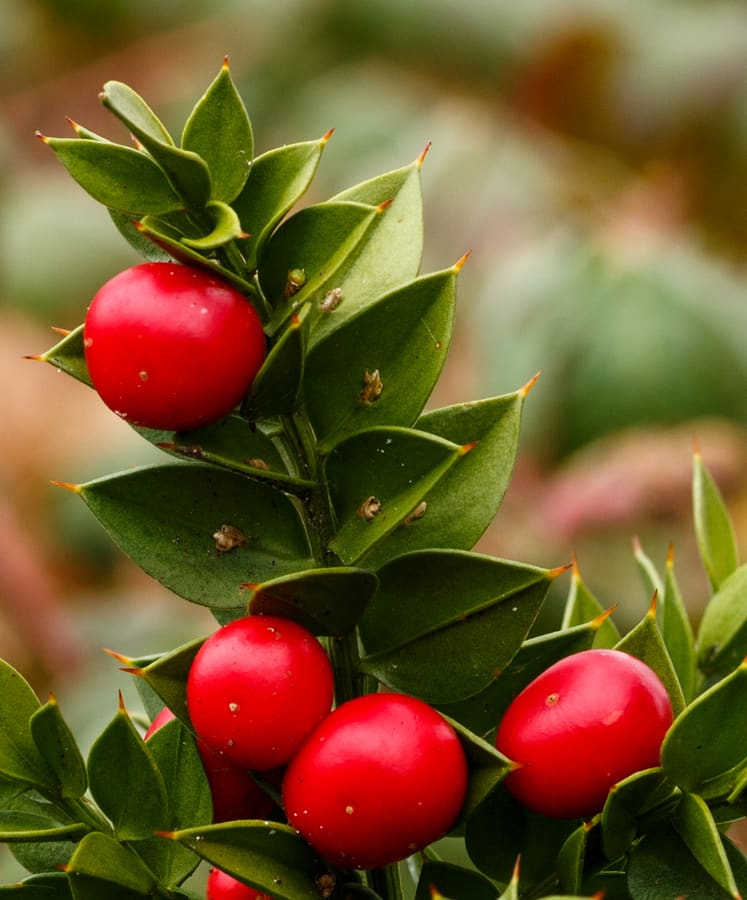
Butcher's Broom (ruscus aculeatus)
Photo: Dominicus Johannes Bergsma · CC BY-SA 4.0
- Circulatory
- 1 condition
- Licensed photo
Overview
Butcher’s broom is a bushy, evergreen perennial that can reach about 3 ft (1 m) in height. It has stiff, leaf-like branches ending in a sharp spine, with small greenish-white flowers and shiny red berries in autumn.
Traditional uses & properties
It contains saponin glycosides such as ruscogenin.
Safety & precautions
High Blood Pressure: Avoid using butcher’s broom if you have hypertension. General Safety: Consult a qualified practitioner when dealing with circulation issues.
Educational reference only - not medical advice. Herbs can interact with medications. Consult a qualified healthcare provider before use. Full disclaimer.
Drug interactions
Interaction data is not available for this herb - talk to a pharmacist before combining it with any medication. A blank entry here means we have not documented interactions, not that none exist.
Habitat
This plant grows wild across much of Europe, western Asia, and North Africa, typically in woodland and undisturbed ground. Butcher’s broom is protected in some regions. In cultivation, it is harvested in the fall when the berries appear.
Traditionally used for
Each condition shows its first 2 remedies free. Premium opens the full remedy list for every condition - or come back for the free Condition of the Day.
Frequently asked questions
What is Butcher's Broom (ruscus aculeatus) traditionally used for?
Traditional sources describe Butcher's Broom (ruscus aculeatus) as follows: It contains saponin glycosides such as ruscogenin.
What safety cautions apply to Butcher's Broom (ruscus aculeatus)?
High Blood Pressure: Avoid using butcher’s broom if you have hypertension. General Safety: Consult a qualified practitioner when dealing with circulation issues.
Related herbs
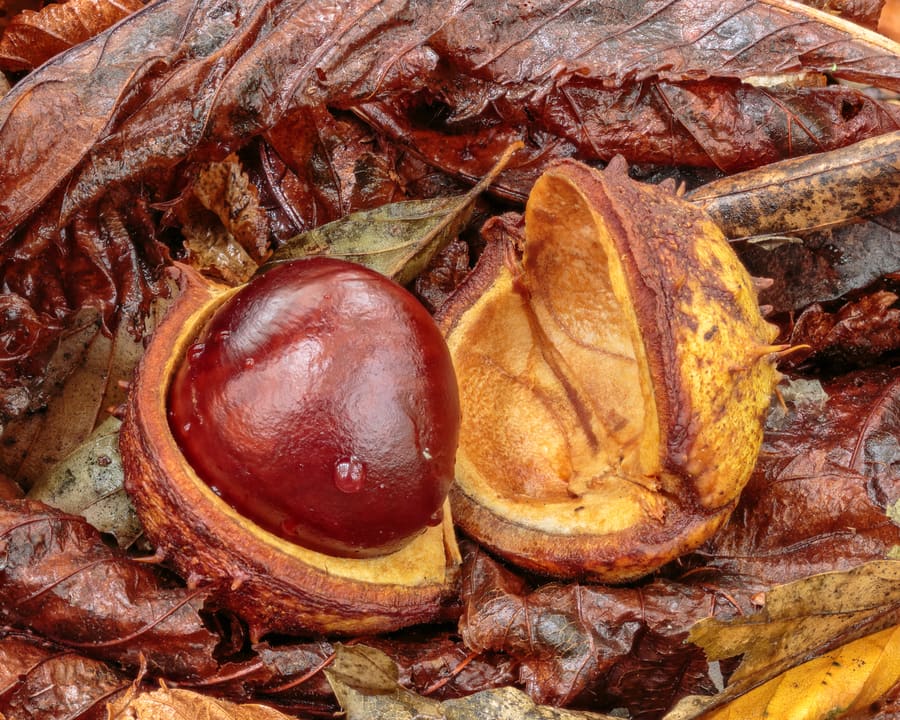 Horse Chestnut (Aesculus hippocastanum)
Horse chestnut (Aesculus hippocastanum) is a large, stately deciduous tree growing up to about 80 ft (25 m), known for its palmate leaves and prickly green seed pods that contain shiny brown seeds (“conkers”). The seed extract was traditionally used for hemorrhoids, swelling and pain, and is now promoted for chronic venous insufficiency. NCCIH says a review suggested seed extract can improve symptoms of chronic venous insufficiency, but more rigorous trials are needed.
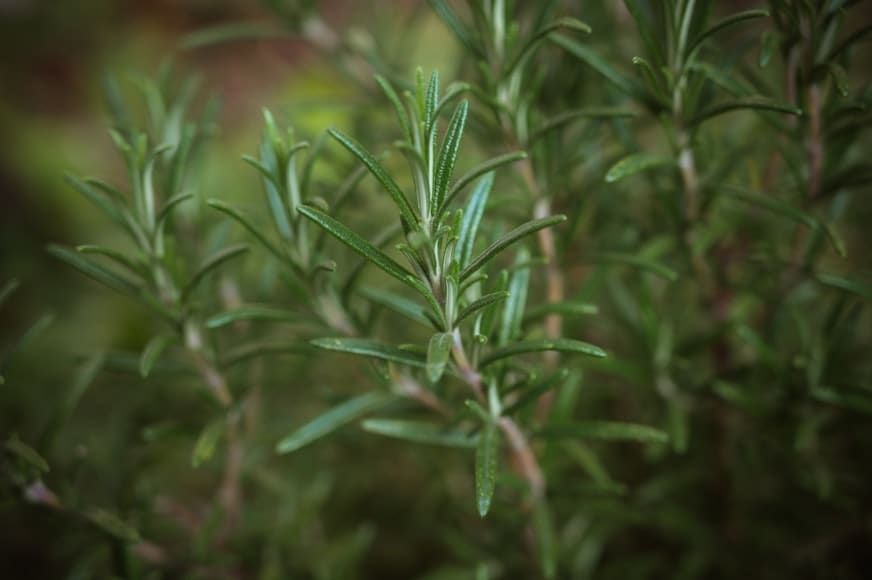 Rosemary (Rosmarinus officinalis)
Rosemary (Rosmarinus officinalis) is an aromatic evergreen shrub, commonly growing to about 6½ ft (2 m), with narrow, pinelike leaves and small, pale blue flowers. It is known for its distinctive flavor in Mediterranean cuisine. It has a mildly bitter, warming taste.
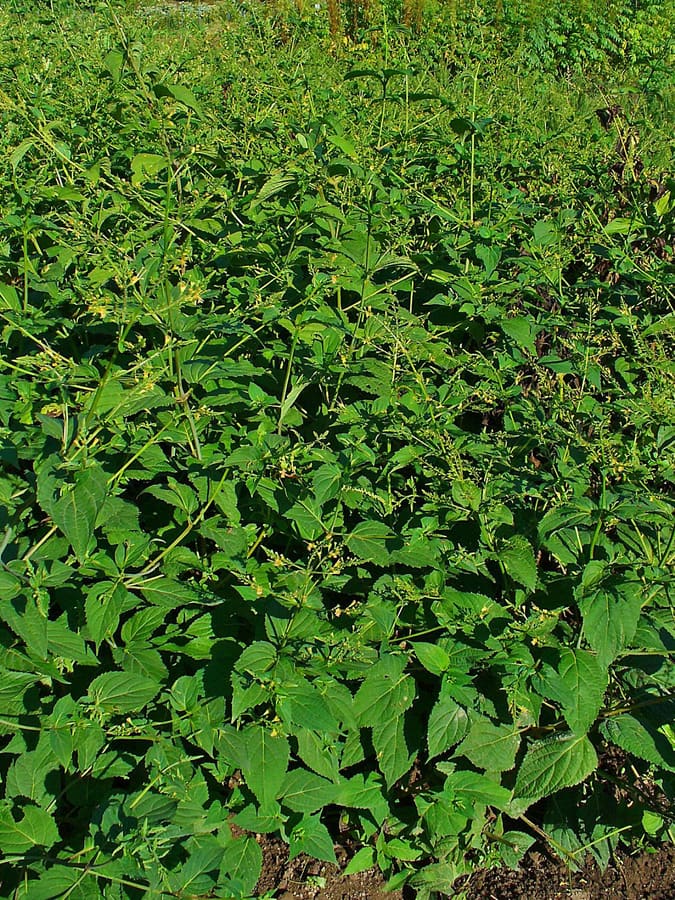 Stone Root (Collinsonia canadensis)
Stone root is a perennial herb growing to 3 feet tall, characterized by a square stem, oval leaves, and clusters of greenish-yellow flowers. Native to moist woodlands of eastern North America, the root is harvested in autumn. The plant contains volatile oil, tannins, and saponins.