
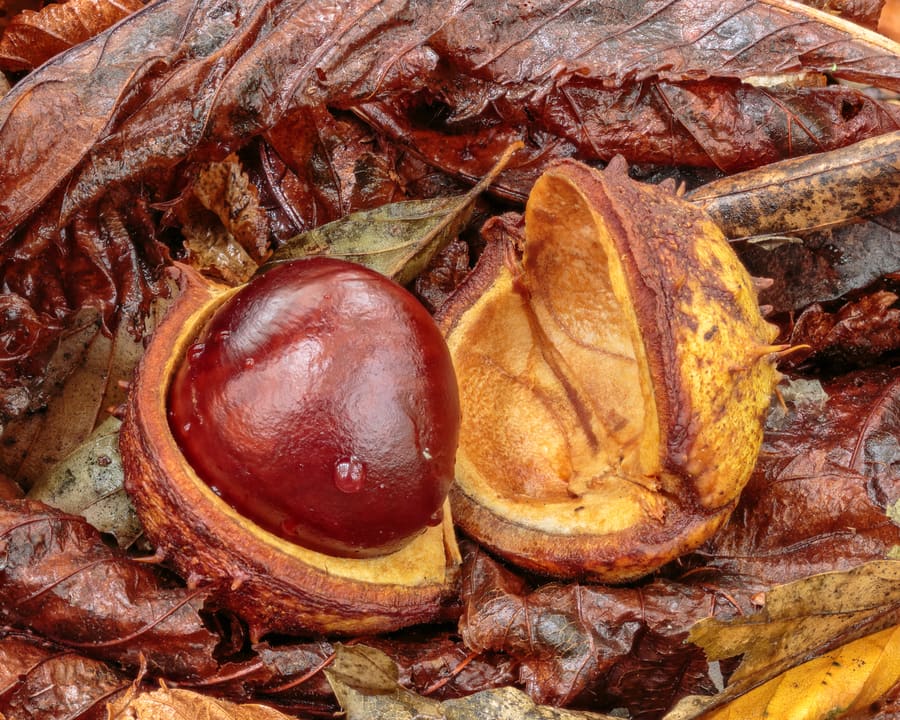
Horse Chestnut (Aesculus hippocastanum)
Photo: Dominicus Johannes Bergsma · CC BY-SA 4.0
- Circulatory
- 2 conditions
- Licensed photo
Overview
Horse chestnut (Aesculus hippocastanum) is a large, stately deciduous tree growing up to about 80 ft (25 m), known for its palmate leaves and prickly green seed pods that contain shiny brown seeds (“conkers”). The seed extract was traditionally used for hemorrhoids, swelling and pain, and is now promoted for chronic venous insufficiency. NCCIH says a review suggested seed extract can improve symptoms of chronic venous insufficiency, but more rigorous trials are needed.
Traditional uses & properties
Veins: Traditionally used for hemorrhoids and swelling, and now promoted for chronic venous insufficiency; NCCIH says a review suggested seed extract can improve symptoms of chronic venous insufficiency, but more rigorous trials are needed.
Safety & precautions
Children, Pregnancy, & Nursing: Best avoided. Blood-Thinning Medications: Use caution and consult a practitioner. Internally: NCCIH says the raw seeds, bark, flowers and leaves are unsafe by mouth, while standardized seed extracts are likely safe for short-term use. Excess dosage can cause gastrointestinal upset or toxic effects. Broken Skin: Do not apply topically to ulcerated or broken areas.
Educational reference only - not medical advice. Herbs can interact with medications. Consult a qualified healthcare provider before use. Full disclaimer.
Drug interactions
Concerns center on bleeding and on enzyme effects seen in animals. [1, 2]
- Blood thinners and antiplatelet drugs
- MSK notes that products containing aesculin may add to bleeding risk and suggests checking that a product is aesculin-free. A 2000 review also lists horse chestnut among herbs that could, in theory, raise bleeding risk with warfarin. [1, 2]
- Medicines broken down by liver enzymes
- Animal research found that aescin could either block or boost several CYP enzymes. Relevance to people is undetermined. [1]
How to read this section: each entry is HerbMate's summary of what the cited sources report. Words such as "may", "theoretical" or "in laboratory or animal studies" mean the effect has not been confirmed in people, and "case report" means it was seen in one or a few patients. A medicine that is not listed here has not been shown to be safe with this herb. The numbers in brackets link to the sources at the foot of the page.
Habitat
Originally from mountainous forests in the Balkans and western Asia, horse chestnut is now a common ornamental tree worldwide, especially in northern/western Europe. Leaves, bark, and seeds are harvested mainly in autumn; leaves can also be picked in summer.
Sources
The interaction notes and the statements on this page that name a source were written by HerbMate from these references, which were last checked in October 2026. They are summaries, not medical advice; ask a pharmacist about your own medicines.
Traditionally used for
Each condition shows its first 2 remedies free. Premium opens the full remedy list for every condition - or come back for the free Condition of the Day.
Frequently asked questions
What is Horse Chestnut (Aesculus hippocastanum) traditionally used for?
Traditional sources describe Horse Chestnut (Aesculus hippocastanum) as follows: Veins: Traditionally used for hemorrhoids and swelling, and now promoted for chronic venous insufficiency; NCCIH says a review suggested seed extract can improve symptoms of chronic venous insufficiency, but more rigorous trials are needed.
What safety cautions apply to Horse Chestnut (Aesculus hippocastanum)?
Children, Pregnancy, & Nursing: Best avoided. Blood-Thinning Medications: Use caution and consult a practitioner. Internally: NCCIH says the raw seeds, bark, flowers and leaves are unsafe by mouth, while standardized seed extracts are likely safe for short-term use. Excess dosage can cause gastrointestinal upset or toxic effects. Broken Skin: Do not apply topically to ulcerated or broken areas.
Related herbs
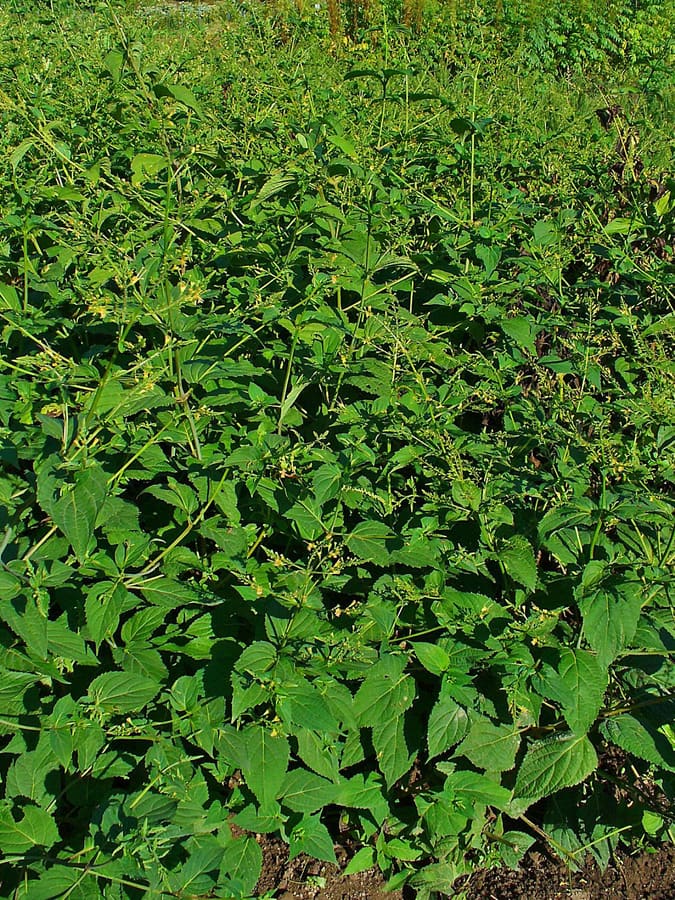 Stone Root (Collinsonia canadensis)
Stone root is a perennial herb growing to 3 feet tall, characterized by a square stem, oval leaves, and clusters of greenish-yellow flowers. Native to moist woodlands of eastern North America, the root is harvested in autumn. The plant contains volatile oil, tannins, and saponins.
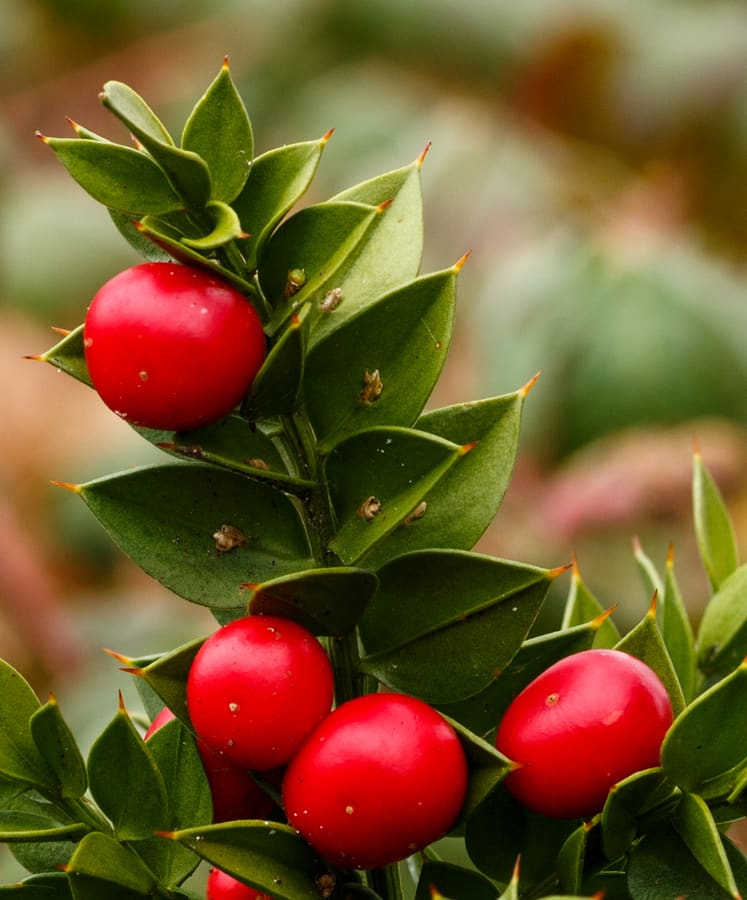 Butcher's Broom (ruscus aculeatus)
Butcher’s broom is a bushy, evergreen perennial that can reach about 3 ft (1 m) in height. It has stiff, leaf-like branches ending in a sharp spine, with small greenish-white flowers and shiny red berries in autumn.
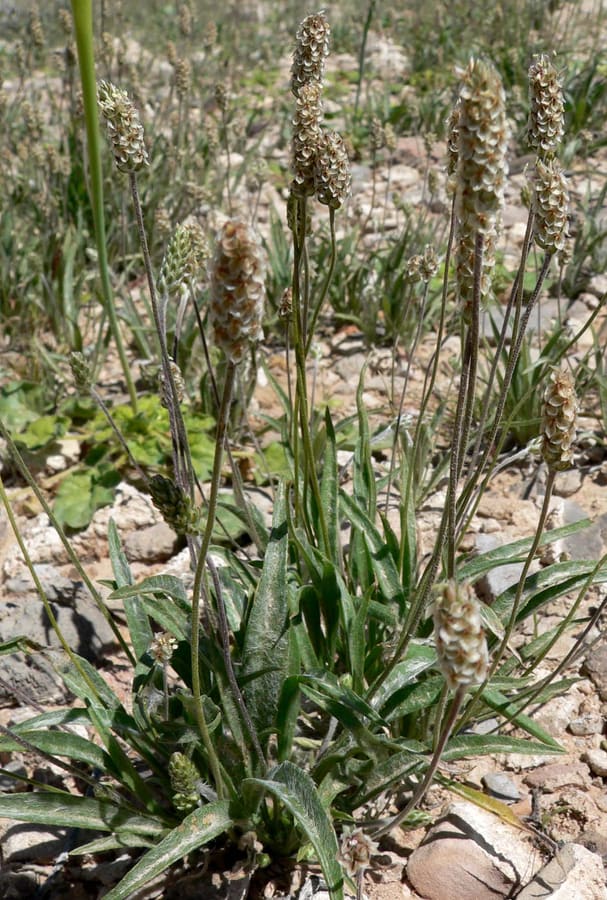 Psyllium (Plantago ovata)
Psyllium, also known as flea seed due to its small brown appearance, is produced by several Plantago species. It has long been used as a laxative, and MedlinePlus lists it as a bulk-forming laxative used to treat constipation. The seeds and husks have a bland taste and develop a jellylike consistency when moistened due to their high mucilage content. The plants are extensively cultivated, especially in India, and propagated from seed in spring. Seeds are harvested when ripe in late summer and early autumn.
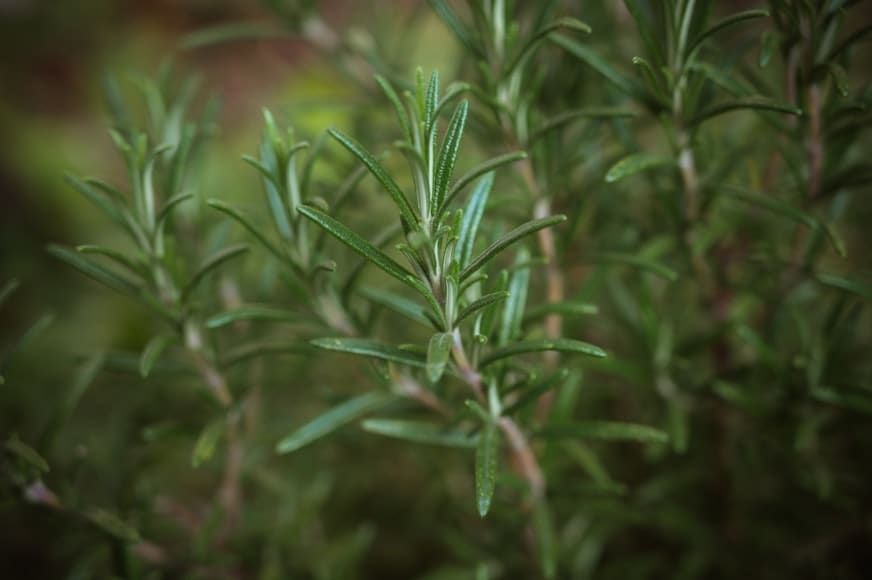 Rosemary (Rosmarinus officinalis)
Rosemary (Rosmarinus officinalis) is an aromatic evergreen shrub, commonly growing to about 6½ ft (2 m), with narrow, pinelike leaves and small, pale blue flowers. It is known for its distinctive flavor in Mediterranean cuisine. It has a mildly bitter, warming taste.
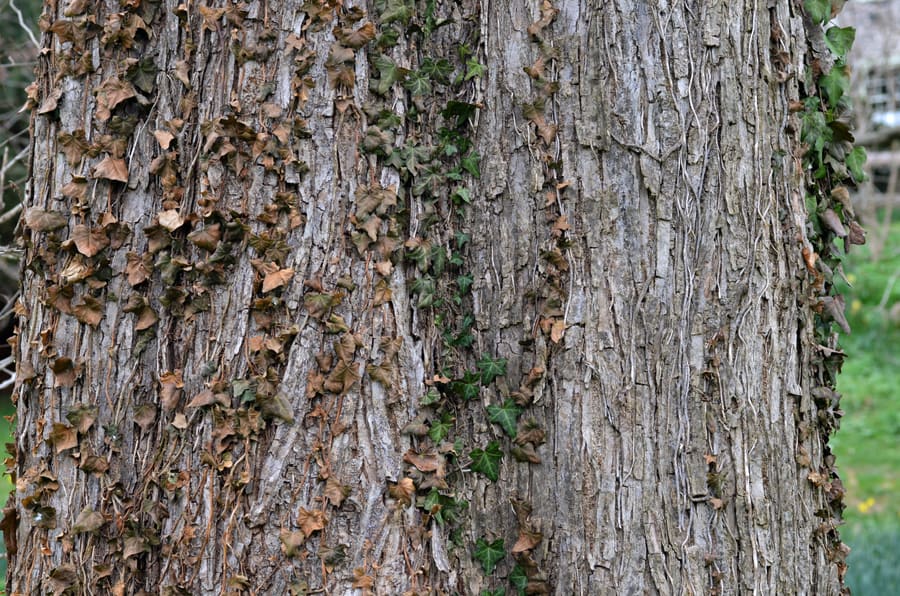 Slippery Elm (Ulmus rubra)
Slippery elm (Ulmus rubra) is a large tree native to the eastern U.S. and Canada. The medicinal part is the inner bark, prized for its high mucilage content. When soaked in water, it turns “slippery”; this mucilage is traditionally used to soothe the throat and digestive tract, and MSK says slippery elm may help relieve minor cough or sore throat, but there is no evidence it can treat infections or other serious medical conditions.
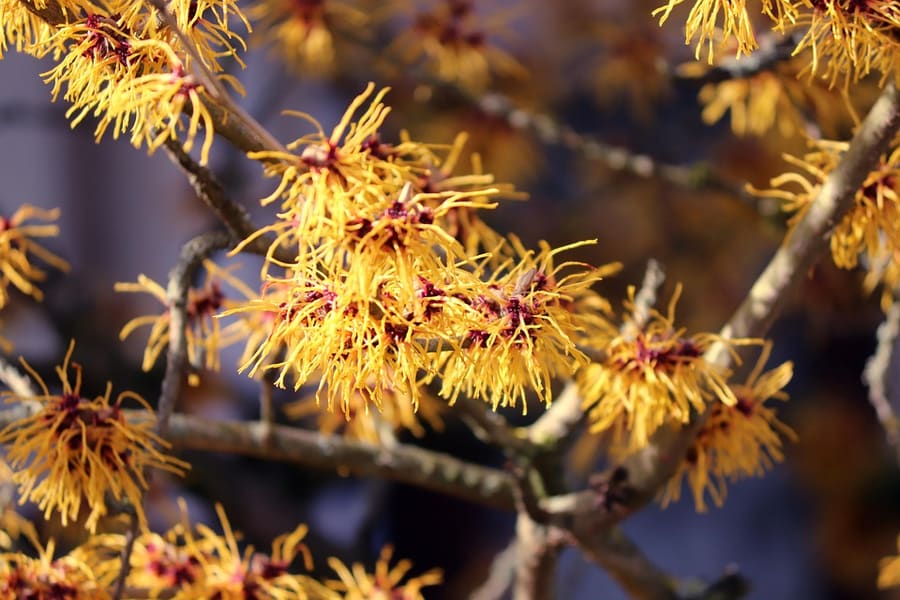 Witch Hazel (Hamamelis virginiana)
Witch hazel (Hamamelis virginiana) is a small deciduous tree or shrub, often up to 16 ft (5 m), producing coarsely toothed leaves and distinct, ribbonlike yellow flowers in autumn or winter. Its bark and leaves are highly astringent.