
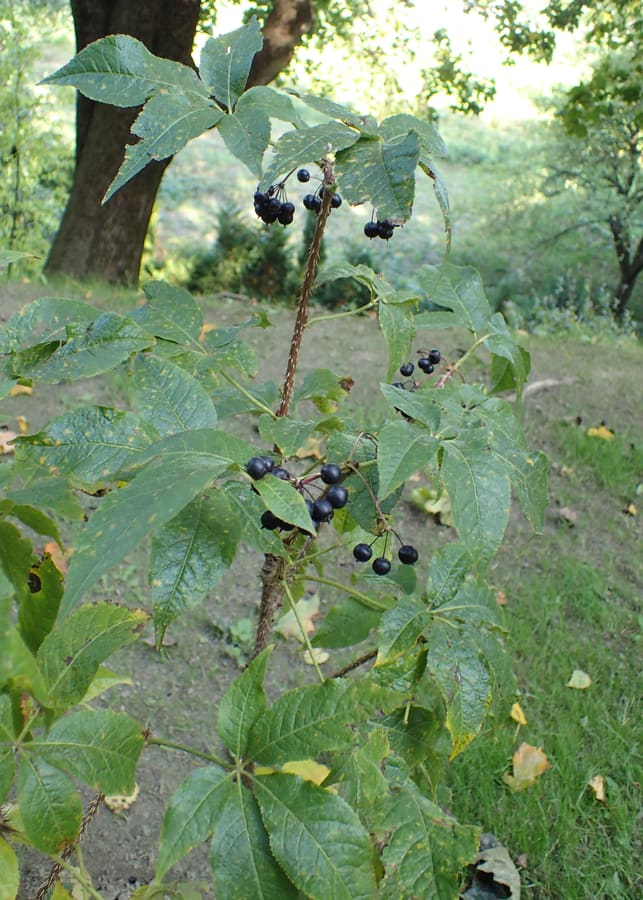
Siberian Ginseng (Eleutherococcus senticosus)
Photo: Krzysztof Ziarnek, Kenraiz · CC BY-SA 4.0
- Mental
- 2 conditions
- Licensed photo
Overview
Siberian ginseng (Eleutherococcus senticosus), also called Eleuthero, is a deciduous, hardy shrub reaching up to about 10 ft (3 m). It features 3-7 toothed leaflets per stem and spiny branches. Regarded as an adaptogen, Siberian ginseng has been used traditionally as an adaptogen, performance enhancer and immunostimulant; MSK says studies in humans are quite limited.
Traditional uses & properties
Adaptogen (traditional use): Traditionally used as an adaptogen; MSK says additional studies are needed to assess its usefulness and safety. Performance (traditional use): Traditionally used as a performance enhancer; MSK says studies in humans are quite limited.
Safety & precautions
Duration: Do not take it long term without professional advice. Caffeine: Avoid combining with caffeinated products, as overstimulation may occur. Possible Side Effects: Exceeding the recommended dose can lead to irritability or insomnia. Medicines & Breastfeeding: MSK says it can increase the risk of side effects from digoxin, and advises avoiding it while breastfeeding.
Educational reference only - not medical advice. Herbs can interact with medications. Consult a qualified healthcare provider before use. Full disclaimer.
Drug interactions
Interaction data is not available for this herb - talk to a pharmacist before combining it with any medication. A blank entry here means we have not documented interactions, not that none exist.
Habitat
Native to eastern Russia, China, Korea, and Japan, Siberian ginseng can be grown from seed - though germination is difficult. The root is harvested in autumn and then dried. Historically used in Russia for workers, athletes, and even astronauts to cope with stress.
Sources
The interaction notes and the statements on this page that name a source were written by HerbMate from these references, which were last checked in October 2026. They are summaries, not medical advice; ask a pharmacist about your own medicines.
Traditionally used for
Each condition shows its first 2 remedies free. Premium opens the full remedy list for every condition - or come back for the free Condition of the Day.
Frequently asked questions
What is Siberian Ginseng (Eleutherococcus senticosus) traditionally used for?
Traditional sources describe Siberian Ginseng (Eleutherococcus senticosus) as follows: Adaptogen (traditional use): Traditionally used as an adaptogen; MSK says additional studies are needed to assess its usefulness and safety. Performance (traditional use): Traditionally used as a performance enhancer; MSK says studies in humans are quite limited.
What safety cautions apply to Siberian Ginseng (Eleutherococcus senticosus)?
Duration: Do not take it long term without professional advice. Caffeine: Avoid combining with caffeinated products, as overstimulation may occur. Possible Side Effects: Exceeding the recommended dose can lead to irritability or insomnia. Medicines & Breastfeeding: MSK says it can increase the risk of side effects from digoxin, and advises avoiding it while breastfeeding.
Related herbs
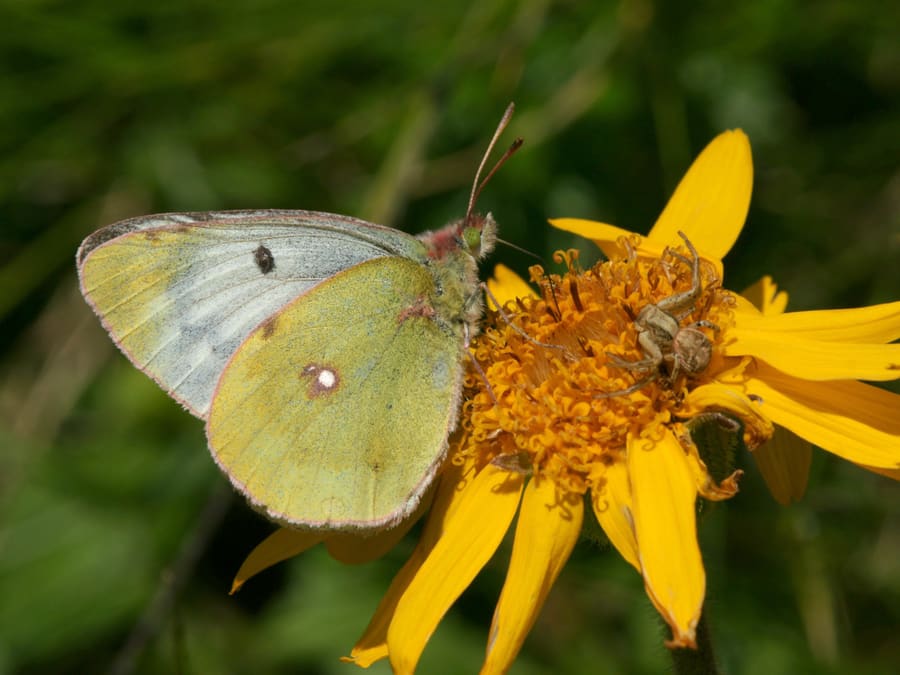 Arnica (Arnica montana)Not for self-dosing
Arnica is an aromatic perennial, usually about 1 ft (30 cm) high, with downy, oval-shaped leaves and bright yellow daisy-like flowers. Its flowers and roots have traditionally been used for bruises, sprains, arthritic pain and muscle aches, and a highly diluted form is used in homeopathy; MSK says a few clinical trials suggest topical arnica may help osteoarthritis and bruising, but rigorous research on homeopathic arnica is still needed. Arnica taken internally can be toxic (see precautions).
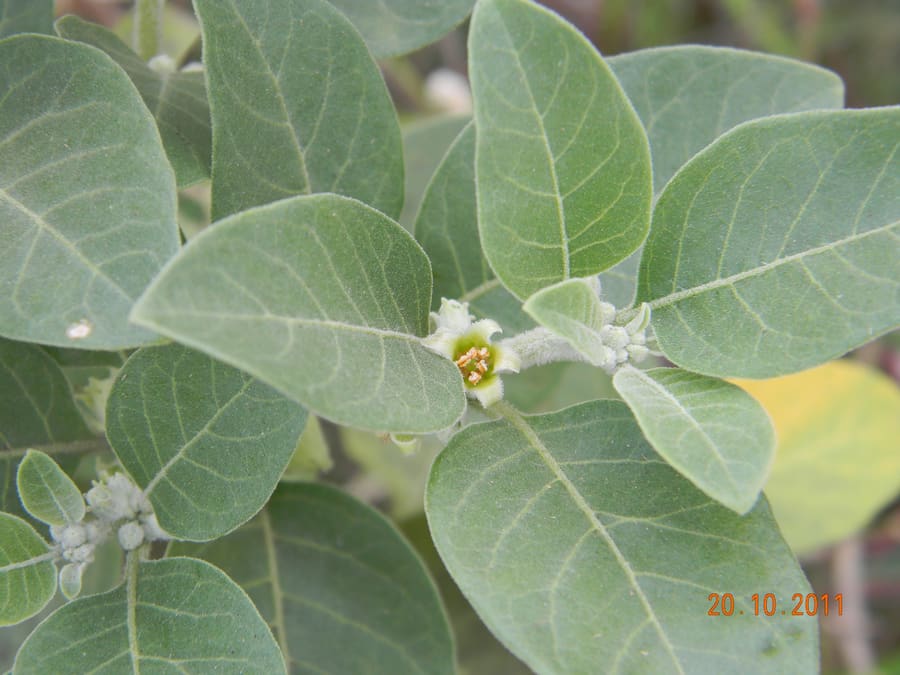 Ashwagandha (Withania somnifera)
, sometimes called “Indian ginseng,” is a sturdy shrub growing to about 5 ft (1.5 m) with oval leaves, greenish or yellow flowers, and small, round fruits. NCCIH says some preparations may help insomnia and stress, but there isn't enough evidence to know whether it helps most other conditions.
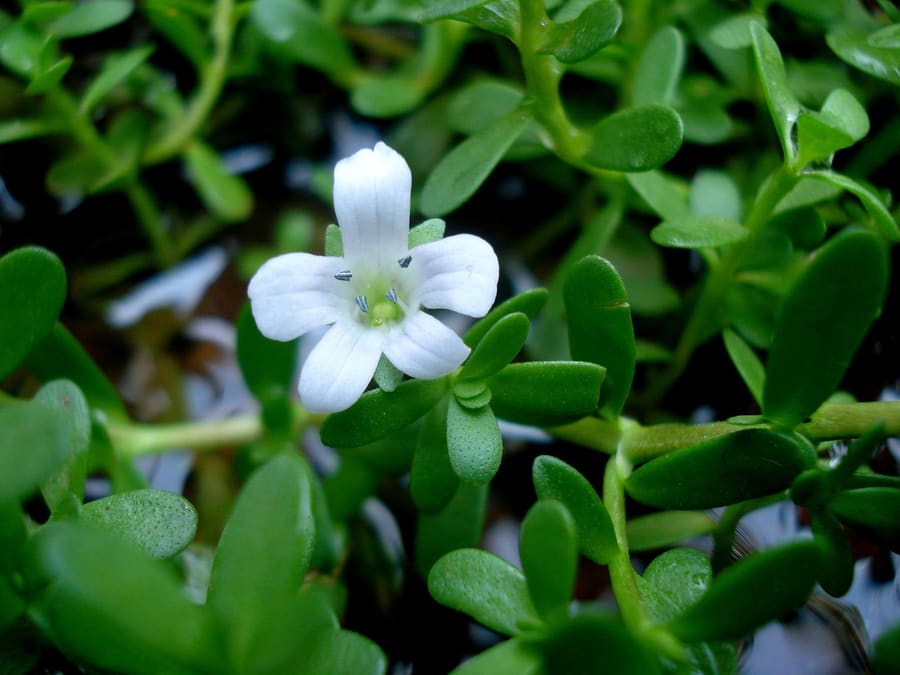 Bacopa (Bacopa monnieri)
Bacopa, also known as Water Hyssop or Brahmi, is a creeping succulent perennial that can grow to about 20 inches. It features spatula-shaped fleshy leaves and pale blue or white flowers on slender stalks. It thrives in marshlands and along the edges of mangrove swamps in warmer temperate and tropical climates, especially southern Asia, where it forms dense mats on mudflats.
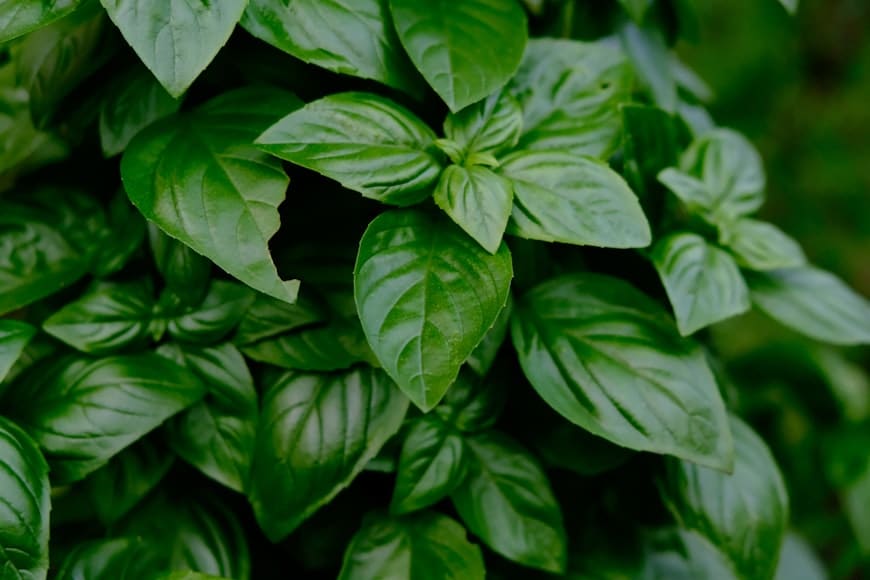 Basil
Basil (Ocimum basilicum) is a bushy annual herb growing up to about 20 in (50 cm), with shiny oval leaves arranged on a square stem and small white flowers in whorls. Known for its strong, sweet aroma, basil is cultivated worldwide in numerous varieties and is widely used as a culinary herb.
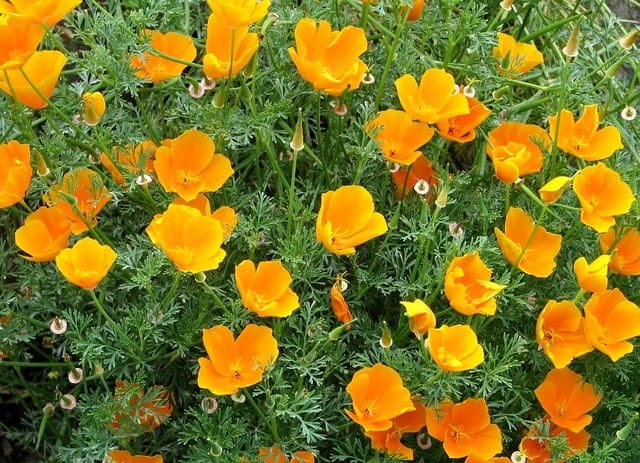 California Poppy (Eschscholzia californica)
California poppy (Eschscholzia californica) is an annual or short-lived perennial with finely divided leaves and vibrant orange, yellow, pink, or red blossoms. It is related to the opium poppy.
- Cardamom (Eletteria cardamomum)
Cardamom is an aromatic spice long prized for its fragrant, pungent taste. Thanks to its agreeable flavor, cardamom is often added to herbal formulas to improve taste.
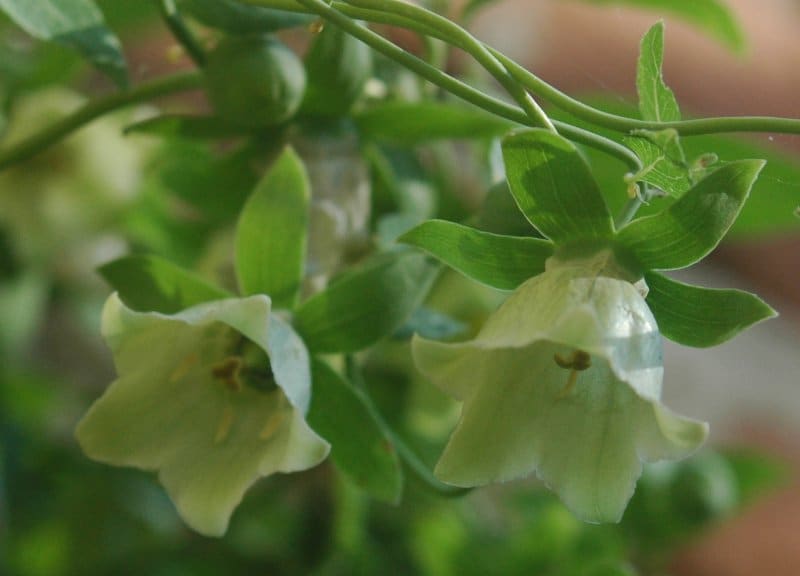 Codonopsis (Codonopsis pilosula)
Codonopsis is a small twining perennial growing to 5 feet with oval leaves and pendulous green and purple bell-shaped flowers marked with purple in summer. Native to northeastern China and growing throughout the region, especially in the Shanxi and Szechuan provinces, it is propagated from seed in spring or autumn, and the root is harvested in autumn once the aerial parts have died down. Codonopsis holds a central place in Chinese herbal medicine.
- Corydalis (Corydalis yanhusuo)
Corydalis is a small herbaceous perennial growing to 8 inches with narrow leaves and pink flowers. Native to Siberia, northern China, and Japan, it is commonly cultivated in eastern and northeastern parts of China. Propagated from seed in early spring or autumn, the rhizome is harvested in late spring and early summer when the aerial parts have withered. It has been part of Chinese herbal medicine since at least the 8th century.