
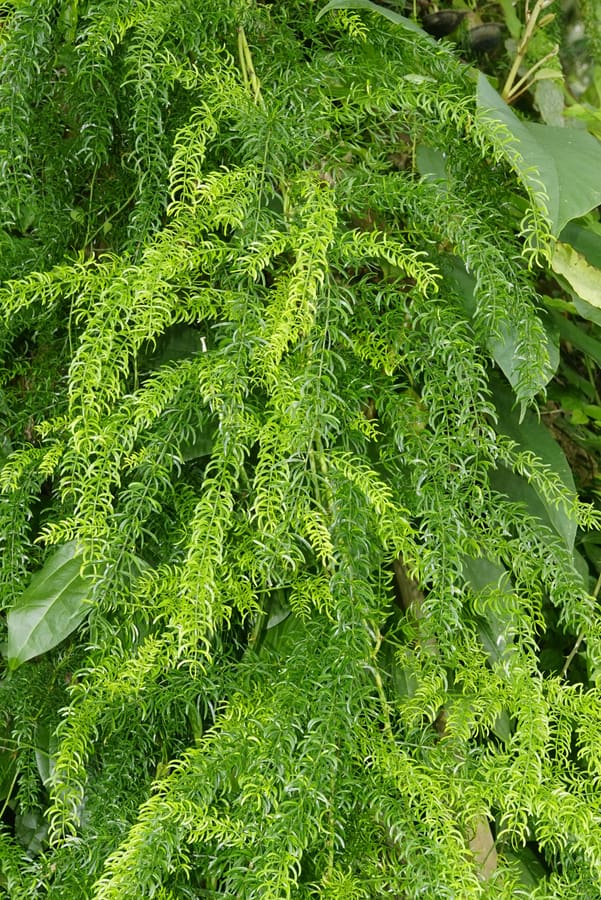
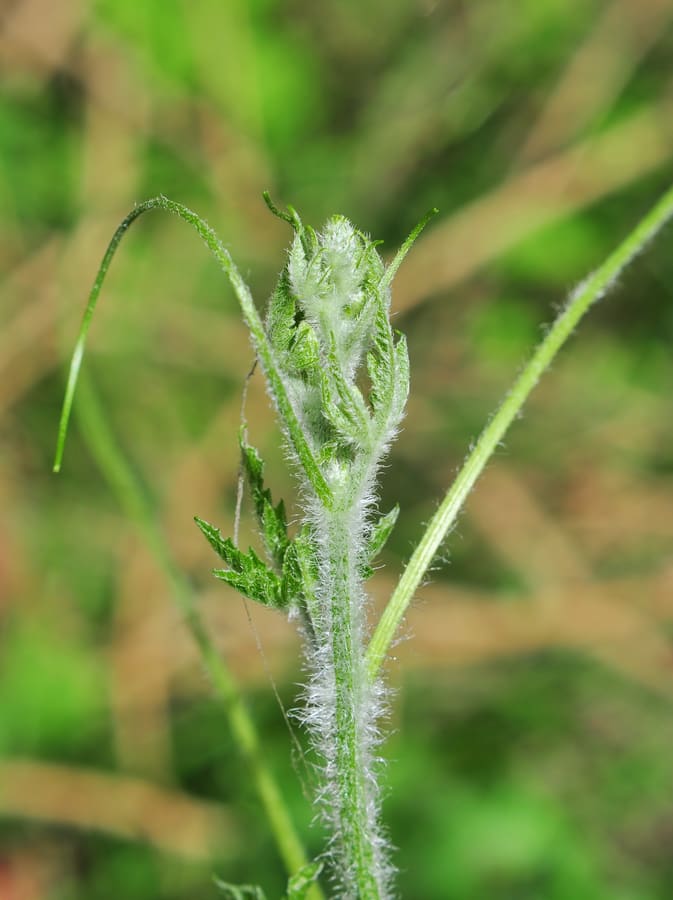
Shatavari (Asparagus racemosus)
Photo: Vengolis · CC BY-SA 4.0
- Female Reproductive
- 6 conditions
- Licensed photo
Overview
Shatavari is a slender perennial fern that can grow up to 23 feet in height, featuring fronds of needle-like leaves, tiny white flowers, and purple-black berries. In Ayurvedic medicine it is called the 'Queen of herbs', and its name is often translated as '100 spouses'. The root is the medicinal part used. Native to the Himalayas and Indian subcontinent, it grows wild in gravelly soils up to 3,900 feet above sea level and is also found in western China.
Traditional uses & properties
The root contains steroidal saponins, alkaloids, and mucilage.
Safety & precautions
Should be avoided by pregnant women. Its drug interactions are not well documented; if you take diabetes medicine, hormone therapy such as tamoxifen, or any other prescription drug, ask a pharmacist before using it.
Educational reference only - not medical advice. Herbs can interact with medications. Consult a qualified healthcare provider before use. Full disclaimer.
Drug interactions
Interaction data is not available for this herb - talk to a pharmacist before combining it with any medication. A blank entry here means we have not documented interactions, not that none exist.
Habitat
Native to the Himalayas and Indian subcontinent, growing wild in gravelly soils up to 3,900 feet above sea level. Also found in western China.
Traditionally used for
- Low Sex Drive4 herbs · 2 free
- Menopause5 herbs · 2 free
- Diabetes11 herbs · 2 free
- Erectile Disfunction6 herbs · 2 free
- Stress13 herbs · 2 free
- Asthma14 herbs · 2 free
Each condition shows its first 2 remedies free. Premium opens the full remedy list for every condition - or come back for the free Condition of the Day.
Frequently asked questions
What is Shatavari (Asparagus racemosus) traditionally used for?
Traditional sources describe Shatavari (Asparagus racemosus) as follows: The root contains steroidal saponins, alkaloids, and mucilage.
What safety cautions apply to Shatavari (Asparagus racemosus)?
Should be avoided by pregnant women. Its drug interactions are not well documented; if you take diabetes medicine, hormone therapy such as tamoxifen, or any other prescription drug, ask a pharmacist before using it.
Related herbs
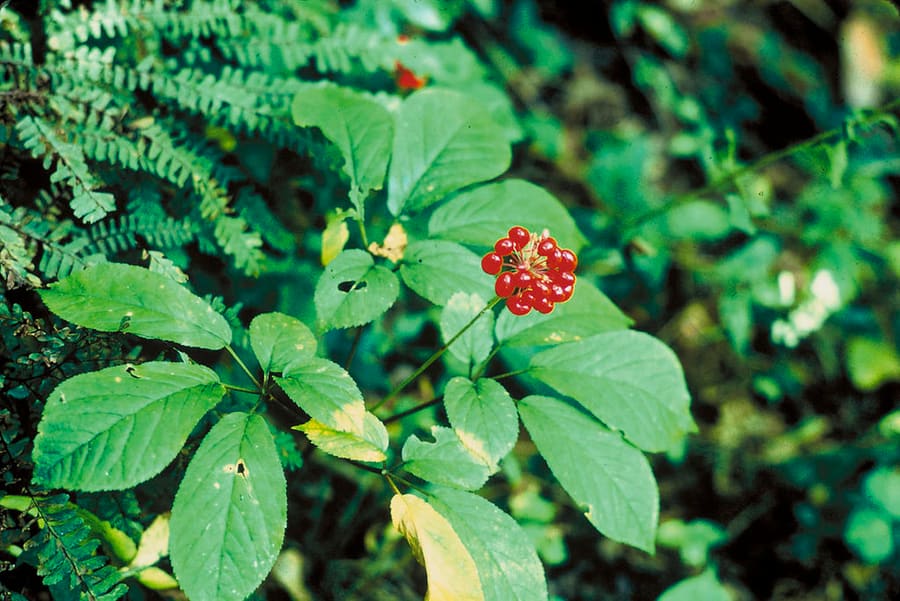 Ginseng (Panax ginseng)
Asian or Korean ginseng (Panax ginseng) is a perennial reaching about 3 ft (1 m) in height, with toothed oval leaves and a cluster of small green-yellow flowers. Its root is legendary in traditional medicine as an adaptogen, taken for energy, stamina, aging and stress. NCCIH says most studies have been small and short, and that most research shows it does not improve athletic performance. Red ginseng is steamed before drying.
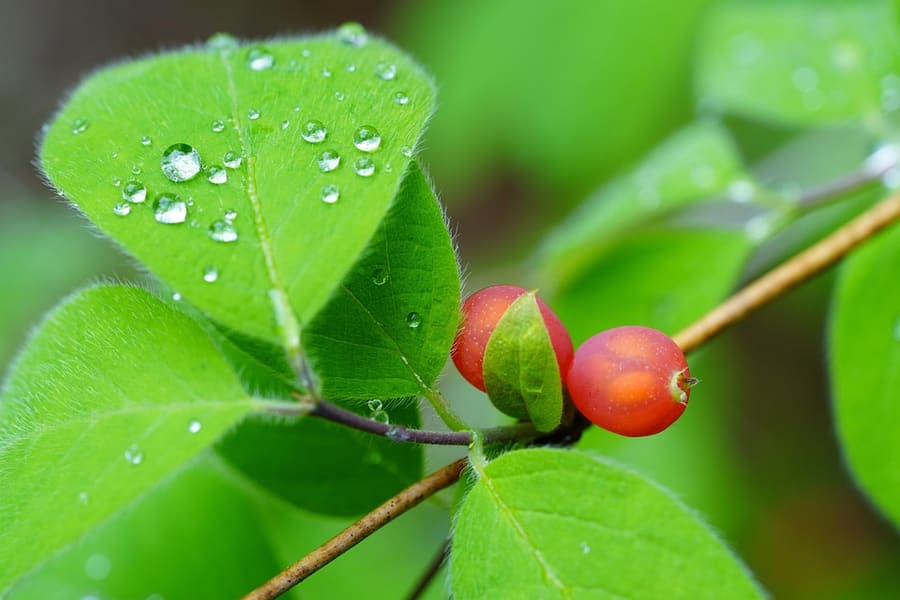 Schisandra (Schisandra chinensis)
Schisandra (Schisandra chinensis), also known as wu wei zi (“5-flavored herb”), is a woody vine that can grow up to 26 ft (8 m). It has pink blossoms and clusters of bright red berries, which are used in traditional Chinese medicine for liver conditions and as a tonic for vitality. MSK says only a small number of human studies exist and they are too limited to draw conclusions.
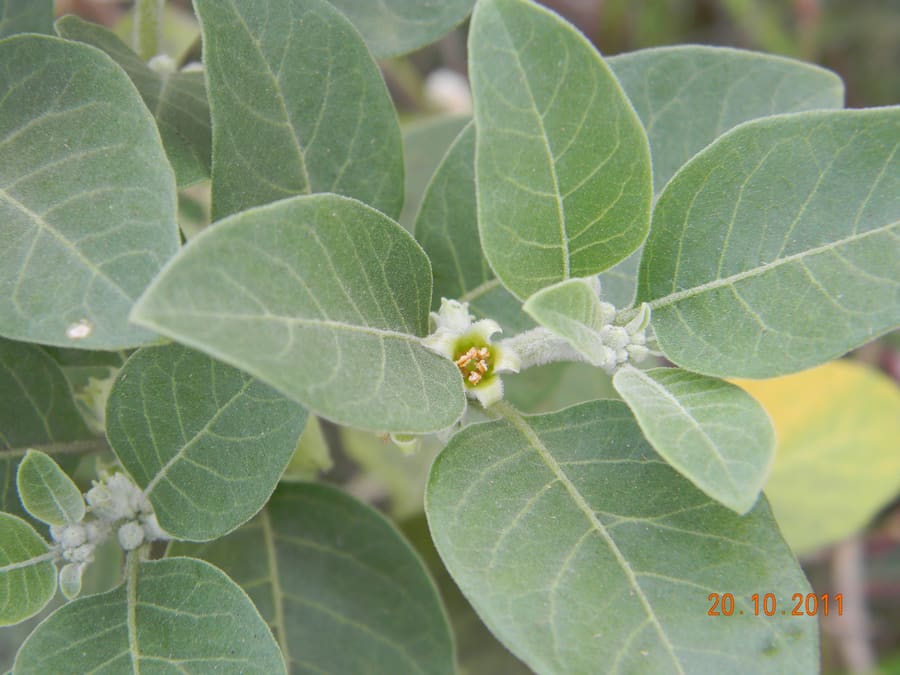 Ashwagandha (Withania somnifera)
Ashwagandha (Withania somnifera), sometimes called “Indian ginseng,” is a sturdy shrub growing to about 5 ft (1.5 m) with oval leaves, greenish or yellow flowers, and small, round fruits. NCCIH says some preparations may help insomnia and stress, but there isn't enough evidence to know whether it helps most other conditions.
 Bacopa (Bacopa monnieri)
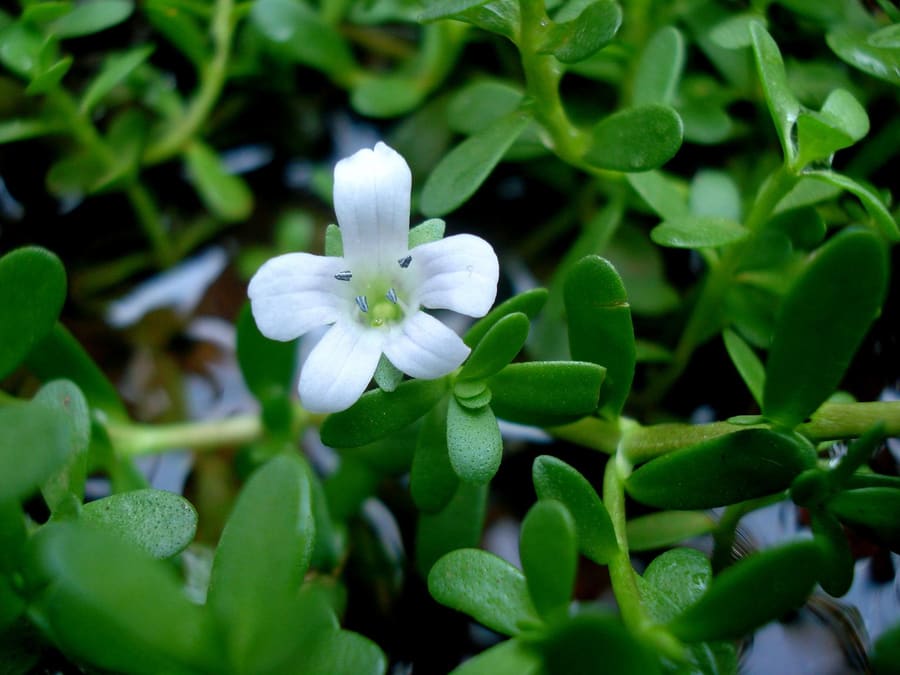
Bacopa, also known as Water Hyssop or Brahmi, is a creeping succulent perennial that can grow to about 20 inches. It features spatula-shaped fleshy leaves and pale blue or white flowers on slender stalks. It thrives in marshlands and along the edges of mangrove swamps in warmer temperate and tropical climates, especially southern Asia, where it forms dense mats on mudflats.
 Codonopsis (Codonopsis pilosula)
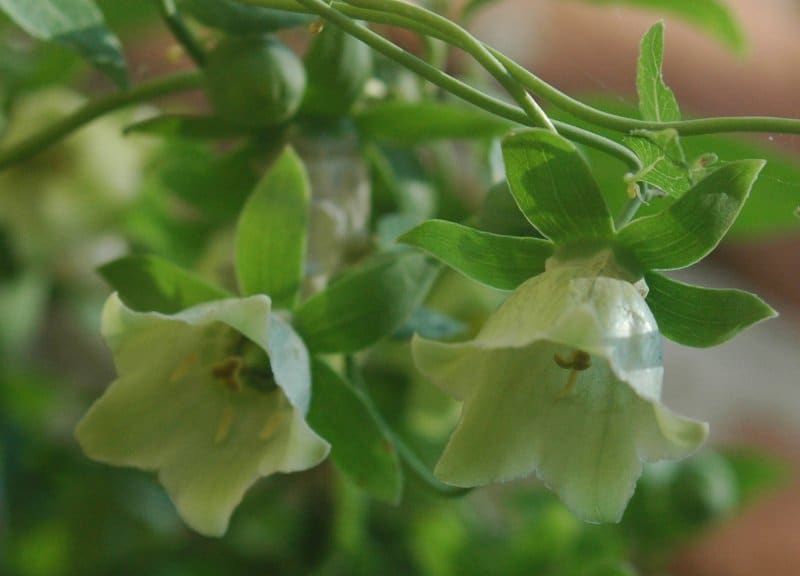
Codonopsis is a small twining perennial growing to 5 feet with oval leaves and pendulous green and purple bell-shaped flowers marked with purple in summer. Native to northeastern China and growing throughout the region, especially in the Shanxi and Szechuan provinces, it is propagated from seed in spring or autumn, and the root is harvested in autumn once the aerial parts have died down. Codonopsis holds a central place in Chinese herbal medicine.
 Andrographis (Andrographis paniculata)
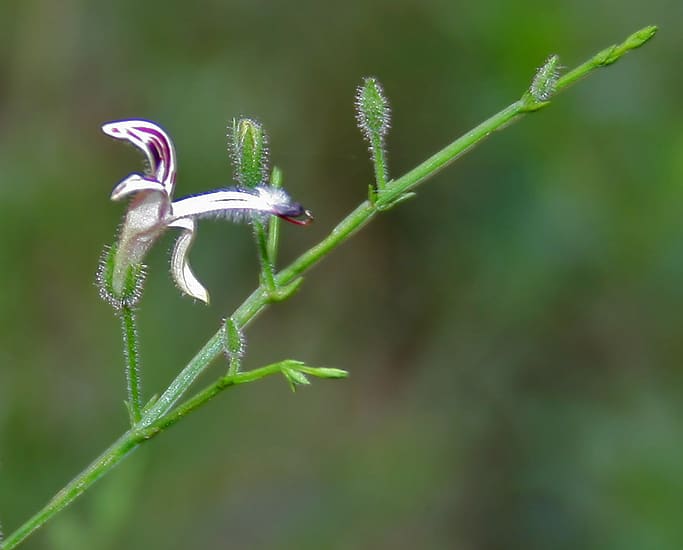
Andrographis, commonly known as Green Chiretta or King of Bitters, is an upright annual herb reaching approximately 3 feet in height. Native to India and cultivated throughout northern regions of India and China, this bitter medicinal plant has been valued in Ayurvedic and traditional Chinese medicine for centuries. MSK notes that it has been studied mostly for colds, flu and upper respiratory infections. The plant thrives on plains and in forest undergrowth, where its spotted pale brown or purple flowers and long seed capsules distinguish it from other medicinal herbs.
 Basil
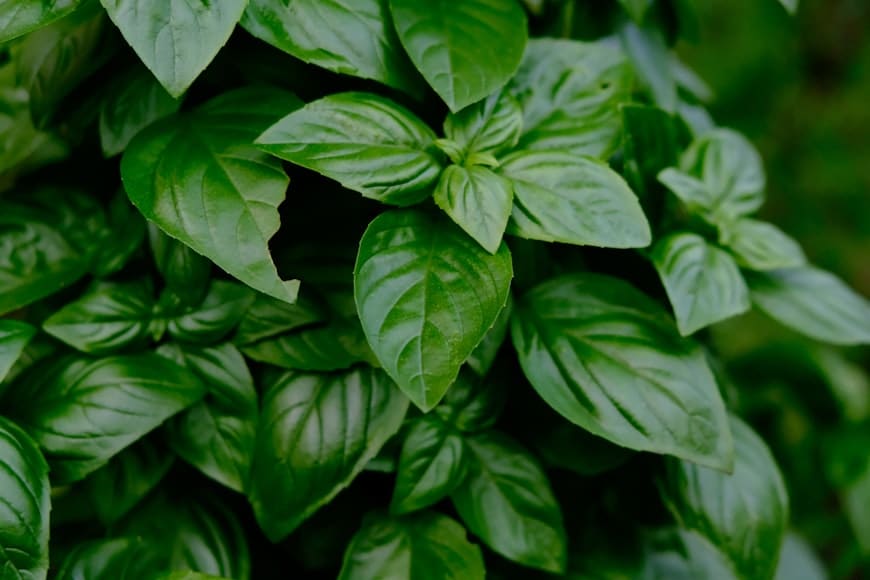
BasilBasil (Ocimum basilicum) is a bushy annual herb growing up to about 20 in (50 cm), with shiny oval leaves arranged on a square stem and small white flowers in whorls. Known for its strong, sweet aroma, basil is cultivated worldwide in numerous varieties and is widely used as a culinary herb.
 Bitter Melon (Momordica charantia)
Bitter melon is an annual climbing vine reaching about 6.5 feet, characterized by deeply lobed leaves, yellow flowers, and distinctive orange-yellow fruit. Native to southern Asia and now common throughout tropical regions worldwide, it is harvested year-round. Its edible fruit is used both as food and in medicine to treat diabetes in regions including Asia, East Africa and the Caribbean; MSK says data on whether it lowers blood sugar are limited.