
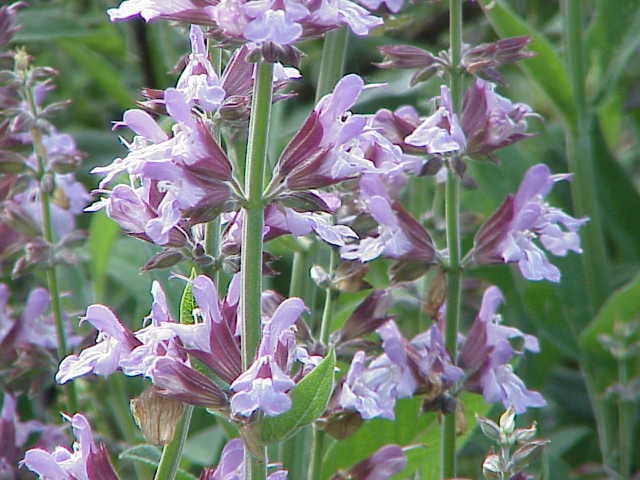
Sage (Salvia officinalis)
Photo: Kurt Stüber [1] · CC BY-SA 3.0
- Head and Neck
- 1 condition
- Licensed photo
Overview
Sage (Salvia officinalis) is an evergreen subshrub that grows about 32 in (80 cm) high, with gray-green, downy leaves, square stems, and small blue to purple flowers. Known primarily as a culinary herb, sage has also been used traditionally for digestive, respiratory, and skin problems. NCCIH says only small amounts of research have been done on sage, although a few small studies suggest it might reduce hot flashes. It has a distinctly warm, bitter, and astringent flavor.
Traditional uses & properties
Respiratory (traditional use): Traditionally used for respiratory, digestive and skin problems; NCCIH says only small amounts of research have been done on sage, so definitive conclusions cannot be reached. Hot Flashes: Promoted today for managing menopause symptoms; NCCIH says a few small studies suggest common sage might reduce how often hot flashes occur.
Safety & precautions
Pregnancy & Nursing: Large doses are not recommended; sage dries up breast milk. Epilepsy: High doses or essential oil may trigger seizures. Allergies: Rare, but caution if reacting to aromatic or mint-family herbs.
Educational reference only - not medical advice. Herbs can interact with medications. Consult a qualified healthcare provider before use. Full disclaimer.
Drug interactions
Interaction data is not available for this herb - talk to a pharmacist before combining it with any medication. A blank entry here means we have not documented interactions, not that none exist.
Habitat
Originally from the Mediterranean, sage is cultivated globally, favoring sunny, well-drained gardens. It’s started from seed or cuttings in spring. Leaves are gathered in summer and often used fresh or dried, or for essential oil.
Sources
The interaction notes and the statements on this page that name a source were written by HerbMate from these references, which were last checked in October 2026. They are summaries, not medical advice; ask a pharmacist about your own medicines.
Traditionally used for
Each condition shows its first 2 remedies free. Premium opens the full remedy list for every condition - or come back for the free Condition of the Day.
Frequently asked questions
What is Sage (Salvia officinalis) traditionally used for?
Traditional sources describe Sage (Salvia officinalis) as follows: Respiratory (traditional use): Traditionally used for respiratory, digestive and skin problems; NCCIH says only small amounts of research have been done on sage, so definitive conclusions cannot be reached. Hot Flashes: Promoted today for managing menopause symptoms; NCCIH says a few small studies suggest common sage might reduce how often hot flashes occur.
What safety cautions apply to Sage (Salvia officinalis)?
Pregnancy & Nursing: Large doses are not recommended; sage dries up breast milk. Epilepsy: High doses or essential oil may trigger seizures. Allergies: Rare, but caution if reacting to aromatic or mint-family herbs.
Related herbs
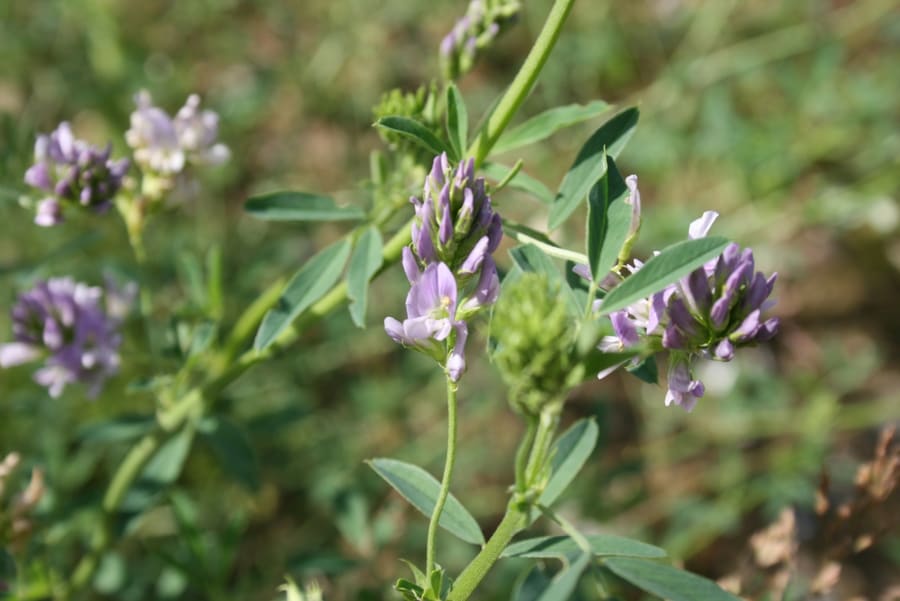 Alfalfa (Medicago sativa)
Alfalfa is a perennial herb that can grow to about 32 in (80 cm). It produces trifoliate leaves, flowers ranging from yellow to violet-blue, and spiraling seed pods. It has been called the “king of herbs,” with roots that can extend many feet into the ground to draw up minerals.
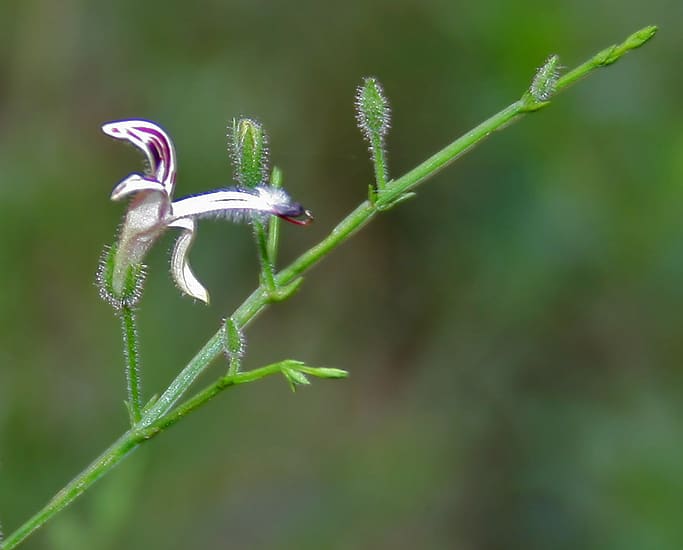 Andrographis (Andrographis paniculata)
Andrographis, commonly known as Green Chiretta or King of Bitters, is an upright annual herb reaching approximately 3 feet in height. Native to India and cultivated throughout northern regions of India and China, this bitter medicinal plant has been valued in Ayurvedic and traditional Chinese medicine for centuries. MSK notes that it has been studied mostly for colds, flu and upper respiratory infections. The plant thrives on plains and in forest undergrowth, where its spotted pale brown or purple flowers and long seed capsules distinguish it from other medicinal herbs.
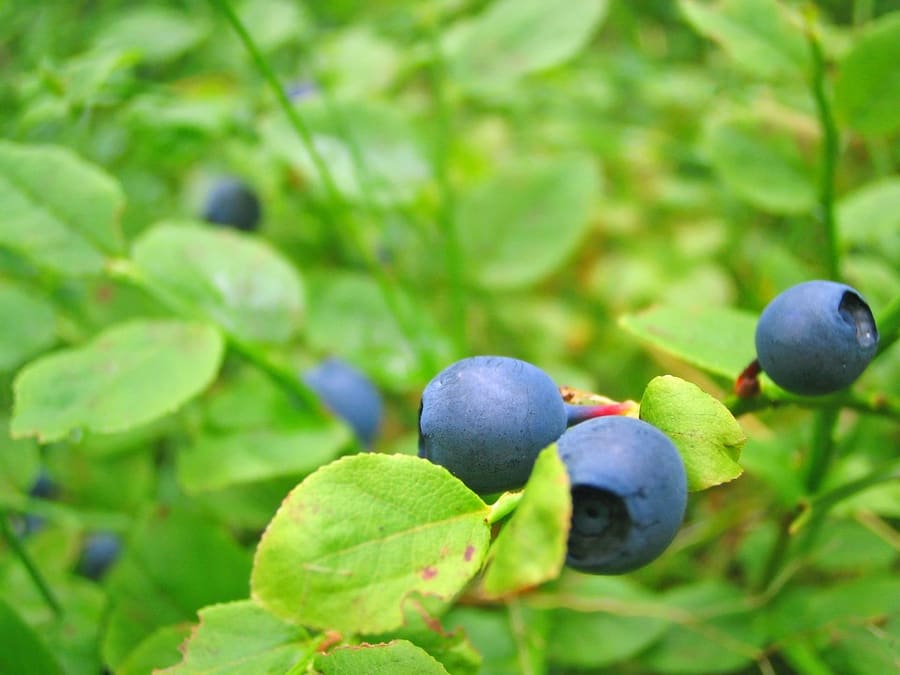 Bilberry (Vaccinium myrtillus)
Bilberry (Vaccinium myrtillus) has traditionally been used for conditions related to vision, and NCCIH says its anthocyanins and other substances may be of interest for further research. NCCIH says bilberry has not been clearly shown to help any health condition, and the most rigorous studies did not find that it improved night vision in healthy people. It is closely related to the blueberry.
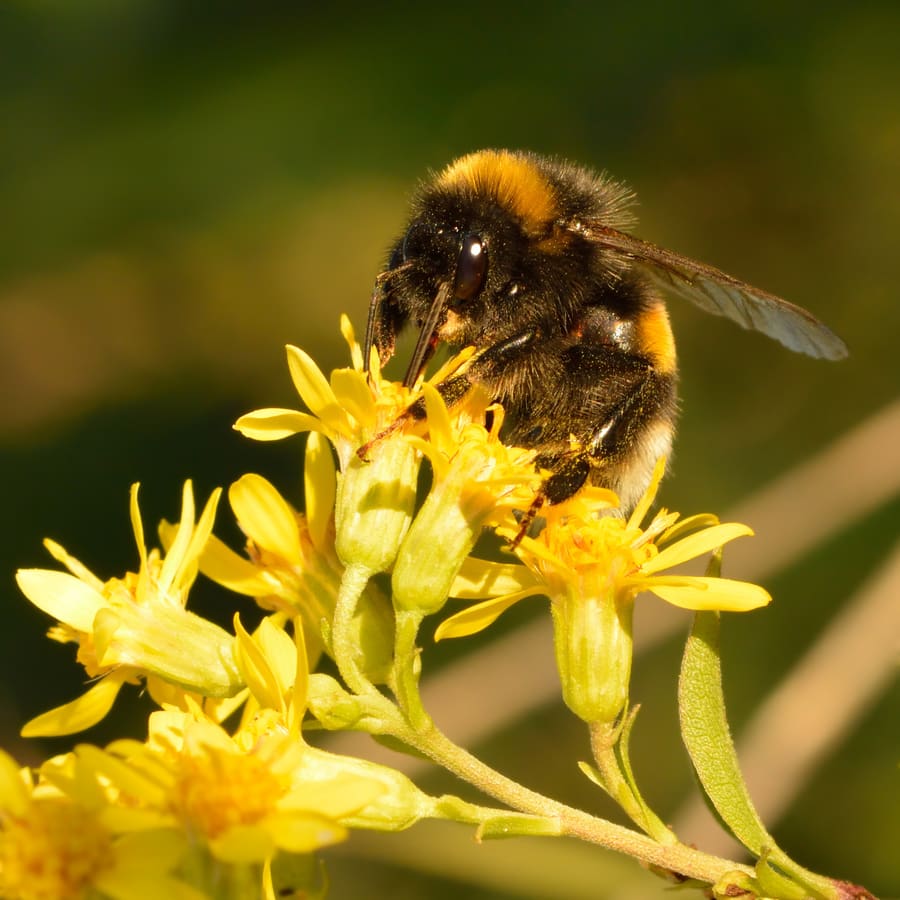 Goldenrod (Solidago virgaurea)
Goldenrod is a perennial plant growing to 28 inches with toothed leaves and branched spikes of golden-yellow flowers. Native to Europe and Asia and naturalized in North America, it prefers open areas and hillsides and is gathered in summer while in flower. The herbalist John Gerard commented wryly in 1597 about how goldenrod's value plummeted once it was discovered growing locally in Hampstead wood, London, noting society's tendency to esteem things only while they remain rare and foreign. Four hundred years later, this observation still rings true.
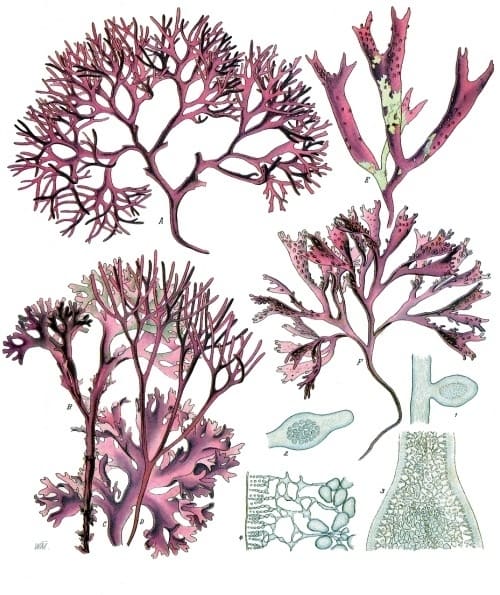 Irish Moss (Chondrus crispus)
Irish moss is a reddish-brown seaweed growing to 10 inches, with a flat, forked plant body and fan-shaped outline. Found on the Atlantic coasts of Europe and North America, it grows just below the waterline, attached to rocks and stones. In summer in North America and in autumn in Ireland, it is pulled up by hand or with a rake at low tide and dried in the sun. This seaweed is used extensively in the food and pharmaceutical industries as an emulsifying and binding agent, appearing in products such as toothpastes. Its polysaccharides become jelly-like when immersed in water, which makes it useful as a food ingredient.
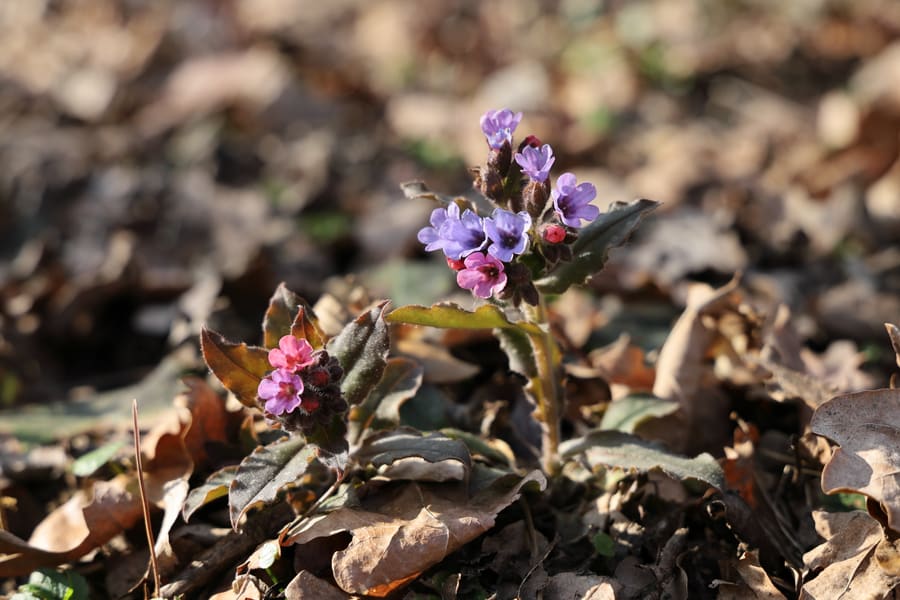 Lungwort (Pulmonaria officinalis)
Lungwort is a perennial herb growing to 1 foot with broad oval basal leaves, smaller upper leaves mottled with white spots, and clusters of pink-purple flowers. Native to Europe and the Caucasus, it flourishes in mountain pastures and damp sites. The leaves are gathered in late spring. According to the medieval Doctrine of Signatures, which held that a plant's appearance pointed to the ailment it treated, lungwort got its name because its leaves were said to resemble lung tissue. This folk belief is not scientifically founded.
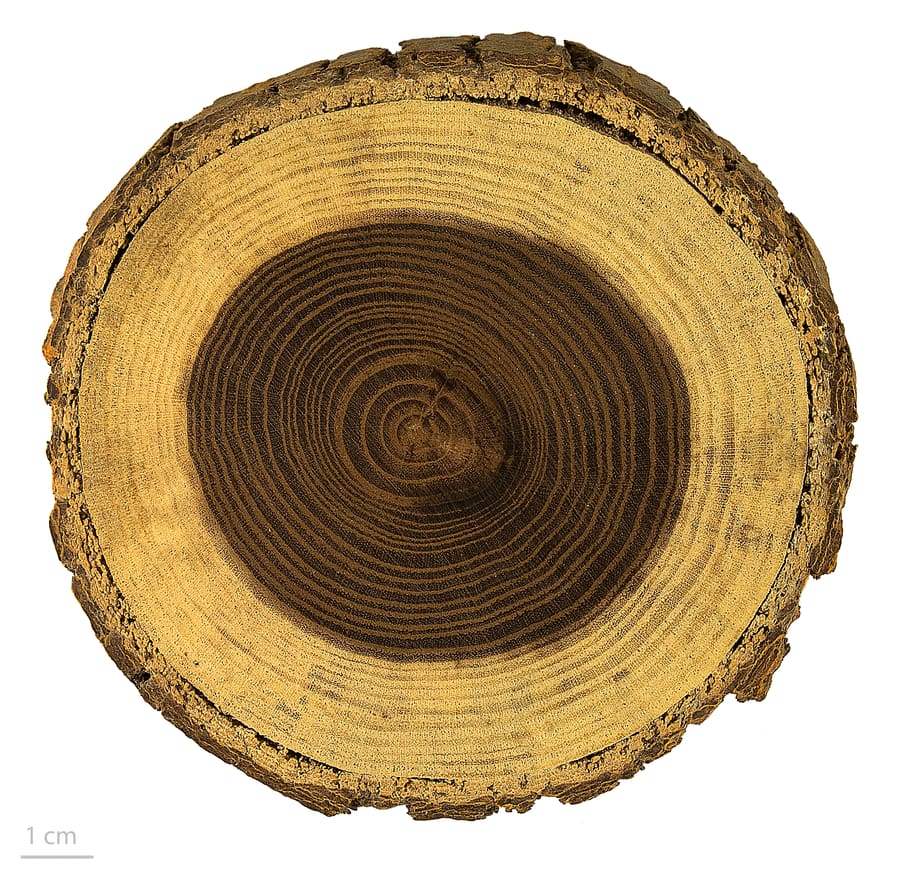 Mulberry Leaf (Morus alba)
White mulberry is a deciduous tree cultivated for over 5,000 years, primarily known as the preferred food source for silkworms. The leaves contain flavonoids along with vitamins A, B1, B2 and C.
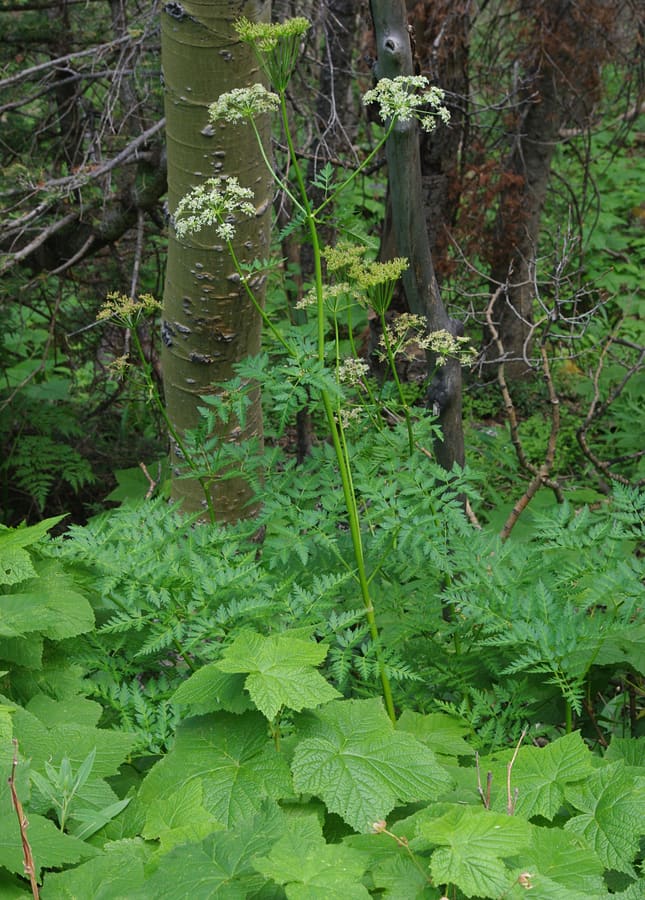 Osha (Ligusticum porteri)
Osha has been overharvested in the wild and is extremely difficult to cultivate. It is listed on the United Plant Savers at-risk list. Until wild populations stabilize, its use should be limited.