
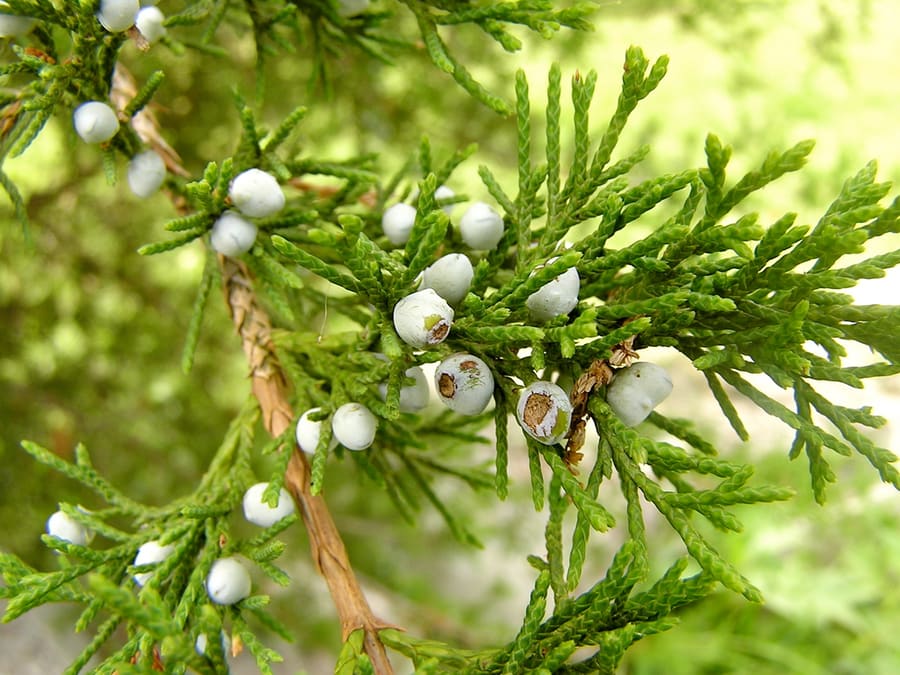
Juniper (Juniperus communis)
Photo: liz west from Boxborough, MA · CC BY 2.0
- Skeletal
- 2 conditions
- Licensed photo
Overview
Juniper (Juniperus communis) is a coniferous shrub or small tree that may reach about 49 ft (15 m). It bears needle-like leaves, male and female flowers, and spherical blue-black “berries” (actually seed cones) rich in potent volatile oils. Juniper berries have been used for centuries as a flavoring, notably in gin.
Safety & precautions
Pregnancy & Heavy Menstrual Bleeding: Juniper can stimulate uterine activity and increase bleeding. Kidney Disease: Avoid if dealing with kidney infections or chronic kidney conditions. Essential Oil: Potentially toxic if taken internally without professional supervision.
Educational reference only - not medical advice. Herbs can interact with medications. Consult a qualified healthcare provider before use. Full disclaimer.
Drug interactions
Interaction data is not available for this herb - talk to a pharmacist before combining it with any medication. A blank entry here means we have not documented interactions, not that none exist.
Habitat
Found across Europe, Asia, and North America, juniper grows in varied climates ranging from coastal to mountainous areas. Berries ripen over 1-3 years, typically harvested in autumn. Much of the commercial supply is gathered from wild stands.
Traditionally used for
Each condition shows its first 2 remedies free. Premium opens the full remedy list for every condition - or come back for the free Condition of the Day.
Frequently asked questions
What safety cautions apply to Juniper (Juniperus communis)?
Pregnancy & Heavy Menstrual Bleeding: Juniper can stimulate uterine activity and increase bleeding. Kidney Disease: Avoid if dealing with kidney infections or chronic kidney conditions. Essential Oil: Potentially toxic if taken internally without professional supervision.
Related herbs
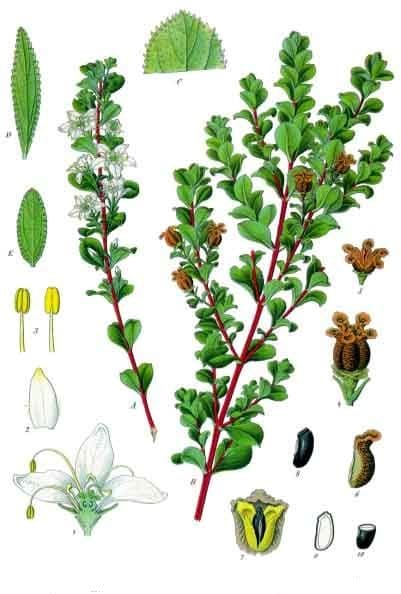 Buchu (Barosma betulina)
Buchu is a strongly aromatic, bushy shrub reaching about 6½ ft (2 m), with slightly leathery, dotted leaves that release a distinctive scent.
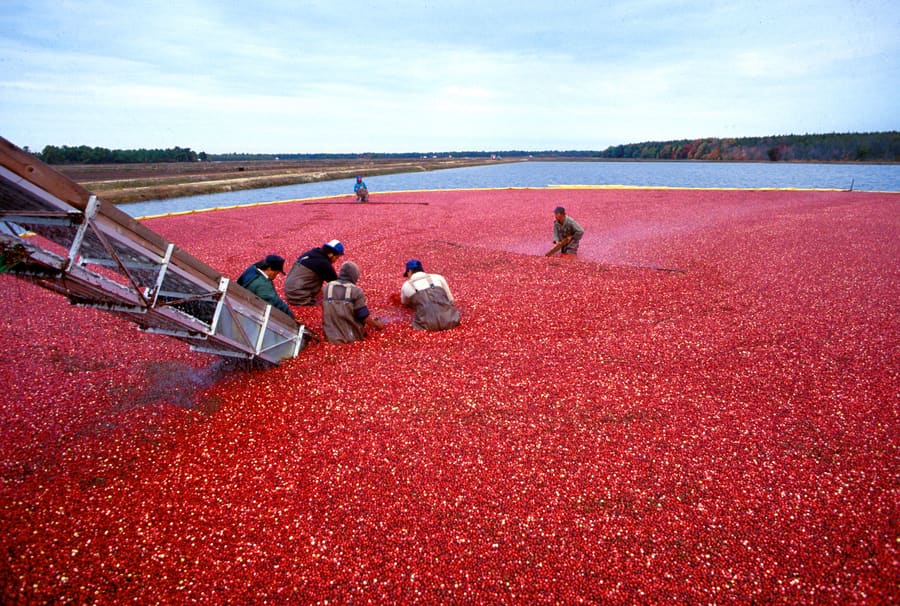 Cranberry (Vaccinium macrocarpon)
Cranberry (Vaccinium macrocarpon) is a small, low-lying evergreen shrub with dark green leaves, pink flowers, and bright red berries. Cranberries contain proanthocyanidins, which NCCIH says are thought to keep bacteria from sticking to the bladder wall. Cranberry juice or extracts are widely used to try to prevent urinary tract infections (UTIs); NCCIH says they may lower the risk of repeat UTIs in some women but are not recommended as a treatment for an existing UTI. MSK notes that the fruit and juice are rich in vitamin C.
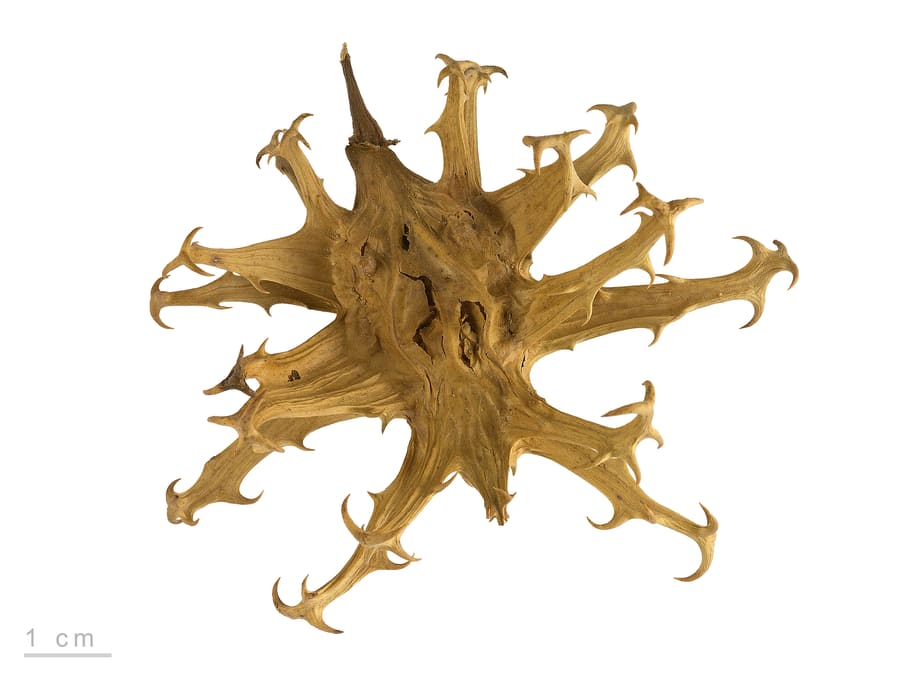 Devil's Claw (Harpagophytum procumbens)
Devil’s claw (Harpagophytum procumbens) is a trailing perennial native to southern Africa, named for its hooked, woody fruits. Its tuber has long been used in traditional medicine for pain, fever, and stomach complaints; MSK says no scientific evidence supports its use for digestive disorders. Today it is mostly taken for joint and back pain; MSK says small studies suggest it may help osteoarthritis of the hip or knee and back pain, but larger studies are needed.
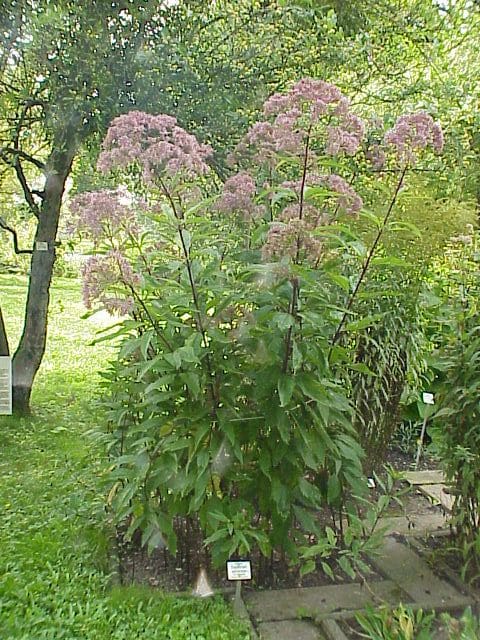 Gravel Root (Eupatorium purpureum)
Gravel root is an erect perennial growing to 5 feet with whorls of pointed oblong leaves and clusters of purple-pink florets. Native to eastern North America, the root is unearthed in autumn. The plant's alternative name, Joe Pye weed, honors a Native American named Joe Pye. The root was listed in the Pharmacopoeia of the United States from 1820 to 1842.
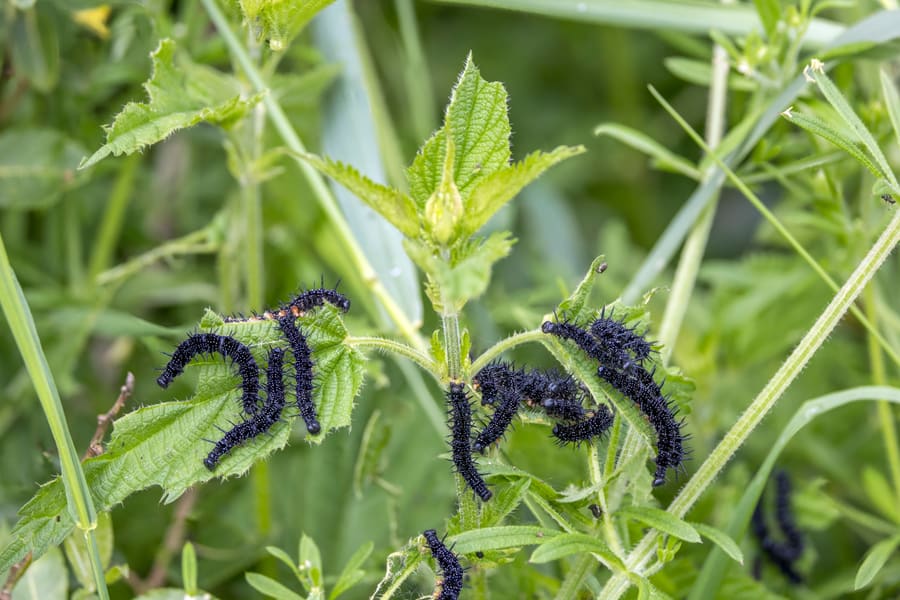 Nettle (Urtica dioica)
Stinging nettle (Urtica dioica) is a perennial growing up to about 5 ft (1.5 m), recognized by its lance-shaped, serrated leaves and tiny greenish flowers. Though capable of “stinging,” nettle leaves and seeds are rich in protein, minerals and vitamins.
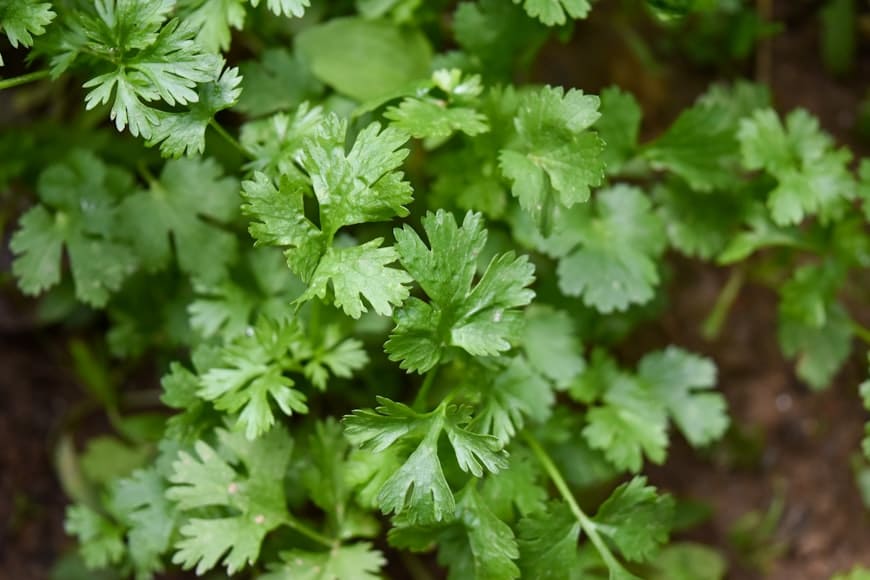 Parsley (Petroselinum crispum)
Parsley (Petroselinum crispum) is an annual or biennial herb up to about 1 ft (30 cm), with an erect stem, bright green compound leaves (plain or curly), and clusters of small white flowers. Parsley contains vitamins and minerals, such as vitamins A, C and E and iron, and is a staple culinary herb.
- Pipsissewa (Chimaphila umbellata)
Pipsissewa (Chimaphila umbellata) is an evergreen plant about 8 in (20 cm) tall, with glossy, wedge-shaped leaves and small, pinkish-white flowers in flat-topped clusters. It is a close relative of uva ursi.
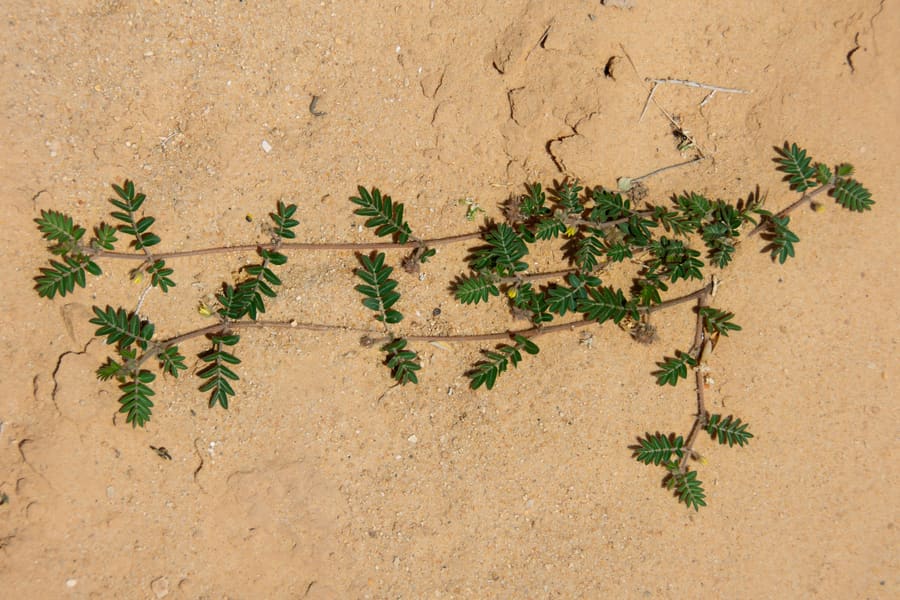 Tribulus (Tribulus terrestris)
The fruit of the plant is the primary medicinal part used.