
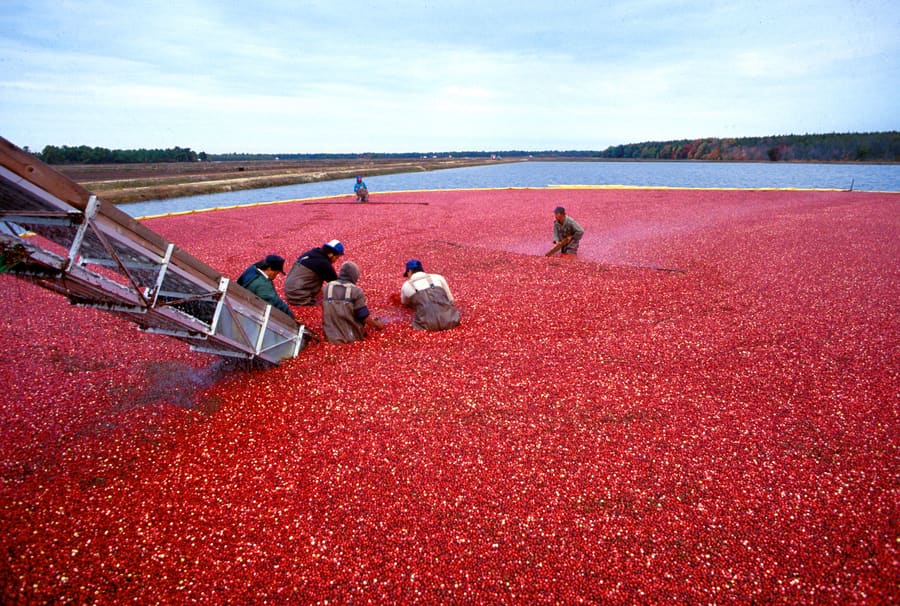
Cranberry (Vaccinium macrocarpon)
Photo: Keith Weller, USDA-ARS · Public domain
- Urinary
- 2 conditions
- Licensed photo
Overview
Cranberry (Vaccinium macrocarpon) is a small, low-lying evergreen shrub with dark green leaves, pink flowers, and bright red berries. Cranberries contain proanthocyanidins, which NCCIH says are thought to keep bacteria from sticking to the bladder wall. Cranberry juice or extracts are widely used to try to prevent urinary tract infections (UTIs); NCCIH says they may lower the risk of repeat UTIs in some women but are not recommended as a treatment for an existing UTI. MSK notes that the fruit and juice are rich in vitamin C.
Traditional uses & properties
Nutritive: Contains vitamin C. Urinary Tract Support: NCCIH says cranberry may lower the risk of repeat UTIs in women, although findings are inconsistent.
Safety & precautions
Kidney Disease: Seek professional advice if you have existing kidney issues, as cranberry’s acidity may be problematic in certain cases.
Educational reference only - not medical advice. Herbs can interact with medications. Consult a qualified healthcare provider before use. Full disclaimer.
Drug interactions
The most studied question is warfarin, and the evidence points in different directions. [1, 2]
- Warfarin
- NCCIH calls the evidence conflicting. MSK notes case reports of bleeding, including two deaths in older adults, and says cranberry use by people on warfarin should be watched by a health professional, if not avoided. A 2021 systematic review lists cranberry among foods and herbs linked to higher bleeding risk with warfarin. [1, 2, 3]
- Tacrolimus
- MSK describes a kidney transplant patient whose tacrolimus level fell too low while taking cranberry extract and recovered after stopping it. [2]
- Cyclosporine
- A randomized trial cited by MSK found cranberry juice had no clinically meaningful effect on cyclosporine. [2]
- Acid reducing medicines (PPIs and H2 blockers)
- LiverTox notes that cranberry juice or extract may lower blood levels and effects of these drugs. [4]
- Medicines broken down by gut or liver enzymes
- MSK reports that cranberry inhibits CYP3A activity in the gut and affects UGT enzymes in the laboratory. A CYP2C9 effect seen in the laboratory did not appear in people. [2]
How to read this section: each entry is HerbMate's summary of what the cited sources report. Words such as "may", "theoretical" or "in laboratory or animal studies" mean the effect has not been confirmed in people, and "case report" means it was seen in one or a few patients. A medicine that is not listed here has not been shown to be safe with this herb. The numbers in brackets link to the sources at the foot of the page.
Habitat
Native to eastern North America and parts of northern Asia, cranberry thrives in acidic, boggy soils. Commercial production is large-scale in the northeastern U.S. and Canada. The berries are harvested in late fall.
Sources
The interaction notes and the statements on this page that name a source were written by HerbMate from these references, which were last checked in October 2026. They are summaries, not medical advice; ask a pharmacist about your own medicines.
Traditionally used for
Each condition shows its first 2 remedies free. Premium opens the full remedy list for every condition - or come back for the free Condition of the Day.
Frequently asked questions
What is Cranberry (Vaccinium macrocarpon) traditionally used for?
Traditional sources describe Cranberry (Vaccinium macrocarpon) as follows: Nutritive: Contains vitamin C. Urinary Tract Support: NCCIH says cranberry may lower the risk of repeat UTIs in women, although findings are inconsistent.
What safety cautions apply to Cranberry (Vaccinium macrocarpon)?
Kidney Disease: Seek professional advice if you have existing kidney issues, as cranberry’s acidity may be problematic in certain cases.
Related herbs
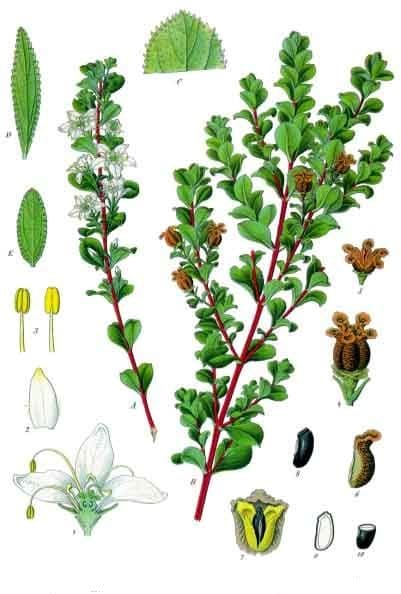 Buchu (Barosma betulina)
Buchu is a strongly aromatic, bushy shrub reaching about 6½ ft (2 m), with slightly leathery, dotted leaves that release a distinctive scent.
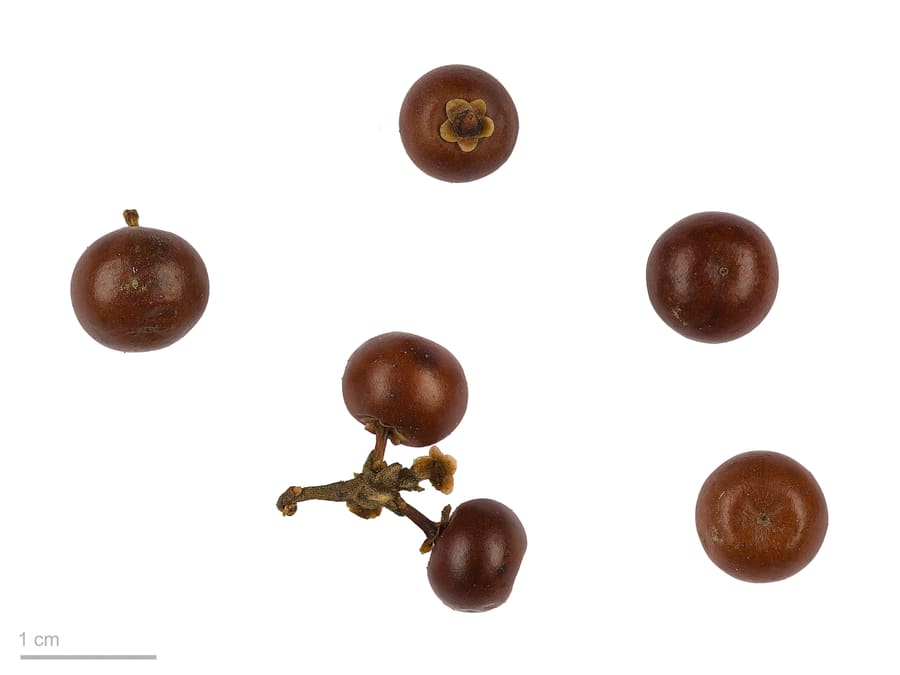 Uva Ursi (Arctostaphylos uva-ursi)Not for self-dosing
Uva-ursi is a low-lying evergreen shrub growing to 20 inches tall with long trailing stems, dark green leaves that are glossy on the upper side, bell-shaped pink flowers, and small glossy red berries. The name means 'bear's grape' in Latin, as bears are fond of the fruit. Native to Europe and naturalized throughout the northern hemisphere up to the Arctic, it grows in damp undergrowth, heathland, and grassland conditions. The plant was first documented in The Physicians of Myddfai, a 13th-century Welsh herbal text.
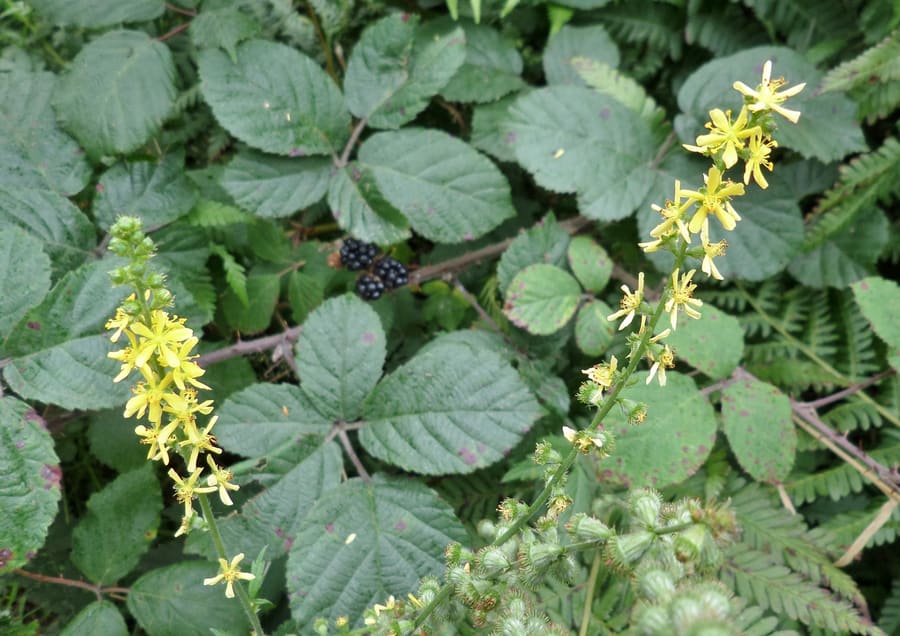 Agrimony (agrimonia eupatoria)
Agrimony is an erect, slightly aromatic perennial that grows to around 3 ft (1 m). It has paired leaves that are green above and silvery-green beneath, and it bears small, bright yellow, five-petaled flowers arranged on slender spikes.
 Boldo (Peumus boldus)Not for self-dosing
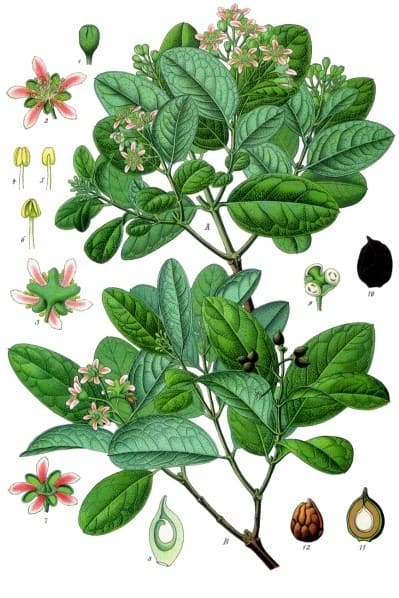
Boldo is a strongly aromatic multi-branched evergreen shrub or tree growing to 20 feet. It has egg-shaped leathery leaves with a lemony scent, clusters of white or yellow bell-shaped flowers, and small yellow berries. Native to Chile and Peru, it has become naturalized in the Mediterranean region and the West Coast of North America, where it grows on dry sunny slopes and in mountain pastures in the Andes. It is widely cultivated, and its leaves are gathered throughout the year.
 Cleavers (Galium aparine)
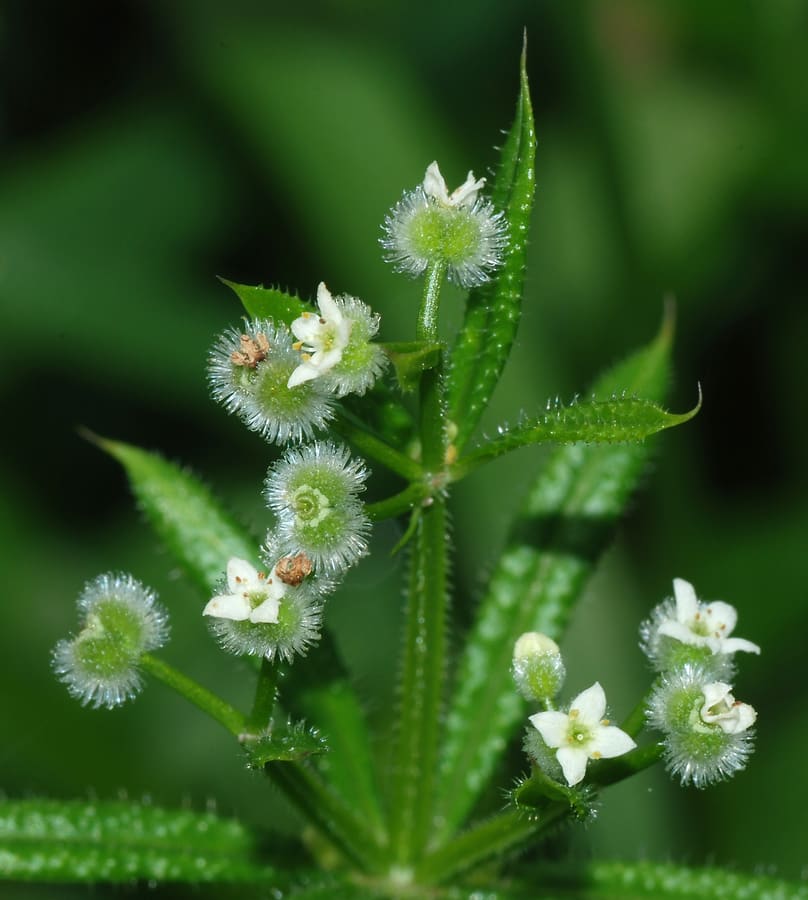
Cleavers is a straggling, square-stemmed annual growing to 4 feet with whorls of lance-shaped leaves, clusters of small white flowers, and small round green fruits covered with hooked prickles. The name refers to the plant's ability to cling (or cleave) to fur or clothing. Common throughout Europe and North America and found in many other temperate regions including Australia, it grows prolifically in gardens and along roadsides. The Greek physician Dioscorides in the 1st century CE noted that shepherds used the stems to make sieves for straining milk.
 Couch Grass (Elymus repens)
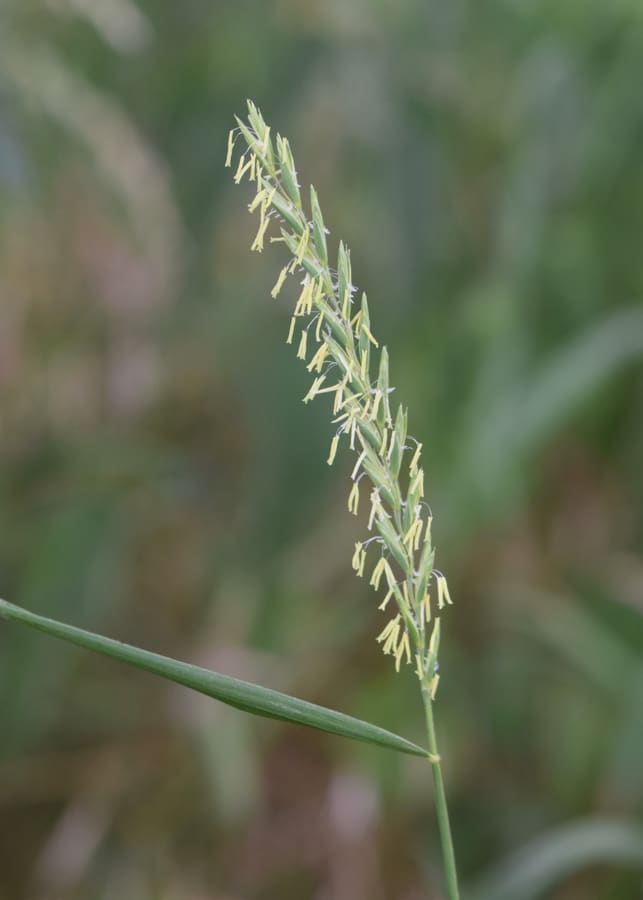
Couch grass is a vigorous perennial growing to 32 inches with a long, creeping rhizome, slender leaves, and erect spikes bearing green flowers aligned in two rows. Found in Europe, the Americas, northern Asia, and Australia, it is an invasive weed harvested throughout the year. In times of famine, the root was roasted and ground as a substitute for coffee and flour.
 Goldenrod (Solidago virgaurea)
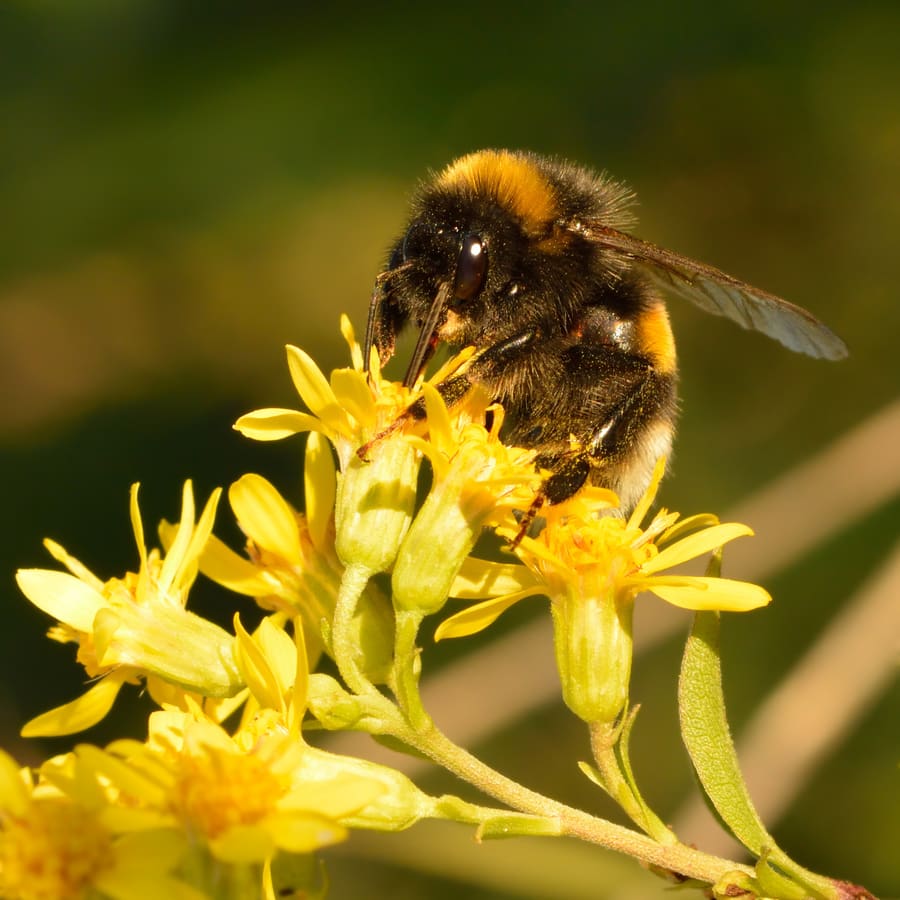
Goldenrod is a perennial plant growing to 28 inches with toothed leaves and branched spikes of golden-yellow flowers. Native to Europe and Asia and naturalized in North America, it prefers open areas and hillsides and is gathered in summer while in flower. The herbalist John Gerard commented wryly in 1597 about how goldenrod's value plummeted once it was discovered growing locally in Hampstead wood, London, noting society's tendency to esteem things only while they remain rare and foreign. Four hundred years later, this observation still rings true.
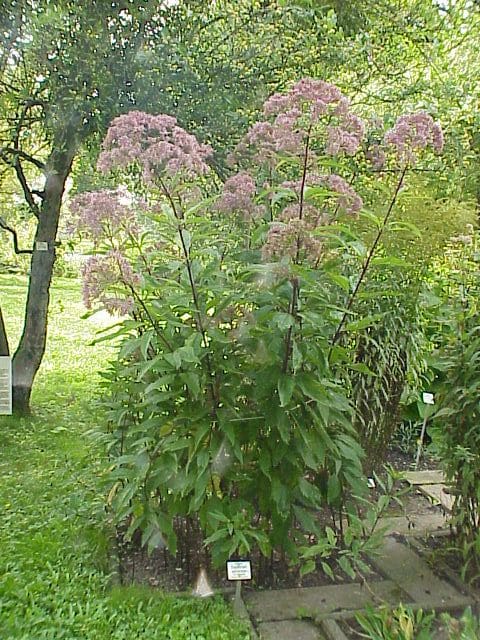 Gravel Root (Eupatorium purpureum)
Gravel root is an erect perennial growing to 5 feet with whorls of pointed oblong leaves and clusters of purple-pink florets. Native to eastern North America, the root is unearthed in autumn. The plant's alternative name, Joe Pye weed, honors a Native American named Joe Pye. The root was listed in the Pharmacopoeia of the United States from 1820 to 1842.