
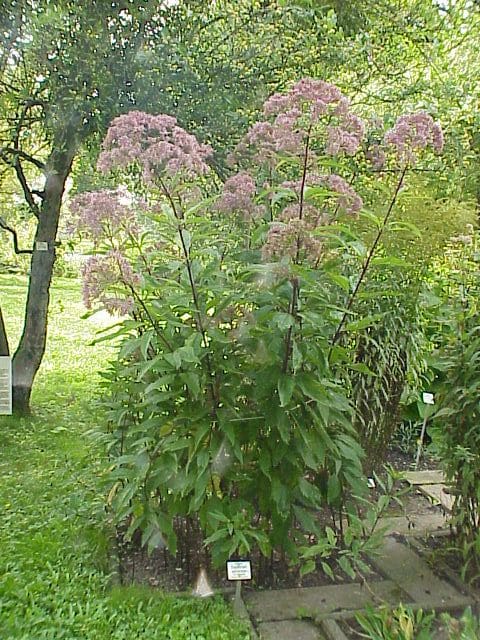
Gravel Root (Eupatorium purpureum)
Photo: Wikimedia Commons · CC BY-SA 3.0
- Male Reproductive
- 6 conditions
- Licensed photo
Overview
Gravel root is an erect perennial growing to 5 feet with whorls of pointed oblong leaves and clusters of purple-pink florets. Native to eastern North America, the root is unearthed in autumn. The plant's alternative name, Joe Pye weed, honors a Native American named Joe Pye. The root was listed in the Pharmacopoeia of the United States from 1820 to 1842.
Safety & precautions
Contains pyrrolizidine alkaloids. Not recommended for long-term use or for pregnant or nursing women due to potential liver toxicity from pyrrolizidine alkaloids. Use only for short-term treatment under professional guidance.
Educational reference only - not medical advice. Herbs can interact with medications. Consult a qualified healthcare provider before use. Full disclaimer.
Drug interactions
Interaction data is not available for this herb - talk to a pharmacist before combining it with any medication. A blank entry here means we have not documented interactions, not that none exist.
Habitat
Native to eastern North America. The root is unearthed in autumn.
Traditionally used for
- Prostate Health6 herbs · 2 free
- Gout6 herbs · 2 free
- Rheumatism9 herbs · 2 free
- Cystitis12 herbs · 2 free
- Kidney Stones9 herbs · 2 free
- Urethritis7 herbs · 2 free
Each condition shows its first 2 remedies free. Premium opens the full remedy list for every condition - or come back for the free Condition of the Day.
Frequently asked questions
What safety cautions apply to Gravel Root (Eupatorium purpureum)?
Contains pyrrolizidine alkaloids. Not recommended for long-term use or for pregnant or nursing women due to potential liver toxicity from pyrrolizidine alkaloids. Use only for short-term treatment under professional guidance.
Related herbs
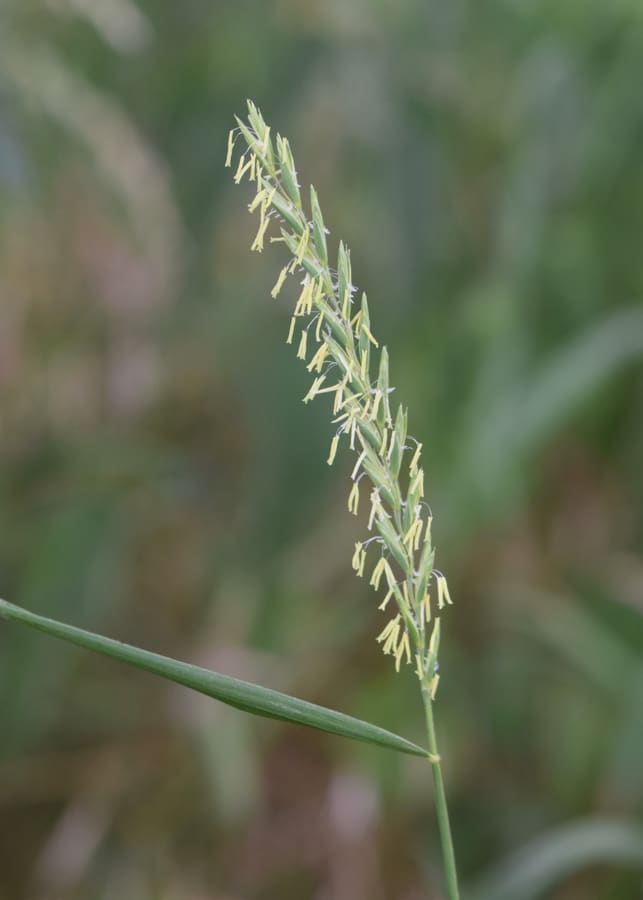 Couch Grass (Elymus repens)
Couch grass is a vigorous perennial growing to 32 inches with a long, creeping rhizome, slender leaves, and erect spikes bearing green flowers aligned in two rows. Found in Europe, the Americas, northern Asia, and Australia, it is an invasive weed harvested throughout the year. In times of famine, the root was roasted and ground as a substitute for coffee and flour.
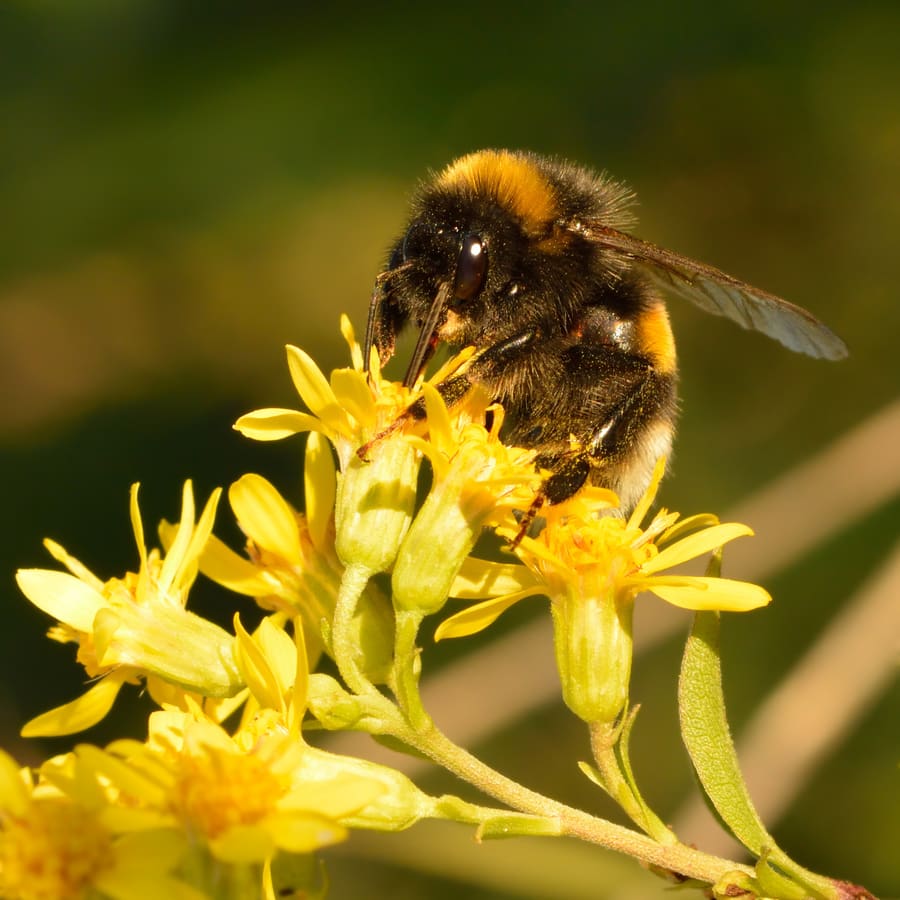 Goldenrod (Solidago virgaurea)
Goldenrod is a perennial plant growing to 28 inches with toothed leaves and branched spikes of golden-yellow flowers. Native to Europe and Asia and naturalized in North America, it prefers open areas and hillsides and is gathered in summer while in flower. The herbalist John Gerard commented wryly in 1597 about how goldenrod's value plummeted once it was discovered growing locally in Hampstead wood, London, noting society's tendency to esteem things only while they remain rare and foreign. Four hundred years later, this observation still rings true.
- Pipsissewa (Chimaphila umbellata)
Pipsissewa (Chimaphila umbellata) is an evergreen plant about 8 in (20 cm) tall, with glossy, wedge-shaped leaves and small, pinkish-white flowers in flat-topped clusters. It is a close relative of uva ursi.
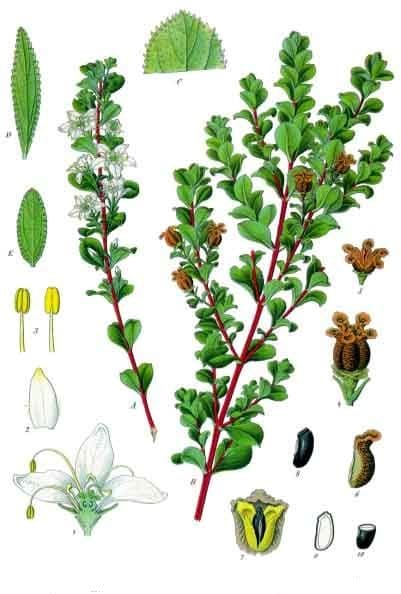 Buchu (Barosma betulina)
Buchu is a strongly aromatic, bushy shrub reaching about 6½ ft (2 m), with slightly leathery, dotted leaves that release a distinctive scent.
 Cleavers (Galium aparine)
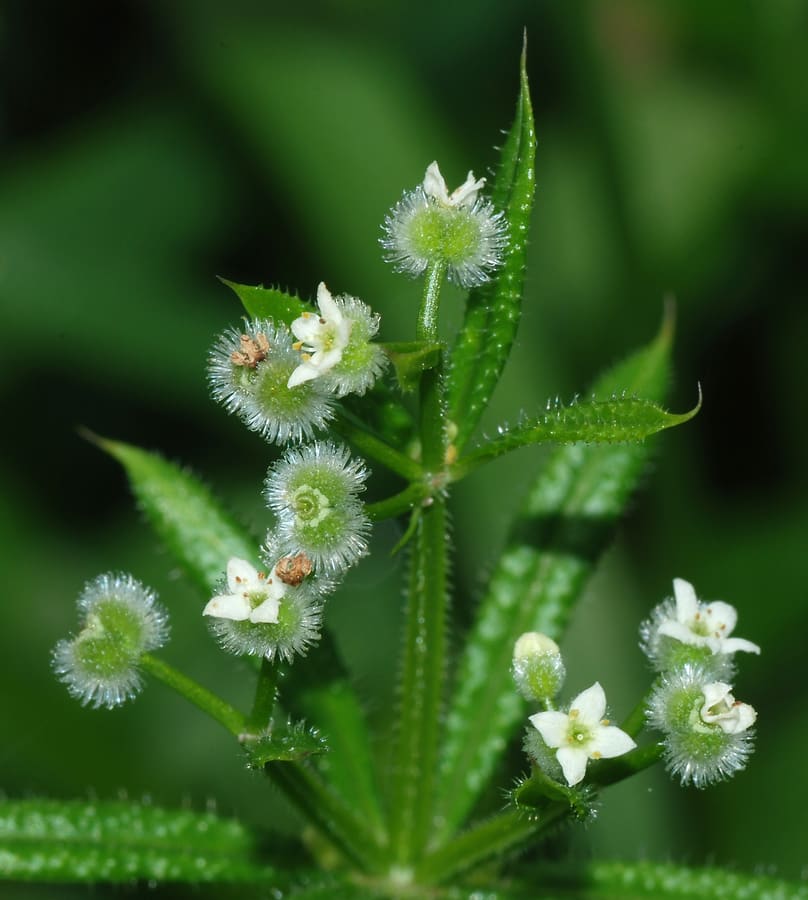
Cleavers is a straggling, square-stemmed annual growing to 4 feet with whorls of lance-shaped leaves, clusters of small white flowers, and small round green fruits covered with hooked prickles. The name refers to the plant's ability to cling (or cleave) to fur or clothing. Common throughout Europe and North America and found in many other temperate regions including Australia, it grows prolifically in gardens and along roadsides. The Greek physician Dioscorides in the 1st century CE noted that shepherds used the stems to make sieves for straining milk.
 Devil's Claw (Harpagophytum procumbens)
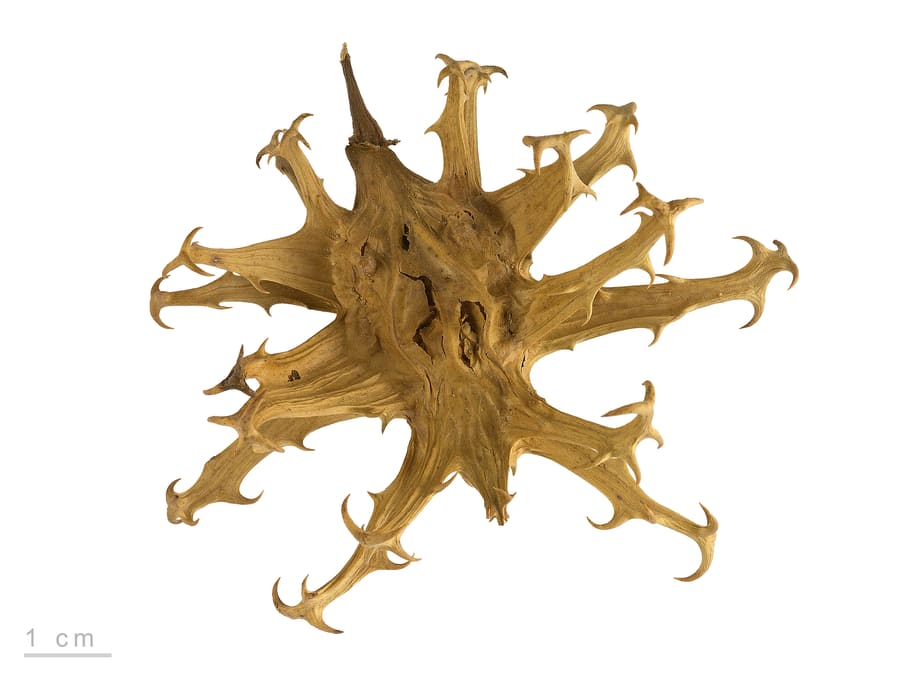
Devil’s claw (Harpagophytum procumbens) is a trailing perennial native to southern Africa, named for its hooked, woody fruits. Its tuber has long been used in traditional medicine for pain, fever, and stomach complaints; MSK says no scientific evidence supports its use for digestive disorders. Today it is mostly taken for joint and back pain; MSK says small studies suggest it may help osteoarthritis of the hip or knee and back pain, but larger studies are needed.
 Marshmallow (Althaea officinalis)
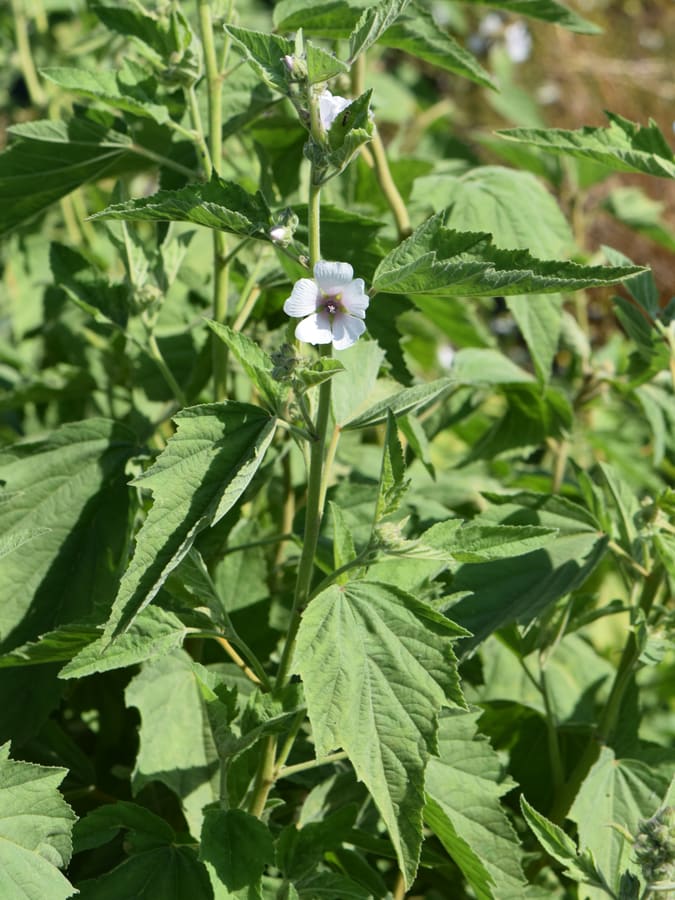
Marshmallow (Althaea officinalis) is a downy perennial up to about 7 ft (2.2 m), with thick white roots, heart-shaped leaves, and pink flowers. It is known for its high mucilage content.
 Nettle (Urtica dioica)
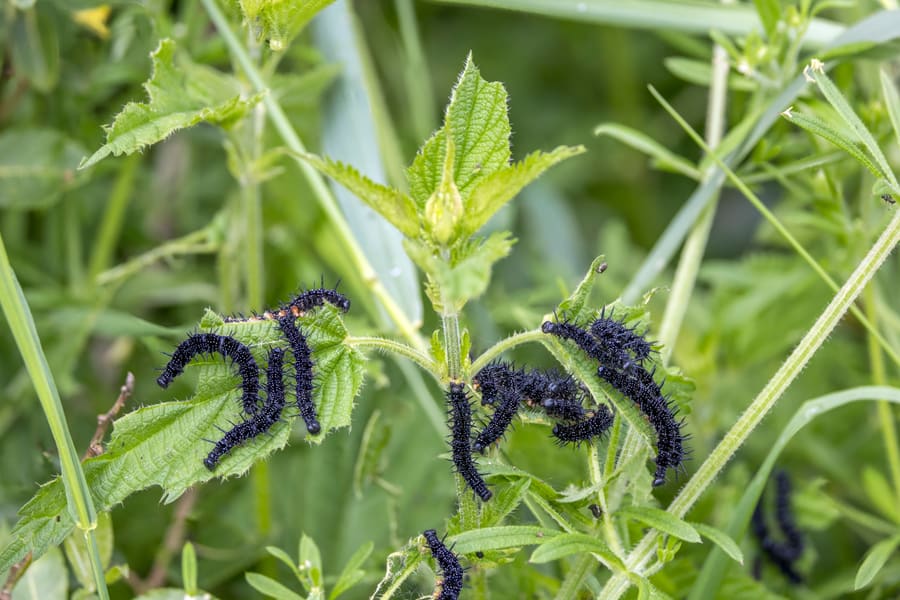
Stinging nettle (Urtica dioica) is a perennial growing up to about 5 ft (1.5 m), recognized by its lance-shaped, serrated leaves and tiny greenish flowers. Though capable of “stinging,” nettle leaves and seeds are rich in protein, minerals and vitamins.