
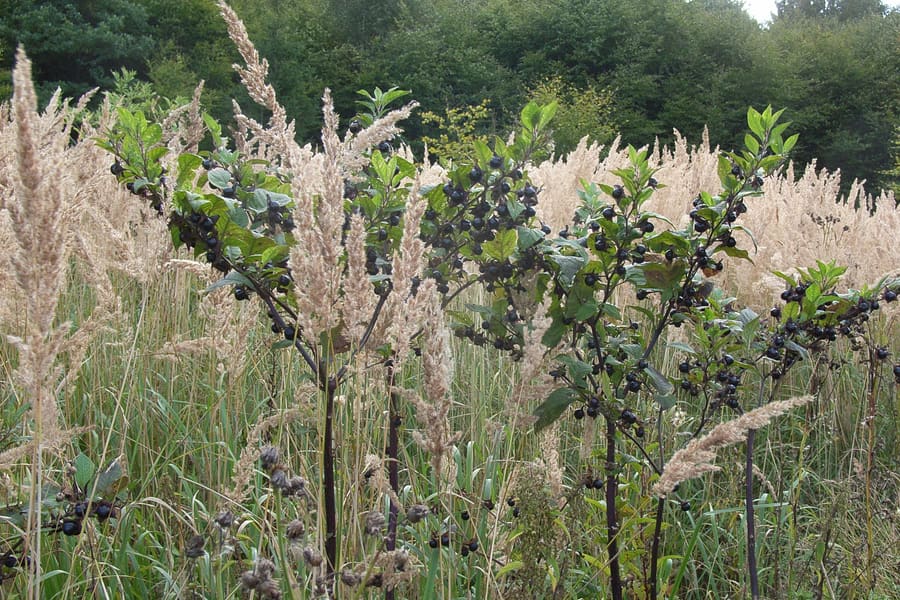
Deadly Nightshade (Atropa belladonna)
Photo: Elmar Hinz · CC BY-SA 3.0
- Digestive
- 1 condition
- Licensed photo
Overview
Deadly nightshade (Atropa belladonna), also known as belladonna, is a perennial plant reaching about 5 ft (1.5 m), characterized by large leaves and black, berry-like fruits. Renowned for its toxic nature, deadly nightshade contains tropane alkaloids such as atropine and hyoscyamine.
Traditional uses & properties
Historical & Folkloric Uses: Known as “belladonna” (“beautiful woman”), once used to dilate pupils for cosmetic effect, and tied to witchcraft legends.
Amounts reported by sources
Preparation amounts are not shown for this herb. It is toxic, restricted, or otherwise unsafe to self-dose - the margin between a traditional dose and a harmful one is too small to publish as reference material. If you are considering it, that conversation belongs with a doctor or a qualified practitioner, not a website.
Safety & precautions
Highly Toxic: Fatal if misused. Only use under the direct care of a qualified medical practitioner. Strong Alkaloids: Atropine and related compounds can cause severe side effects, including dry mouth, tachycardia, hallucinations, and more.
Educational reference only - not medical advice. Herbs can interact with medications. Consult a qualified healthcare provider before use. Full disclaimer.
Drug interactions
Interaction data is not available for this herb - talk to a pharmacist before combining it with any medication. A blank entry here means we have not documented interactions, not that none exist.
Habitat
Native to Europe, western Asia, and northern Africa, deadly nightshade thrives in chalky soils, woodlands, and open ground, and has now been introduced worldwide. Leaves are harvested in summer, and the root in autumn (from the plant’s first year onward).
Traditionally used for
Each condition shows its first 2 remedies free. Premium opens the full remedy list for every condition - or come back for the free Condition of the Day.
Frequently asked questions
What is Deadly Nightshade (Atropa belladonna) traditionally used for?
Traditional sources describe Deadly Nightshade (Atropa belladonna) as follows: Historical & Folkloric Uses: Known as “belladonna” (“beautiful woman”), once used to dilate pupils for cosmetic effect, and tied to witchcraft legends.
How is Deadly Nightshade (Atropa belladonna) prepared?
Preparation amounts are not shown for this herb. It is toxic, restricted, or otherwise unsafe to self-dose - the margin between a traditional dose and a harmful one is too small to publish as reference material. If you are considering it, that conversation belongs with a doctor or a qualified practitioner, not a website.
What safety cautions apply to Deadly Nightshade (Atropa belladonna)?
Highly Toxic: Fatal if misused. Only use under the direct care of a qualified medical practitioner. Strong Alkaloids: Atropine and related compounds can cause severe side effects, including dry mouth, tachycardia, hallucinations, and more.
Related herbs
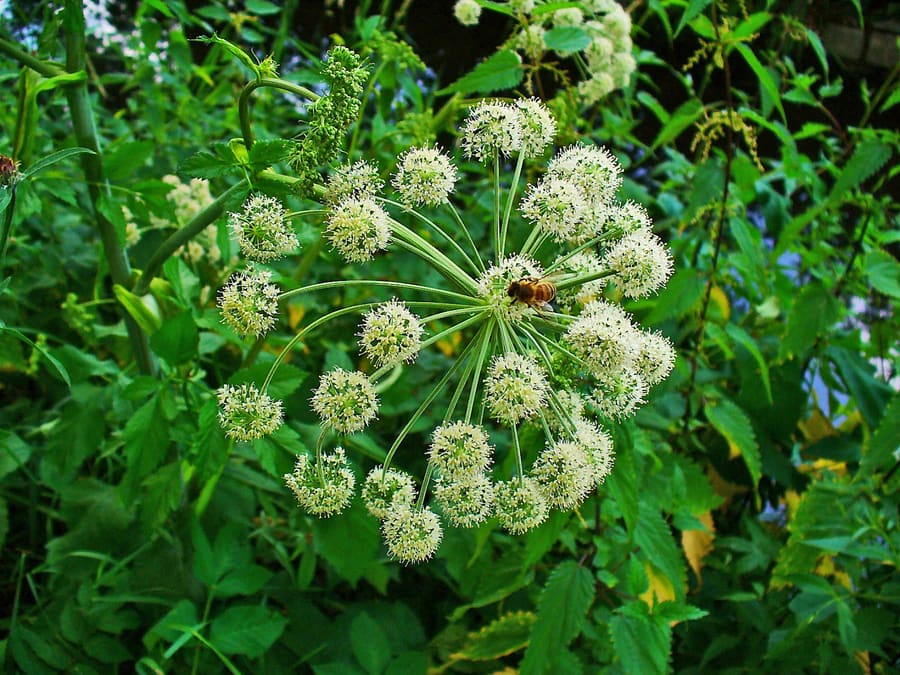 Angelica (angelica archangelica)
Angelica (Angelica archangelica) is a large, aromatic biennial herb growing up to about 6½ ft (2 m), with ridged hollow stems, bright green divided leaves, and greenish-white flowers arranged in umbrella-like clusters (umbels).
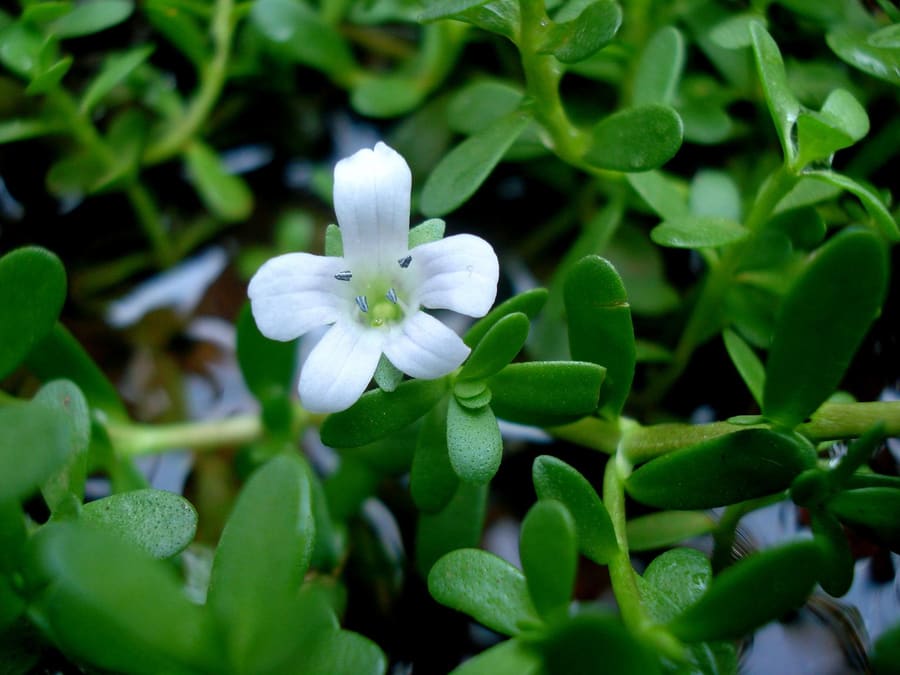 Bacopa (Bacopa monnieri)
Bacopa, also known as Water Hyssop or Brahmi, is a creeping succulent perennial that can grow to about 20 inches. It features spatula-shaped fleshy leaves and pale blue or white flowers on slender stalks. It thrives in marshlands and along the edges of mangrove swamps in warmer temperate and tropical climates, especially southern Asia, where it forms dense mats on mudflats.
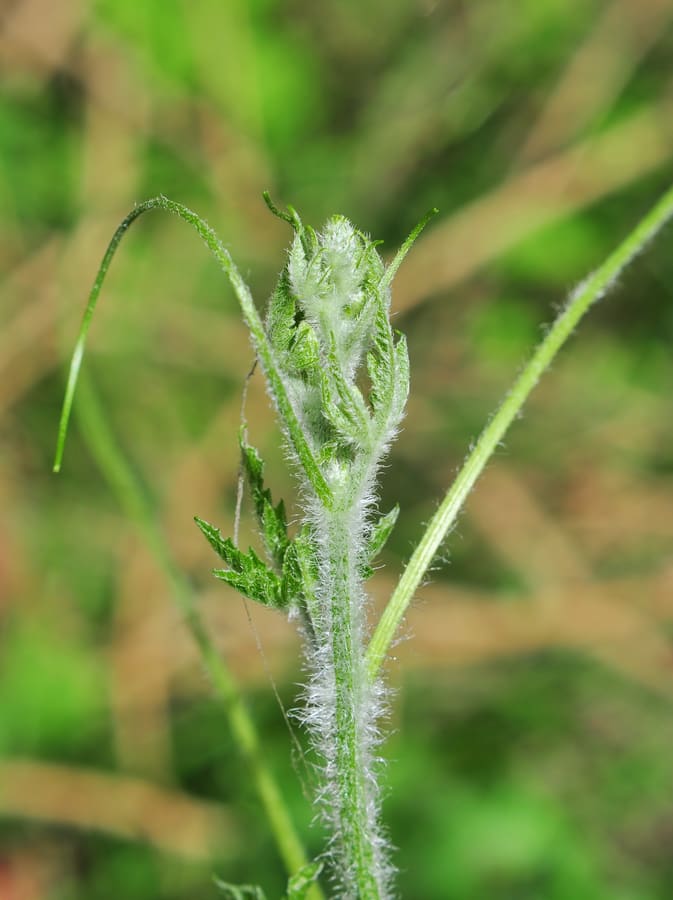 Bitter Melon (Momordica charantia)
Bitter melon is an annual climbing vine reaching about 6.5 feet, characterized by deeply lobed leaves, yellow flowers, and distinctive orange-yellow fruit. Native to southern Asia and now common throughout tropical regions worldwide, it is harvested year-round. Its edible fruit is used both as food and in medicine to treat diabetes in regions including Asia, East Africa and the Caribbean; MSK says data on whether it lowers blood sugar are limited.
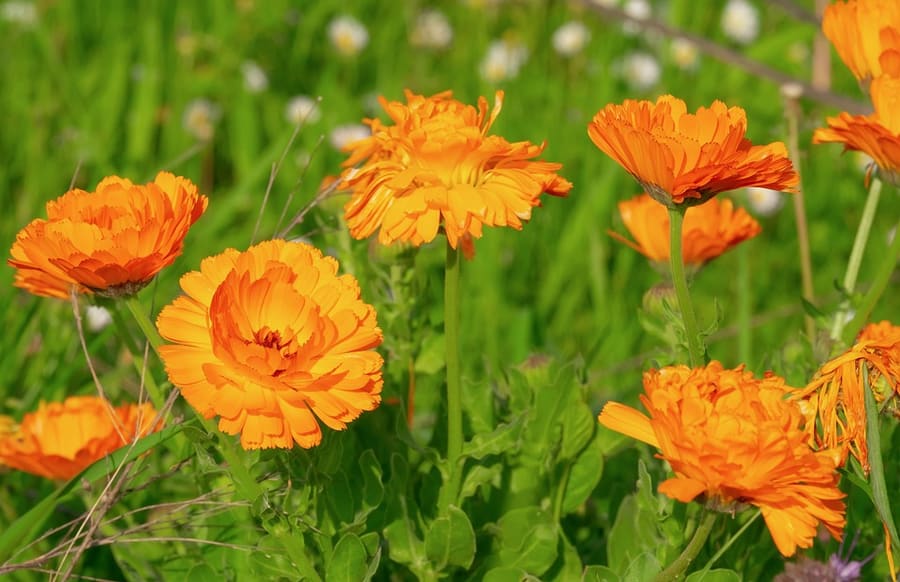 Calendula (Calendula officinalis)
Calendula (Calendula officinalis) has bright orange daisy-like flowers.
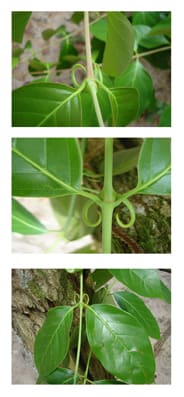 Cat's Claw (Uncaria tomentosa)
Cat's claw is a climbing vine that can grow to 100 feet or more, with stems up to 8 inches in diameter, large glossy leaves, and sharp hooks resembling a cat's claws. Native to tropical rainforests in the central and eastern Andes, especially Peru, Ecuador, and Colombia, it has also been found in Guatemala, Costa Rica, and Panama. Indigenous people of the Amazon rainforest have used cat's claw for centuries to ward off disease, and NCCIH says it is promoted today for osteoarthritis, rheumatoid arthritis, cancer and viral infections. NCCIH says there is no conclusive evidence from studies in people to support cat's claw for any health purpose. By the early 1990s, over-collection from the wild threatened the species' survival; only sustainably sourced stem bark should be used, rather than root bark.
- Corydalis (Corydalis yanhusuo)
Corydalis is a small herbaceous perennial growing to 8 inches with narrow leaves and pink flowers. Native to Siberia, northern China, and Japan, it is commonly cultivated in eastern and northeastern parts of China. Propagated from seed in early spring or autumn, the rhizome is harvested in late spring and early summer when the aerial parts have withered. It has been part of Chinese herbal medicine since at least the 8th century.
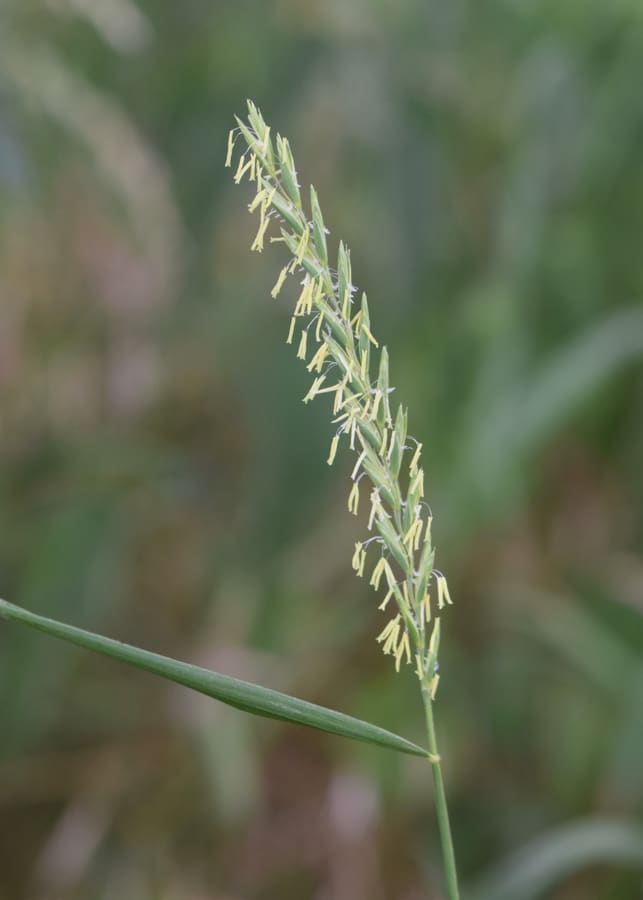 Couch Grass (Elymus repens)
Couch grass is a vigorous perennial growing to 32 inches with a long, creeping rhizome, slender leaves, and erect spikes bearing green flowers aligned in two rows. Found in Europe, the Americas, northern Asia, and Australia, it is an invasive weed harvested throughout the year. In times of famine, the root was roasted and ground as a substitute for coffee and flour.
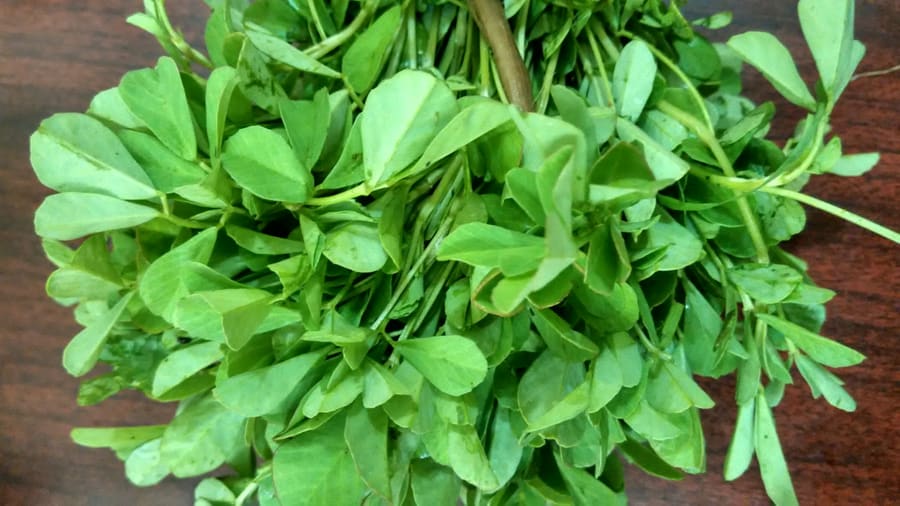 Fenugreek (Trigonella foenum-graecum)
Fenugreek is much used in herbal medicine in North Africa, the Middle East, and India. Its seeds have been used to increase breast-milk production; NCCIH says studies of this use have had mixed results. Fenugreek is also thought to be antidiabetic, although NCCIH says there is not enough high-quality evidence to know whether it helps diabetes.