
Herb comparison
Ashwagandha (Withania somnifera) vs Siberian Ginseng (Eleutherococcus senticosus)
Both plants are listed as traditional remedies for 1 of the same condition, which is why they are easy to confuse. Their descriptions and full safety notes are below, free.
- About
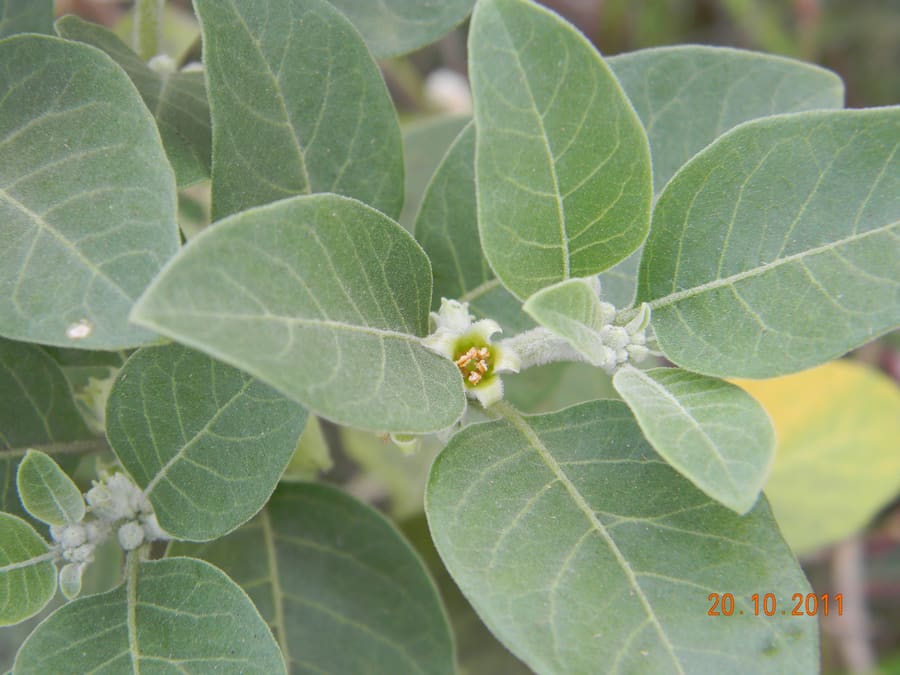
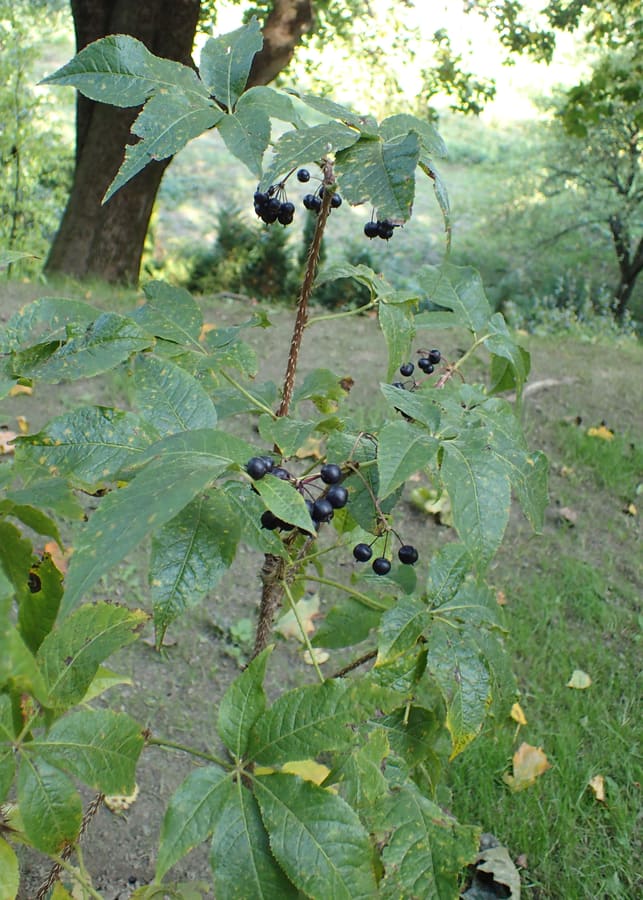
- Ashwagandha (Withania somnifera), sometimes called “Indian ginseng,” is a sturdy shrub growing to about 5 ft (1.5 m) with oval leaves, greenish or yellow flowers, and small, round fruits. NCCIH says some preparations may help insomnia and stress, but there isn't enough evidence to know whether it helps most other conditions.Siberian ginseng (Eleutherococcus senticosus), also called Eleuthero, is a deciduous, hardy shrub reaching up to about 10 ft (3 m). It features 3-7 toothed leaflets per stem and spiny branches. Regarded as an adaptogen, Siberian ginseng has been used traditionally as an adaptogen, performance enhancer and immunostimulant; MSK says studies in humans are quite limited.
- Safety & precautions
- Liver: Liver injury linked to ashwagandha supplements is rare but has been reported (NCCIH), and LiverTox places it in its likely-cause category (B). Stop and seek advice if you notice yellowing skin or eyes, dark urine or itching. Pregnancy & Breastfeeding: NCCIH says to avoid it during pregnancy and not to use it while breastfeeding. Thyroid: ODS notes it might affect thyroid function. Nightshade Sensitivity: This herb can cause adverse reactions in those sensitive to the nightshade family. Digestive Sensitivities: Some individuals may find it hard to digest ashwagandha.Duration: Do not take it long term without professional advice. Caffeine: Avoid combining with caffeinated products, as overstimulation may occur. Possible Side Effects: Exceeding the recommended dose can lead to irritability or insomnia. Medicines & Breastfeeding: MSK says it can increase the risk of side effects from digoxin, and advises avoiding it while breastfeeding.
Safety text above is printed in full and is never abbreviated. For each plant’s complete precautions, drug and food interactions and preparation notes, open its own page - both are free.
Conditions that list both
Related comparisons
- Ashwagandha (Withania somnifera) vs Bacopa (Bacopa monnieri)
- Ashwagandha (Withania somnifera) vs Basil
- Ashwagandha (Withania somnifera) vs California Poppy (Eschscholzia californica)
- Ashwagandha (Withania somnifera) vs Jasmine (Jasminum grandiflorum)
- Ashwagandha (Withania somnifera) vs Kava (Piper methysticum)
- Ashwagandha (Withania somnifera) vs Licorice