
Herb comparison
Ashwagandha (Withania somnifera) vs Licorice
Both plants are listed as traditional remedies for 2 of the same conditions, which is why they are easy to confuse. Their descriptions and full safety notes are below, free.

- About
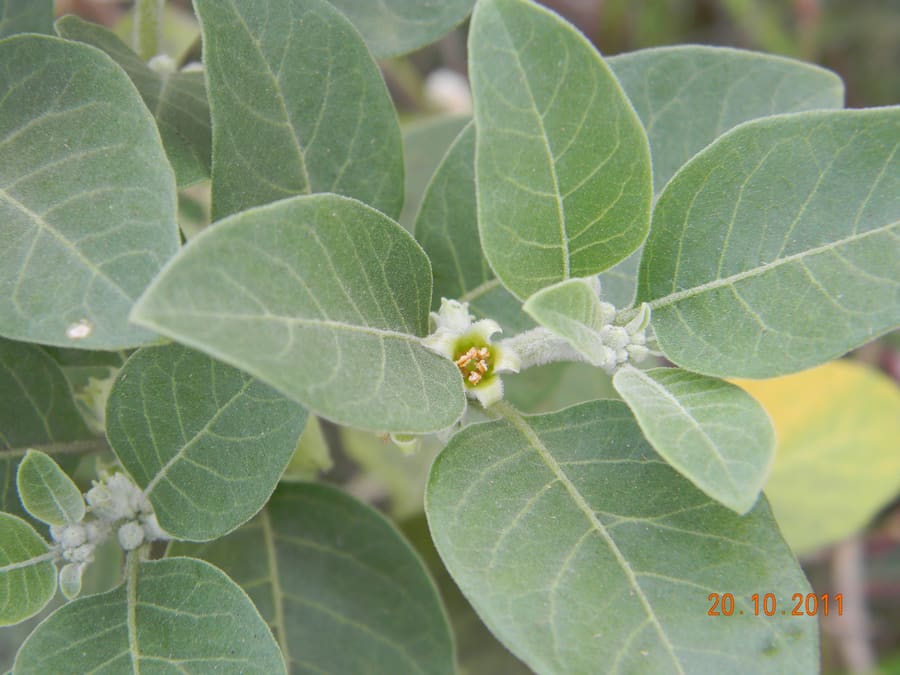
- Ashwagandha (Withania somnifera), sometimes called “Indian ginseng,” is a sturdy shrub growing to about 5 ft (1.5 m) with oval leaves, greenish or yellow flowers, and small, round fruits. NCCIH says some preparations may help insomnia and stress, but there isn't enough evidence to know whether it helps most other conditions.Licorice (Glycyrrhiza glabra) is a tall, woody-stemmed perennial reaching about 6½ ft (2 m), with dark green leaves and cream-to-mauve pea-like flowers. Its root has a long history of use in traditional medicine for coughing, asthma and wound healing, and NCCIH says it is promoted today for digestive, respiratory and energy support. NCCIH says there isn't enough high-quality evidence to clearly support licorice for any health condition. Licorice is widely used in Chinese, European, and Western herbal medicine.
- Safety & precautions
- Liver: Liver injury linked to ashwagandha supplements is rare but has been reported (NCCIH), and LiverTox places it in its likely-cause category (B). Stop and seek advice if you notice yellowing skin or eyes, dark urine or itching. Pregnancy & Breastfeeding: NCCIH says to avoid it during pregnancy and not to use it while breastfeeding. Thyroid: ODS notes it might affect thyroid function. Nightshade Sensitivity: This herb can cause adverse reactions in those sensitive to the nightshade family. Digestive Sensitivities: Some individuals may find it hard to digest ashwagandha.Serious effects: NCCIH warns that glycyrrhizin in licorice can cause serious problems, including an irregular heartbeat or even cardiac arrest, especially with large amounts or long-term use, and that even small amounts have caused severe effects in people who eat a lot of salt or have high blood pressure, heart disease or kidney disease. Overuse can cause fluid and sodium retention and potassium loss, leading to swelling, raised blood pressure, palpitations or a slow heartbeat. Pregnancy: NCCIH says large amounts during pregnancy are unsafe. Deglycyrrhizinated Licorice (DGL): Lacks glycyrrhizin; NCCIH says it may be safe to use for as long as four months.
Safety text above is printed in full and is never abbreviated. For each plant’s complete precautions, drug and food interactions and preparation notes, open its own page - both are free.
Conditions that list both
Related comparisons
- Ashwagandha (Withania somnifera) vs Bacopa (Bacopa monnieri)
- Ashwagandha (Withania somnifera) vs Basil
- Ashwagandha (Withania somnifera) vs California Poppy (Eschscholzia californica)
- Ashwagandha (Withania somnifera) vs Jasmine (Jasminum grandiflorum)
- Ashwagandha (Withania somnifera) vs Kava (Piper methysticum)
- Calendula (Calendula officinalis) vs Licorice