
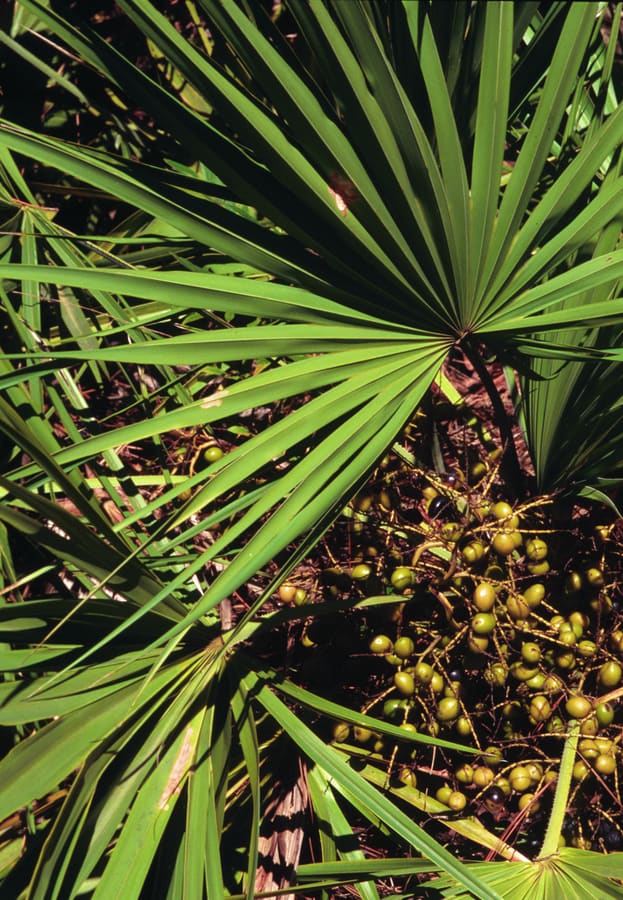
Saw Palmetto (Serenoa repens)
Photo: Ted Bodner, Southern Weed Science Society, United States · CC BY 3.0 us
- Male Reproductive
- 2 conditions
- Licensed photo
Overview
Saw palmetto (Serenoa repens), also known as Sabal serrulata, is a small, slow-growing palm (to about 20 ft / 6 m) bearing fan-like fronds and white flowers that develop into dark purple to black berries. It is promoted as a dietary supplement for urinary symptoms of an enlarged prostate (BPH). NCCIH says saw palmetto is probably not helpful for urinary symptoms of an enlarged prostate.
Traditional uses & properties
Prostate Tonic: The berries are promoted for urinary symptoms of benign prostatic hyperplasia (BPH), although NCCIH says a 2023 review found saw palmetto alone provides little or no benefit.
Safety & precautions
Pregnancy, Nursing, Hormone-Sensitive Cancers: Avoid due to hormonal effects. Medication Interactions: Consult a health provider if using other drugs for hormonal balance, bleeding disorders, or blood pressure issues.
Educational reference only - not medical advice. Herbs can interact with medications. Consult a qualified healthcare provider before use. Full disclaimer.
Drug interactions
LiverTox describes few herb-drug interactions for saw palmetto, while MSK lists case reports involving bleeding. [1, 2]
- Blood thinners and antiplatelet drugs
- MSK cites case reports suggesting additive anticoagulant effects, and a 2014 review of warfarin case reports includes Serenoa repens (saw palmetto). [2, 3]
- NSAIDs
- One case report cited by MSK suggests more side effects with these drugs. [2]
- Medicines broken down by liver enzymes
- MSK reports laboratory inhibition of several CYP and UGT enzymes. Relevance is unknown. [2]
How to read this section: each entry is HerbMate's summary of what the cited sources report. Words such as "may", "theoretical" or "in laboratory or animal studies" mean the effect has not been confirmed in people, and "case report" means it was seen in one or a few patients. A medicine that is not listed here has not been shown to be safe with this herb. The numbers in brackets link to the sources at the foot of the page.
Habitat
Native to the southeastern U.S., typically along Atlantic and Gulf coastal plains, saw palmetto thrives in sandy, well-drained areas. The ripe berries are collected in autumn.
Sources
The interaction notes and the statements on this page that name a source were written by HerbMate from these references, which were last checked in October 2026. They are summaries, not medical advice; ask a pharmacist about your own medicines.
Traditionally used for
Each condition shows its first 2 remedies free. Premium opens the full remedy list for every condition - or come back for the free Condition of the Day.
Frequently asked questions
What is Saw Palmetto (Serenoa repens) traditionally used for?
Traditional sources describe Saw Palmetto (Serenoa repens) as follows: Prostate Tonic: The berries are promoted for urinary symptoms of benign prostatic hyperplasia (BPH), although NCCIH says a 2023 review found saw palmetto alone provides little or no benefit.
What safety cautions apply to Saw Palmetto (Serenoa repens)?
Pregnancy, Nursing, Hormone-Sensitive Cancers: Avoid due to hormonal effects. Medication Interactions: Consult a health provider if using other drugs for hormonal balance, bleeding disorders, or blood pressure issues.
Related herbs
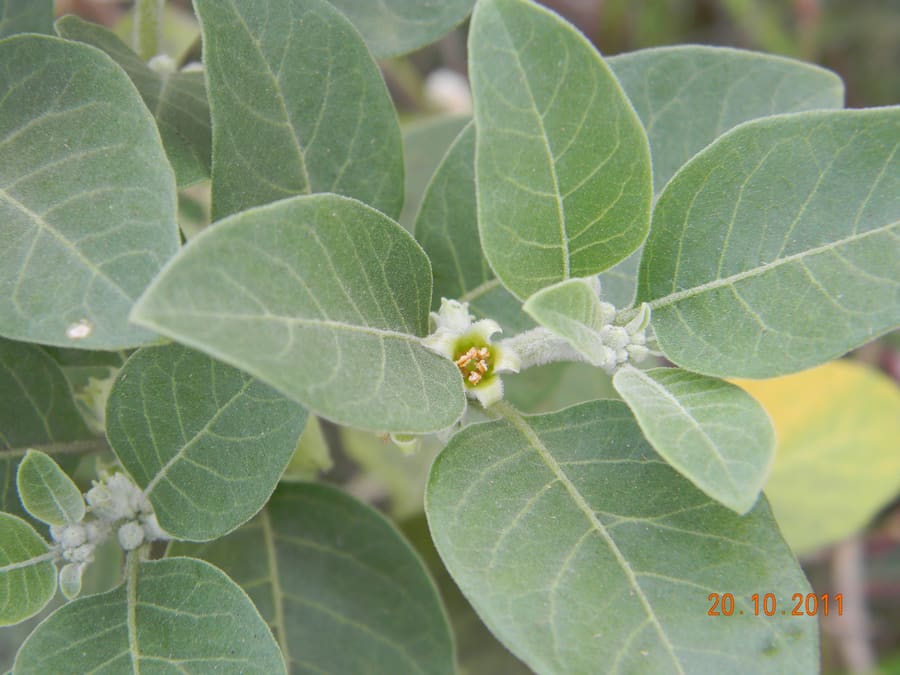 Ashwagandha (Withania somnifera)
Ashwagandha (Withania somnifera), sometimes called “Indian ginseng,” is a sturdy shrub growing to about 5 ft (1.5 m) with oval leaves, greenish or yellow flowers, and small, round fruits. NCCIH says some preparations may help insomnia and stress, but there isn't enough evidence to know whether it helps most other conditions.
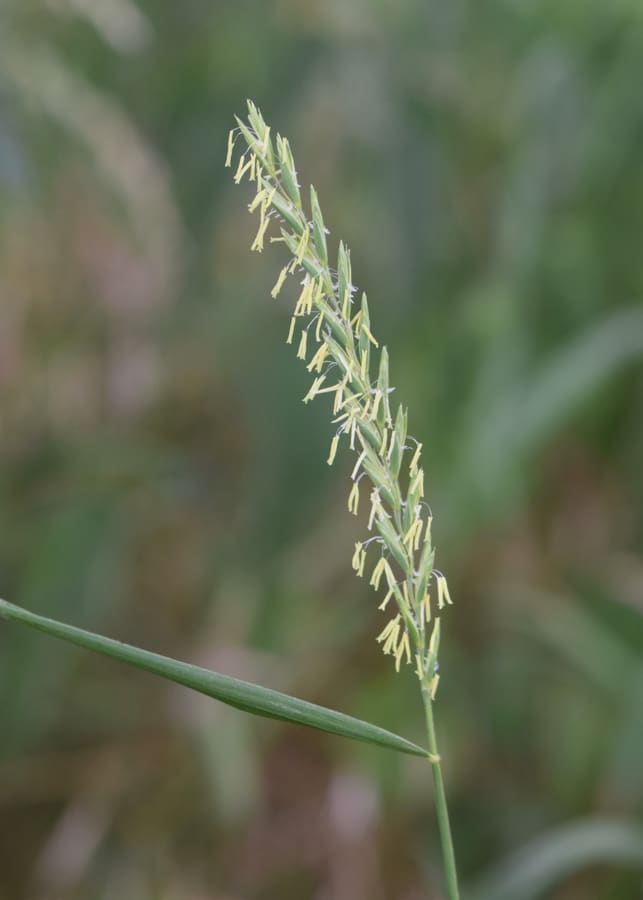 Couch Grass (Elymus repens)
Couch grass is a vigorous perennial growing to 32 inches with a long, creeping rhizome, slender leaves, and erect spikes bearing green flowers aligned in two rows. Found in Europe, the Americas, northern Asia, and Australia, it is an invasive weed harvested throughout the year. In times of famine, the root was roasted and ground as a substitute for coffee and flour.
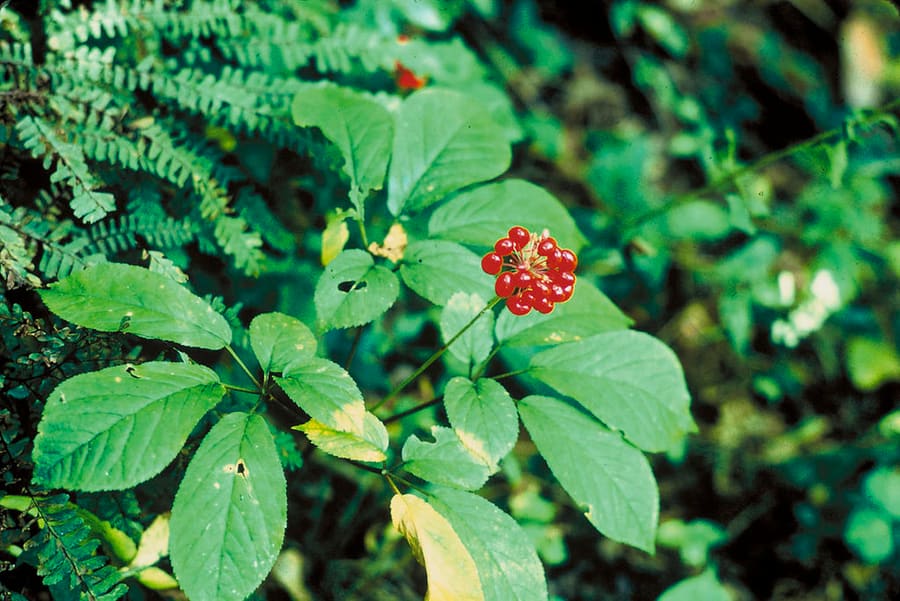 Ginseng (Panax ginseng)
Asian or Korean ginseng (Panax ginseng) is a perennial reaching about 3 ft (1 m) in height, with toothed oval leaves and a cluster of small green-yellow flowers. Its root is legendary in traditional medicine as an adaptogen, taken for energy, stamina, aging and stress. NCCIH says most studies have been small and short, and that most research shows it does not improve athletic performance. Red ginseng is steamed before drying.
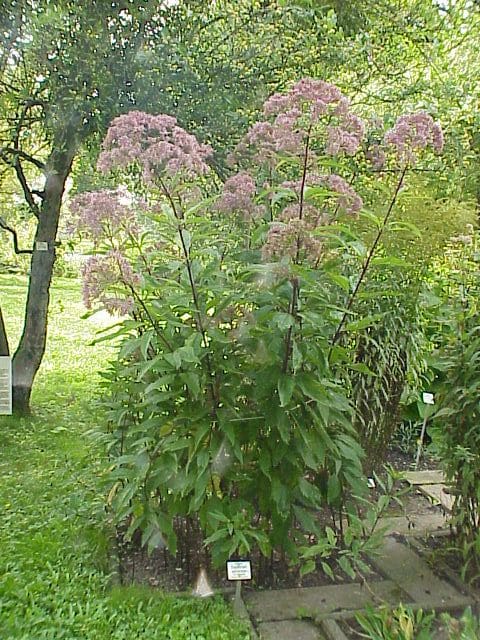 Gravel Root (Eupatorium purpureum)
Gravel root is an erect perennial growing to 5 feet with whorls of pointed oblong leaves and clusters of purple-pink florets. Native to eastern North America, the root is unearthed in autumn. The plant's alternative name, Joe Pye weed, honors a Native American named Joe Pye. The root was listed in the Pharmacopoeia of the United States from 1820 to 1842.
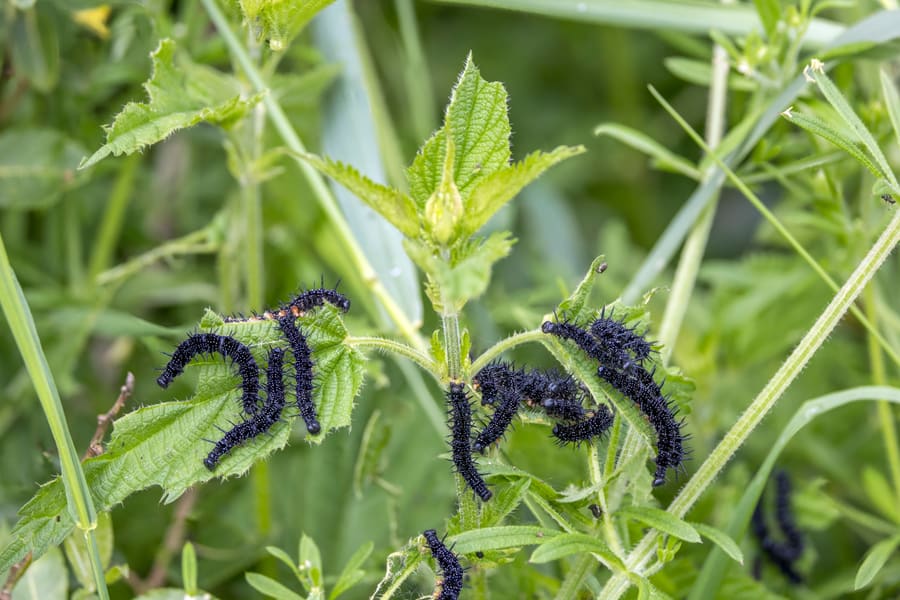 Nettle (Urtica dioica)
Stinging nettle (Urtica dioica) is a perennial growing up to about 5 ft (1.5 m), recognized by its lance-shaped, serrated leaves and tiny greenish flowers. Though capable of “stinging,” nettle leaves and seeds are rich in protein, minerals and vitamins.
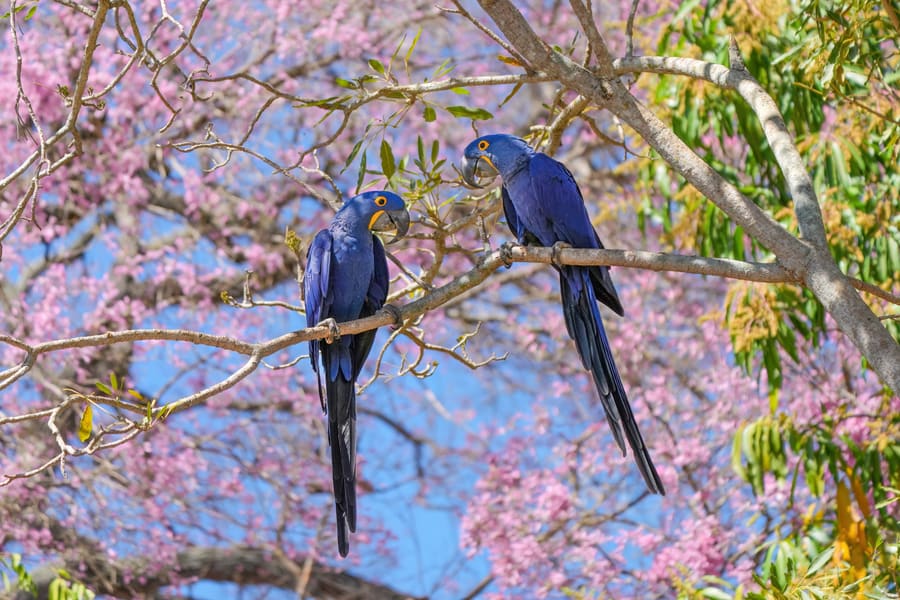 Pau d'Arco (Tabebuia impetiginosa)
Pau d'arco is an evergreen tree that can reach 100 feet in height, producing pink flowers. The bark of this South American tree is used as a tea in traditional medicine for a wide range of ailments; MSK says its antibacterial and anticancer effects in laboratory studies have not been shown in humans. The tree grows in both mountainous terrains high in the Andes and in low-lying areas of Paraguay and Brazil. The prized inner bark is collected from wild-growing trees throughout the year.
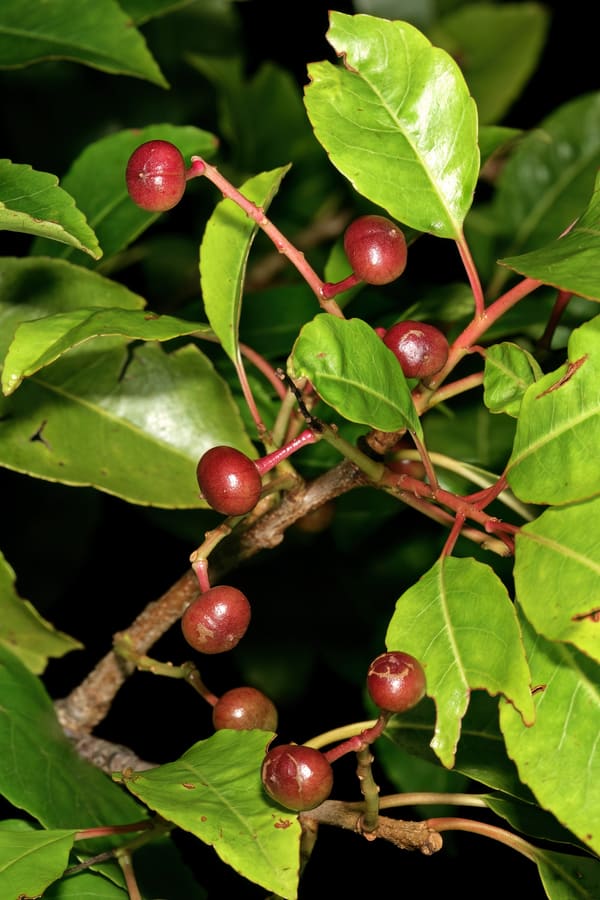 Pygeum (Pygeum africanum)
Pygeum (Pygeum africanum) is an evergreen tree growing up to about 115 ft (35 m), with oblong leaves, white flowers, and red berries. Its bark extract is traditionally used for urinary symptoms of benign prostatic hyperplasia (BPH); MSK says several small clinical trials suggest benefit, but long-term effectiveness and safety are not known.
 Schisandra (Schisandra chinensis)
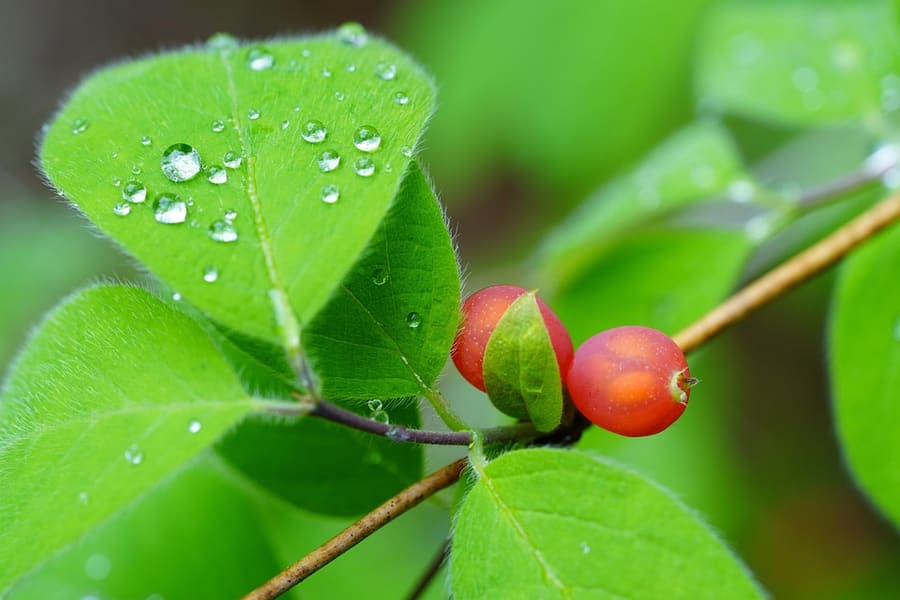
Schisandra (Schisandra chinensis), also known as wu wei zi (“5-flavored herb”), is a woody vine that can grow up to 26 ft (8 m). It has pink blossoms and clusters of bright red berries, which are used in traditional Chinese medicine for liver conditions and as a tonic for vitality. MSK says only a small number of human studies exist and they are too limited to draw conclusions.