
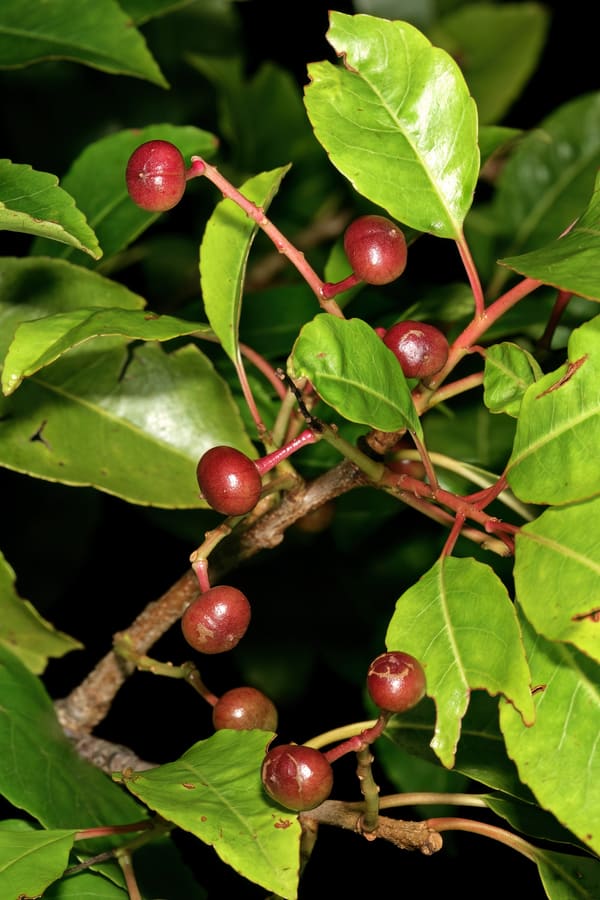
Pygeum (Pygeum africanum)
Photo: SAplants · CC BY-SA 4.0
- Male Reproductive
- 1 condition
- Licensed photo
Overview
Pygeum (Pygeum africanum) is an evergreen tree growing up to about 115 ft (35 m), with oblong leaves, white flowers, and red berries. Its bark extract is traditionally used for urinary symptoms of benign prostatic hyperplasia (BPH); MSK says several small clinical trials suggest benefit, but long-term effectiveness and safety are not known.
Traditional uses & properties
Anti-Inflammatory: MSK says laboratory studies show anti-inflammatory effects, but human data are lacking. Prostate Support: The bark extract is traditionally taken for urinary symptoms related to BPH; MSK says larger trials are needed to confirm its safety and effectiveness.
Safety & precautions
Professional Supervision: Typically recommended if you have an existing medical condition or are on other medications.
Educational reference only - not medical advice. Herbs can interact with medications. Consult a qualified healthcare provider before use. Full disclaimer.
Drug interactions
Interaction data is not available for this herb - talk to a pharmacist before combining it with any medication. A blank entry here means we have not documented interactions, not that none exist.
Habitat
Native to Africa, pygeum is still largely harvested from the wild. Overharvesting has led to shortages, so commercial plantations have been established. The bark is typically harvested under controlled conditions.
Sources
The interaction notes and the statements on this page that name a source were written by HerbMate from these references, which were last checked in October 2026. They are summaries, not medical advice; ask a pharmacist about your own medicines.
Traditionally used for
Each condition shows its first 2 remedies free. Premium opens the full remedy list for every condition - or come back for the free Condition of the Day.
Frequently asked questions
What is Pygeum (Pygeum africanum) traditionally used for?
Traditional sources describe Pygeum (Pygeum africanum) as follows: Anti-Inflammatory: MSK says laboratory studies show anti-inflammatory effects, but human data are lacking. Prostate Support: The bark extract is traditionally taken for urinary symptoms related to BPH; MSK says larger trials are needed to confirm its safety and effectiveness.
What safety cautions apply to Pygeum (Pygeum africanum)?
Professional Supervision: Typically recommended if you have an existing medical condition or are on other medications.
Related herbs
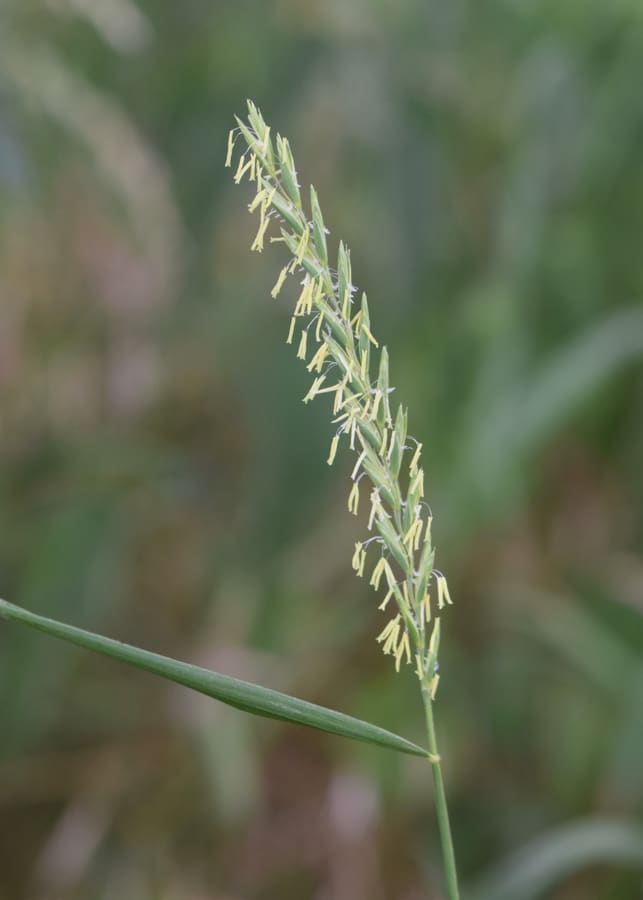 Couch Grass (Elymus repens)
Couch grass is a vigorous perennial growing to 32 inches with a long, creeping rhizome, slender leaves, and erect spikes bearing green flowers aligned in two rows. Found in Europe, the Americas, northern Asia, and Australia, it is an invasive weed harvested throughout the year. In times of famine, the root was roasted and ground as a substitute for coffee and flour.
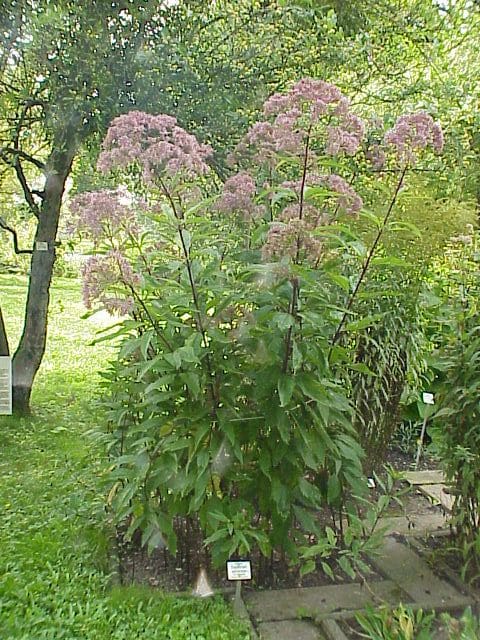 Gravel Root (Eupatorium purpureum)
Gravel root is an erect perennial growing to 5 feet with whorls of pointed oblong leaves and clusters of purple-pink florets. Native to eastern North America, the root is unearthed in autumn. The plant's alternative name, Joe Pye weed, honors a Native American named Joe Pye. The root was listed in the Pharmacopoeia of the United States from 1820 to 1842.
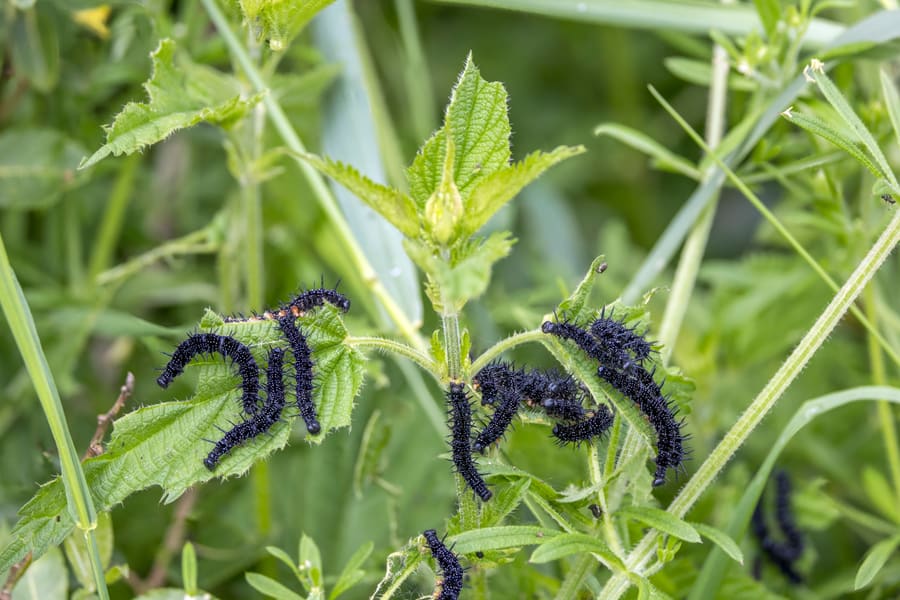 Nettle (Urtica dioica)
Stinging nettle (Urtica dioica) is a perennial growing up to about 5 ft (1.5 m), recognized by its lance-shaped, serrated leaves and tiny greenish flowers. Though capable of “stinging,” nettle leaves and seeds are rich in protein, minerals and vitamins.
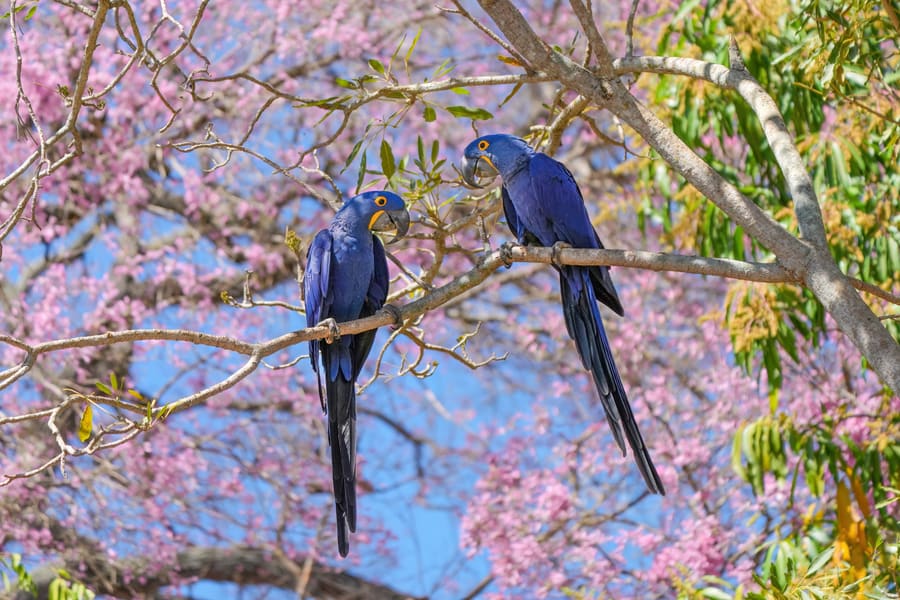 Pau d'Arco (Tabebuia impetiginosa)
Pau d'arco is an evergreen tree that can reach 100 feet in height, producing pink flowers. The bark of this South American tree is used as a tea in traditional medicine for a wide range of ailments; MSK says its antibacterial and anticancer effects in laboratory studies have not been shown in humans. The tree grows in both mountainous terrains high in the Andes and in low-lying areas of Paraguay and Brazil. The prized inner bark is collected from wild-growing trees throughout the year.
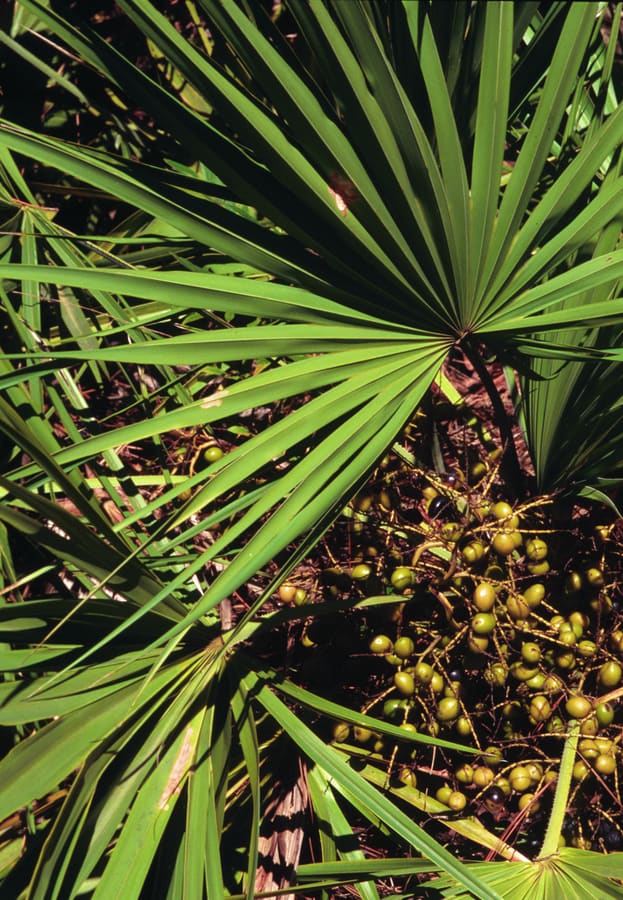 Saw Palmetto (Serenoa repens)
Saw palmetto (Serenoa repens), also known as Sabal serrulata, is a small, slow-growing palm (to about 20 ft / 6 m) bearing fan-like fronds and white flowers that develop into dark purple to black berries. It is promoted as a dietary supplement for urinary symptoms of an enlarged prostate (BPH). NCCIH says saw palmetto is probably not helpful for urinary symptoms of an enlarged prostate.