
Neem (Azadirachta indica)
Photo: Kevinsooryan · CC BY-SA 3.0
- General
- 4 conditions
- Licensed photo
Overview
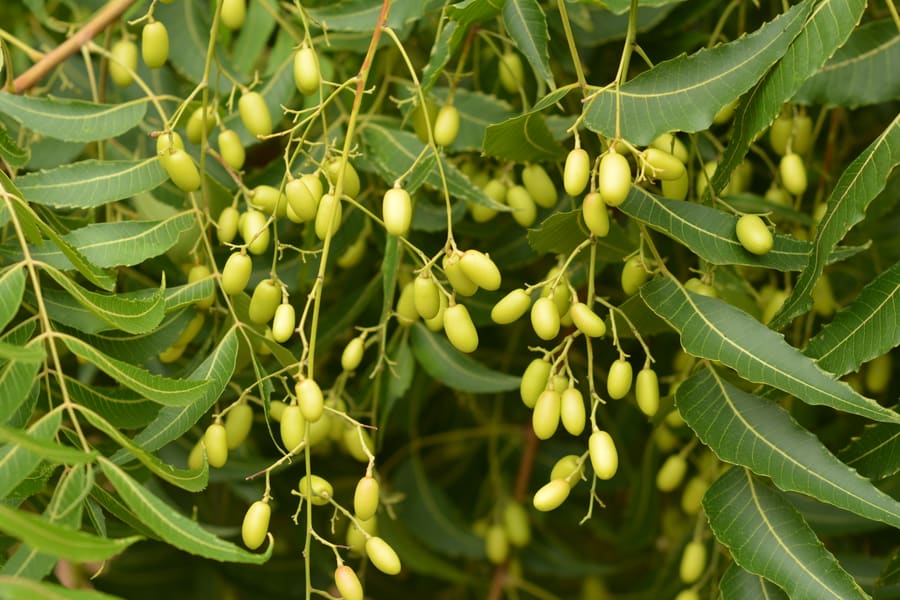
Neem (Azadirachta indica) is a large evergreen tree with compound leaves and white flowers, known in India as the “village pharmacy”. It is used in traditional and Ayurvedic medicine for skin conditions and stomach ailments; MSK says studies on its safety and effectiveness are lacking.
Traditional uses & properties
Insect Repellent: Contains azadirachtins, which repel insects.
Safety & precautions
Children & Pregnancy: Avoid internal use. MSK warns that swallowing neem oil has caused severe poisoning in both children and adults. Internal Use: Take internally only under professional supervision. Fertility: Neem can affect both male and female fertility.
Educational reference only - not medical advice. Herbs can interact with medications. Consult a qualified healthcare provider before use. Full disclaimer.
Drug interactions
Interaction data is not available for this herb - talk to a pharmacist before combining it with any medication. A blank entry here means we have not documented interactions, not that none exist.
Habitat
Native to Iran, Pakistan, India, and Sri Lanka, neem grows in forests and rural areas, often along roadsides for shade. Now cultivated in tropical regions worldwide (e.g., Malaysia, Indonesia, West Africa), neem thrives in loamy soil and full sun. Leaves and seeds are gathered year-round.
Sources
The interaction notes and the statements on this page that name a source were written by HerbMate from these references, which were last checked in October 2026. They are summaries, not medical advice; ask a pharmacist about your own medicines.
Traditionally used for
Each condition shows its first 2 remedies free. Premium opens the full remedy list for every condition - or come back for the free Condition of the Day.
Frequently asked questions
What is Neem (Azadirachta indica) traditionally used for?
Traditional sources describe Neem (Azadirachta indica) as follows: Insect Repellent: Contains azadirachtins, which repel insects.
What safety cautions apply to Neem (Azadirachta indica)?
Children & Pregnancy: Avoid internal use. MSK warns that swallowing neem oil has caused severe poisoning in both children and adults. Internal Use: Take internally only under professional supervision. Fertility: Neem can affect both male and female fertility.
Related herbs
 Aloe (Aloe vera)
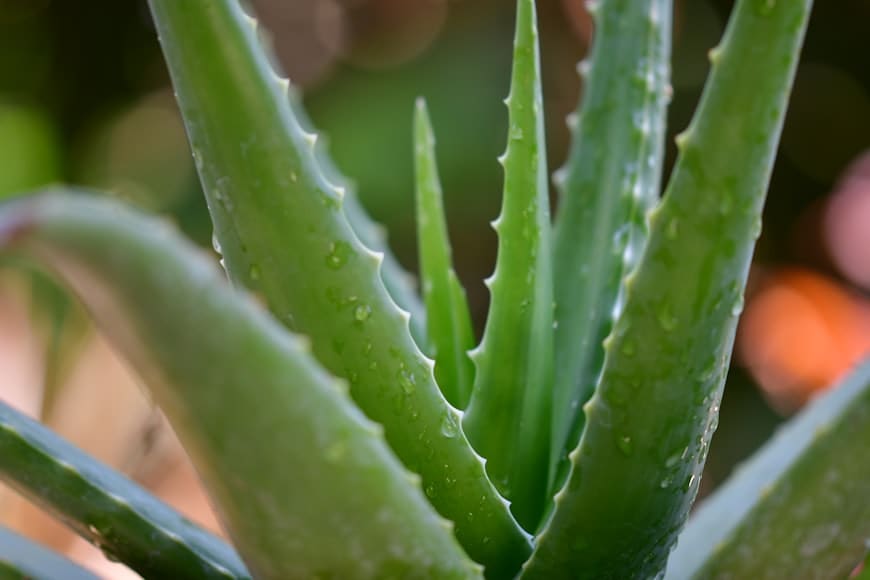
Aloe vera (syn. A. barbadensis) is a succulent commonly grown as a potted plant, notable for its thick, fleshy leaves that contain two distinct medicinal components. Historically, the inner clear gel was used for skin conditions and to promote wound healing (NCCIH), while the bitter yellow sap from the leaf base, often called “bitter aloes,” is a strong laxative.
 Calendula (Calendula officinalis)
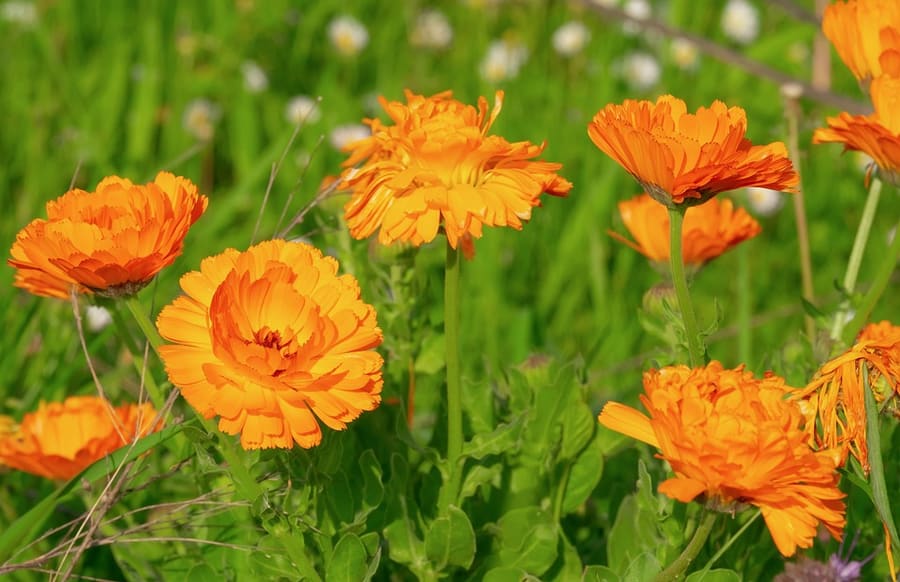
Calendula (Calendula officinalis) has bright orange daisy-like flowers.
 Tea Tree (Melaleuca alternifolia)Not for self-dosing
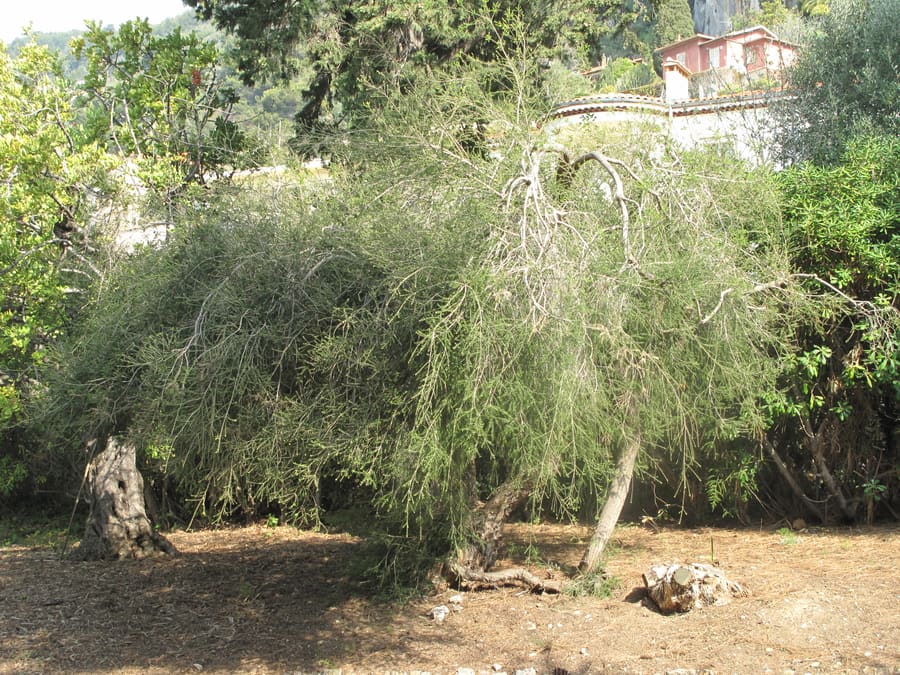
Tea tree (Melaleuca alternifolia) is a small evergreen native to Australia, with papery bark, narrow leaves, and white to cream flower spikes. Its leaves yield a pungent essential oil; the Aboriginal people of Australia traditionally used the leaves for wounds, burns, and insect bites, and NCCIH says a small amount of evidence suggests the oil, applied to the skin, might help acne and athlete’s foot.
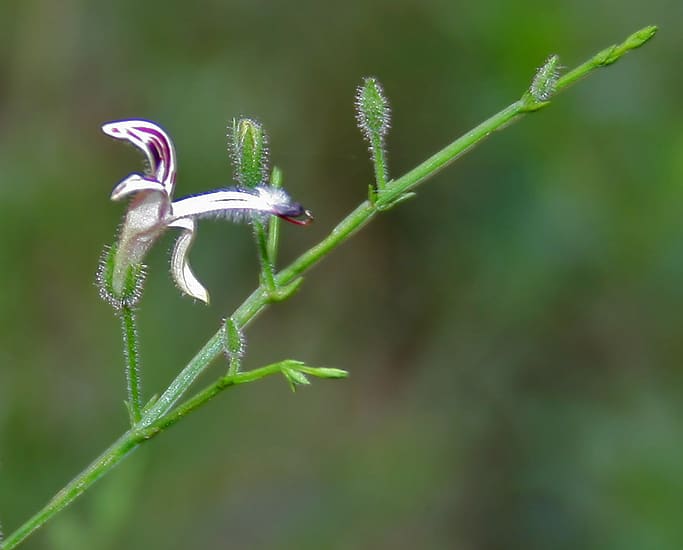 Andrographis (Andrographis paniculata)
Andrographis, commonly known as Green Chiretta or King of Bitters, is an upright annual herb reaching approximately 3 feet in height. Native to India and cultivated throughout northern regions of India and China, this bitter medicinal plant has been valued in Ayurvedic and traditional Chinese medicine for centuries. MSK notes that it has been studied mostly for colds, flu and upper respiratory infections. The plant thrives on plains and in forest undergrowth, where its spotted pale brown or purple flowers and long seed capsules distinguish it from other medicinal herbs.
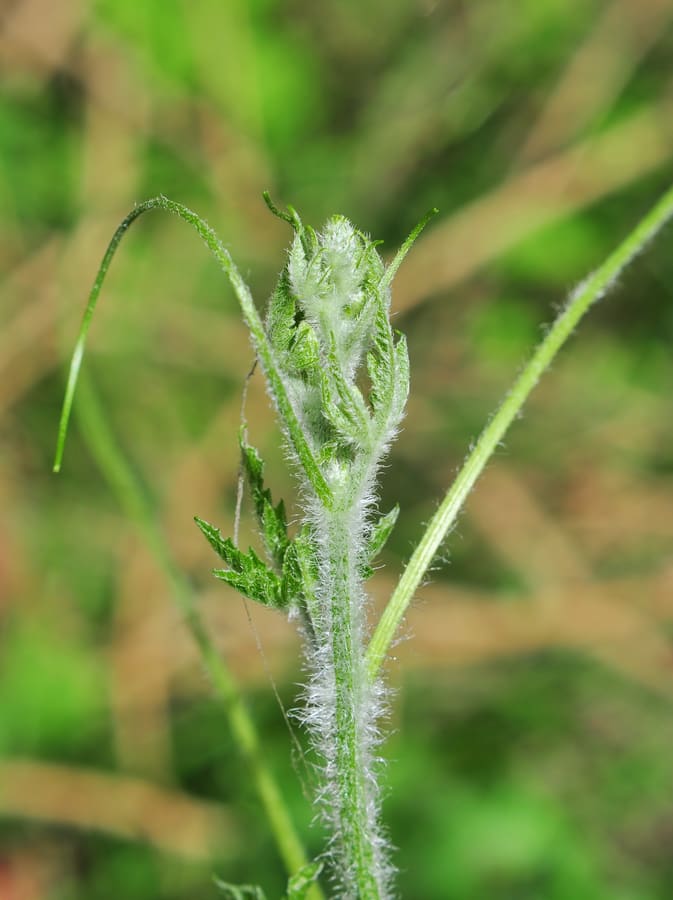 Bitter Melon (Momordica charantia)
Bitter melon is an annual climbing vine reaching about 6.5 feet, characterized by deeply lobed leaves, yellow flowers, and distinctive orange-yellow fruit. Native to southern Asia and now common throughout tropical regions worldwide, it is harvested year-round. Its edible fruit is used both as food and in medicine to treat diabetes in regions including Asia, East Africa and the Caribbean; MSK says data on whether it lowers blood sugar are limited.
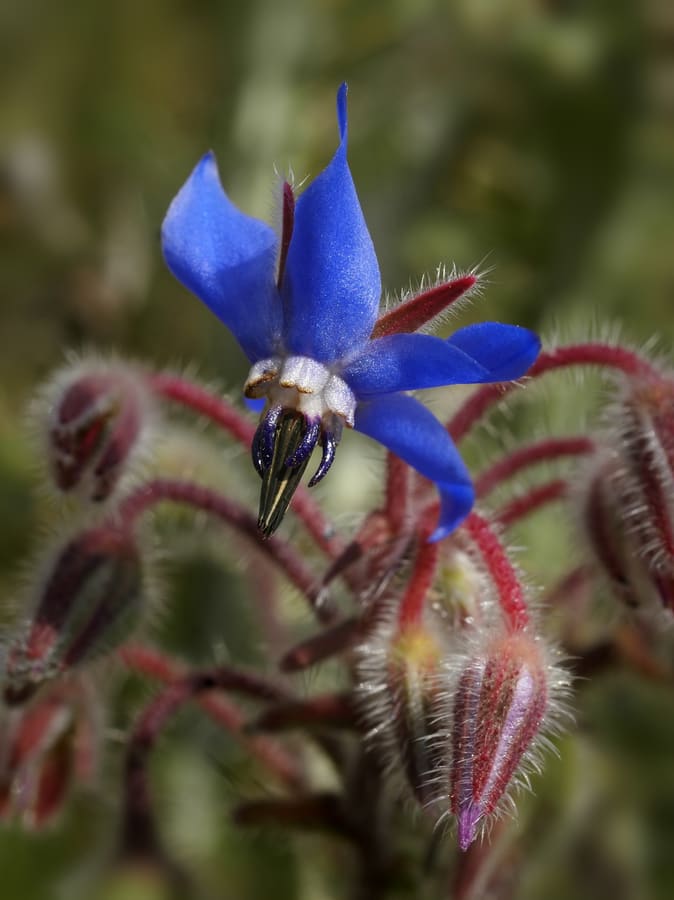 Borage (Borago officinalis)Not for self-dosing
Borage (Borago officinalis) is a coarse, hairy annual that grows to about 2 ft (60 cm), featuring a succulent stem, large basal leaves, and distinctively bright blue star-shaped flowers. The seeds yield an oil rich in gamma-linolenic acid (GLA), a polyunsaturated fatty acid.
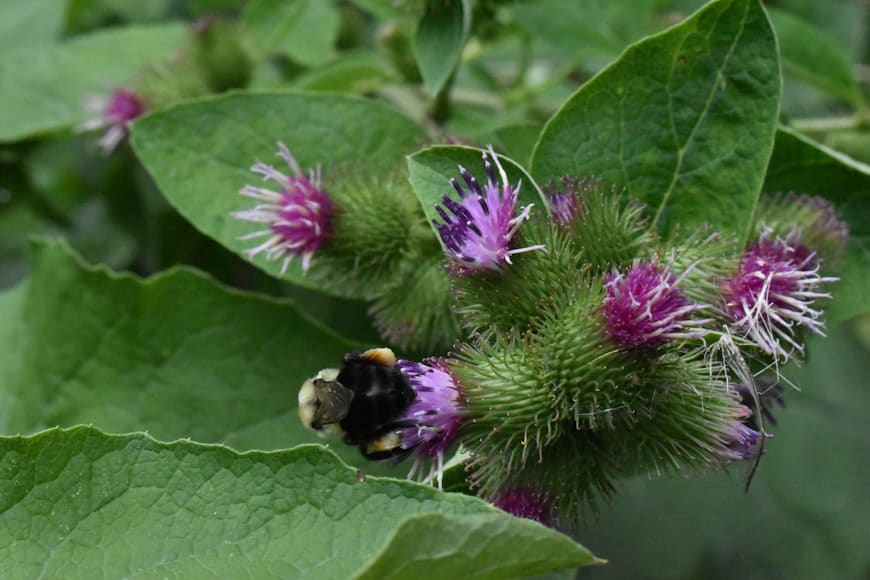 Burdock (Arctium lappa)
Burdock is a sturdy, bitter herb with large leaves.
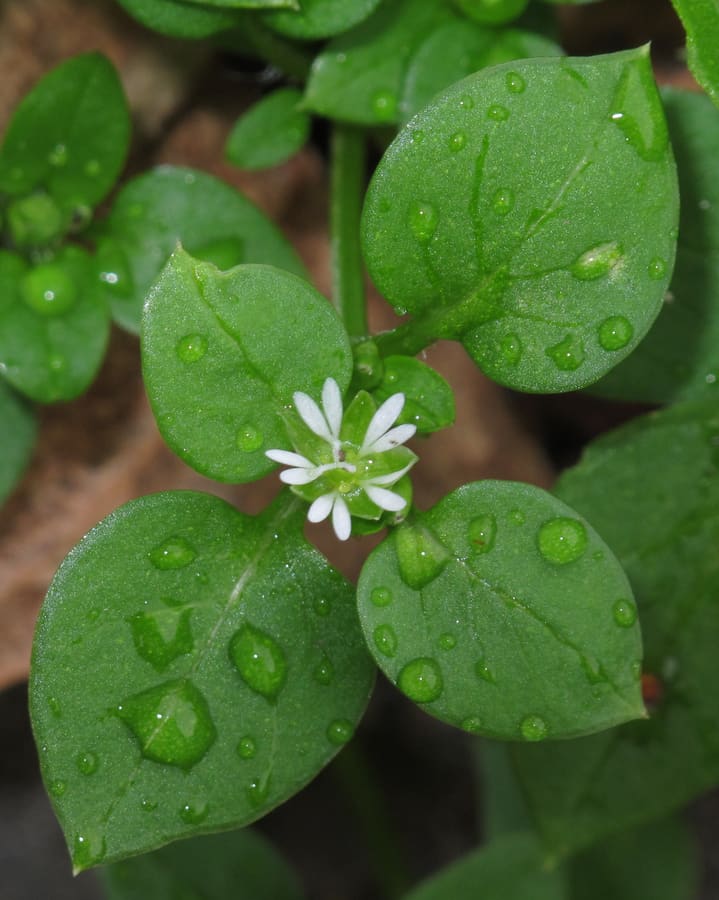 Chickweed (Stellaria media)
Chickweed (Stellaria media) is a low-growing, sprawling plant, typically reaching about 6 in (15 cm) high. It has softly hairy stems, oval leaves, and small, starlike white flowers. The plant has a mucilaginous quality.