
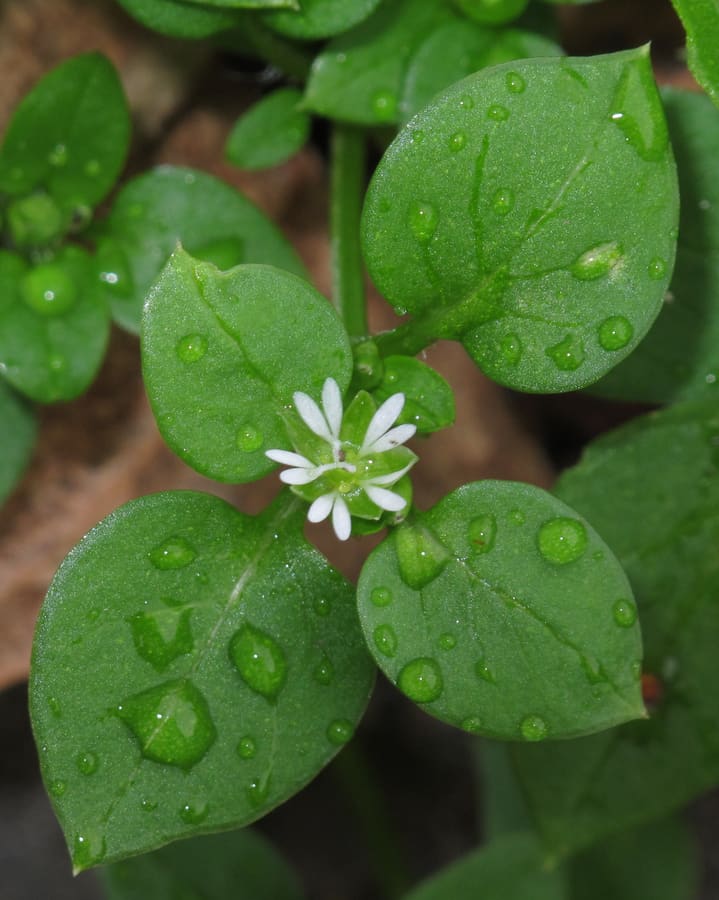
Chickweed (Stellaria media)
Photo: Robert Flogaus-Faust · CC BY 4.0
- Skin
- 1 condition
- Licensed photo
Overview
Chickweed (Stellaria media) is a low-growing, sprawling plant, typically reaching about 6 in (15 cm) high. It has softly hairy stems, oval leaves, and small, starlike white flowers. The plant has a mucilaginous quality.
Traditional uses & properties
It contains minerals such as potassium, calcium, and iron.
Safety & precautions
Excessive Doses: May cause diarrhea and vomiting. Pregnancy: Best avoided or used with caution during pregnancy.
Educational reference only - not medical advice. Herbs can interact with medications. Consult a qualified healthcare provider before use. Full disclaimer.
Drug interactions
Interaction data is not available for this herb - talk to a pharmacist before combining it with any medication. A blank entry here means we have not documented interactions, not that none exist.
Habitat
Originating in Europe and Asia, chickweed is now widespread across much of the world, often considered a common weed in moist, disturbed ground. It is harvested during summer, when growth is at its peak.
Traditionally used for
Each condition shows its first 2 remedies free. Premium opens the full remedy list for every condition - or come back for the free Condition of the Day.
Frequently asked questions
What is Chickweed (Stellaria media) traditionally used for?
Traditional sources describe Chickweed (Stellaria media) as follows: It contains minerals such as potassium, calcium, and iron.
What safety cautions apply to Chickweed (Stellaria media)?
Excessive Doses: May cause diarrhea and vomiting. Pregnancy: Best avoided or used with caution during pregnancy.
Related herbs
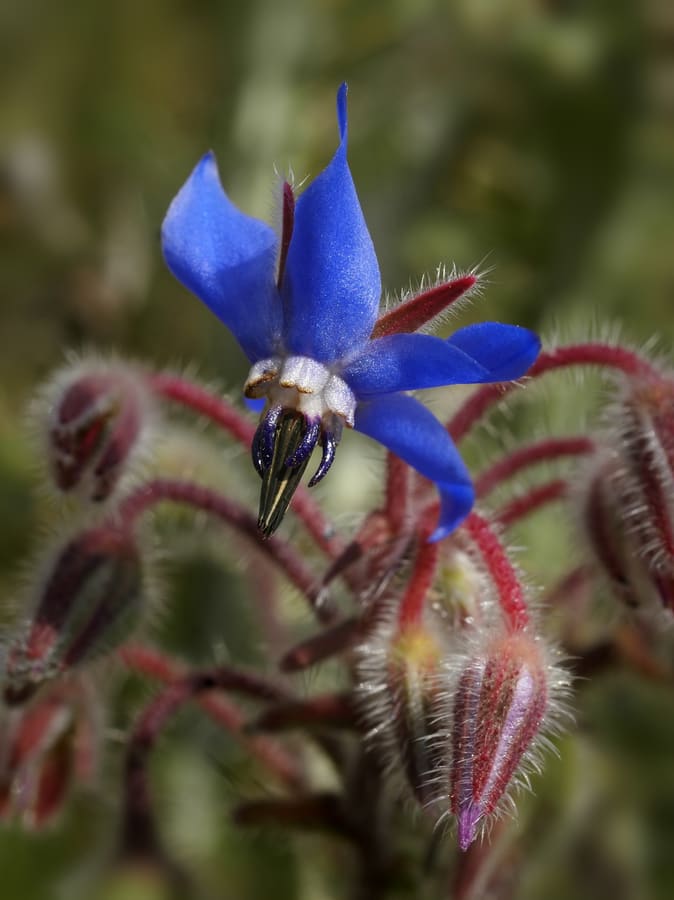 Borage (Borago officinalis)Not for self-dosing
Borage (Borago officinalis) is a coarse, hairy annual that grows to about 2 ft (60 cm), featuring a succulent stem, large basal leaves, and distinctively bright blue star-shaped flowers. The seeds yield an oil rich in gamma-linolenic acid (GLA), a polyunsaturated fatty acid.
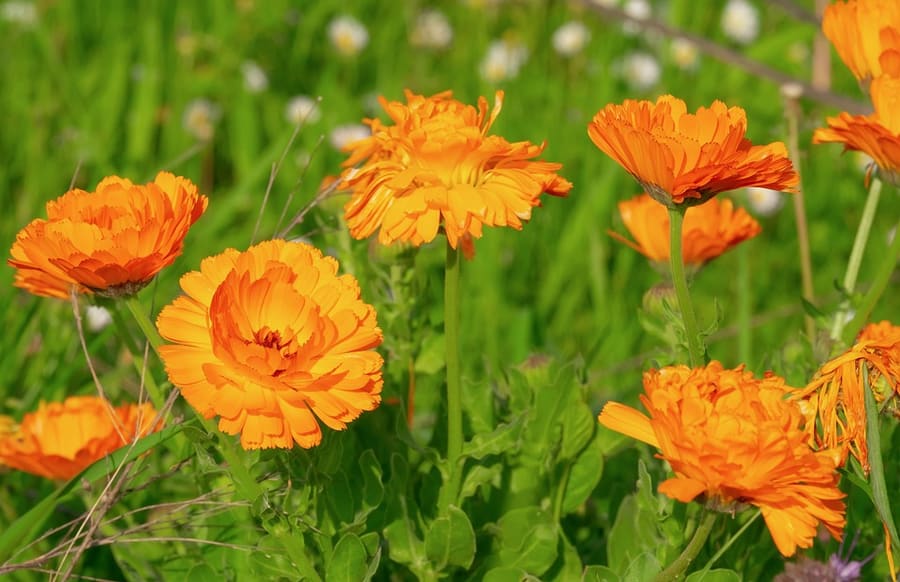 Calendula (Calendula officinalis)
Calendula (Calendula officinalis) has bright orange daisy-like flowers.
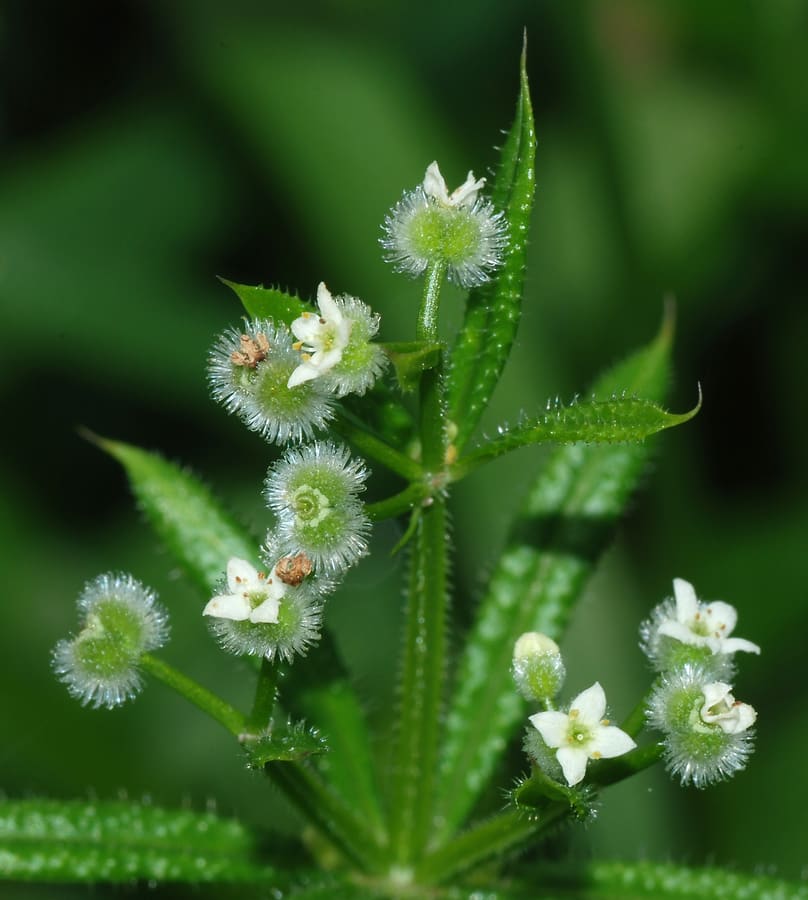 Cleavers (Galium aparine)
Cleavers is a straggling, square-stemmed annual growing to 4 feet with whorls of lance-shaped leaves, clusters of small white flowers, and small round green fruits covered with hooked prickles. The name refers to the plant's ability to cling (or cleave) to fur or clothing. Common throughout Europe and North America and found in many other temperate regions including Australia, it grows prolifically in gardens and along roadsides. The Greek physician Dioscorides in the 1st century CE noted that shepherds used the stems to make sieves for straining milk.
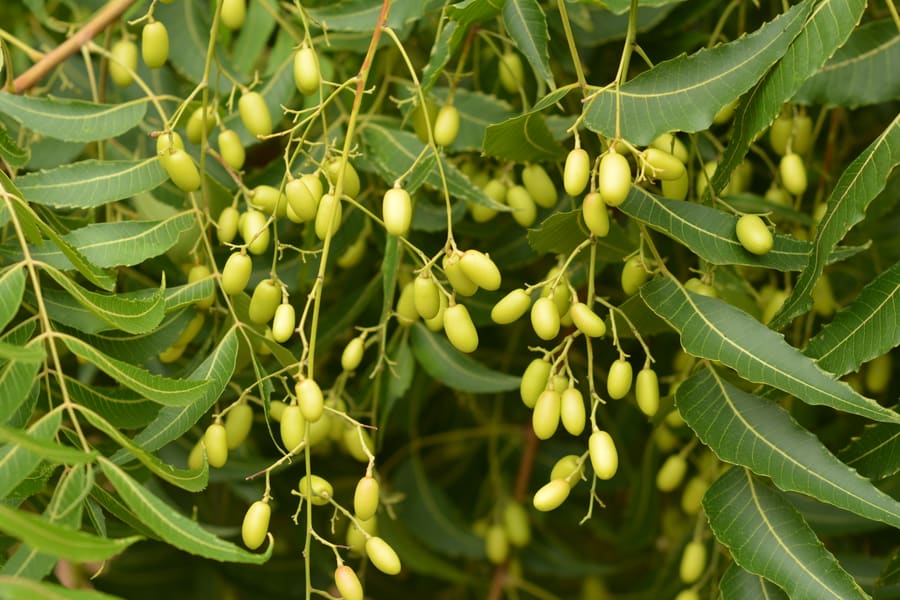 Neem (Azadirachta indica)
Neem (Azadirachta indica) is a large evergreen tree with compound leaves and white flowers, known in India as the “village pharmacy”. It is used in traditional and Ayurvedic medicine for skin conditions and stomach ailments; MSK says studies on its safety and effectiveness are lacking.
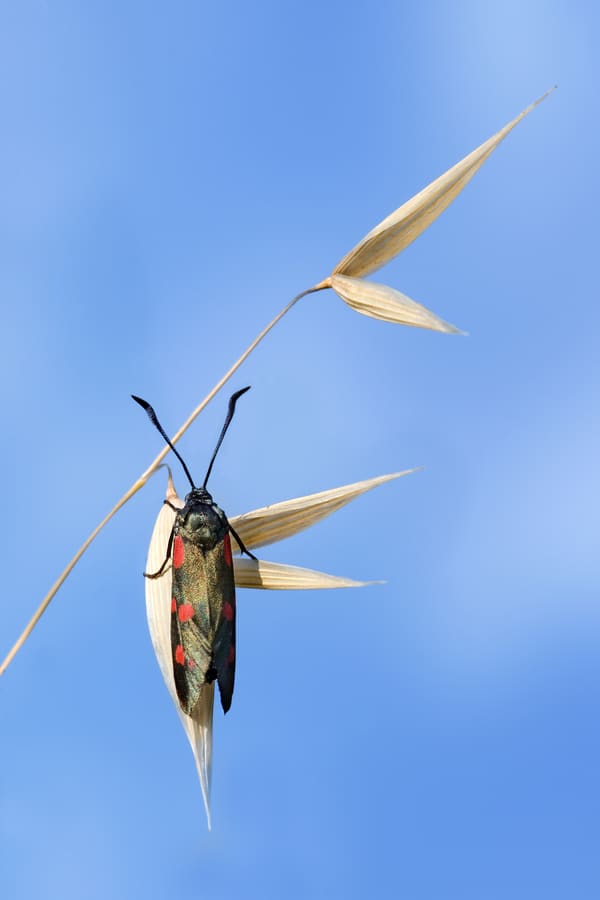 Oats (avena sativa)
Oats (Avena sativa) is an annual grass reaching about 3 ft (1 m), bearing hollow stems, blade-like leaves, and seeds (grain) used widely in cereal. The milky seeds are harvested before maturity. Oat straw is rich in silica.
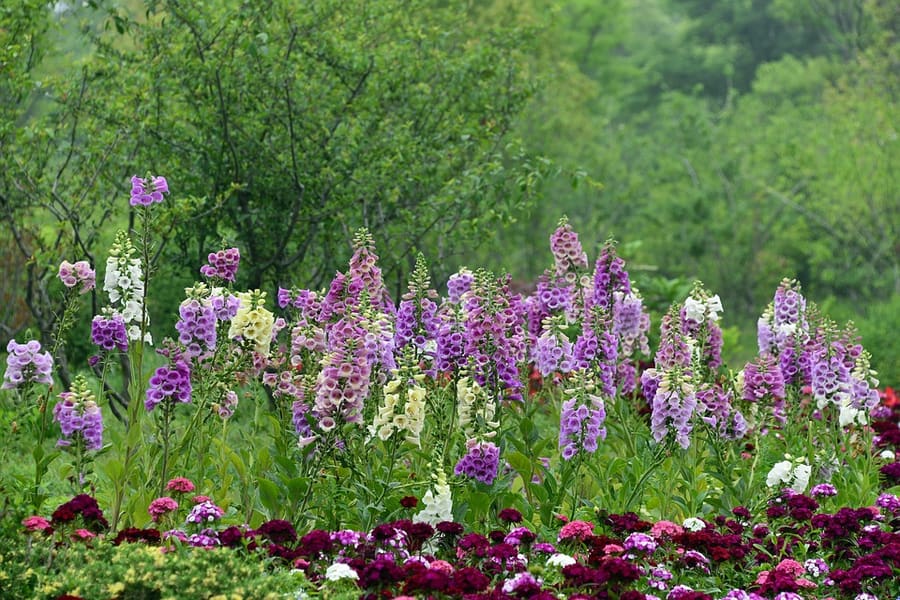 Rehmannia (Rehmannia glutinosa)
Rehmannia (Rehmannia glutinosa) is a perennial growing to about 1-2 ft (30-60 cm), with sticky leaves and purple tubular flowers. It is one of the best-known herbs in Traditional Chinese Medicine, where both the raw and the prepared root are used.