
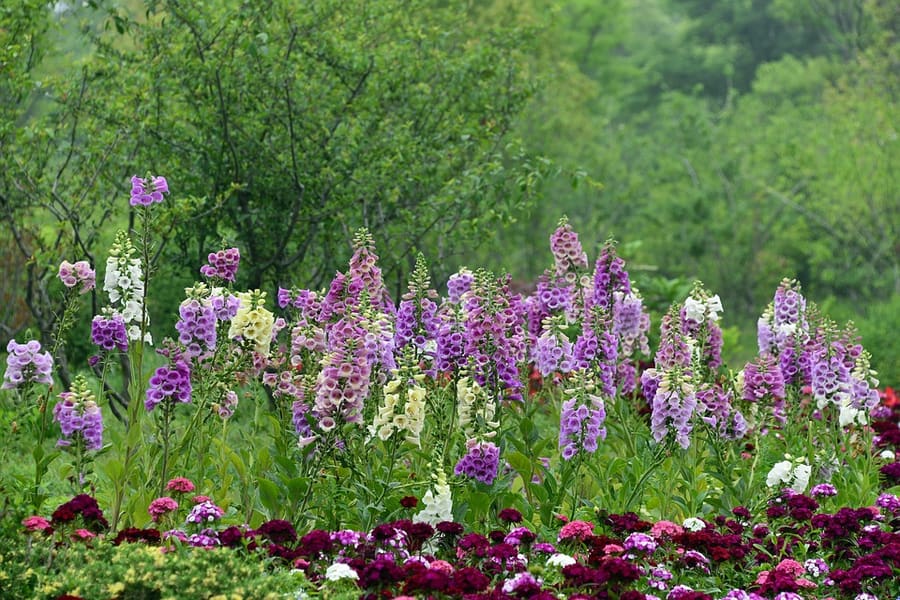
Rehmannia (Rehmannia glutinosa)
Photo: Pixabay
- Circulatory
- 5 conditions
- Licensed photo
Overview
Rehmannia (Rehmannia glutinosa) is a perennial growing to about 1-2 ft (30-60 cm), with sticky leaves and purple tubular flowers. It is one of the best-known herbs in Traditional Chinese Medicine, where both the raw and the prepared root are used.
Safety & precautions
Pregnancy: Consult a practitioner. Diarrhea or Appetite Loss: Not advised if these symptoms are prominent, as rehmannia can be cooling and heavy on digestion.
Educational reference only - not medical advice. Herbs can interact with medications. Consult a qualified healthcare provider before use. Full disclaimer.
Drug interactions
Interaction data is not available for this herb - talk to a pharmacist before combining it with any medication. A blank entry here means we have not documented interactions, not that none exist.
Habitat
Native to China, rehmannia thrives on sunny mountain slopes, especially in Henan province. Grown from seed or cuttings, the root is harvested in autumn. There are two main preparations: raw (sheng di huang) and cooked (shu di huang), each with different energetic uses.
Traditionally used for
- Anaemia4 herbs · 2 free
- Liver Support10 herbs · 2 free
- Menstrual Pain11 herbs · 2 free
- Eczema7 herbs · 2 free
- Psoriasis5 herbs · 2 free
Each condition shows its first 2 remedies free. Premium opens the full remedy list for every condition - or come back for the free Condition of the Day.
Frequently asked questions
What safety cautions apply to Rehmannia (Rehmannia glutinosa)?
Pregnancy: Consult a practitioner. Diarrhea or Appetite Loss: Not advised if these symptoms are prominent, as rehmannia can be cooling and heavy on digestion.
Related herbs
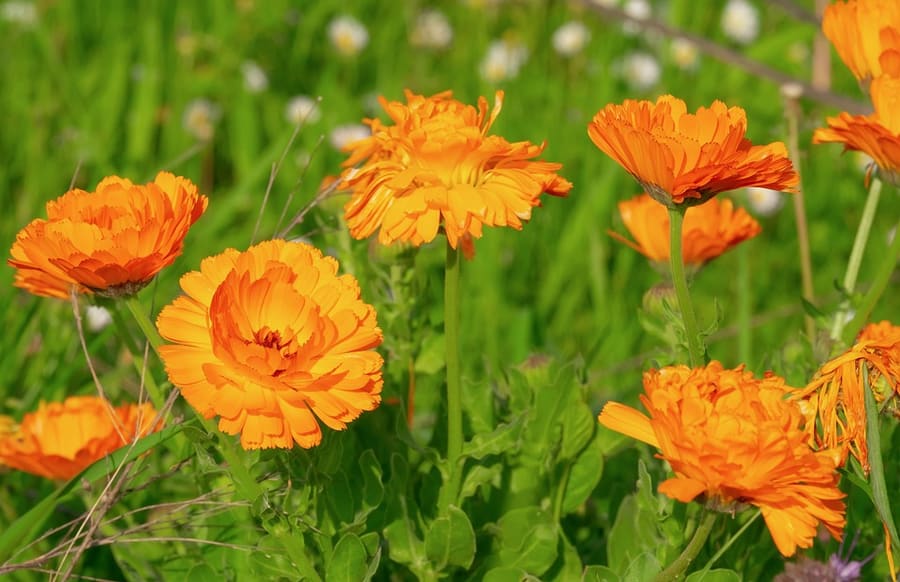 Calendula (Calendula officinalis)
Calendula (Calendula officinalis) has bright orange daisy-like flowers.
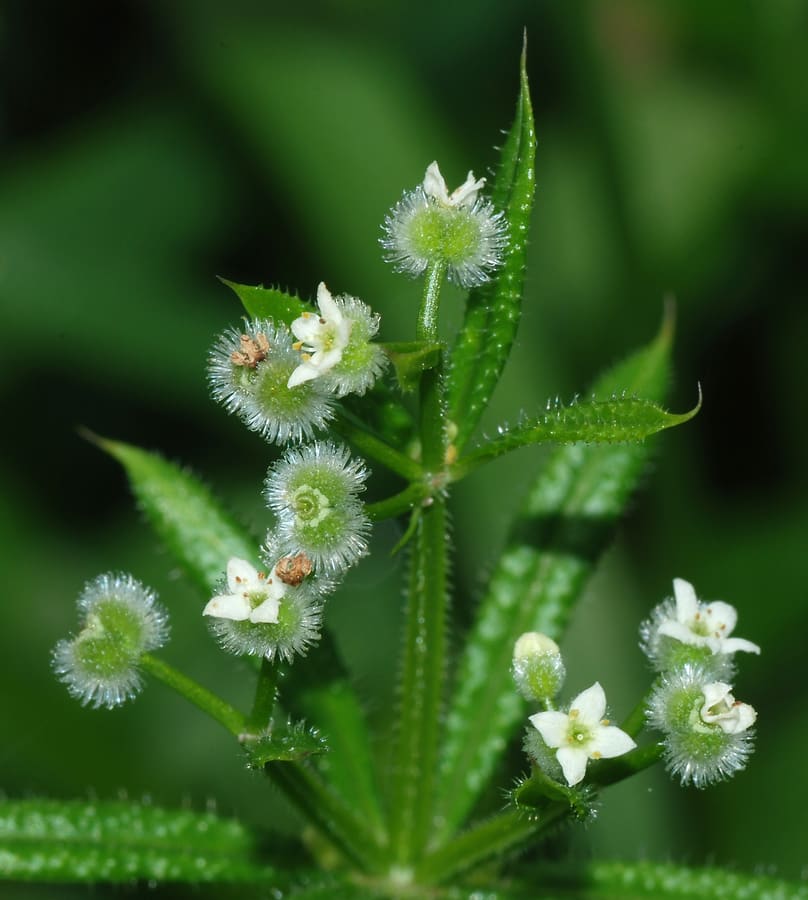 Cleavers (Galium aparine)
Cleavers is a straggling, square-stemmed annual growing to 4 feet with whorls of lance-shaped leaves, clusters of small white flowers, and small round green fruits covered with hooked prickles. The name refers to the plant's ability to cling (or cleave) to fur or clothing. Common throughout Europe and North America and found in many other temperate regions including Australia, it grows prolifically in gardens and along roadsides. The Greek physician Dioscorides in the 1st century CE noted that shepherds used the stems to make sieves for straining milk.
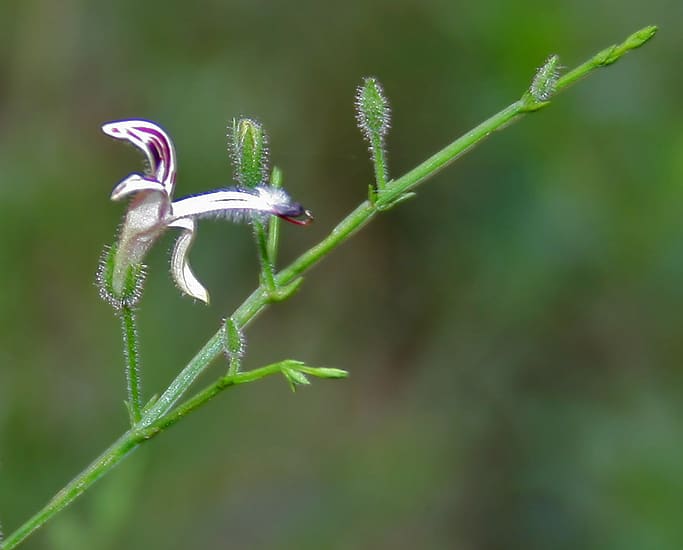 Andrographis (Andrographis paniculata)
Andrographis, commonly known as Green Chiretta or King of Bitters, is an upright annual herb reaching approximately 3 feet in height. Native to India and cultivated throughout northern regions of India and China, this bitter medicinal plant has been valued in Ayurvedic and traditional Chinese medicine for centuries. MSK notes that it has been studied mostly for colds, flu and upper respiratory infections. The plant thrives on plains and in forest undergrowth, where its spotted pale brown or purple flowers and long seed capsules distinguish it from other medicinal herbs.
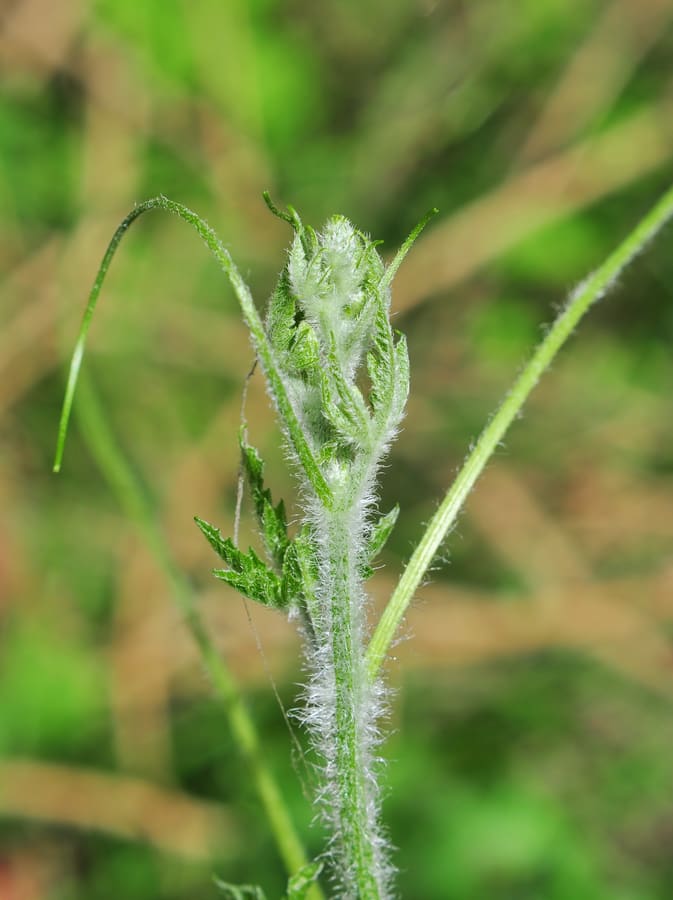 Bitter Melon (Momordica charantia)
Bitter melon is an annual climbing vine reaching about 6.5 feet, characterized by deeply lobed leaves, yellow flowers, and distinctive orange-yellow fruit. Native to southern Asia and now common throughout tropical regions worldwide, it is harvested year-round. Its edible fruit is used both as food and in medicine to treat diabetes in regions including Asia, East Africa and the Caribbean; MSK says data on whether it lowers blood sugar are limited.
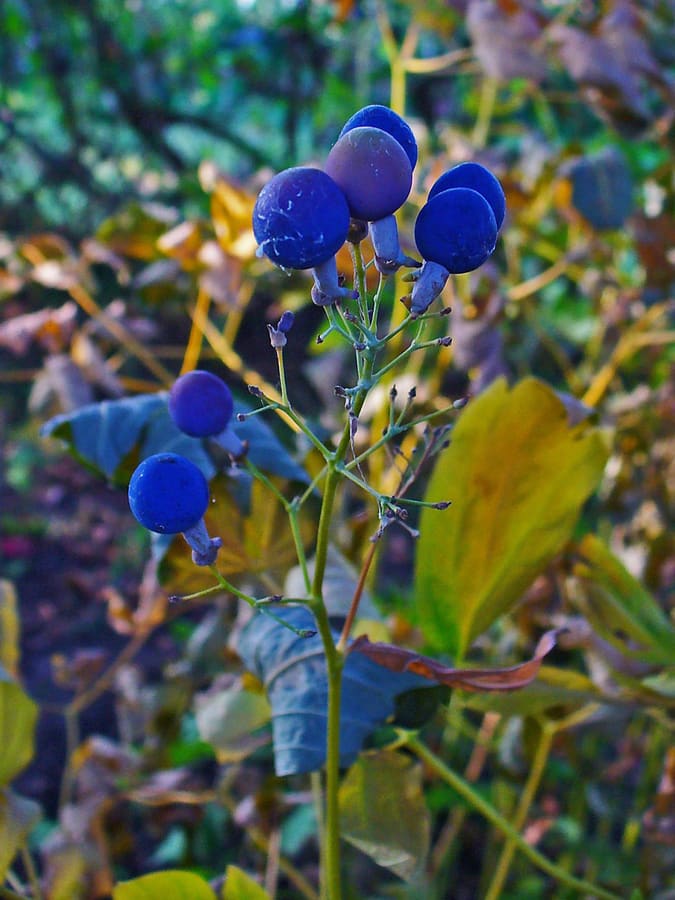 Blue Cohosh (Caulophyllum thalictroides)Not for self-dosing
Blue cohosh is an upright perennial herb reaching 3 feet in height, with large three-lobed leaves, yellow to purple flowers, and striking blue berries. It grows wild in much of eastern North America from Manitoba to Alabama, preferring woodland valleys and damp, north-facing slopes. The name 'cohosh' comes from the Algonquin language, and the plant was a popular remedy among many Native American tribes.
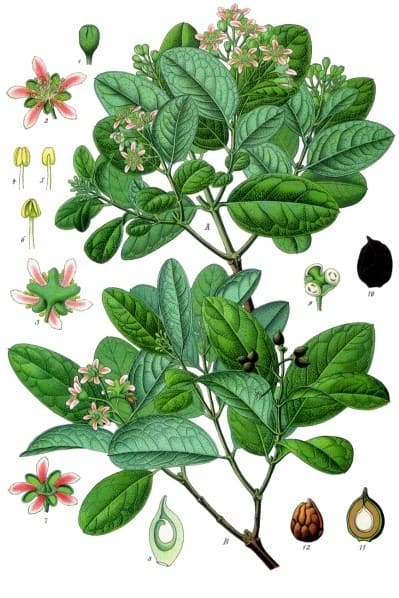 Boldo (Peumus boldus)Not for self-dosing
Boldo is a strongly aromatic multi-branched evergreen shrub or tree growing to 20 feet. It has egg-shaped leathery leaves with a lemony scent, clusters of white or yellow bell-shaped flowers, and small yellow berries. Native to Chile and Peru, it has become naturalized in the Mediterranean region and the West Coast of North America, where it grows on dry sunny slopes and in mountain pastures in the Andes. It is widely cultivated, and its leaves are gathered throughout the year.
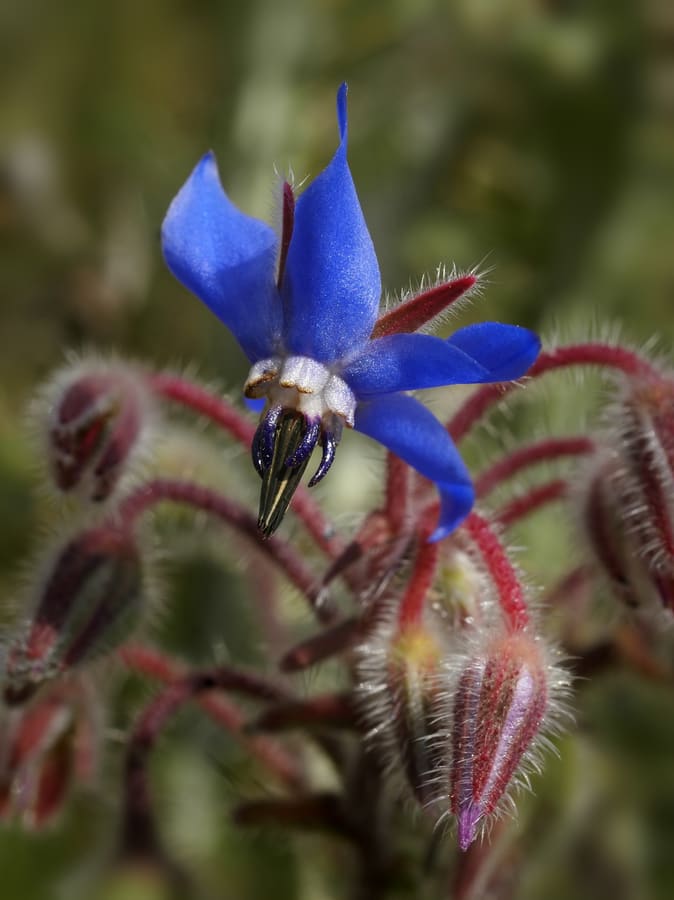 Borage (Borago officinalis)Not for self-dosing
Borage (Borago officinalis) is a coarse, hairy annual that grows to about 2 ft (60 cm), featuring a succulent stem, large basal leaves, and distinctively bright blue star-shaped flowers. The seeds yield an oil rich in gamma-linolenic acid (GLA), a polyunsaturated fatty acid.
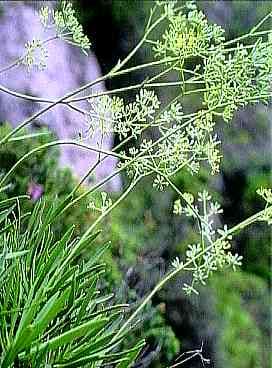 Bupleurum
Bupleurum is an important herb in traditional Chinese and Japanese medicine, often combined with other herbs for colds, fever, digestive disorders and chronic liver diseases (MSK). It contains saikosides (saikosaponins), which have shown anti-inflammatory effects in laboratory studies (MSK). MSK says human data on bupleurum are lacking, including for liver disease.