
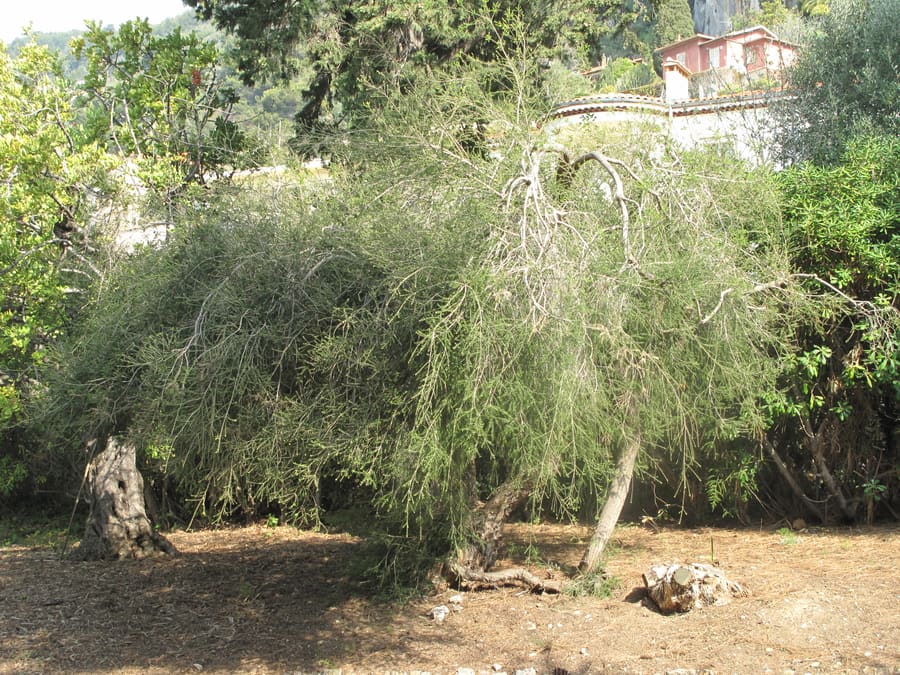
Tea Tree (Melaleuca alternifolia)
Photo: Tangopaso · Public domain
- Skin
- 2 conditions
- Licensed photo
Overview
Tea tree (Melaleuca alternifolia) is a small evergreen native to Australia, with papery bark, narrow leaves, and white to cream flower spikes. Its leaves yield a pungent essential oil; the Aboriginal people of Australia traditionally used the leaves for wounds, burns, and insect bites, and NCCIH says a small amount of evidence suggests the oil, applied to the skin, might help acne and athlete’s foot.
Traditional uses & properties
Antiseptic & Antimicrobial: Promoted for use on the skin for acne, athlete's foot, toenail fungus and lice; NCCIH says a small amount of evidence suggests it might help acne and athlete's foot. Internal Use: NCCIH says tea tree oil should not be swallowed. Dental & Oral Health: Mouthrinses with low concentrations have been promoted for gum problems, but their effectiveness is uncertain and they should not be swallowed. Skin Infections (traditional use): Traditionally used for insect bites and now promoted for lice; NCCIH says there is not enough evidence to know whether topical tea tree oil helps conditions other than acne and athlete's foot.
Amounts reported by sources
Preparation amounts are not shown for this herb. It is toxic, restricted, or otherwise unsafe to self-dose - the margin between a traditional dose and a harmful one is too small to publish as reference material. If you are considering it, that conversation belongs with a doctor or a qualified practitioner, not a website.
Safety & precautions
Essential Oil (Internal Use): Potentially toxic; NCCIH says tea tree oil should not be swallowed. Allergic Reaction: Rare but possible. Dilute before applying topically to sensitive skin.
Educational reference only - not medical advice. Herbs can interact with medications. Consult a qualified healthcare provider before use. Full disclaimer.
Drug interactions
Interaction data is not available for this herb - talk to a pharmacist before combining it with any medication. A blank entry here means we have not documented interactions, not that none exist.
Habitat
Endemic to moist soils of New South Wales and Queensland, tea tree is now cultivated extensively in these regions. Harvested year-round, leaves and small branches are steam-distilled for the essential oil.
Sources
The interaction notes and the statements on this page that name a source were written by HerbMate from these references, which were last checked in October 2026. They are summaries, not medical advice; ask a pharmacist about your own medicines.
Traditionally used for
Each condition shows its first 2 remedies free. Premium opens the full remedy list for every condition - or come back for the free Condition of the Day.
Frequently asked questions
What is Tea Tree (Melaleuca alternifolia) traditionally used for?
Traditional sources describe Tea Tree (Melaleuca alternifolia) as follows: Antiseptic & Antimicrobial: Promoted for use on the skin for acne, athlete's foot, toenail fungus and lice; NCCIH says a small amount of evidence suggests it might help acne and athlete's foot. Internal Use: NCCIH says tea tree oil should not be swallowed. Dental & Oral Health: Mouthrinses with low concentrations have been promoted for gum problems, but their effectiveness is uncertain and they should not be swallowed. Skin Infections (traditional use): Traditionally used for insect bites and now promoted for lice; NCCIH says there is not enough evidence to know whether topical tea tree oil helps conditions other than acne and athlete's foot.
How is Tea Tree (Melaleuca alternifolia) prepared?
Preparation amounts are not shown for this herb. It is toxic, restricted, or otherwise unsafe to self-dose - the margin between a traditional dose and a harmful one is too small to publish as reference material. If you are considering it, that conversation belongs with a doctor or a qualified practitioner, not a website.
What safety cautions apply to Tea Tree (Melaleuca alternifolia)?
Essential Oil (Internal Use): Potentially toxic; NCCIH says tea tree oil should not be swallowed. Allergic Reaction: Rare but possible. Dilute before applying topically to sensitive skin.
Related herbs
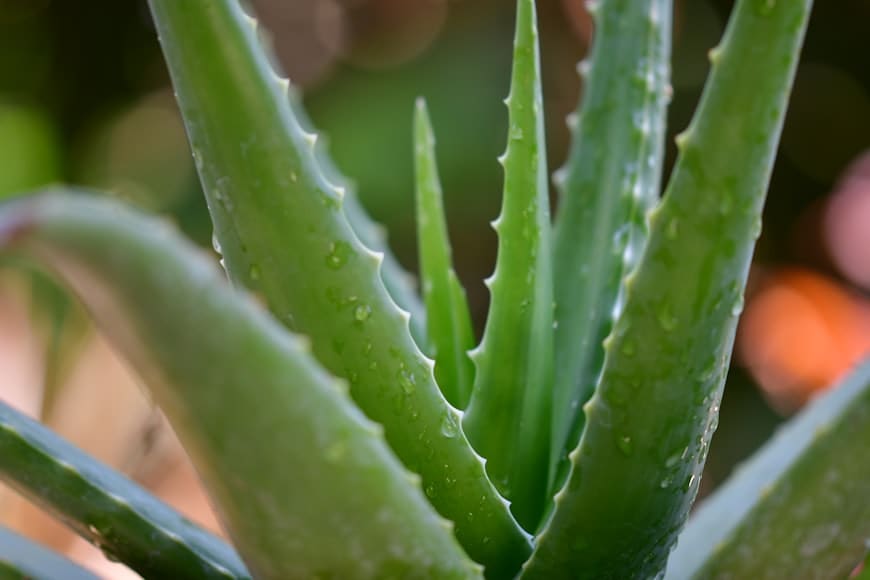 Aloe (Aloe vera)
Aloe vera (syn. A. barbadensis) is a succulent commonly grown as a potted plant, notable for its thick, fleshy leaves that contain two distinct medicinal components. Historically, the inner clear gel was used for skin conditions and to promote wound healing (NCCIH), while the bitter yellow sap from the leaf base, often called “bitter aloes,” is a strong laxative.
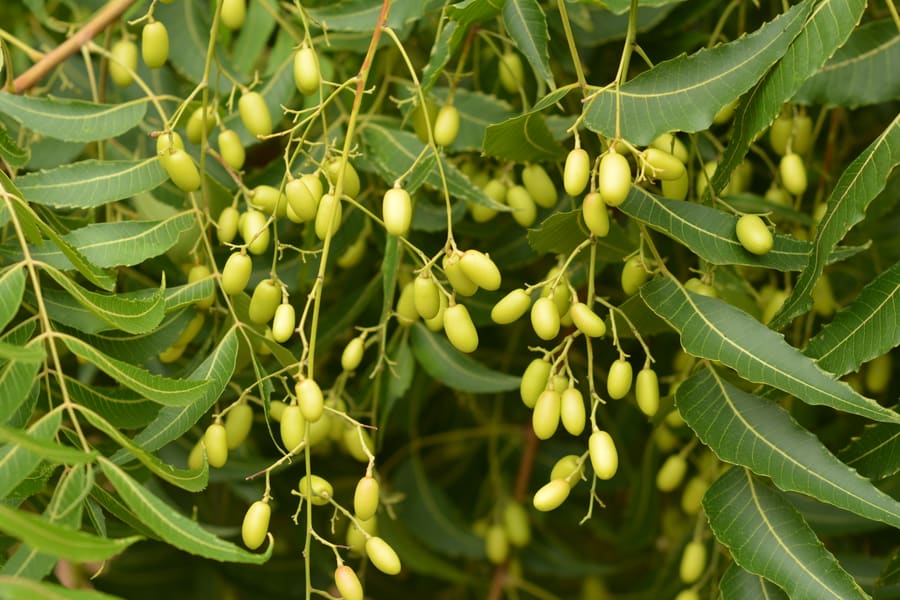 Neem (Azadirachta indica)
Neem (Azadirachta indica) is a large evergreen tree with compound leaves and white flowers, known in India as the “village pharmacy”. It is used in traditional and Ayurvedic medicine for skin conditions and stomach ailments; MSK says studies on its safety and effectiveness are lacking.
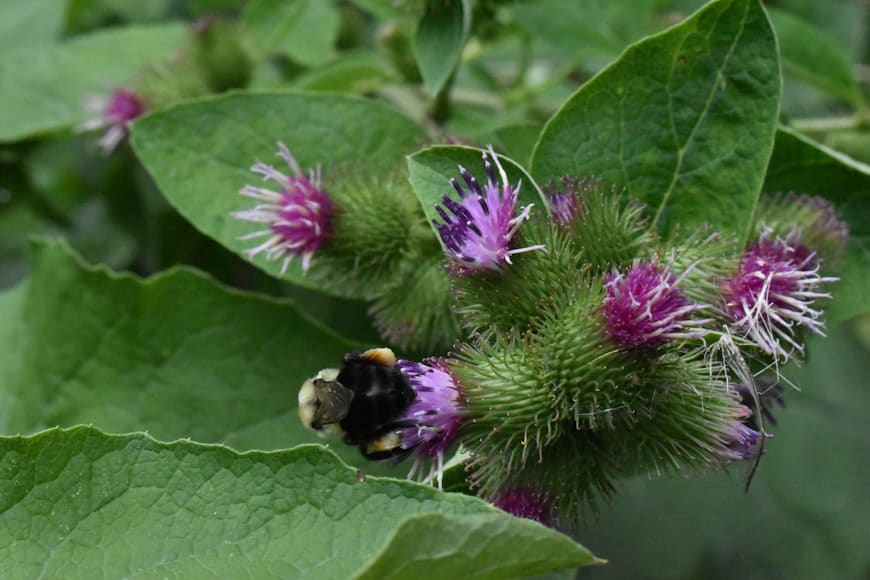 Burdock (Arctium lappa)
Burdock is a sturdy, bitter herb with large leaves.
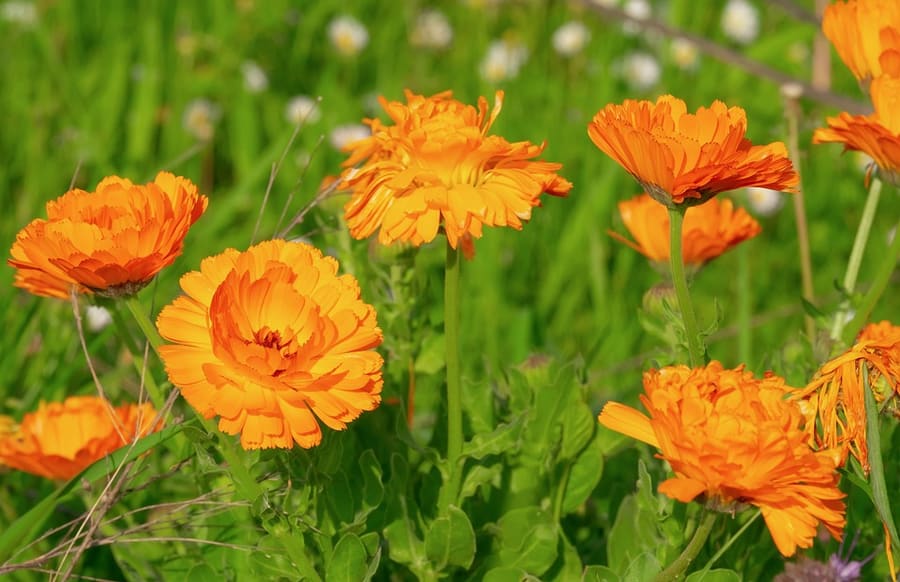 Calendula (Calendula officinalis)
Calendula (Calendula officinalis) has bright orange daisy-like flowers.
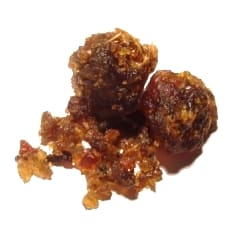 Guggul (Commiphora mukul)
Guggul is a spiny shrub or tree growing to 6.5 feet with oval, serrated leaves, brownish-red flowers, and red fruits. The gum resin obtained from the bark forms pale yellow to brown 'tears' on the stems. Thriving in dry, semi-arid, and desert environments across much of the Indian subcontinent and the Middle East, it has been valued in Ayurvedic medicine for millennia. Guggul has been used in Ayurvedic medicine for centuries, and it has been studied for raised blood cholesterol; MSK says evidence is lacking for weight loss, studies on cholesterol are mixed, and one study suggests it may raise cholesterol.
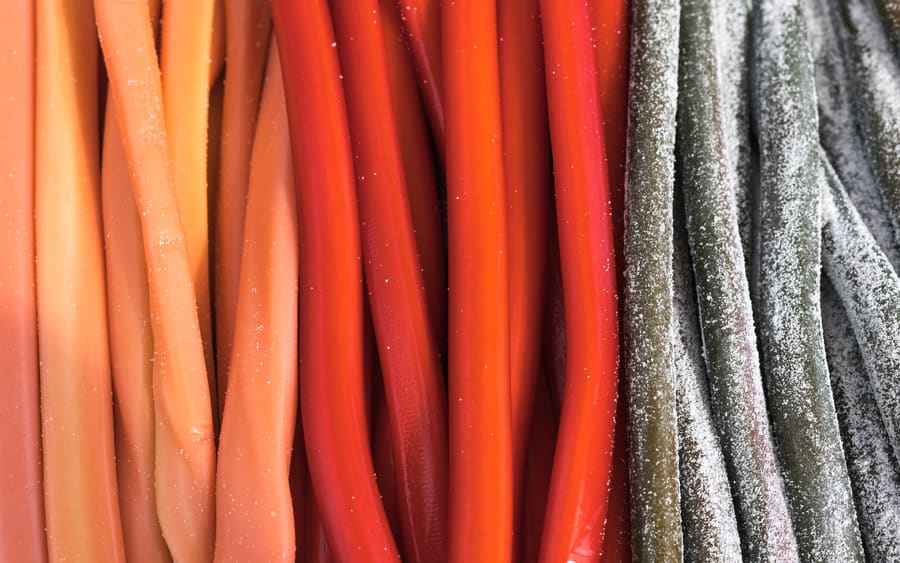 Licorice
Licorice (Glycyrrhiza glabra) is a tall, woody-stemmed perennial reaching about 6½ ft (2 m), with dark green leaves and cream-to-mauve pea-like flowers. Its root has a long history of use in traditional medicine for coughing, asthma and wound healing, and NCCIH says it is promoted today for digestive, respiratory and energy support. NCCIH says there isn't enough high-quality evidence to clearly support licorice for any health condition. Licorice is widely used in Chinese, European, and Western herbal medicine.
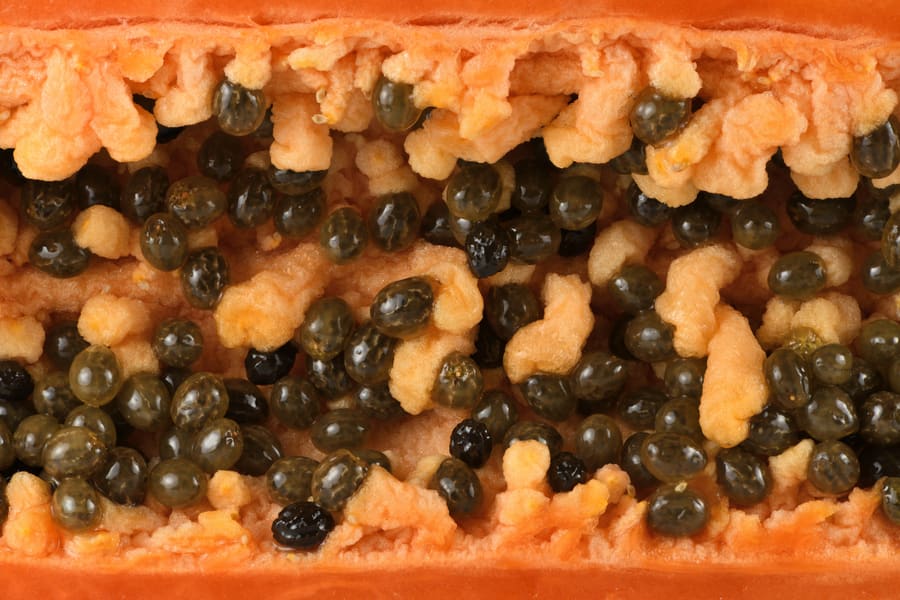 Papaya Leaf (Carica papaya)
Papaya is a fast-growing tropical tree that can reach up to 26 feet in height, producing large fruits weighing up to 11 pounds. Originally native to tropical America, papaya has been widely cultivated in tropical regions throughout the world. The plant has been used in traditional Mayan medicine, and the leaves are still employed as a meat tenderizer in tropical Latin America due to their protein-dissolving enzymes.