
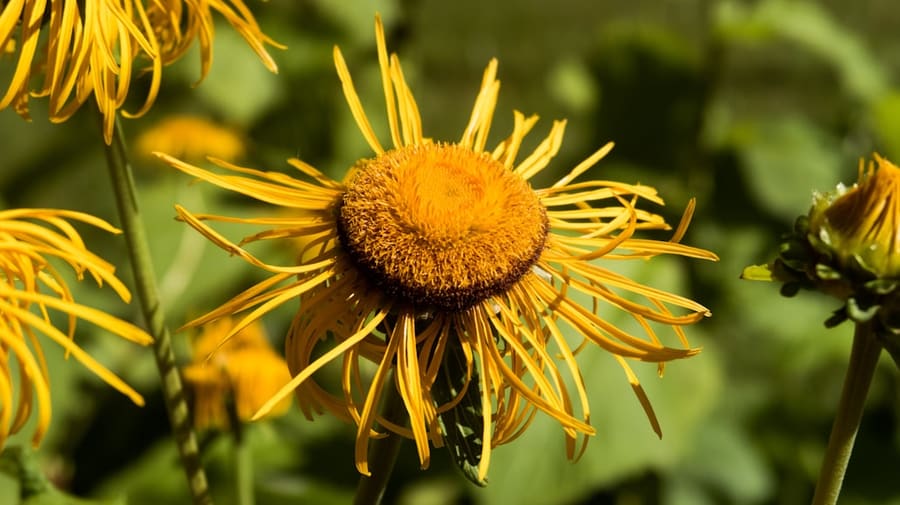
Elecampane (Inula helenium)
Photo: Unsplash
- Respiratory
- 2 conditions
- Licensed photo
Overview
Elecampane (Inula helenium), a perennial reaching up to 10 ft (3 m), produces bright, yellow daisy-like flowers and broad, pointed leaves. Revered since Roman times, it was linked to Helen of Troy in Greek legend. It contains inulin.
Safety & precautions
Skin Reactions: May cause dermatitis in sensitive individuals. Pregnancy & Breastfeeding: Traditionally avoided due to potential uterine stimulation. General: Consult a practitioner before use.
Educational reference only - not medical advice. Herbs can interact with medications. Consult a qualified healthcare provider before use. Full disclaimer.
Drug interactions
Interaction data is not available for this herb - talk to a pharmacist before combining it with any medication. A blank entry here means we have not documented interactions, not that none exist.
Habitat
Native to southeastern Europe and western Asia, elecampane thrives in damp, well-drained soil and is cultivated in many temperate zones, including parts of the U.S. Propagation is by seed in spring or root division. The root is typically unearthed in autumn, cut, and dried at high temperatures.
Traditionally used for
Each condition shows its first 2 remedies free. Premium opens the full remedy list for every condition - or come back for the free Condition of the Day.
Frequently asked questions
What safety cautions apply to Elecampane (Inula helenium)?
Skin Reactions: May cause dermatitis in sensitive individuals. Pregnancy & Breastfeeding: Traditionally avoided due to potential uterine stimulation. General: Consult a practitioner before use.
Related herbs
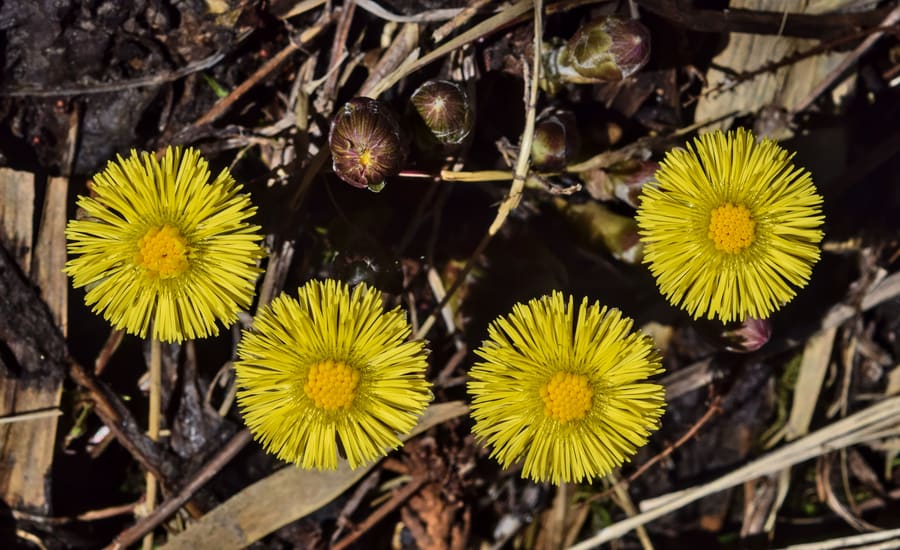 Coltsfoot (Tussilago farfara)Not for self-dosing
Coltsfoot is a perennial herb growing to 12 inches with flowering stems covered in purple scales, yellow-gold flowers, and heart-shaped leaves. Indigenous to Europe and northern Asia and naturalized in North America, it is commonly found along roadsides, on verges, and in open areas. The flowers are gathered in late winter, and the leaves in summer.
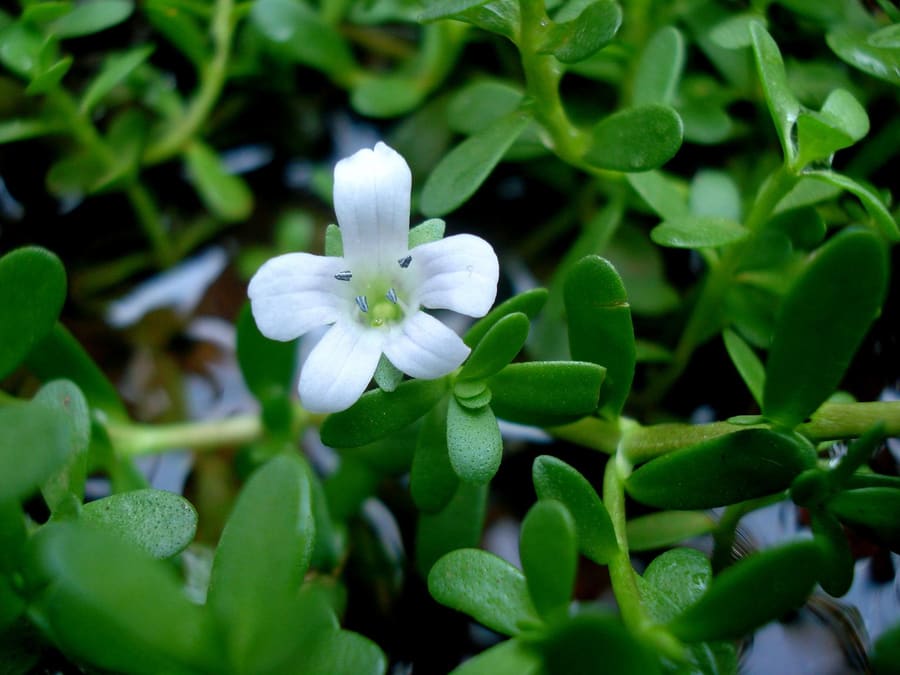 Bacopa (Bacopa monnieri)
Bacopa, also known as Water Hyssop or Brahmi, is a creeping succulent perennial that can grow to about 20 inches. It features spatula-shaped fleshy leaves and pale blue or white flowers on slender stalks. It thrives in marshlands and along the edges of mangrove swamps in warmer temperate and tropical climates, especially southern Asia, where it forms dense mats on mudflats.
 Caraway (Carum carvi)
Caraway is an aromatic annual herb growing to 2 feet with a ridged stem, feathery leaves, and umbels of white flowers in midsummer. Exploding capsules release two small narrow seeds. It grows wild in Europe, North Africa, and Asia, preferring sunny sites up to 6,600 feet above sea level. Cultivated in Europe, Russia, North Africa, and the United States, the seeds are harvested ripe in late summer. The seeds are commonly used in cooking.
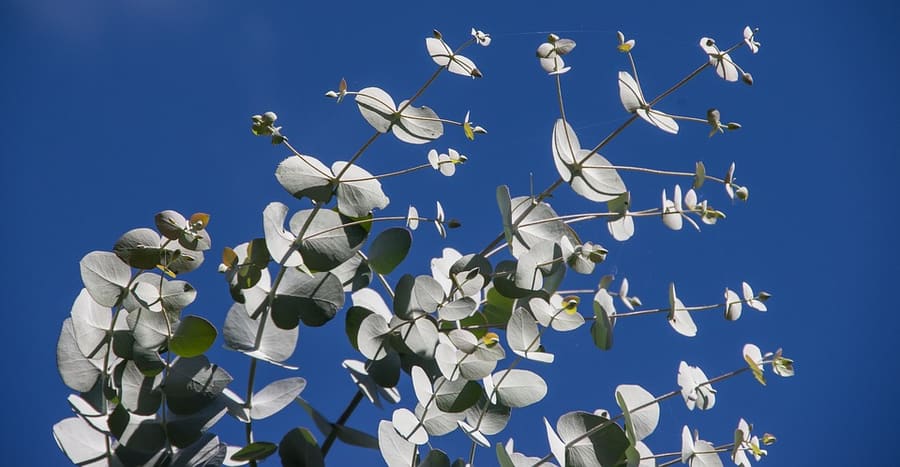 Eucalyptus (Eucalyptus globulus)
For many people the scent of eucalyptus conjures up days spent in bed during childhood with eucalyptus and other oils smothered on the chest. Eucalyptus is a common ingredient in many over-the-counter cold remedies.
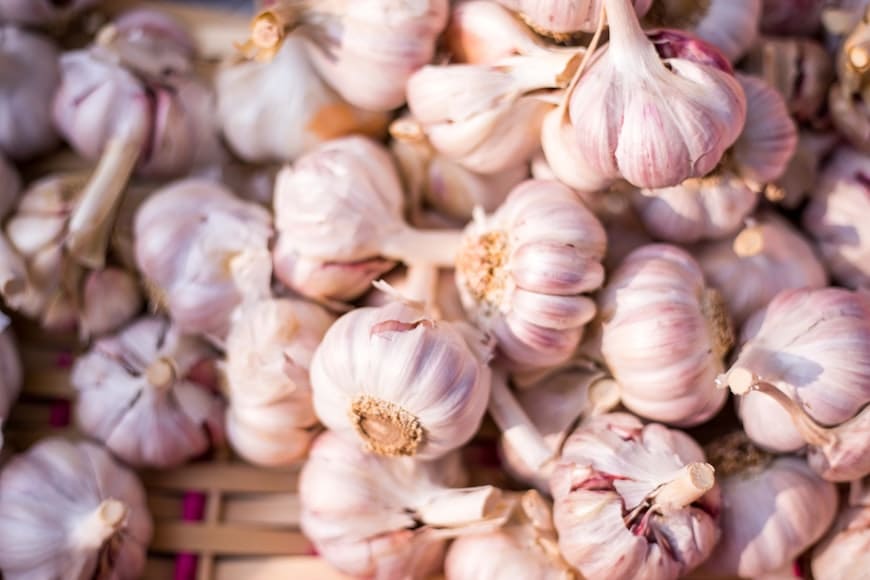 Garlic (Allium sativum)
Garlic (Allium sativum) is a bulbous perennial in the onion family, recognized for its sharp flavor and characteristic odor. It is widely used in cooking, and crushed fresh garlic contains allicin. NCCIH says garlic supplements may lower cholesterol, blood pressure and blood sugar to a small extent, but very little research has tested claims that they boost immunity.
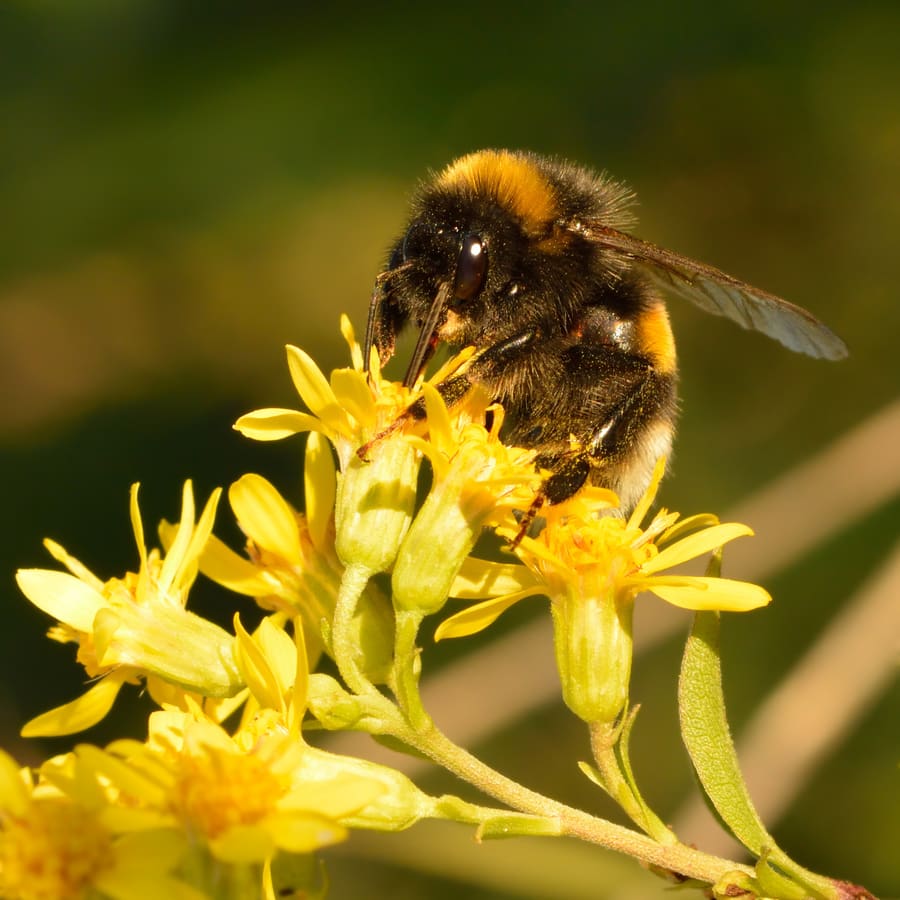 Goldenrod (Solidago virgaurea)
Goldenrod is a perennial plant growing to 28 inches with toothed leaves and branched spikes of golden-yellow flowers. Native to Europe and Asia and naturalized in North America, it prefers open areas and hillsides and is gathered in summer while in flower. The herbalist John Gerard commented wryly in 1597 about how goldenrod's value plummeted once it was discovered growing locally in Hampstead wood, London, noting society's tendency to esteem things only while they remain rare and foreign. Four hundred years later, this observation still rings true.
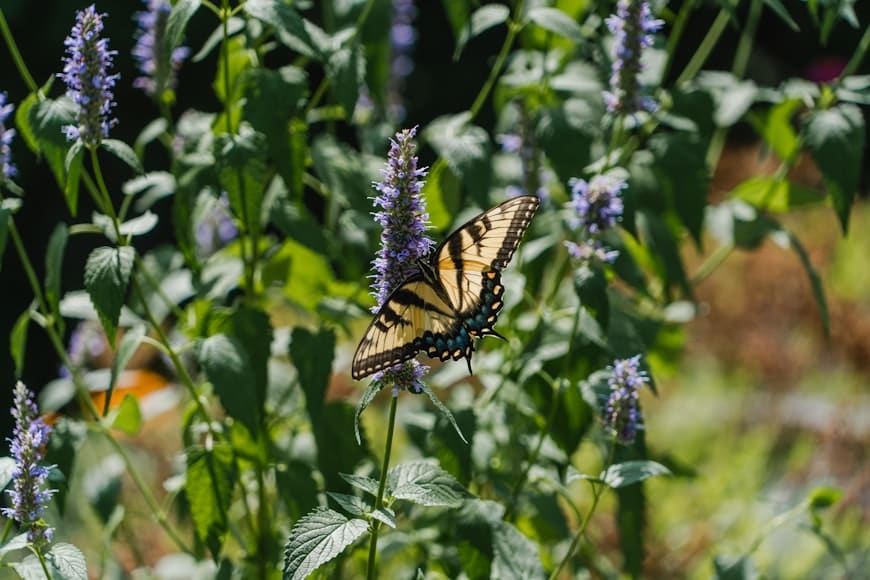 Hyssop (Hyssopus officinalis)
Hyssop (Hyssopus officinalis) is a semi-evergreen shrub growing up to about 2 ft (60 cm), with narrow leaves and clusters of bright blue, two-lipped flowers.
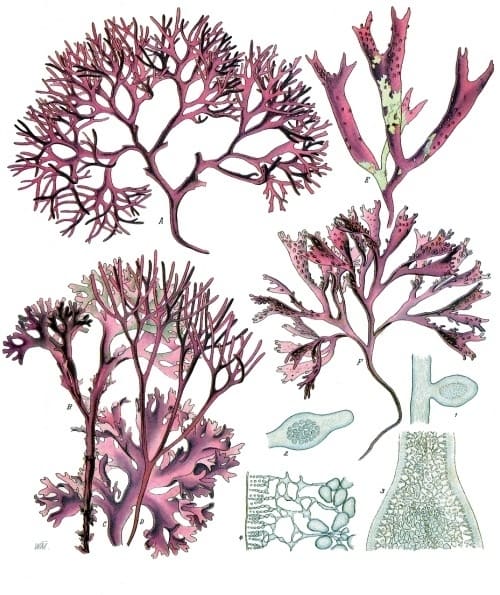 Irish Moss (Chondrus crispus)
Irish moss is a reddish-brown seaweed growing to 10 inches, with a flat, forked plant body and fan-shaped outline. Found on the Atlantic coasts of Europe and North America, it grows just below the waterline, attached to rocks and stones. In summer in North America and in autumn in Ireland, it is pulled up by hand or with a rake at low tide and dried in the sun. This seaweed is used extensively in the food and pharmaceutical industries as an emulsifying and binding agent, appearing in products such as toothpastes. Its polysaccharides become jelly-like when immersed in water, which makes it useful as a food ingredient.