
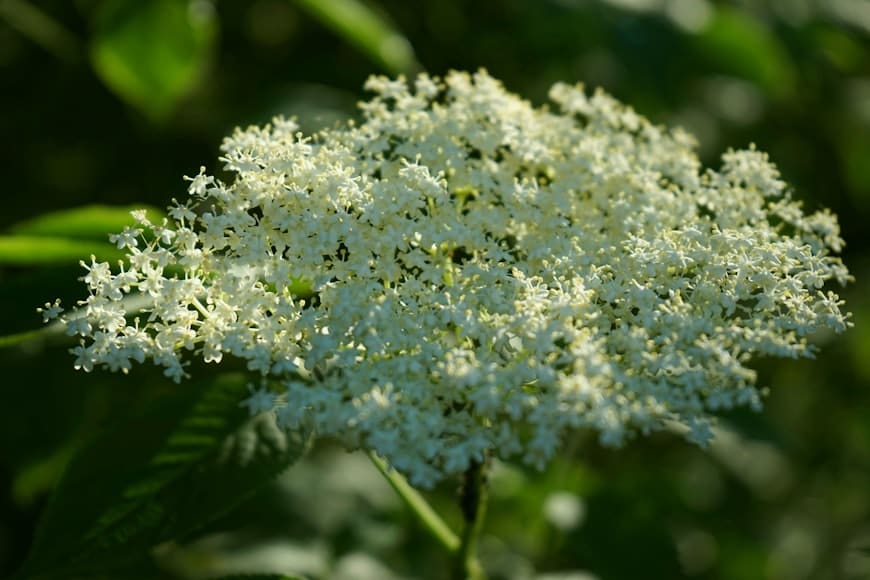
Elder (Sambucus nigra)
Photo: Unsplash
- General
- 1 condition
- Licensed photo
Overview
Elder (Sambucus nigra in Europe) is a deciduous tree that can reach 33 ft (10 m), bearing cream-colored clusters of flowers and dark blue-black berries. Rich in folklore, elder was historically believed to house a protective spirit (“Elder Mother”). Elderberry has been used in folk medicine for colds and flu; NCCIH says preliminary research suggests elderberry may relieve symptoms of flu, colds, or other upper respiratory infections.
Traditional uses & properties
Colds & Flu: NCCIH says preliminary research suggests elderberry may relieve symptoms of flu, colds, or other upper respiratory infections. Nutritive: The berries provide vitamins A and C.
Safety & precautions
Mild Toxicity in Fresh Plant: Raw stems, bark, root, and unripe berries can induce nausea, vomiting, or diarrhea. Preparation: Flowers and berries should be dried or (in the case of berries) boiled briefly before use to reduce the risk of upset. Autoimmune Conditions: Use cautiously, as elder can stimulate immune activity.
Educational reference only - not medical advice. Herbs can interact with medications. Consult a qualified healthcare provider before use. Full disclaimer.
Drug interactions
Interaction data for elderberry are limited. [1, 2]
- Immunosuppressants
- ODS says elderberry's possible immune-stimulating activity might make these drugs less effective. [1]
- Diabetes medicines
- MSK notes blood-sugar-lowering activity that could add to these drugs. Relevance to people is unconfirmed. [2]
- Diuretics and laxatives
- MSK notes that elderberry promotes urination and had laxative effects in studies, so it may add to these medicines. [2]
How to read this section: each entry is HerbMate's summary of what the cited sources report. Words such as "may", "theoretical" or "in laboratory or animal studies" mean the effect has not been confirmed in people, and "case report" means it was seen in one or a few patients. A medicine that is not listed here has not been shown to be safe with this herb. The numbers in brackets link to the sources at the foot of the page.
Habitat
Widespread in temperate regions, elder thrives in woods, hedges, and open fields. It is easily cultivated from cuttings in spring. The flowering tops are collected in late spring, and the berries in early autumn.
Sources
The interaction notes and the statements on this page that name a source were written by HerbMate from these references, which were last checked in October 2026. They are summaries, not medical advice; ask a pharmacist about your own medicines.
Traditionally used for
Each condition shows its first 2 remedies free. Premium opens the full remedy list for every condition - or come back for the free Condition of the Day.
Frequently asked questions
What is Elder (Sambucus nigra) traditionally used for?
Traditional sources describe Elder (Sambucus nigra) as follows: Colds & Flu: NCCIH says preliminary research suggests elderberry may relieve symptoms of flu, colds, or other upper respiratory infections. Nutritive: The berries provide vitamins A and C.
What safety cautions apply to Elder (Sambucus nigra)?
Mild Toxicity in Fresh Plant: Raw stems, bark, root, and unripe berries can induce nausea, vomiting, or diarrhea. Preparation: Flowers and berries should be dried or (in the case of berries) boiled briefly before use to reduce the risk of upset. Autoimmune Conditions: Use cautiously, as elder can stimulate immune activity.
Related herbs
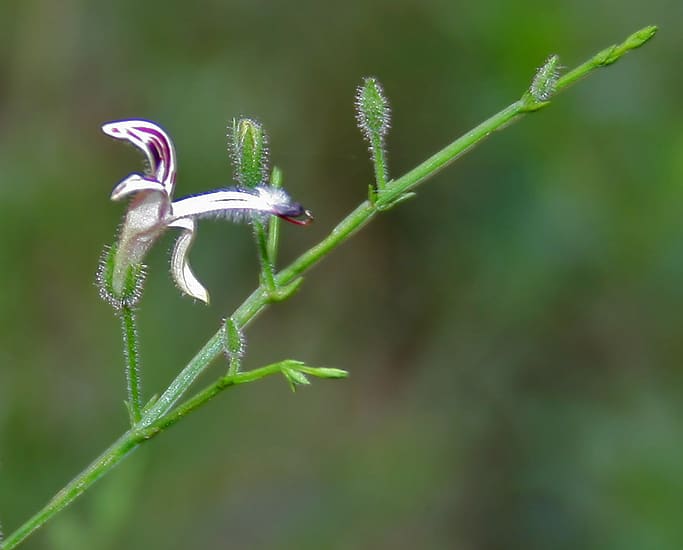 Andrographis (Andrographis paniculata)
Andrographis, commonly known as Green Chiretta or King of Bitters, is an upright annual herb reaching approximately 3 feet in height. Native to India and cultivated throughout northern regions of India and China, this bitter medicinal plant has been valued in Ayurvedic and traditional Chinese medicine for centuries. MSK notes that it has been studied mostly for colds, flu and upper respiratory infections. The plant thrives on plains and in forest undergrowth, where its spotted pale brown or purple flowers and long seed capsules distinguish it from other medicinal herbs.
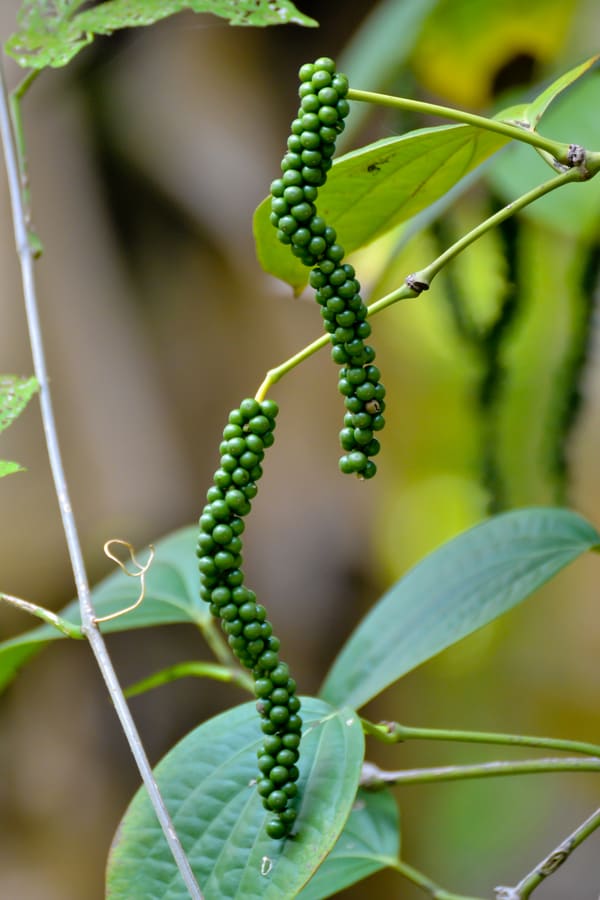 Black Pepper (Piper nigrum)
Black pepper is a perennial woody climbing vine growing to about 16 feet, with large oval leaves, spikes of small white flowers, and clusters of small round fruits that ripen from green to red. Native to southwestern India and now cultivated in tropical areas worldwide, the fruit is harvested from plants that are at least three years old. Different processing methods yield green, black, red, and white peppercorns, each with distinct flavors and uses. Cultivated as both a spice and medicine since ancient times, pepper was such a prized commodity in world trade that Attila the Hun reportedly demanded 3,000 pounds of it as ransom during his siege of Rome in 408 CE.
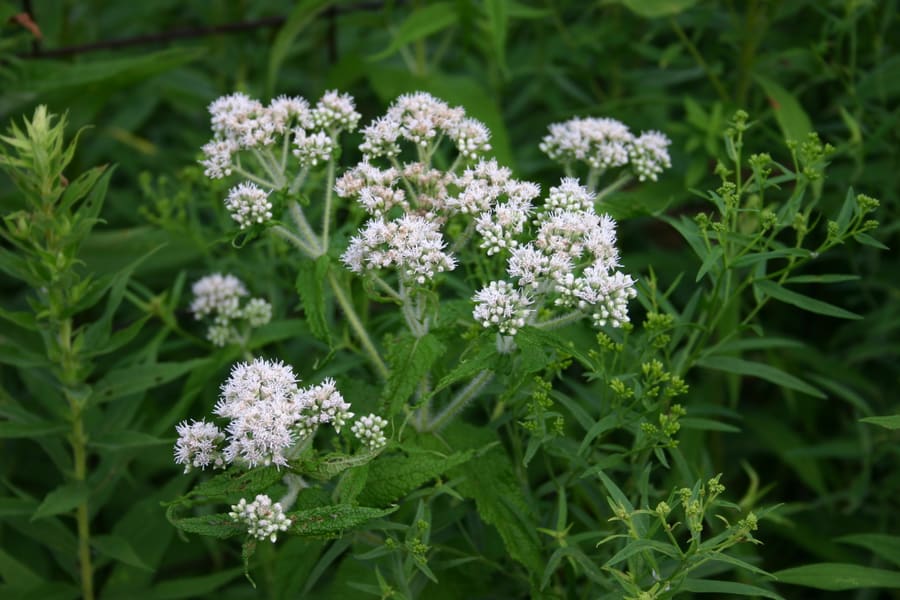 Boneset (Eupatorium perfoliatum)Not for self-dosing
Boneset (Eupatorium perfoliatum) is a bitter-tasting, upright perennial that can reach about 5 ft (1.5 m). It has lance-shaped leaves and clusters of small white or sometimes purple florets.
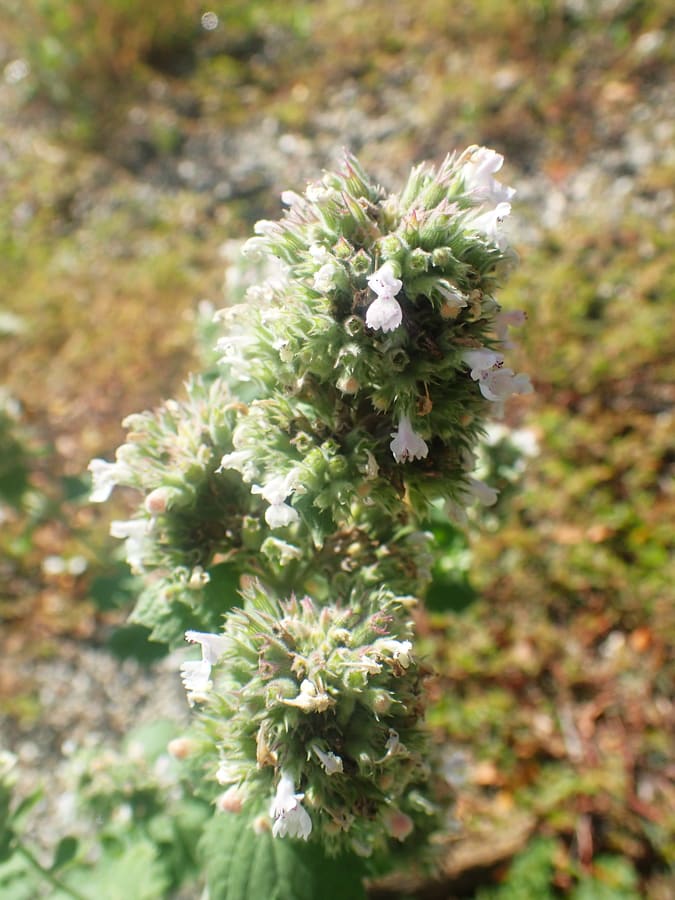 Catnip (Nepeta cataria)
Catnip is a downy, aromatic perennial growing to 3 feet with heart-shaped, gray-green leaves and whorls of white flowers marked with purple spots. Native to Europe and naturalized in North America, it grows in dry wayside places and mountainous regions up to altitudes of 5,000 feet. The plant is gathered when in flower during summer and autumn. Catnip has an excitatory effect on cats.
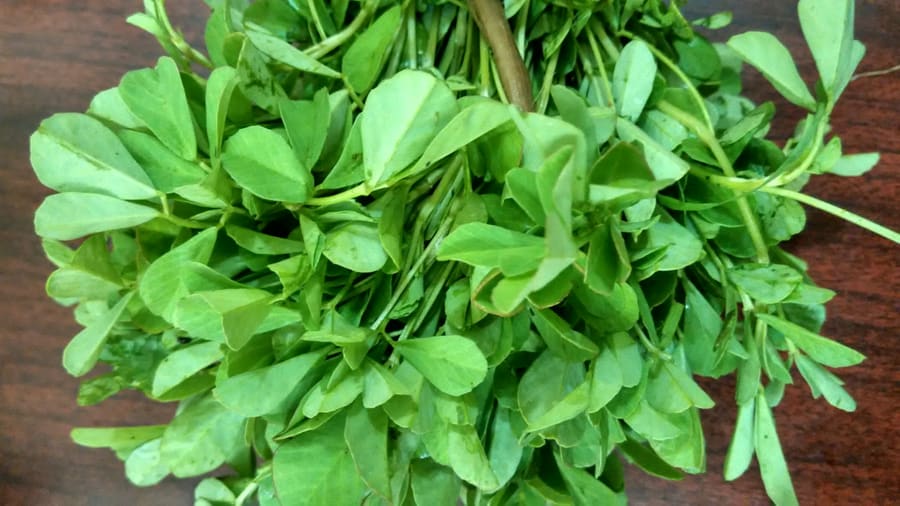 Fenugreek (Trigonella foenum-graecum)
Fenugreek is much used in herbal medicine in North Africa, the Middle East, and India. Its seeds have been used to increase breast-milk production; NCCIH says studies of this use have had mixed results. Fenugreek is also thought to be antidiabetic, although NCCIH says there is not enough high-quality evidence to know whether it helps diabetes.
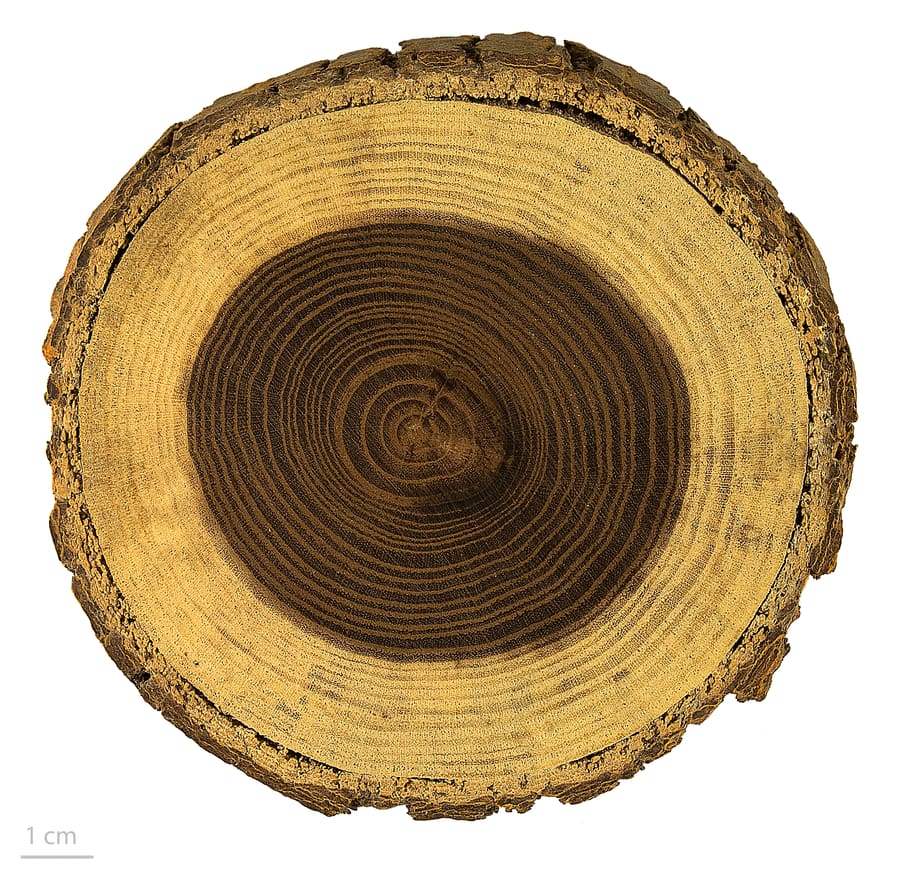 Mulberry Leaf (Morus alba)
White mulberry is a deciduous tree cultivated for over 5,000 years, primarily known as the preferred food source for silkworms. The leaves contain flavonoids along with vitamins A, B1, B2 and C.
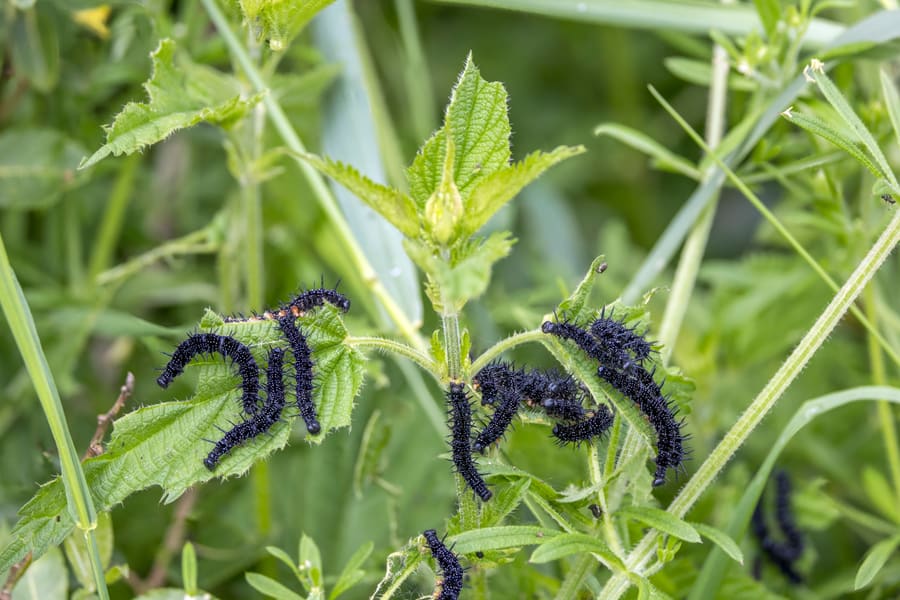 Nettle (Urtica dioica)
Stinging nettle (Urtica dioica) is a perennial growing up to about 5 ft (1.5 m), recognized by its lance-shaped, serrated leaves and tiny greenish flowers. Though capable of “stinging,” nettle leaves and seeds are rich in protein, minerals and vitamins.
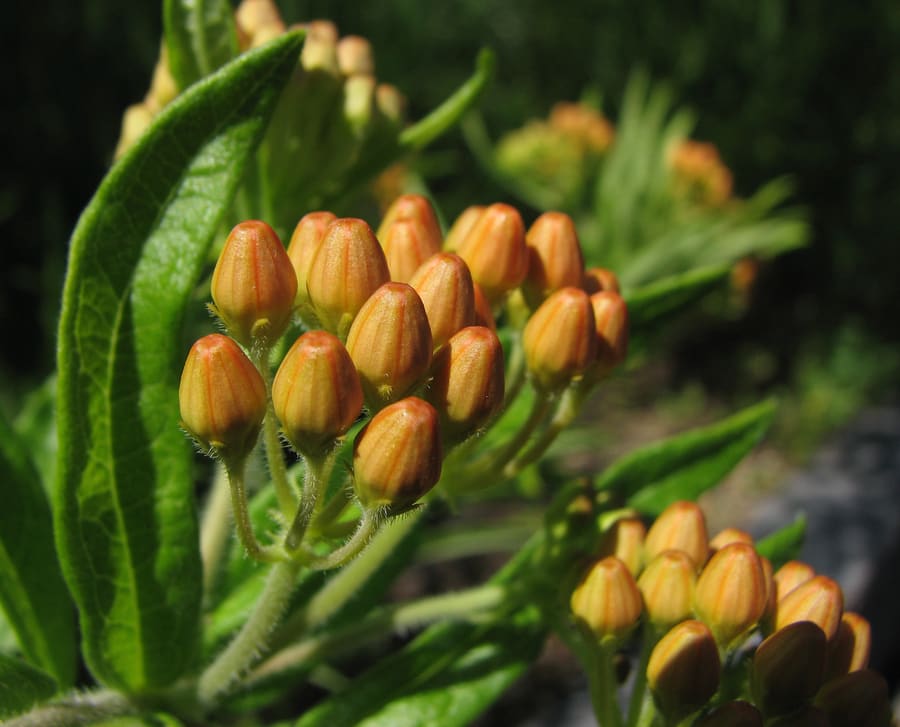 Pleurisy Root (Asclepias tuberosa)
Pleurisy root is an upright perennial herb growing to 3 feet tall, featuring narrow lance-shaped leaves and spikes of orange or yellow five-petaled flowers. It is native to the southern United States. The root is harvested in spring.