
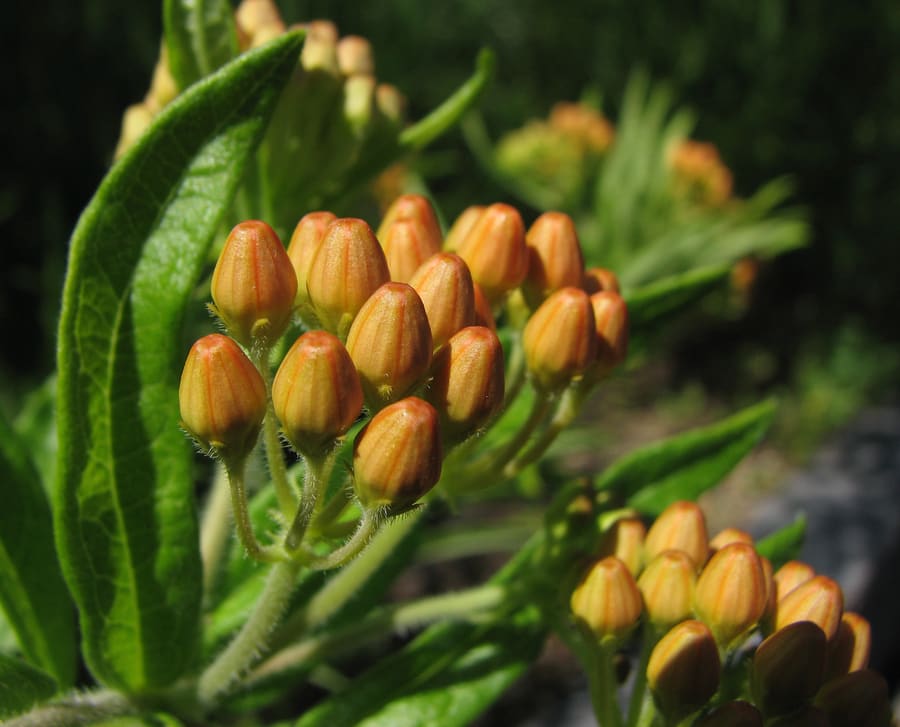
Pleurisy Root (Asclepias tuberosa)
Photo: Photo by and (c)2008 Derek Ramsey ( Ram-Man ). Co-attribution must be given to the Chanticleer Garden. · CC BY-SA 3.0
- General
- 3 conditions
- Licensed photo
Overview
Pleurisy root is an upright perennial herb growing to 3 feet tall, featuring narrow lance-shaped leaves and spikes of orange or yellow five-petaled flowers. It is native to the southern United States. The root is harvested in spring.
Safety & precautions
Do not take during pregnancy. Excessive doses may cause vomiting.
Educational reference only - not medical advice. Herbs can interact with medications. Consult a qualified healthcare provider before use. Full disclaimer.
Drug interactions
Interaction data is not available for this herb - talk to a pharmacist before combining it with any medication. A blank entry here means we have not documented interactions, not that none exist.
Habitat
Native to the southern United States. The root is harvested in spring.
Traditionally used for
Each condition shows its first 2 remedies free. Premium opens the full remedy list for every condition - or come back for the free Condition of the Day.
Frequently asked questions
What safety cautions apply to Pleurisy Root (Asclepias tuberosa)?
Do not take during pregnancy. Excessive doses may cause vomiting.
Related herbs
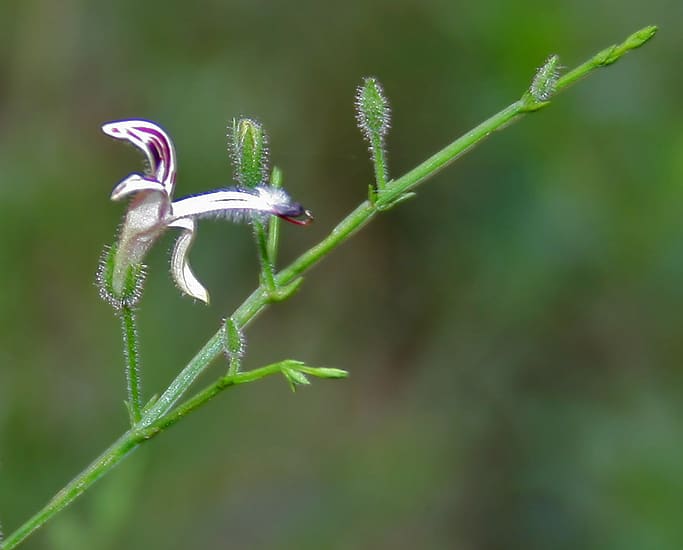 Andrographis (Andrographis paniculata)
Andrographis, commonly known as Green Chiretta or King of Bitters, is an upright annual herb reaching approximately 3 feet in height. Native to India and cultivated throughout northern regions of India and China, this bitter medicinal plant has been valued in Ayurvedic and traditional Chinese medicine for centuries. MSK notes that it has been studied mostly for colds, flu and upper respiratory infections. The plant thrives on plains and in forest undergrowth, where its spotted pale brown or purple flowers and long seed capsules distinguish it from other medicinal herbs.
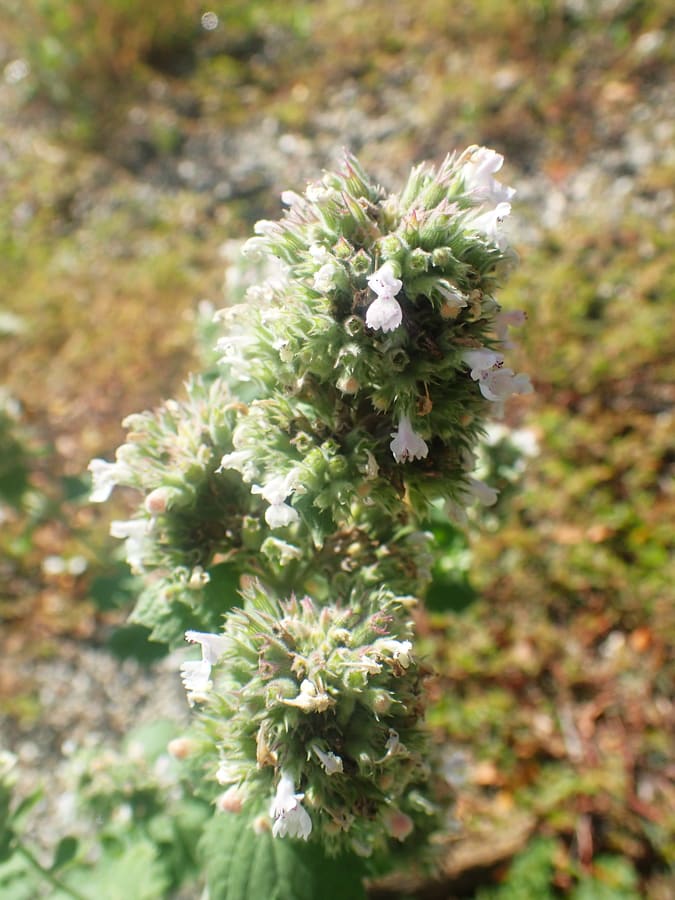 Catnip (Nepeta cataria)
Catnip is a downy, aromatic perennial growing to 3 feet with heart-shaped, gray-green leaves and whorls of white flowers marked with purple spots. Native to Europe and naturalized in North America, it grows in dry wayside places and mountainous regions up to altitudes of 5,000 feet. The plant is gathered when in flower during summer and autumn. Catnip has an excitatory effect on cats.
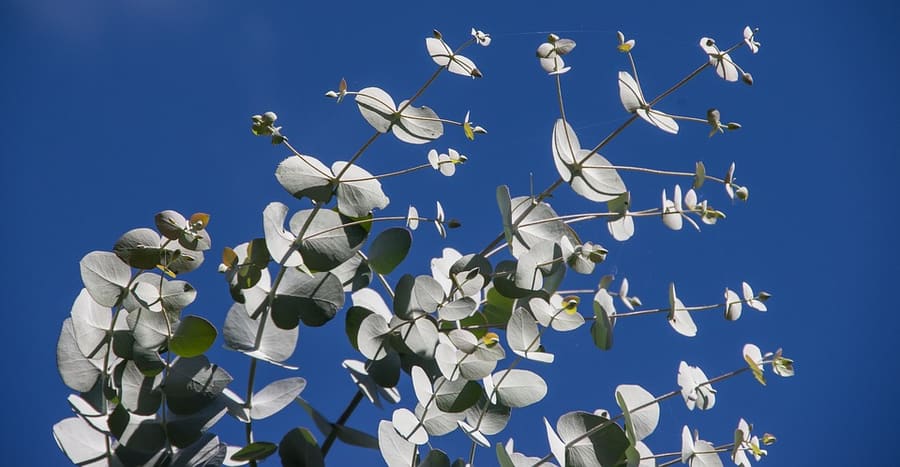 Eucalyptus (Eucalyptus globulus)
For many people the scent of eucalyptus conjures up days spent in bed during childhood with eucalyptus and other oils smothered on the chest. Eucalyptus is a common ingredient in many over-the-counter cold remedies.
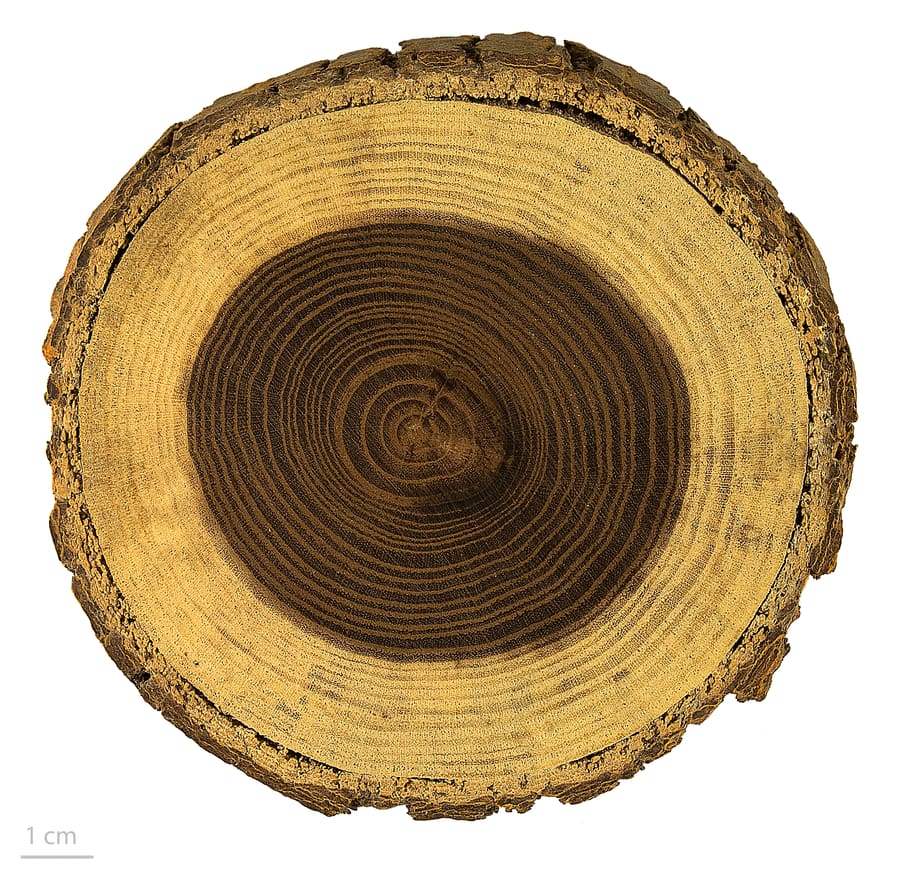 Mulberry Leaf (Morus alba)
White mulberry is a deciduous tree cultivated for over 5,000 years, primarily known as the preferred food source for silkworms. The leaves contain flavonoids along with vitamins A, B1, B2 and C.
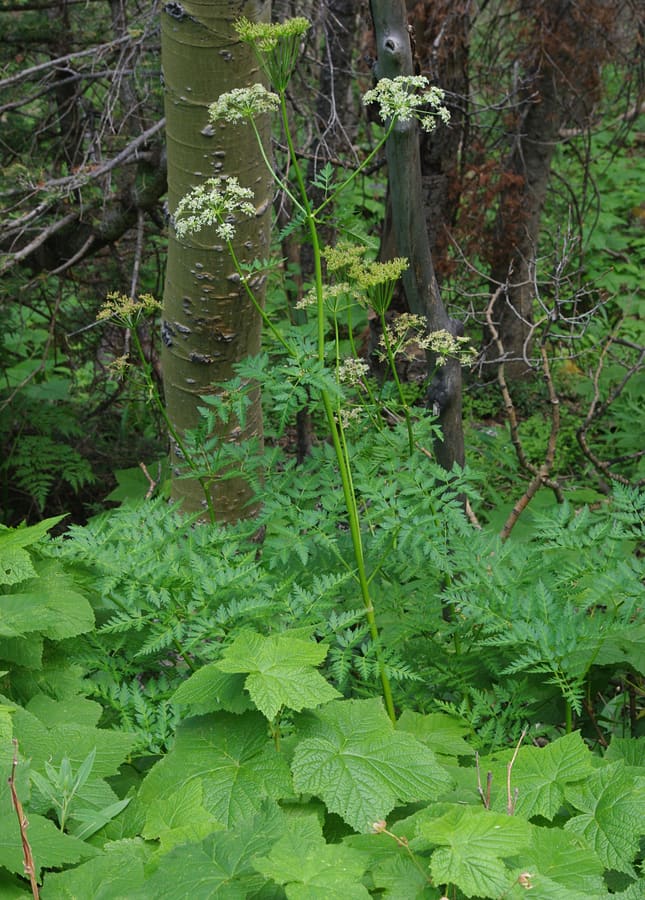 Osha (Ligusticum porteri)
Osha has been overharvested in the wild and is extremely difficult to cultivate. It is listed on the United Plant Savers at-risk list. Until wild populations stabilize, its use should be limited.
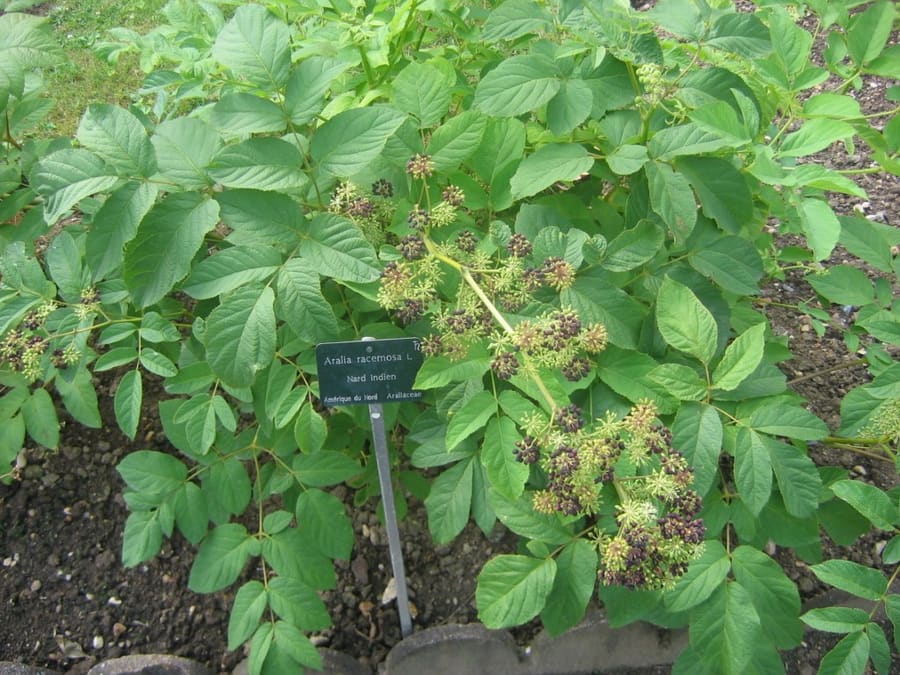 Spikenard (Aralia racemosa)
American spikenard (Aralia racemosa) is a tall, aromatic perennial bush up to about 6½ ft (2 m), with fleshy roots, large compound leaves, and clusters of greenish-white flowers followed by red or purple berries.
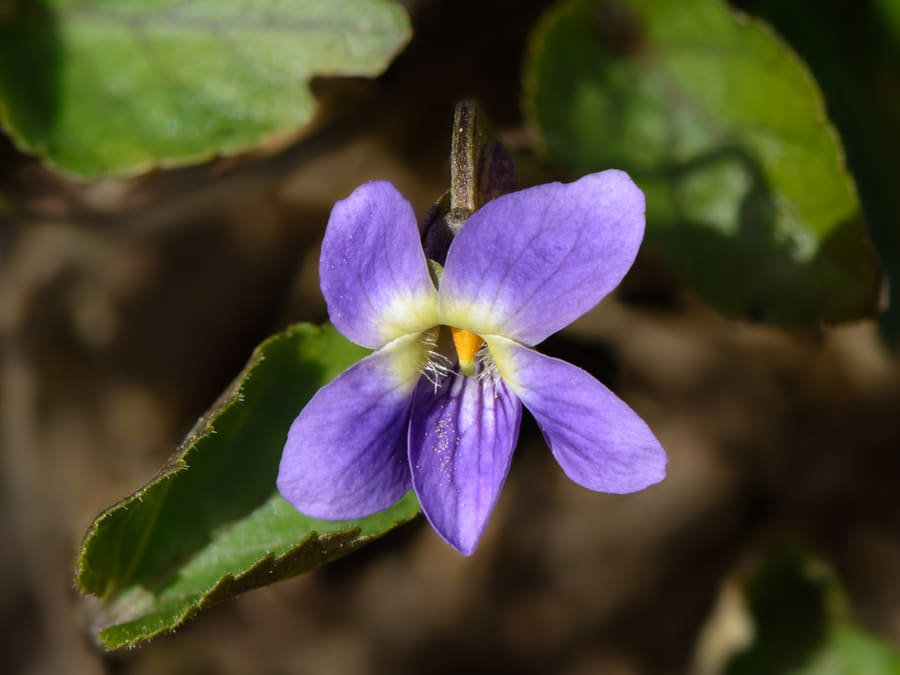 Violet (Viola odorata)
Sweet violet is a creeping perennial growing to 6 inches tall with toothed oval leaves and attractive violet-blue or white flowers with a five-petaled corolla. Native to much of Europe and Asia, it is a common wayside plant also found along roadsides and in woodlands. In classical mythology, sweet violet was associated with death.
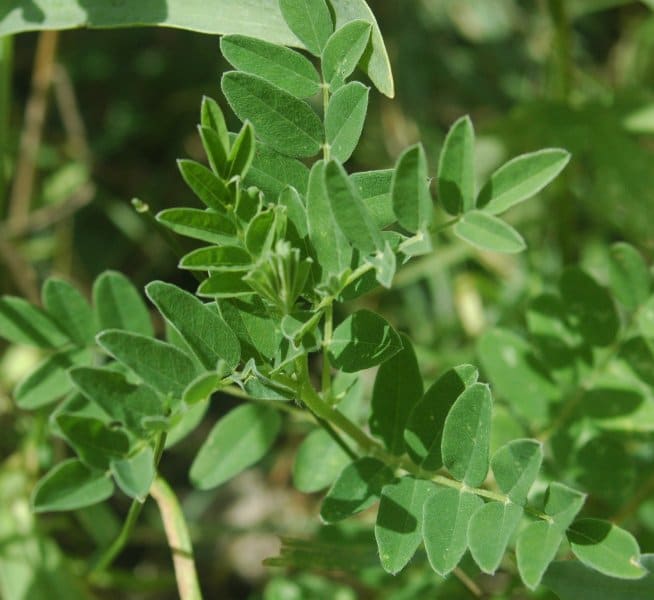 Astragalus (Astragalus membranaceus)
Astragalus (Astragalus membranaceus), known in China as huang qi, is a perennial reaching about 16 in (40 cm), with hairy stems and compound leaves composed of multiple leaflet pairs. Its root has been used for centuries in traditional Chinese medicine, often with other herbs, and NCCIH says it is promoted to improve the response of the immune system. NCCIH says there is not enough reliable evidence to know whether astragalus helps any health condition.