
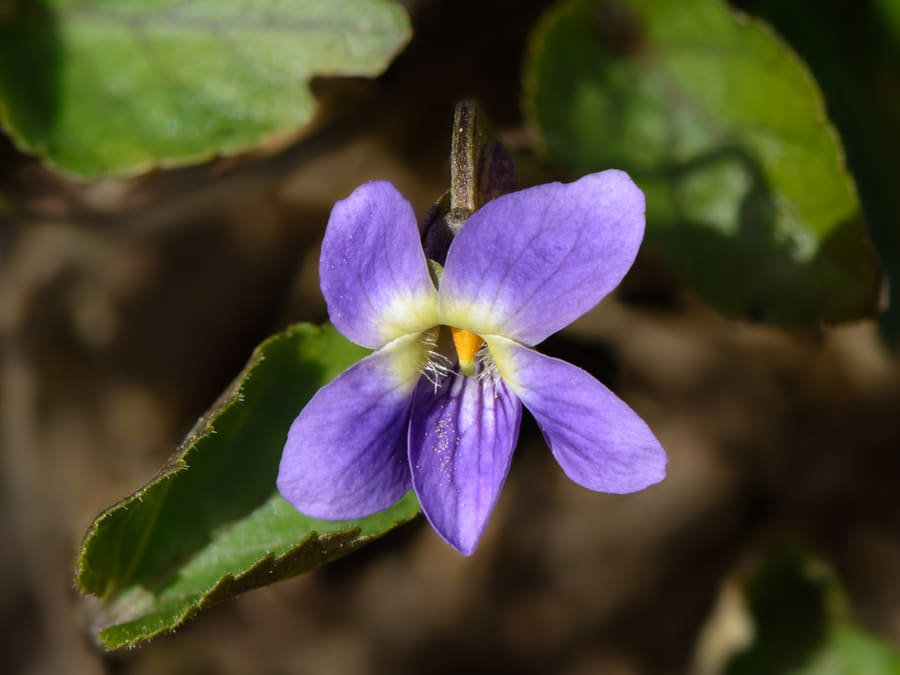
Violet (Viola odorata)
Photo: Uoaei1 · CC BY-SA 4.0
- Mental
- 4 conditions
- Licensed photo
Overview
Sweet violet is a creeping perennial growing to 6 inches tall with toothed oval leaves and attractive violet-blue or white flowers with a five-petaled corolla. Native to much of Europe and Asia, it is a common wayside plant also found along roadsides and in woodlands. In classical mythology, sweet violet was associated with death.
Traditional uses & properties
The root can cause vomiting at higher doses.
Safety & precautions
The root should be used cautiously due to its stronger expectorant and potential emetic effects at higher doses.
Educational reference only - not medical advice. Herbs can interact with medications. Consult a qualified healthcare provider before use. Full disclaimer.
Drug interactions
Interaction data is not available for this herb - talk to a pharmacist before combining it with any medication. A blank entry here means we have not documented interactions, not that none exist.
Habitat
Native to much of Europe and Asia. Common wayside plant found along roadsides and in woodlands. Flowers and leaves are collected in spring, the root in autumn.
Traditionally used for
- Insomnia9 herbs · 2 free
- Asthma14 herbs · 2 free
- Bronchitis17 herbs · 2 free
- Cold and Flu16 herbs · 2 free
Each condition shows its first 2 remedies free. Premium opens the full remedy list for every condition - or come back for the free Condition of the Day.
Frequently asked questions
What is Violet (Viola odorata) traditionally used for?
Traditional sources describe Violet (Viola odorata) as follows: The root can cause vomiting at higher doses.
What safety cautions apply to Violet (Viola odorata)?
The root should be used cautiously due to its stronger expectorant and potential emetic effects at higher doses.
Related herbs
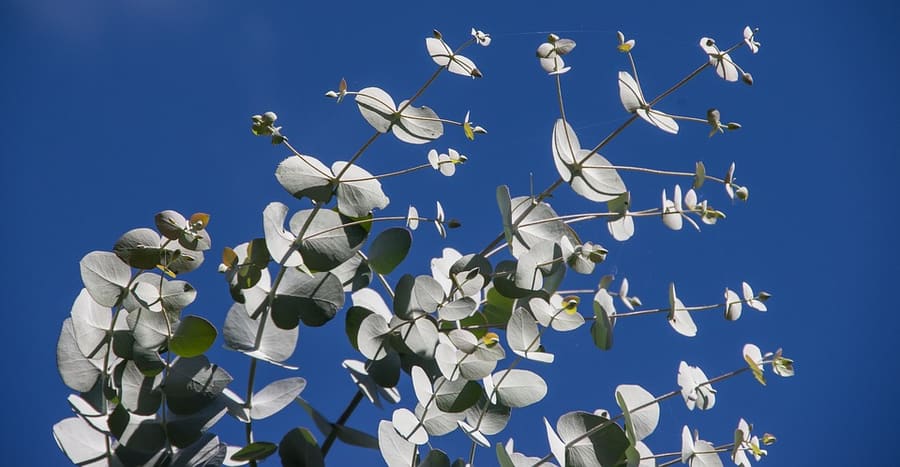 Eucalyptus (Eucalyptus globulus)
For many people the scent of eucalyptus conjures up days spent in bed during childhood with eucalyptus and other oils smothered on the chest. Eucalyptus is a common ingredient in many over-the-counter cold remedies.
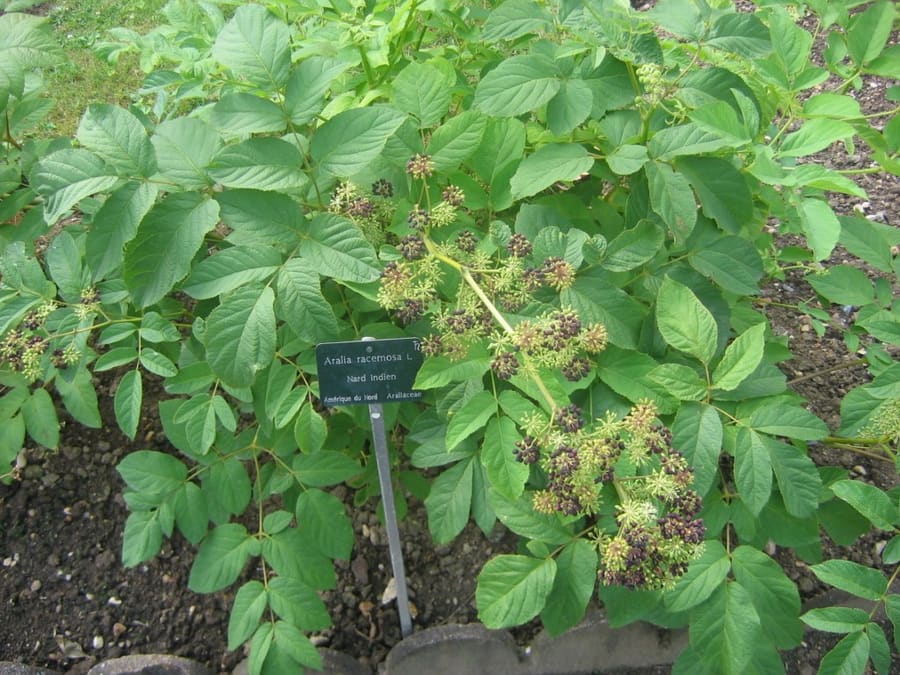 Spikenard (Aralia racemosa)
American spikenard (Aralia racemosa) is a tall, aromatic perennial bush up to about 6½ ft (2 m), with fleshy roots, large compound leaves, and clusters of greenish-white flowers followed by red or purple berries.
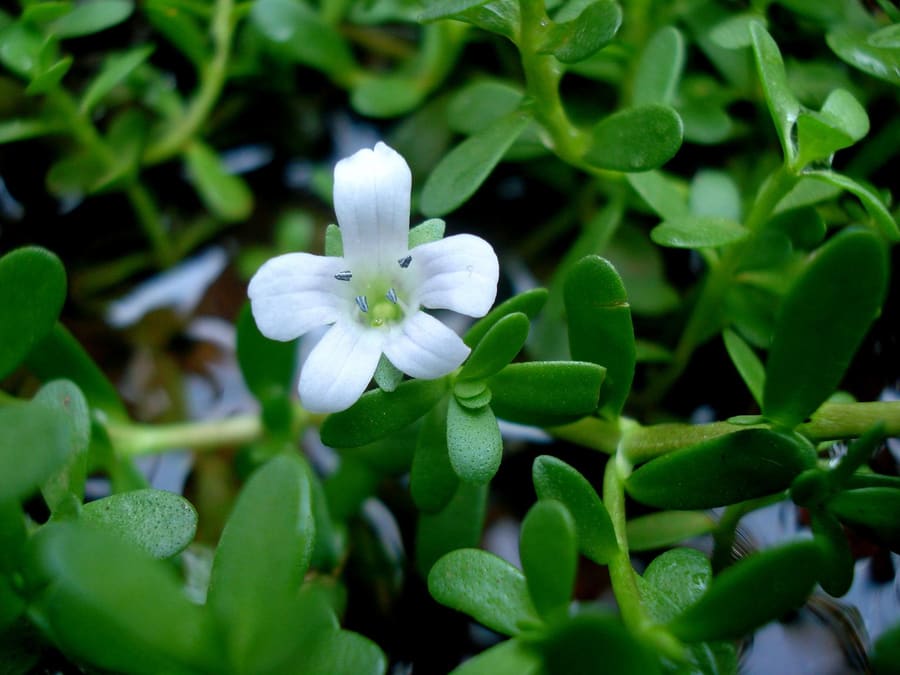 Bacopa (Bacopa monnieri)
Bacopa, also known as Water Hyssop or Brahmi, is a creeping succulent perennial that can grow to about 20 inches. It features spatula-shaped fleshy leaves and pale blue or white flowers on slender stalks. It thrives in marshlands and along the edges of mangrove swamps in warmer temperate and tropical climates, especially southern Asia, where it forms dense mats on mudflats.
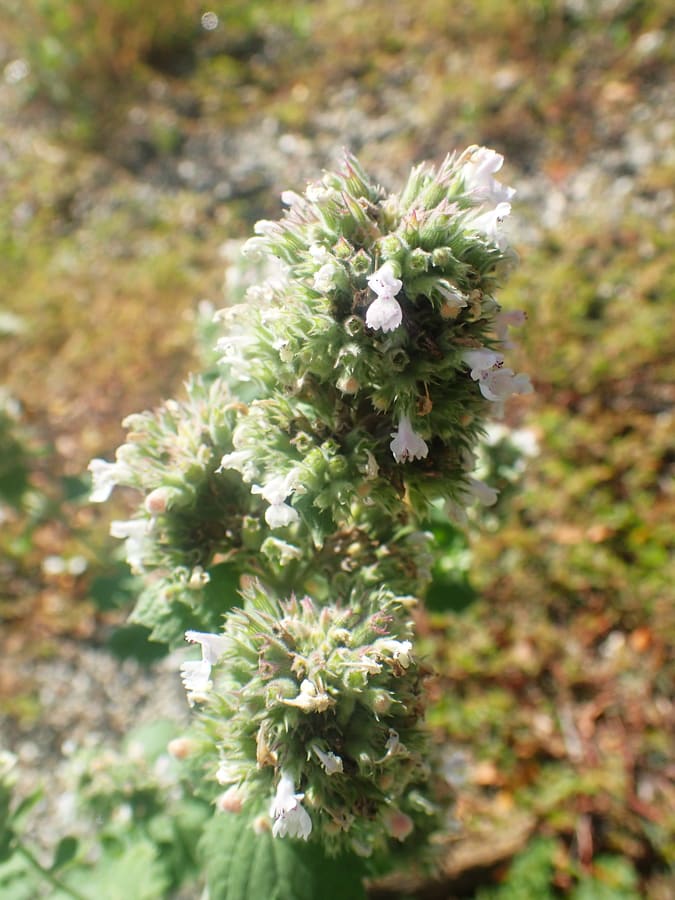 Catnip (Nepeta cataria)
Catnip is a downy, aromatic perennial growing to 3 feet with heart-shaped, gray-green leaves and whorls of white flowers marked with purple spots. Native to Europe and naturalized in North America, it grows in dry wayside places and mountainous regions up to altitudes of 5,000 feet. The plant is gathered when in flower during summer and autumn. Catnip has an excitatory effect on cats.
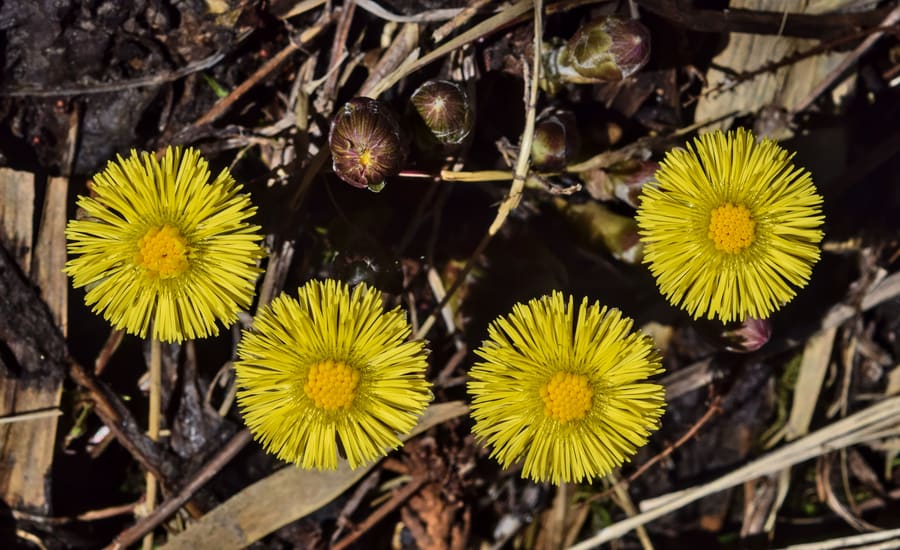 Coltsfoot (Tussilago farfara)Not for self-dosing
Coltsfoot is a perennial herb growing to 12 inches with flowering stems covered in purple scales, yellow-gold flowers, and heart-shaped leaves. Indigenous to Europe and northern Asia and naturalized in North America, it is commonly found along roadsides, on verges, and in open areas. The flowers are gathered in late winter, and the leaves in summer.
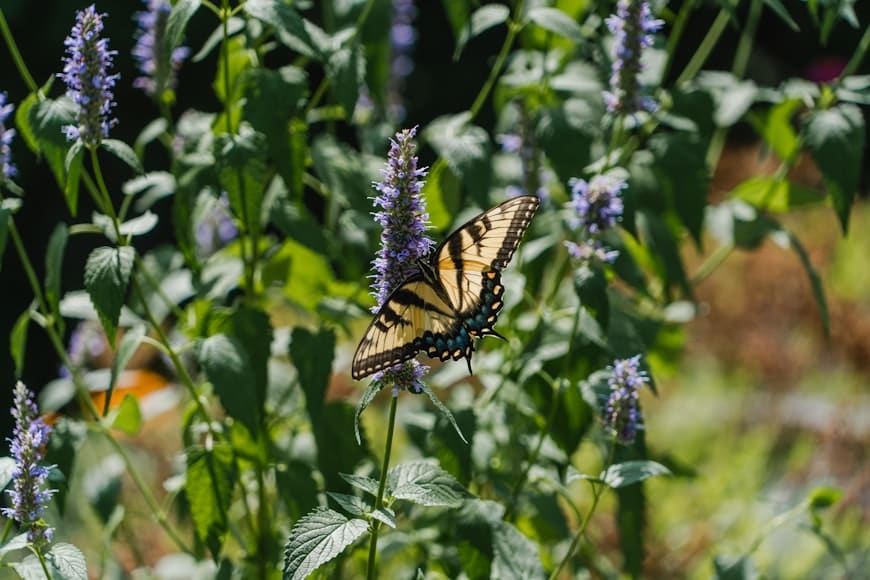 Hyssop (Hyssopus officinalis)
Hyssop (Hyssopus officinalis) is a semi-evergreen shrub growing up to about 2 ft (60 cm), with narrow leaves and clusters of bright blue, two-lipped flowers.
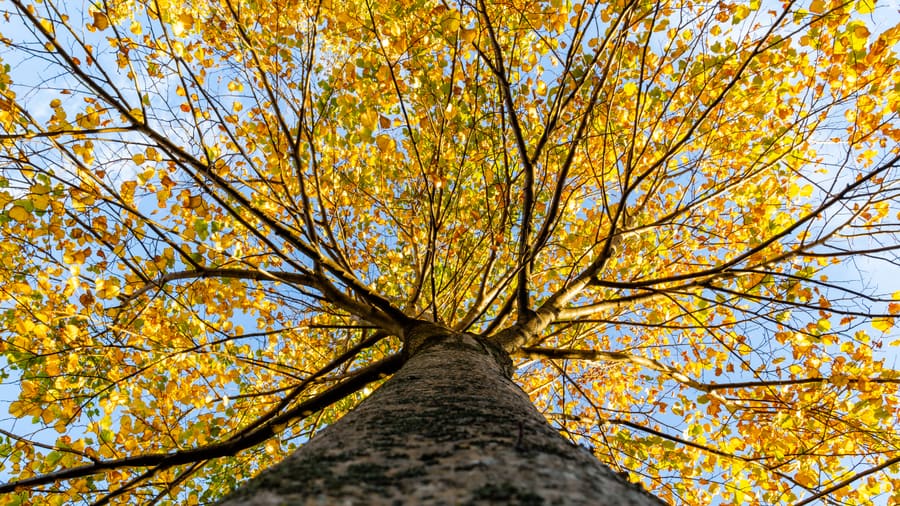 Linden (Tilia europaea)
Linden comprises deciduous trees growing to a height of 100 feet with smooth gray bark, heart-shaped leaves, and clusters of pale yellow flowers with winglike bracts. Native to Europe, it is found in the wild but is also much planted in gardens and along roads. The flowers are collected in summer. Greek myth recounts how the nymph Philyra, devastated after being raped by the god Cronus in the guise of a horse and giving birth to the centaur Chiron, begged the gods not to leave her amongst mortals. The gods granted her wish by transforming her into a linden tree, forever linking this graceful species with transformation and divine mercy.
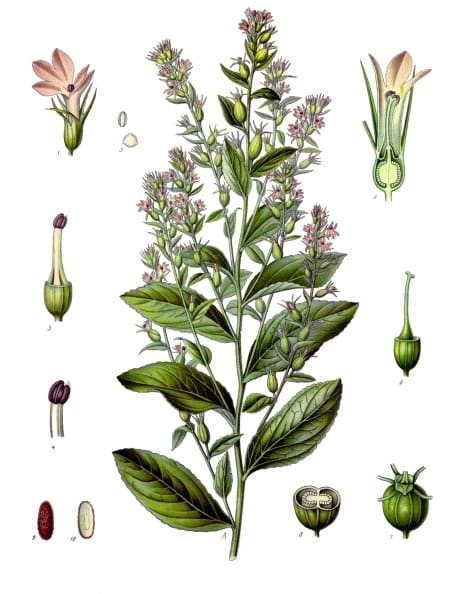 Lobelia (Lobelia inflata)Not for self-dosing
Lobelia is an annual herb growing to 20 inches with lance-shaped leaves and pale blue, pink-tinged flowers. It was used as a 'puke weed' to induce vomiting. Lobelia was also smoked as a substitute for tobacco and was reputed to share some of its magical qualities. Indigenous to North America, especially eastern parts of the United States, it grows by roadsides and in neglected areas, preferring acid soil. The aerial parts are harvested in early autumn when the seed capsules are most numerous and are carefully dried. Its use was later championed by the American herbalist Samuel Thomson (1769-1843), who made the herb the mainstay of his therapeutic system, mainly using it to induce vomiting.