
Herb comparison
Goji Berry (Lycium chinense) vs Ju Hua (Chrysanthemum x morifolium)
Both plants are listed as traditional remedies for 2 of the same conditions, which is why they are easy to confuse. Their descriptions and full safety notes are below, free.
- About
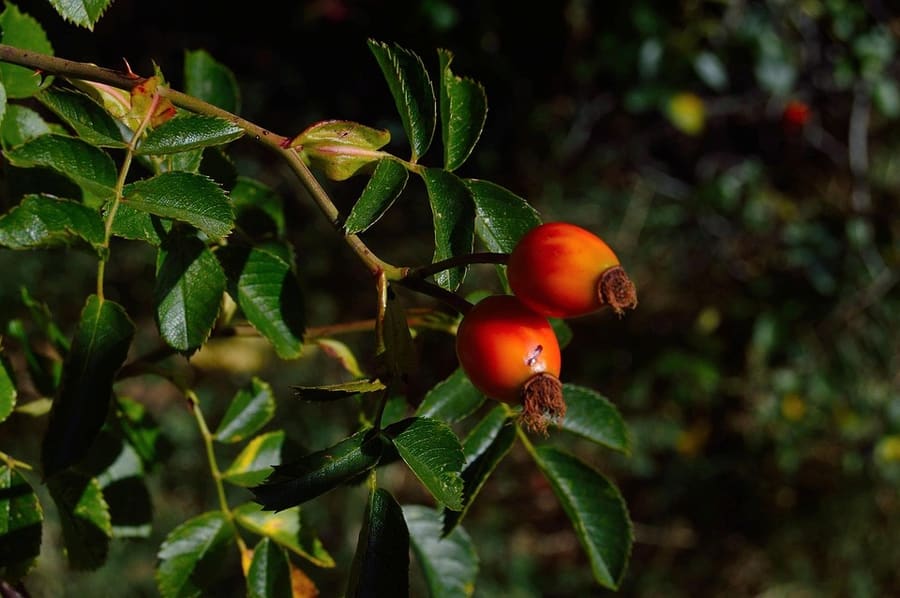
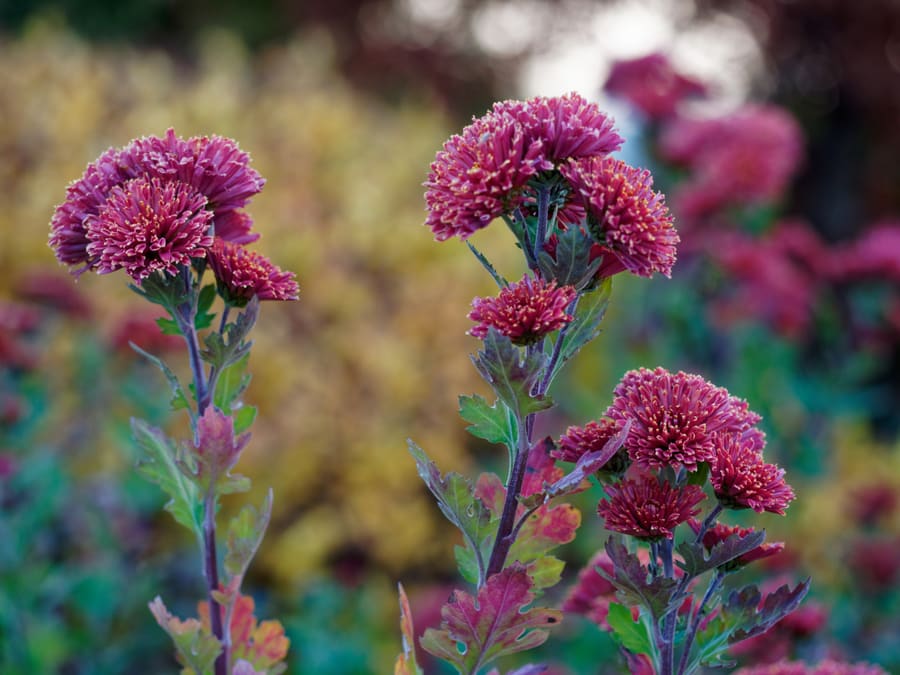
- Goji berry (Lycium barbarum) is a deciduous shrub that can grow up to about 13 ft (4 m), bearing bright green leaves and vivid scarlet berries. Goji berries have been used in Traditional Chinese Medicine, with references stretching back to the 1st century CE. The berries are rich in vitamins, polysaccharides, and carotenoids.Ju hua (Chrysanthemum x morifolium), commonly called the florists’ chrysanthemum, is a perennial reaching about 5 ft (1.5 m), producing clusters of white or yellow daisy-like flowers.
- Safety & precautions
- Pregnancy: Not recommended due to insufficient data. Blood-Thinning Medications: Avoid concurrent use with warfarin.Allergic Reactions: Possible in those sensitive to plants in the daisy family.
Safety text above is printed in full and is never abbreviated. For each plant’s complete precautions, drug and food interactions and preparation notes, open its own page - both are free.